
Pruning
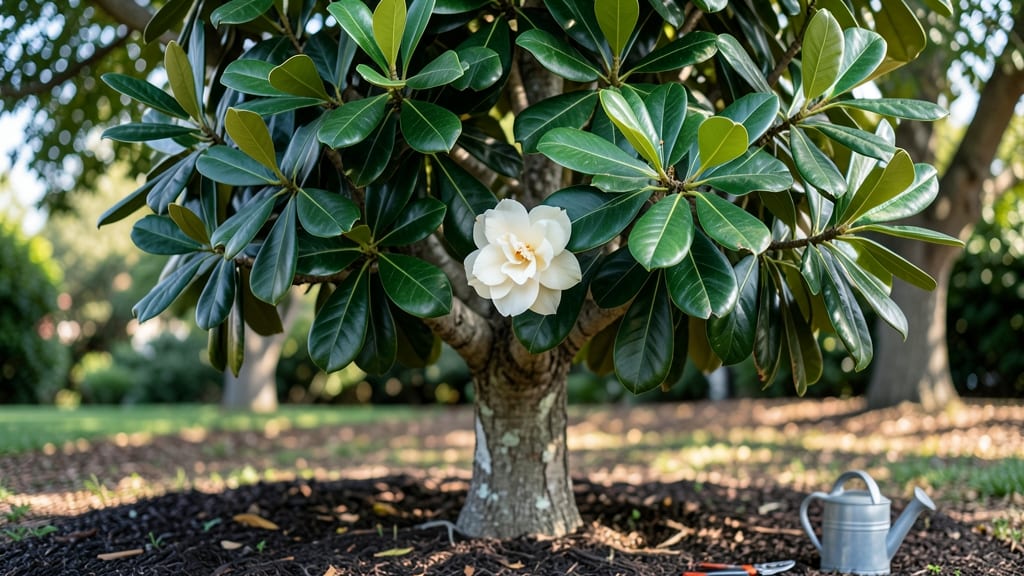
The Felix magnolia tree thrives where others freeze—its glossy leaves and fragrant blooms make it a standout in Pacific Northwest winters. I planted mine last spring, and now it’s the centerpiece of my yard, surviving frosts that kill lesser trees.
The secret lies in knowing when and how to prune, which keeps it healthy and stunning year after year.
This evergreen beauty loves well-draining soil and full sun, but it’s surprisingly adaptable to partial shade. In the PNW, its frost resistance means you can prune later than with tender varieties—just avoid heavy cuts after mid-August to prevent winter damage.
A sharp pair of pruners and a clear day are all you need to shape it without stressing the tree.
With the right cuts, you’ll end up with a tree that blooms reliably and stays disease-free. The glossy foliage turns a rich green in summer, and those creamy-white flowers in late spring smell like heaven.
Pruning also opens up the canopy, letting light reach the lower branches for a fuller, more vibrant look.
Whether you’re a beginner or a seasoned gardener, this tree rewards patience. Start with light pruning to encourage growth, then refine its shape over time. The key is consistency—just a few minutes every year keeps it thriving for decades. Ready to give it a try?
📚 In This Guide
- What you need
- Instructions
- Tips and common mistakes
- Wrapping up and next steps
What you need
- ● Pruning shears: Bypass pruners (sharp, clean, and sterilized with rubbing alcohol). Quantity: 1 pair (preferably Felco F-2 or Gonicc for durability).
- ● Loppers: For thicker branches (1.5"–2" diameter). Recommended: Fiskars X27 (ratchet-style for ease).
- ● Pruning saw: For branches >2" thick. Specs: Curved blade, non-serrated (e.g., Felco F-21).
- ● Disposable gloves: Nitrile-coated (thick, cut-resistant) to protect hands from thorns and sap. Quantity: 1–2 pairs.
- ● Rubbing alcohol (70% isopropyl) or bleach solution: For sterilizing tools between cuts. Mix: 1 part bleach to 9 parts water (or use alcohol directly).
- ○ Sealing wax or pruning sealant: (Optional but helpful for large cuts >1" diameter). Brand tip: Tanglefoot Tree Wound Pruning Seal.
- ● Ladder or step stool: Sturdy, non-slip, and tall enough to reach the tree’s canopy safely. Height: 6–12 ft (depending on tree size).
- ● Heavy-duty trash bags: For collecting pruned branches. Size: 30+ gallon capacity.
- ● Notebook & pencil: To sketch the tree’s structure and mark cuts before pruning.
- ● Hand pruners (for precision): Anvil-style for small twigs (<0.5" diameter).
- ● Extension pole pruners: For high branches (e.g., Fiskars 24" Extendable Pruner).
- ● Safety glasses: To shield eyes from debris.
- ● Work apron with pockets: Keeps tools organized and hands free.
- ● Tree growth regulator: (e.g., Bonide Fungicide) if the tree shows signs of disease post-pruning.
Step-by-step pruning guide for Pacific Northwest Felix magnolias
Here's how to shape your frost-hardy Felix magnolia for strong growth and stunning blooms.
Time Your Pruning for Late Winter Dormancy
Prune your Felix magnolia in late winter, just as buds begin to swell but before any new growth starts. This is typically February to early March in the Pacific Northwest, when frost risk has passed but the tree is still dormant. Pruning too early leaves cuts vulnerable to cold damage, while pruning too late removes next season's flower buds.
Look for tight, plump buds along the branches—these are your signal to begin. If you see any green tips emerging, wait a week. I always mark the calendar with our last frost date (around March 15th in most of the PNW) and prune 2-3 weeks before that to give wounds time to heal before spring rains arrive.
Remove Dead, Diseased, or Crossing Branches First
Start with sanitation pruning—this is non-negotiable for magnolias. Use disinfected pruning shears (wipe blades with rubbing alcohol between cuts) to remove any branches that are dead, diseased, or rubbing against others. These are the weak points where pests and diseases enter the tree.
Make your cuts just outside the branch collar (the swollen area where the branch meets the trunk). Avoid leaving stubs—this creates entry points for rot. For larger branches over ½ inch thick, make a 3-step cut: first undercut, then top cut, and finally clean up the remaining stub. The goal is smooth, angled cuts that won't collect water.
Thin the Canopy for Better Airflow and Light
Felix magnolias naturally grow with a dense, rounded shape, but 20-30% of the interior branches should be removed to improve airflow. Focus on branches growing straight up or inward—these compete with each other and create shaded areas where fungus thrives. Your goal is to open the center of the tree by 1/3 of its diameter.
When thinning, never remove more than ¼ of the tree's total foliage in one season. Look for branches that are thinner than a pencil—these are perfect candidates for removal. I like to step back every few cuts and visualize the tree's shape from all sides. The Felix magnolia's natural beauty comes from its open, airy structure, so resist the urge to create a formal shape.
Shape the Outer Framework for Next Year's Blooms
Now focus on the outer framework—the branches that will support next year's flowers. Magnolias bloom on old wood, so we're not pruning to encourage new growth but to strengthen existing structure. Look for strong, upright branches that form the tree's silhouette and make heading cuts just above a bud that faces outward.
For branches that are too long, cut back to a side branch that's at least ⅓ the diameter of the parent branch. Avoid cutting back to a stub—this weakens the branch. If you're unsure which bud to cut to, remember: "Outward, upward, and away from the center" is the rule. This ensures the tree grows with an open, balanced form that catches the Pacific Northwest's famous spring rains without trapping moisture.
Clean Up and Protect the Tree
After pruning, remove all debris from the ground beneath the tree—this prevents fungal spores from infecting fresh cuts. I use a leaf blower to clear fallen branches and leaves, then apply a copper fungicide spray as a preventive measure. This is especially important in the damp PNW climate where fungal diseases like anthracnose can spread quickly.
Finally, seal larger cuts (over ½ inch thick) with pruning sealant to protect against moisture and pests. For smaller cuts, let them heal naturally—the sealant isn't necessary and can sometimes trap moisture. Water the base of the tree deeply to help it recover from the pruning stress. Your Felix magnolia will reward you with healthier growth and even more spectacular spring blooms next year.
Tips & tricks for perfect Felix magnolia pruning
These practical insights will help you prune your Felix magnolia like a seasoned arborist while keeping your tree thriving in the Pacific Northwest's unique climate.
Timing is Everything: The late winter window between February and early March is critical—this is when your Felix magnolia is dormant but buds are just beginning to swell. I've learned the hard way that pruning too early risks frost damage to fresh cuts, while pruning too late removes next year's flower buds. Mark your calendar for 2-3 weeks before your last frost date (typically around March 15th in the PNW) to give wounds time to heal before spring rains arrive.
Sanitation First: Never skip the sanitation step in Step 2—this is where most pruning mistakes begin. I always clean my pruning shears with rubbing alcohol between cuts to prevent spreading disease. When removing branches, make clean cuts just outside the branch collar, especially for branches over ½ inch thick. That 3-step cutting technique (undercut, top cut, cleanup) might seem tedious, but it prevents tearing and creates smooth healing surfaces that won't collect water.
Canopy Thinning Strategy: The goal in Step 3 isn't just to remove branches—it's to create an open, airy structure. I find it helpful to visualize the tree's center as a "donut" shape, with the hole representing 1/3 of the tree's diameter. Focus on removing branches thinner than a pencil that grow straight up or inward. These are the branches competing for light and creating shaded, damp conditions where fungus thrives. Remember, you're aiming to remove 20-30% of interior branches, not more.
Framework Preservation: When shaping the outer framework in Step 4, always cut back to a side branch that's at least ⅓ the diameter of the parent branch. This maintains structural integrity and prevents weak points. The "outward, upward, and away from the center" rule isn't just a catchphrase—it's a proven method to create a balanced tree that naturally sheds rain in our wet climate. I've seen too many magnolias develop weak crotches from improper heading cuts, so take your time with this step.
Pro Tips for Felix Magnolia Tree
- These practical insights will help you prune your Felix magnolia like a seasoned arborist while keeping your tree thriving in the Pacific Northwest's unique climate.
- Timing is Everything: The late winter window between February and early March is critical—this is when your Felix magnolia is dormant but buds are just beginning to swell.
- Sanitation First: Never skip the sanitation step in Step 2—this is where most pruning mistakes begin.
Frequently asked questions
Got questions about pruning your Felix Magnolia Tree? You’re not alone! Here are some of the most common concerns—plus straightforward answers to keep your tree thriving in the Pacific Northwest’s climate.
When is the best time to prune a Felix Magnolia?
The ideal window is late winter to early spring (February–March), just as buds swell but before new growth starts. This timing ensures you remove dead wood while avoiding heavy sap flow. Avoid pruning during fall—the tree needs time to harden off before winter. Pro tip: If you must prune later, wait until after flowering (late May–June) to preserve next year’s blooms!
How cold can a Felix Magnolia handle?
Felix Magnolias are USDA Zone 5–9 hardy, meaning they tolerate temps down to -20°F (-29°C)! However, young trees or newly planted specimens may need winter protection (like burlap wraps or mulch) for their first few years. If your PNW winters dip below -15°F (-26°C), consider microclimate shielding (e.g., evergreen windbreaks).
Can I prune a Felix Magnolia in summer?
Summer pruning is not recommended—it stresses the tree, encourages suckering (weak, water-sprout growth), and can stunt flowering. If you spot dead or diseased branches mid-season, remove them immediately to prevent spread. For shaping, stick to dormant seasons. Hot tip: If you must trim in summer, do it early morning to reduce stress!
What if my Felix Magnolia isn’t blooming?
Lack of blooms often stems from over-pruning (especially in spring) or nutrient imbalances. Check for:
- Too much nitrogen (promotes leafy growth over flowers)—test soil and adjust fertilizer.
- Improper pruning cuts (e.g., cutting into old wood)—aim for outward-facing buds.
- Age: Young trees (under 5 years) may not bloom yet!
Are there frost-resistant alternatives to Felix Magnolia?
If you love the look but need even tougher cold resistance, consider:
- Yulan Magnolia (Magnolia denudata)
- Saucer Magnolia (Magnolia × soulangeana)
- Star Magnolia (Magnolia stellata)
Wrapping up and next steps
The Felix magnolia tree is a stunning, frost-resistant gem for Pacific Northwest gardens—when pruned with care, it thrives for decades with minimal effort! 🌿 By following this blueprint, you’ll ensure vibrant blooms, strong structure, and a healthy tree that becomes the centerpiece of your landscape.
Ready to take the next step? Grab your pruners, schedule your first pruning session in early spring, and watch your magnolia flourish! Your future shade tree starts with one confident cut.