
Pruning
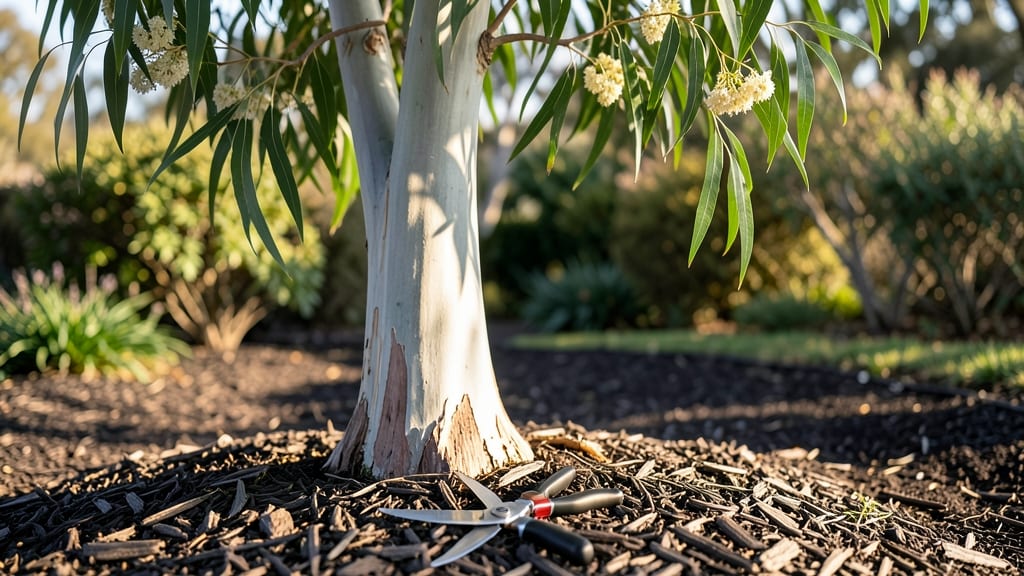
Pruning eucalyptus trees transforms them from wild, unruly giants into healthy, structured showpieces in your landscape. 🌿 I’ve learned the hard way—skipping pruning leads to tangled branches, weak growth, and even safety hazards when limbs snap unexpectedly.
The key is timing, technique, and knowing your tree’s personality (some species like Silver Dollar grow bushy, while others shoot straight up like sentinels).
You’ll need sharp pruning shears, loppers for thicker branches, and safety gear—gloves to handle the sticky sap and goggles for flying debris. Late winter or early spring is ideal for major cuts, but light shaping can happen year-round if you’re gentle.
The goal? Encourage airflow, sunlight penetration, and a shape that suits your space—whether that’s a tidy topiary or a natural, airy silhouette. My first attempt left a messy stump, but practice makes perfect.
After pruning, your eucalyptus will reward you with vibrant new growth within weeks, especially if you cut just above a leaf node. Avoid overdoing it—never remove more than 25% of the canopy at once, or you’ll stress the tree.
For dwarf varieties, you can prune more aggressively to keep them compact, but tall types need patience and strategic cuts to avoid weakening their structure.
Post-pruning care is simple: water deeply if the weather’s dry, and keep an eye out for sap oozing from cuts—it’s normal and harmless. This method works for both young trees you’re shaping and mature ones needing rejuvenation.
The results? A eucalyptus that stays lush, strong, and safe for years to come.
📚 In This Guide
- What you need
- Instructions
- Tips and common mistakes
- Wrapping up and next steps
What you need
- ● Pruning shears: Bypass pruners (for cuts up to ½ inch in diameter) – 1 pair (sharp, high-quality, like Felco or Fiskars).
- ● Loppers: For branches ¾ to 2 inches thick – 1 pair (with a long handle for reach).
- ● Pruning saw: For thicker branches (2+ inches) – 1 lightweight, curved-tooth saw (e.g., Bahco or Corona).
- ● Extension pole: 6–12 ft telescoping pole with pruning attachments – 1 (for high branches).
- ● Gloves: Heavy-duty, cut-resistant gloves – 1 pair (to protect from thorns and sap).
- ● Safety glasses: ANSI-rated goggles – 1 pair (to shield eyes from debris).
- ● Ladder: Sturdy, extendable ladder (if needed) – 1 (ensure it’s rated for your height + weight).
- ● Disinfectant: 70% isopropyl alcohol or pruning sealant – small bottle (to sterilize tools and prevent disease).
- ● Heavy-duty trash bags: For debris disposal – 2–3 bags (or a wheelbarrow if pruning heavily).
- ○ Rope or harness: For securing yourself (if working at heights) – optional but recommended.
- ● Hand saw: For stubborn, thick branches.
- ● Pruning paint: To seal large cuts (reduces sap oozing).
- ● Work boots: With ankle support and slip-resistant soles.
- ● First-aid kit: For minor cuts or sap irritation.
- ● Camera/phone: To document the tree’s shape before and after pruning!
Step-by-Step guide to pruning eucalyptus for lush, disease-free growth
Mastering eucalyptus pruning transforms your tree from wild to sculpted—here's how to do it safely.
✂️ Step 1: Identify and Remove Dead or Diseased Wood
Start by scanning your eucalyptus for branches that are brown, brittle, or covered in black spots—these are your first targets. Eucalyptus trees are resilient, but dead wood attracts pests and diseases that can spread to healthy growth. Use sharp, clean pruning shears to make cuts just outside the branch collar, the swollen area where the branch meets the trunk. This ensures the tree can seal the wound properly and prevents decay.
If you spot any branches with oozing sap or fungal growth, don’t hesitate to remove them entirely. Here’s the thing—eucalyptus trees are particularly susceptible to fungal infections like canker, and early removal is the best defense. After cutting, sterilize your tools with rubbing alcohol to prevent cross-contamination between branches.
✂️ Step 2: Shape the Canopy for Airflow and Light Penetration
Eucalyptus trees thrive when their canopy receives ample airflow and sunlight. Thin out crowded branches by removing about one-third of the smallest, inward-growing shoots to open up the center. Focus on branches that rub against each other—they create wounds that invite disease. Aim to create a vase-like shape, wider at the bottom and gradually tapering toward the top. This encourages new growth along the lower branches, which are often the most fragrant.
Watch for branches that grow at sharp angles—these are more prone to breaking in storms. Cut these back to a stronger lateral branch or the main trunk. Always make your cuts at a 45-degree angle just above an outward-facing bud. This angle helps water run off the wound instead of pooling, reducing the risk of rot. If you’re unsure which bud to target, look for one that’s facing the direction you want the new growth to go.
🌿 Step 3: Prune for Controlled Growth and Height Management
To manage the height of your eucalyptus, focus on the topmost branches. Cut back the leader (the central vertical stem) by about one-third of its length to encourage bushier growth. This is especially important if your tree is growing too tall for its space. Avoid cutting the leader too aggressively—eucalyptus trees can develop multiple leaders if the main one is damaged, leading to a messy, multi-trunked tree. Instead, make gradual reductions over time.
For younger trees, you can prune more aggressively to shape their structure early. Remove any suckers—those low-growing shoots that sprout from the base or along the trunk. These compete with the main canopy for nutrients and weaken the tree’s overall health. Use your pruners to cut them off at ground level, but avoid damaging the root collar. Real talk: Suckers are persistent, so check for new ones every few months.
⏰ Step 4: Time Your Pruning for Seasonal Health
Eucalyptus trees handle pruning year-round, but the best time is late winter or early spring, just as new growth begins. This timing ensures the tree has ample time to heal before the stress of summer heat. Avoid heavy pruning in fall—it can stimulate new growth that won’t harden off before winter, making the tree more vulnerable to cold damage. If you must prune in summer, do it in the early morning or late afternoon to minimize stress from heat and sun exposure.
After pruning, give your tree a deep watering to help it recover. The roots will need to support new growth, and eucalyptus trees are drought-tolerant but not drought-proof. You’ll notice new shoots emerging within 4-6 weeks—that’s your signal that the pruning was successful. If you see no new growth after eight weeks, you may have pruned too aggressively. Don’t panic, though; eucalyptus trees are forgiving and will bounce back with time.
Tips & tricks for perfect eucalyptus pruning
Transforming your eucalyptus into a thriving, sculpted specimen takes more than just cutting branches—it's about understanding the tree's natural growth patterns.
Tool Preparation: Sterilizing your pruning shears between cuts is non-negotiable. I learned this the hard way after seeing fungal infections spread between branches. After each cut, wipe the blades with rubbing alcohol or a 10% bleach solution, then rinse thoroughly. This prevents cross-contamination that can turn a simple pruning session into a disease management nightmare. For larger branches, consider using a pruning saw with a sterilized blade—it makes the job cleaner and safer.
Visual Pruning Cues: When shaping your canopy in Step 2, look for branches that grow at sharp angles—they're like the tree's weak points. These branches are more likely to snap in storms or under heavy snow. Cut them back to a stronger lateral branch, making your cut at a 45-degree angle just above an outward-facing bud. This technique not only improves structural integrity but also encourages new growth in the direction you want. Think of it as guiding the tree's future shape rather than just removing what's there.
Seasonal Pruning Strategy: The late winter/early spring timing in Step 4 isn't just arbitrary—it's when eucalyptus trees are entering their active growth phase. This gives them the maximum healing window before summer stress. If you must prune in summer, do it during cooler parts of the day (early morning or late afternoon) to reduce water loss through the fresh cuts. I've seen trees recover beautifully from summer pruning when done this way, but they never quite reach the same vigor as spring-pruned specimens.
Pro Tips for Eucalyptus Tree Pruning
- Transforming your eucalyptus into a thriving, sculpted specimen takes more than just cutting branches—it's about understanding the tree's natural growth patterns.
- Tool Preparation: Sterilizing your pruning shears between cuts is non-negotiable.
- Visual Pruning Cues: When shaping your canopy in Step 2, look for branches that grow at sharp angles—they're like the tree's weak points.
Frequently asked questions
Got questions about pruning your eucalyptus tree? You’re not alone! Here are some of the most common concerns—and their answers—to help you trim with confidence.
When is the best time to prune a eucalyptus tree?
The ideal time is late winter or early spring (just before new growth starts) to avoid stressing the tree. Avoid heavy pruning in summer or fall, as it can encourage weak, disease-prone growth. Light shaping trims are fine year-round, but major cuts should wait for dormancy.
How much can I trim off without harming the tree?
Never remove more than 25-30% of the canopy in a single session—this keeps the tree healthy. If you’re pruning for shape, focus on thinning out dense branches rather than cutting back to bare wood. Over-pruning can stress eucalyptus, leading to slow recovery or even dieback.
Will pruning attract pests or diseases?
Pruning correctly reduces risks! Use sterilized tools and make clean cuts to prevent bacterial or fungal infections. Avoid heavy pruning during wet seasons, as moisture can invite pests. If you notice sap oozing or unusual leaf spots after trimming, act fast with a fungicide or insecticide.
Can I prune a eucalyptus tree to control its height?
Yes, but expect new growth to sprout from the cut points. For height control, prune just above a leaf node (bud) to encourage upward growth. If you cut too close to the trunk, the tree may produce a bushier, wider shape instead. Patience is key—eucalyptus grows fast, so repeat trims may be needed.
What do I do if my eucalyptus tree looks stressed after pruning?
Stress signs include yellowing leaves, wilting, or excessive sap. If this happens, reduce watering slightly and avoid fertilizing for a few weeks. Most eucalyptus recover within a few months, but if symptoms worsen, check for pests (like psyllids) or fungal issues. Severe stress? Consult a local arborist.
Wrapping up and next steps
Pruning your eucalyptus tree isn’t just about aesthetics—it’s a year-round commitment to its health, safety, and beauty! 🌿 By following the right techniques, timing, and tools, you’ll encourage lush growth, prevent hazards, and keep your tree thriving for decades.
Whether you’re trimming for shape, light, or safety, remember: consistency and care make all the difference.
Ready to take the next step? Grab your pruners, mark your calendar, and start with a seasonal pruning plan tailored to your eucalyptus type. Your tree—and your garden—will thank you! ✂️💚