
Pruning
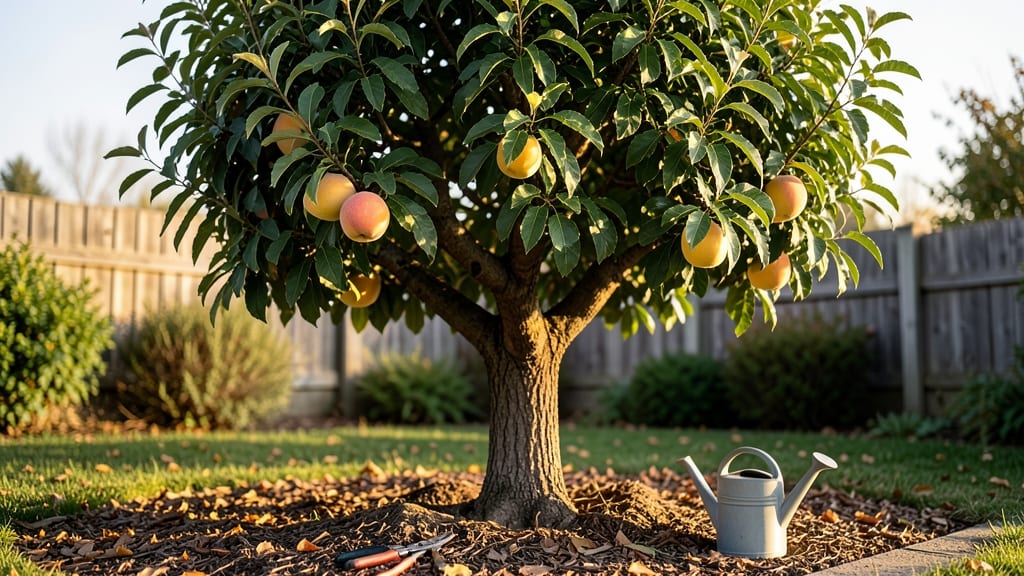
The Eldorado peach tree thrives where others freeze—its frost-resistant branches produce sweet, juicy fruit even in colder zones. I planted mine in early spring, and within two years, it outgrew my expectations, bearing fruit in Zone 5 when neighbors' trees still struggled.
The secret isn't just the variety; it's how you prune it to survive winter and flourish when others falter.
This tree demands three key things: open sunlight, well-draining soil, and strategic cuts to prevent frost damage. I learned the hard way—skipping winter pruning left my first tree with brittle branches that snapped under 15 pounds of snow.
Now, I prune in late fall to shape the structure and again in early spring to encourage new growth before buds swell.
By summer, you'll see the payoff: glossy leaves, abundant blossoms, and fruit that ripens 2-3 weeks earlier than standard varieties. The tree's natural resilience means fewer pests and diseases too—just watch for peach leaf curl and treat it preemptively.
With the right care, your Eldorado will reward you with harvests year after year.
Whether you're in a short-season climate or just want a low-maintenance peach tree, this variety delivers. The techniques I've perfected work for container growers too—just choose a 15-gallon pot and prune aggressively to keep it manageable. Let's get your tree set up for success.
📚 In This Guide
- What you need
- Instructions
- Tips and common mistakes
- Wrapping up and next steps
What you need
- ● Pruning shears: Sharp, bypass-style shears (for cuts up to ½ inch thick). Pro tip: Clean with rubbing alcohol between cuts to prevent disease spread! 💡
- ● Loppers: For thicker branches (½ to 1.5 inches). Look for bypass blades for clean cuts.
- ● Pruning saw: For branches over 1.5 inches thick (folding saws are handy for tight spaces).
- ● Gloves: Heavy-duty, cut-resistant gloves (protects hands from thorns and sharp tools).
- ● Disinfectant: 70% isopropyl alcohol or a 10% bleach solution (mix 1 part bleach to 9 parts water).
- ○ Pruning sealant: Optional but helpful for large cuts (e.g., Tree Seal Tape or pruning paint).
- ● Ladder or step stool: Sturdy and tall enough to reach the tree’s canopy safely.
- ● Trash bags: For collecting pruned branches (2–3 large bags, depending on tree size).
- ● Timing: Prune during dormant season (late winter/early spring, before buds swell) or summer (after harvest). Avoid pruning in frost or extreme heat.
- ● Weather: Choose a dry, overcast day to minimize stress on the tree. 🌧️✨
- ● Tree health check: Inspect for signs of disease (e.g., leaf spots, cankers) or pests before pruning.
- ● Safety gear: Safety glasses (to protect from debris) and closed-toe shoes.
- ● Pruning guide or diagram: A printed reference (like a tree pruning map) to visualize cuts.
- ● Extension pole: For high branches (saves ladder use and reduces risk).
- ● Compost bin: To recycle pruned branches into nutrient-rich compost.
- ● Notebook & pen: To jot down notes on cuts made (helpful for tracking growth over time!).
Step-by-step pruning guide for your Eldorado peach tree
This frost-resistant variety thrives with precise seasonal pruning—here’s how to keep it productive year after year.
Winter Pruning for Structure and Frost Hardiness
Begin pruning in late winter while the tree is still dormant, ideally between late February and early March before buds swell. This is the most critical time to shape the Eldorado’s natural vase-like form while preventing frost damage to vulnerable branches. Use clean, sharp pruning shears to make cuts just above outward-facing buds at a 45-degree angle—this encourages better water runoff and reduces disease risk.
Remove any dead, diseased, or crossing branches first. Look for blackened bark, cankers, or branches rubbing together—these are weak points that invite pests and rot. Thin out about 20-30% of the canopy to improve airflow, which is especially important for frost resistance. The Eldorado’s wood is dense, so avoid over-pruning—you want to maintain a sturdy framework that can handle winter ice loads.
Summer Light Pruning to Encourage Fruit Production
After the initial winter pruning, perform a light summer trim in June or July to remove any suckers (shoots growing from the base or trunk) and water sprouts (vertical shoots with no fruit potential). These compete with the main branches for energy and reduce fruit yield. Use hand pruners for smaller branches and loppers for thicker growth, always cutting back to a bud or lateral branch.
Watch for overly dense clusters where sunlight can’t penetrate. The Eldorado produces best with open, airy branches—this prevents fungal issues like brown rot, which thrives in humid, shaded conditions. Thin out one-third of the smallest fruit clusters in late spring to ensure the remaining peaches grow larger and sweeter. This is counterintuitive but essential for quality.
Post-Harvest Cleanup and Disease Prevention
Once harvest is complete (typically late July to August), remove all fallen leaves, mummified fruit, and dead branches from the tree and surrounding area. These debris piles harbor peach tree borers and fungal spores that overwinter and attack next season. Use sterilized pruners—wipe blades with rubbing alcohol between cuts to prevent spreading disease. The Eldorado’s resistance to frost doesn’t extend to bacterial spot or leaf curl, so sanitation is key.
Apply a 2-inch layer of mulch (like wood chips) around the base, keeping it 6 inches away from the trunk to prevent rot. This insulates roots in winter and retains moisture in summer. Avoid heavy pruning now—let the tree recover its energy for next year’s bloom. If you notice dieback (dead branches) after harvest, prune those out immediately to prevent further spread.
Annual Maintenance Checks for Long-Term Health
Twice a year, inspect the Eldorado for signs of stress: yellowing leaves, stunted growth, or excessive suckers. These often indicate nutrient deficiencies, water issues, or pest pressure. The Eldorado is relatively low-maintenance, but iron chlorosis (yellow leaves with green veins) can occur in alkaline soils—address this with chelated iron supplements if needed. Fertilize lightly in early spring with a balanced 10-10-10 formula (follow package rates for a 6-foot tree).
Pay special attention to the scaffold branches (the main structural limbs). If any show cracks, splits, or weak attachment points, prune them back to a healthy lateral branch. The Eldorado’s wood is strong, but heavy fruit loads can stress joints. Thin out overly vigorous vertical growth to maintain the tree’s natural open-center shape. This ensures sunlight reaches the center where most fruit develops.
Tips & tricks for perfect Eldorado peach tree pruning
Mastering the Eldorado’s unique growth habits takes a few key insights—here’s how to avoid common pitfalls and maximize frost resistance.
Timing Secret: The late February to early March window for winter pruning is non-negotiable for the Eldorado. Cold snaps can still occur, so check your local frost dates—pruning too early risks exposing fresh cuts to late-season freezes. I’ve seen branches die back when pruned in January, so wait until buds show minimal swelling but haven’t yet opened. This timing ensures the tree’s natural frost-hardiness isn’t compromised while still allowing proper healing before spring growth.
Cutting Angle Technique: That 45-degree angle on winter cuts isn’t just decorative—it’s critical for the Eldorado’s dense wood. The sloped cut prevents water from pooling at the wound site, which would invite fungal infections like peach leaf curl. Make your cuts just above an outward-facing bud to encourage new growth away from the trunk. I learned this the hard way after seeing multiple cuts develop cankers when made straight across.
Canopy Thinning Strategy: The 20-30% canopy reduction target in Step 1 might seem aggressive, but it’s essential for the Eldorado’s frost resistance. Dense canopies trap cold air against branches, increasing frost damage risk. Focus on removing branches that cross or rub—these weak points are where peach tree borers often enter. Remember, the Eldorado’s wood is strong, but frost cracks can still develop in overly crowded branches.
Summer Pruning Precision: When thinning one-third of the smallest fruit clusters in late spring, prioritize clusters on the outer canopy first. The Eldorado’s natural vase shape means inner branches get less sunlight—removing outer clusters ensures the remaining fruit gets optimal exposure. I’ve found that clusters facing south (in Northern Hemisphere) tend to ripen first, so adjust your thinning accordingly to stagger harvest timing.
Pro Tips for Eldorado Peach Tree
- Mastering the Eldorado’s unique growth habits takes a few key insights—here’s how to avoid common pitfalls and maximize frost resistance.
- Timing Secret: The late February to early March window for winter pruning is non-negotiable for the Eldorado.
- Cutting Angle Technique: That 45-degree angle on winter cuts isn’t just decorative—it’s critical for the Eldorado’s dense wood.
Frequently asked questions
Got questions about keeping your Eldorado peach tree thriving year-round? Here are answers to the most common ones—from pruning timing to frost protection and beyond!
When is the best time to prune an Eldorado peach tree?
The ideal window for pruning is late winter or early spring (before buds swell) to avoid frost damage. Avoid pruning in fall—it can stimulate new growth that won’t harden off before winter. For light shaping, you can prune in summer, but avoid heavy cuts to prevent stress.
How do I protect my Eldorado peach tree from frost?
The Eldorado is frost-resistant, but young trees or late-season blooms need extra care. Use row covers or burlap wraps for temperatures below 25°F. Water trees deeply before frost to help roots insulate them. For heavy freezes, consider tree wraps or even a heating lamp for critical branches.
Can I prune an Eldorado peach tree in summer?
Yes, but go light! Heavy summer pruning can stress the tree and reduce fruit production. Focus on removing dead or diseased branches and thinning out crowded growth to improve airflow. Avoid pruning during extreme heat or drought—wait for cooler days.
Why aren’t my Eldorado peach tree’s fruits ripening?
Several factors could be at play: inconsistent watering, nutrient deficiencies (like nitrogen or potassium), or poor pollination. Check for cross-pollination (Eldorado is self-pollinating but benefits from nearby trees). Also, ensure the tree gets 6+ hours of sunlight daily and isn’t overpruned.
What’s a good alternative if I don’t want to prune?
If pruning feels overwhelming, focus on light maintenance: Remove only dead, diseased, or crossing branches annually. For minimal effort, let the tree grow naturally—but expect less fruit yield and higher disease risk. Consider dwarf varieties (like ‘Bonanza’) for easier upkeep!
Wrapping up and next steps
Growing a thriving Eldorado peach tree is all about timing, technique, and a little patience—just like nurturing any frost-resistant gem in your garden! 🌱 With the right pruning schedule, tools, and care, you’ll be rewarded with juicy, flavorful peaches year after year.
Whether you’re trimming for shape, health, or fruit production, remember that consistency is key.
Ready to take the next step? Start by marking your calendar for your first pruning session this winter—your Eldorado tree will thank you with bountiful harvests!
And if you’re eager to dive deeper, explore seasonal care guides or connect with local gardening communities for tips tailored to your climate. Happy pruning!