Pruning
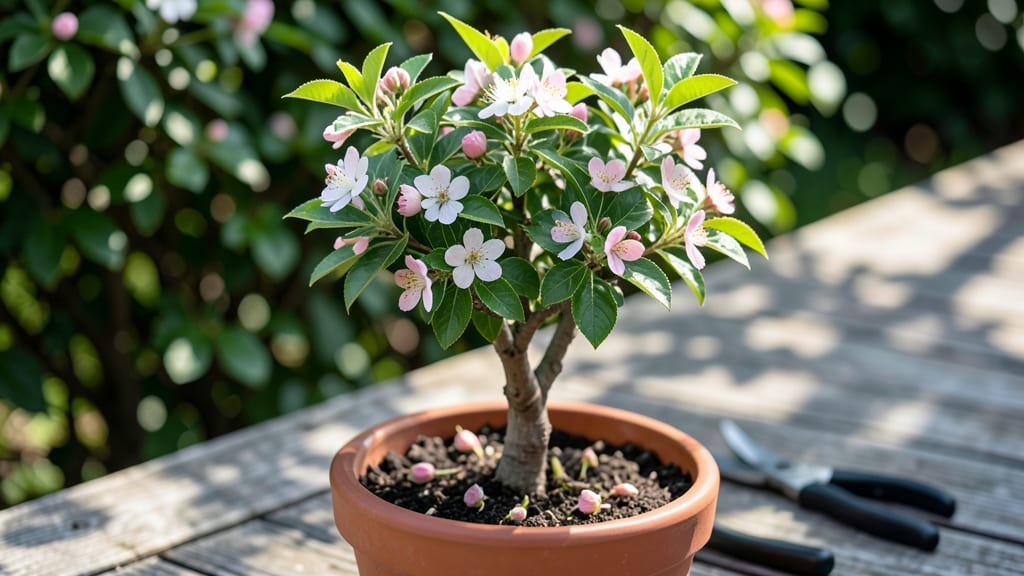
My Eldorado Miniature Peach Tree delivers sweet rewards in a tiny footprint—perfect for patios, balconies, or even large pots. 🌱 This dwarf variety stays under 6 feet tall while producing juicy peaches that taste like summer in a bite. The key to keeping it productive?
Pruning that opens the canopy to sunlight and air, preventing disease while encouraging fruit. Most gardeners overlook how much pruning affects flavor and yield. I learned the hard way that skipping winter cuts means fewer peaches and more crowded branches.
With just a few strategic cuts each season, you’ll transform a scraggly shrub into a fruit-loaded beauty that outpaces full-sized trees in sweetness per square foot. By summer’s end, you’ll be harvesting peaches that burst with flavor, their skin blushing pink under the sun.
The tree’s compact size means no more fighting for space—just easy access to harvests that’ll have neighbors asking for cuttings. Let’s get those pruners sharp and turn that tiny tree into a peach-producing powerhouse.
This variety thrives where full sun meets well-draining soil, but don’t let its small size fool you—it needs the same care as larger peach trees, just scaled down. A 5-gallon pot works for containers, while in-ground plantings benefit from a 6-foot diameter cleared of competing plants.
Water deeply once a week (more in heatwaves) and fertilize lightly in spring to avoid overfeeding, which leads to leafy growth at the expense of fruit.
Winter protection is the only real challenge, but a simple burlap wrap or frost blanket saves the day in colder zones. Even in harsh winters, these trees bounce back with proper care, rewarding you with early spring blooms and a harvest that starts as early as July.
The secret? Prune in late winter to remove dead wood, then again after harvest to shape the tree for next year’s bounty.
📚 In This Guide
- What you need
- Instructions
- Tips and common mistakes
- Wrapping up and next steps
What you need
- ● Pruning shears: Bypass pruners (sharp, clean, and sterilized with rubbing alcohol or bleach to prevent disease). Size: 5–7 inches for precision.
- ● Hand pruners: Smaller bypass or anvil pruners (for thinner branches). Quantity: 1 pair.
- ● Gloves: Garden gloves (nitrile-coated for grip and protection). Tip: Choose breathable fabric to avoid sweaty hands!
- ● Disinfectant: Rubbing alcohol (70%+) or household bleach (1 part bleach to 9 parts water) for sterilizing tools.
- ○ Pruning sealant: Optional but recommended (e.g., Tree Wound Pruning Seal) to protect large cuts (½ inch or wider).
- ● Bucket or bag: Small trash bag or bucket (for collecting pruned branches).
- ● Ladder or step stool: If your tree is near the edge of a raised bed or tall container.
- ● Magnifying glass: For inspecting buds and small branches up close.
- ● Marking twine or tape: To flag branches for removal before cutting.
- ● Sharpie or label tags: For labeling branches if training for specific shapes.
Step-by-Step guide to pruning your Eldorado miniature peach tree
Here's how to keep your dwarf peach tree thriving in tight spaces—with bigger fruit and better shape.
✂️ Step 1: Time It Right for Best Results
Prune your Eldorado peach tree during late winter or early spring, just before buds swell but before new growth starts. This timing ensures you're shaping the tree when it's dormant, reducing stress and disease risk. If you prune too early, you risk cold damage to fresh cuts; too late, and you'll remove next season's fruit buds.
For small-space trees, I like to do a light maintenance prune in summer after harvest too—just enough to open up airflow and remove any dead or crossing branches. Never prune when the tree is under stress from drought or extreme heat.
🌿 Step 2: Remove Dead, Diseased, or Weak Wood First
Start by cutting out any branches that are dead, diseased, or rubbing against others. Use clean, sharp bypass pruners to make cuts at a 45-degree angle, about ¼ inch above an outward-facing bud. This encourages new growth to sprout in the right direction.
Look for branches that are thinner than a pencil or growing straight inward—these compete for energy and should come out first. I always make my cuts just outside the branch collar (that swollen area where the branch meets the trunk) to prevent tearing.
✂️ Step 3: Thin Out for Better Airflow and Fruit Size
Your goal is to create an open-center shape with a strong central leader. Remove about 20-30% of the tree's total branches, focusing on those that cross or grow inward. For every branch you remove, look for a nearby branch growing in the right direction to take its place.
For fruit production, prioritize branches with last year's fruit spurs—these are the small, stubby branches where next year's peaches will form. Leave these alone unless they're clearly weak or diseased. Thin clusters so fruit has room to grow large and sweet.
☀️ Step 4: Shape for Sunlight and Accessibility
Step back and visualize how sunlight will hit the tree. Remove branches that block light from reaching the center—this prevents fungal issues and ensures even ripening. Aim for a shape where you can reach all branches easily for future pruning and harvesting.
For dwarf trees, I like to keep the height under 6 feet unless the variety naturally grows taller. If your tree is getting too tall, prune the top branches back to encourage bushier growth lower down. Never remove more than ¼ of the tree's canopy in one year.
💧 Step 5: Clean Up and Protect Your Tree
After pruning, sterilize your tools with rubbing alcohol to prevent spreading disease. Remove all clippings from the area—don't leave them under the tree, as they can harbor pests. If you have a compost pile, chop them up first to reduce disease risk.
Apply a thin layer of mulch around the base (but not touching the trunk) to retain moisture and regulate soil temperature. Water deeply right after pruning to help the tree recover. You'll see new growth within 2-3 weeks—that's your sign everything is working!
Tips & tricks for perfect Eldorado miniature peach tree pruning
Here's what nobody tells you about transforming your dwarf peach tree into a fruit-bearing machine.
Timing is everything: The late winter/early spring window is critical because it's when your tree is dormant but just waking up. I've learned the hard way—pruning too early risks frost damage to fresh cuts, while waiting too long means you'll accidentally remove next season's fruit buds. If you miss this window, don't panic: a light maintenance prune after harvest in summer still helps, but focus only on deadwood and crossing branches.
Bud direction matters: When making cuts in Step 2, always look for that outward-facing bud just above your cut. This simple detail determines where new growth will appear. I mark my cuts with a pencil first to visualize the new branch direction before making the final snip. This creates a more open, accessible tree shape that's easier to harvest from.
The 20-30% rule: In Step 3, removing about 20-30% of branches might sound like a lot, but trust me—this is what creates that open center shape that lets sunlight and air circulate. I start by removing the most obvious offenders: branches thinner than a pencil or those growing straight inward. Each branch you remove should have a "replacement" growing nearby in the right direction.
Visualize sunlight paths: Before making any cuts in Step 4, walk around your tree and imagine how sunlight will hit it throughout the day. Remove branches that create shadows in the center—this prevents fungal issues and ensures even ripening. For dwarf trees, I like to keep the height under 6 feet unless the variety naturally grows taller, which makes harvesting so much easier. Never remove more than 25% of the canopy in one year, or you'll stress the tree.
Pro Tips for Eldorado Miniature Peach Tree
- Here's what nobody tells you about transforming your dwarf peach tree into a fruit-bearing machine.
- Timing is everything: The late winter/early spring window is critical because it's when your tree is dormant but just waking up.
- Bud direction matters: When making cuts in Step 2, always look for that outward-facing bud just above your cut.
Frequently asked questions
Got questions about your Eldorado Miniature Peach Tree? You’re not alone! Whether you’re a first-time pruner or just curious about maximizing your dwarf tree’s potential, here are the answers to the most common queries.
When is the best time to prune my Eldorado Miniature Peach Tree?
The ideal times are late winter or early spring (just before buds swell) or right after harvest. Avoid pruning in fall—it can leave cuts vulnerable to disease. For dwarf varieties, light pruning can even happen in summer to shape growth, but stick to major cuts in dormant seasons.
How much can I prune without harming the tree?
Dwarf trees like Eldorado are hardy, but never remove more than 25% of the canopy in one session. Focus on dead, crossing, or overcrowded branches first. For first-year pruning, aim for 1/3 of the total height to encourage a sturdy structure. Thin out suckers (shoots from the base) aggressively—they drain energy from fruit production.
Will pruning reduce my peach harvest?
Not if done right! Pruning increases fruit quality and yield by improving airflow and sunlight penetration. Open-center shaping (keeping a central branch-free zone) ensures larger, sweeter peaches. Just avoid heavy cuts during flowering—this can reduce pollination. Eldorado’s dwarf size means more peaches per square foot with proper care!
What should I do if my tree’s branches are dying after pruning?
Dead or brown branches usually signal over-pruning, disease, or pest damage. Check for fungal spots (brown/black patches) or sawdust-like frass (from borers). If branches are mushy inside, prune above the damage and sterilize tools with rubbing alcohol. For severe cases, apply a copper fungicide and mulch to retain moisture. Dwarf trees recover faster than full-size varieties!
Can I grow another fruit tree near my Eldorado without competition?
Yes! Eldorado’s dwarf roots (3–4 ft spread) tolerate neighbors, but avoid planting other stone fruits (peaches, plums, cherries) within 10 ft—they share pests/diseases. Great companions: blueberries (acid-loving), herbs (repel pests), or even a dwarf citrus (if your climate allows). Just ensure 6+ hours of sunlight daily for both.
Still stumped? Drop your Eldorado pruning woes in the comments—we’ve got you covered!
Wrapping up and next steps
Growing an Eldorado miniature peach tree is a rewarding way to enjoy fresh, sweet peaches—even in small spaces! With the right pruning techniques, you’ll encourage a healthier tree, better fruit production, and a manageable size.
Whether you’re a beginner or a seasoned gardener, these tips will help you maximize your harvest while keeping your tree thriving.
Ready to transform your backyard or patio? Start by gathering your tools, then roll up your sleeves and give your Eldorado the care it deserves. Happy pruning—and here’s to a bountiful harvest! 🌱🍑