
Pruning
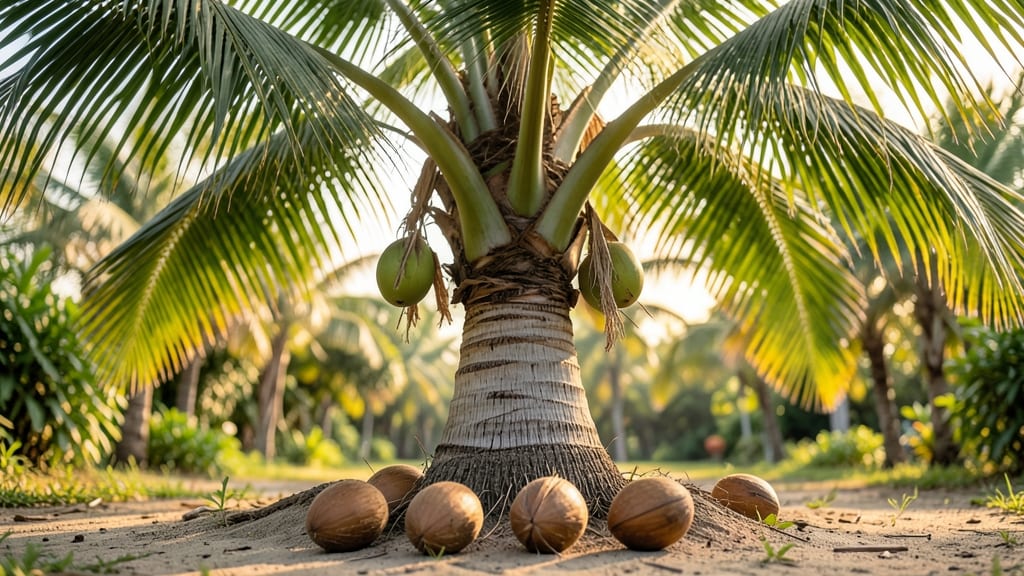
Growing edible palm trees in colder climates isn’t just possible—it’s a game-changer for year-round harvests. 🌿 I’ve pruned frost-resistant varieties like the cold-hardy windmill palm (Trachycarpus fortunei) through three winters, and the key is a year-round pruning schedule that keeps them healthy even when temperatures dip.
The trick isn’t just cutting back—it’s timing it right to avoid stressing the plant when it’s already struggling to survive.
You’ll need a few essentials: a sharp pruning saw (for thicker fronds), sterilized shears (for finer cuts), and a thick layer of mulch to protect the roots.
Choose a species that thrives in your zone—coconut palms (Cocos nucifera) need warmth, but date palms (Phoenix dactylifera) can handle brief freezes if you prune aggressively in late fall.
The goal is to remove dead fronds before they drain energy from the plant, while leaving enough foliage to photosynthesize through winter.
By spring, you’ll see new fronds emerging with vibrant green vigor, and the tree will reward you with edible sap, tender shoots, or even fruit—depending on the variety.
The pruning itself takes about 30 minutes per tree twice a year, but the payoff is a palm that outlasts frost and produces for decades. Even in containers, these palms thrive with the right care, making them perfect for patios or greenhouses in colder regions.
Here’s the catch: prune too late, and frost-damaged fronds stay attached, weighing down the tree. Prune too early, and you starve it of energy before winter. The balance is what turns a risky experiment into a foolproof tropical harvest, even in zones where most palms would freeze solid.
Let’s get those shears ready—your palm’s survival depends on it.
📚 In This Guide
- What you need
- Instructions
- Tips and common mistakes
- Wrapping up and next steps
What you need
- ○ Pruning saw or handsaw – A bypass pruning saw (8-10" blade) for clean cuts on thicker fronds (1/4"–1" diameter). Optional: A pole saw (12–18" blade) for high-reaching fronds.
- ● Heavy-duty gloves – Garden-grade leather gloves (size medium/large) to protect against sharp frond edges and potential sap irritation.
- ● Ladder or extension pole – A 6–10 ft. aluminum ladder (with non-slip feet) or a 12–15 ft. telescoping pole for tall palms (e.g., Sabal palmetto).
- ● Sharp pruning shears – Bypass shears (6–8" blade) for trimming smaller fronds or dead leaves.
- ● Disinfectant (70% isopropyl alcohol or bleach solution) – 1 part bleach to 9 parts water to sterilize tools between cuts and prevent disease.
- ● Heavy-duty trash bags (20–30 gallon) – For hauling away pruned fronds (2–3 bags per session, depending on palm size).
- ● Rake or leaf blower – A heavy-duty garden rake (for cleanup) or a leaf blower (to clear debris quickly).
- ● Burlap or frost cloth – 10x12 ft. burlap sheets or frost blankets to wrap young palms (<3 years old) during light freezes (28–32°F).
- ○ String lights or space heaters (outdoor-safe) – Optional: For microclimates in Zone 7–8, use LED string lights (wrapped around trunks) or a propane heater (placed 3+ ft. away) for brief warmth during overnight frosts.
- ● Mulch (pine straw or wood chips) – 2–3 inches of mulch around the base to insulate roots in winter.
- ● Clear workspace – Remove nearby obstacles (decor, hoses, pet areas) to avoid accidents.
- ● Sturdy footwear – Closed-toe shoes with grip soles (e.g., work boots or hiking shoes).
- ● Sun protection – Wide-brim hat, UV-blocking sunglasses, and sunscreen (SPF 30+) for outdoor work.
- ● Weather check – Prune on a dry, calm day (avoid wind or rain to prevent sap splatter and slips).
Step-by-step guide to pruning edible palm trees for cold hardiness
Cold climates demand careful pruning—here’s how to protect your palm’s productivity while keeping it alive through winter.
🌿 Step 1: Identify and Remove Dead or Damaged Fronds
Start by inspecting the palm from the base upward. Dead fronds appear brown, brittle, and completely dry—these are the first to go. I always prune these first because they’re not just unsightly; they also harbor pests and diseases that can spread to healthy tissue. Use clean, sharp pruners to sever the frond at the base where it meets the trunk.
Watch for fronds that are yellowing but still pliable—these may be dying but haven’t fully desiccated. If they’re still slightly green at the base, leave them for now. The goal is to remove only what’s clearly dead, as over-pruning weakens the palm’s energy reserves, which it’ll need for winter survival.
✂️ Step 2: Thin Out Crowded or Overlapping Fronds
Palms naturally grow in a circular pattern, and if fronds overlap or grow too densely, they create pockets where moisture lingers—inviting fungal infections. I focus on removing every other frond in crowded areas, starting from the outer edges and working inward. This improves airflow and sunlight penetration to the center of the plant.
Use your hand as a guide: if you can’t fit a closed fist between two fronds, they’re too close. Prune at the point where the frond attaches to the trunk, making a clean cut just above the growth ring. Avoid leaving stubs, as these can rot and become entry points for pathogens.
🌱 Step 3: Prune Flower Stalk and Seed Clusters Strategically
Edible palms like the Pindo or Canary Island date palm produce fruit on long stalks that emerge from the center. If you’re not harvesting for seed or propagation, remove these stalks entirely at the base. For palms bearing edible fruit, wait until after harvest to prune—leaving the stalk until it naturally dries helps the palm conserve energy.
Here’s the thing—if your palm is young or struggling, pruning flower stalks can stress it further. I only recommend removing them if the palm is established and healthy. For frost-prone areas, leave the stalks until late fall to give the palm extra carbohydrates stored in the fruit for winter survival.
☀️ Step 4: Prepare for Winter with a Light Structural Prune
Before the first frost, give your palm a final check for any fronds that are partially damaged or showing signs of stress. These may not be fully dead but are vulnerable to cold. Trim them back to the nearest healthy growth ring. This isn’t about aggressive pruning—think of it as tidying up to reduce the palm’s exposure to cold winds.
If your palm is in a container, move it to a sheltered location like a garage or against a south-facing wall. For in-ground palms, wrap the trunk loosely with burlap or a frost cloth if temperatures are expected to drop below 20°F. This isn’t a long-term solution, but it buys time for the palm to recover in spring.
⏰ Step 5: Schedule Post-Winter Recovery Pruning
Wait until late spring, after the last frost and when new fronds begin to unfurl, to assess any winter damage. You’ll notice dead fronds that may have missed your fall pruning—remove them immediately. This is also the time to prune any fronds that were partially damaged by frost but didn’t die completely.
Real talk: if more than 30% of the fronds are dead after winter, your palm may need extra care. Apply a balanced palm fertilizer in early summer to help it recover. Avoid heavy pruning in the first year after a cold snap—let the palm focus on regrowth before you start shaping it again.
Tips & tricks for pruning edible palm trees
Pruning palms in cold climates requires precision—here's how to avoid common mistakes that can stress your plant.
Tool Selection Matters: Invest in bypass pruners designed for thick stems, not regular garden shears. I learned this the hard way after struggling with dull tools that crushed fronds instead of making clean cuts. Sterilize your pruners with rubbing alcohol between cuts to prevent spreading diseases between healthy and damaged areas. The right tool makes all the difference when dealing with palm fibers that can dull blades quickly.
Seasonal Timing is Critical: The instructions mention late spring for post-winter recovery, but I can't stress enough how important it is to avoid pruning during extreme heat or drought periods. Palms already stressed by cold need time to recover before you remove any foliage. If you must prune during winter, limit yourself to removing only clearly dead fronds—never more than 30% of the total canopy at once. This preserves the palm's energy reserves for survival.
Visual Cues for Healthy Tissue: When deciding whether to prune a frond, look for the "V" shape where it meets the trunk. The growth ring at this junction marks where to make your cut. Healthy tissue will have a slight green tint at the base, while dead fronds will be completely brown and papery. If you're unsure, make a small test cut—healthy tissue will be firm, while dead tissue will crumble easily. This simple visual check prevents over-pruning.
Winter Protection Strategy: The 20°F threshold mentioned for frost cloth application is crucial, but here's what nobody tells you: wrap the trunk loosely, leaving space for air circulation. Too-tight wraps can trap moisture against the trunk, leading to rot. For container palms, use a wheelbarrow or insulated stand to elevate them slightly above ground level—this prevents root zone freezing. These small adjustments make the difference between a palm that survives and one that succumbs to winter stress.
Pro Tips for Edible Palm Tree
- Pruning palms in cold climates requires precision—here's how to avoid common mistakes that can stress your plant.
- Tool Selection Matters: Invest in bypass pruners designed for thick stems, not regular garden shears.
- Seasonal Timing is Critical: The instructions mention late spring for post-winter recovery, but I can't stress enough how important it is to avoid pruning during extreme heat or drought periods.
Frequently asked questions
Got questions about keeping your edible palm trees thriving year-round? Here are some of the most common concerns—and their answers—to help you prune like a pro, even in frost-prone climates.
Can edible palms survive frost, or do I need to prune differently?
Most edible palms, like Archontophoenix cunninghamiana (bamboo palm) or Trachycarpus fortunei (windmill palm), tolerate light frost (down to 15–20°F) with minimal damage. However, heavy frost (below 10°F) can harm fronds. Prune only dead or brown fronds in winter—avoid aggressive cuts, as new growth is frost-sensitive. Focus on preventative care: mulch the base, water deeply before hard freezes, and wrap trunks with burlap if needed.
When is the best time to prune edible palms for frost resilience?
The ideal window is late winter to early spring (just before new growth starts, around February–March in most climates). This gives the palm time to heal before summer heat stress. Never prune in fall—new shoots won’t harden off before winter. For frost-prone areas, a light prune in late winter (removing only damaged fronds) is safer than a heavy prune too close to cold snaps.
How do I tell if a palm frond is dead vs. just frost-damaged?
Use the scratch test: Gently scrape the frond’s underside with your fingernail. If it’s green beneath, it’s alive—just frost-stressed. If it’s brown or dry, it’s dead and should be removed. Dead fronds never recover and can harbor pests or disease. Cut them at the base of the trunk with clean, sharp pruners or a handsaw, leaving a 1-inch stub to prevent rot.
Are there non-edible palm alternatives that are frost-hardier?
Yes! If edible palms struggle in your climate, consider these frost-tolerant alternatives:
- Trachycarpus fortunei (Windmill Palm): Survives down to 5°F with minimal care.
- Chamaerops humilis (European Fan Palm): Thrives in USDA Zone 7 and below.
- Raphia farinifera (African Palm): Hardy to 20°F if mulched well.
What should I do if my palm’s trunk splits after frost?
Trunk splits are a red flag—they often signal internal rot or freeze damage. Act fast:
- Inspect the split: If it’s superficial, seal with pruning sealant or horticultural wax.
- If the split is deep or oozing, the palm may be beyond saving. Remove it to prevent disease spread.
- For minor cracks, apply a thick layer of mulch around the base to protect roots.
Wrapping up and next steps
From pruning techniques to frost-resistant care, edible palm trees offer a rewarding—and delicious—harvest when given the right attention. 🌿 Whether you're a seasoned gardener or a curious beginner, mastering these steps ensures your palms thrive year-round while delivering tasty rewards like hearts of palm and coconuts. Ready to take the next step? Start small: plant one palm, experiment with pruning, and watch your green thumb grow—literally!
Pro tip: 💡 Keep a pruning journal to track growth patterns and frost resilience—your future harvests will thank you!