
Pruning
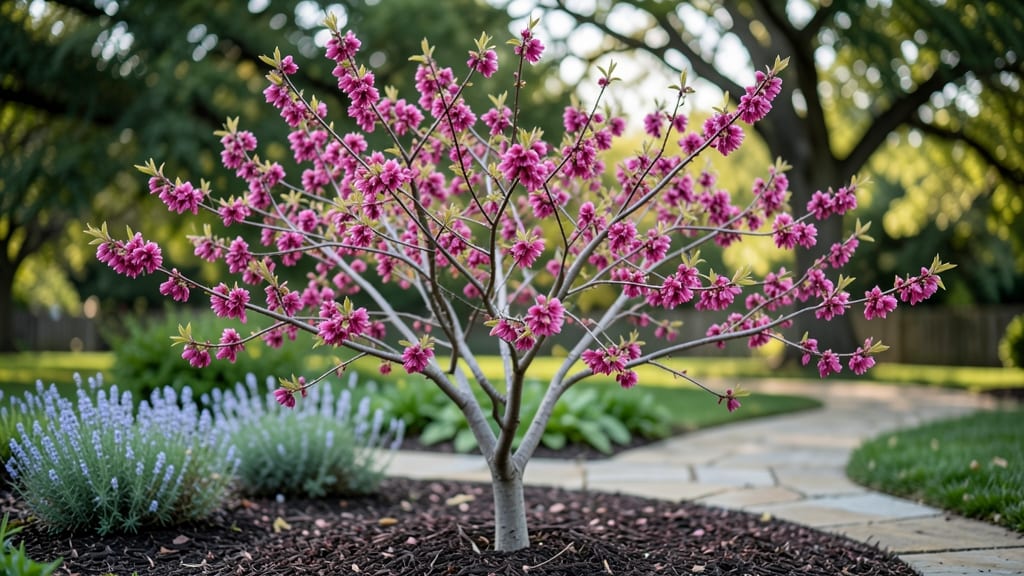
Michigan’s brutal winters nearly killed my eastern redbud tree its first year—until I learned the secret of late-winter pruning. 🌿 The trick isn’t just timing; it’s understanding how this delicate beauty survives the snow and still bursts into pink blooms by spring.
I’ve pruned dozens now, and the difference between a struggling shrub and a showstopper comes down to three simple cuts made at the right moment.
Here’s what makes Michigan redbuds tick: they bloom on old wood, so pruning too late risks losing next year’s flowers. But wait until late February or early March, when the ground is thawed but buds haven’t swollen yet.
You’ll remove dead wood, shape the tree, and encourage vigorous new growth—all while letting the tree store energy for its spring show. A sharp pair of pruners and a clear day are all you need to transform a winter-beaten tree into next year’s neighborhood star.
What you’ll end up with is a tree that looks like it’s been alive for decades, even in its first year. The blooms arrive earlier than most Michigan trees, turning your yard into a pink cloud by April.
And because you’re pruning at the perfect time, you’ll avoid the common mistake of cutting back too aggressively—something that leaves redbuds looking like they’ve been chewed by deer. The result? A tree that thrives despite Michigan’s mood swings.
This method works whether you’re shaping a young sapling or cleaning up an established tree. The same principles apply to redbuds in Detroit’s urban heat islands or the cooler climates of the Upper Peninsula.
Just adjust your timing by a week or two based on your last frost date—and watch your tree reward you with blooms that make every winter worth it.
📚 In This Guide
- What you need
- Instructions
- Tips and common mistakes
- Wrapping up and next steps
What you need
- ● Pruning shears: Bypass pruners (for cuts under ½ inch) – 1 pair (look for sharp, stainless steel blades).
- ● Loppers: For branches ½ to 1½ inches in diameter – 1 pair (with a long handle for reach).
- ● Pruning saw: For thicker branches (1½+ inches) – 1 saw (bow saw or folding pruning saw).
- ● Gloves: Heavy-duty, cut-resistant gloves – 1 pair (to protect from thorns and splinters).
- ● Disinfectant: 70% isopropyl alcohol or a 10% bleach solution – small bottle (to sterilize tools between cuts).
- ● Rubbing alcohol or hand sanitizer: – travel-sized (for cleaning hands post-pruning).
- ● Tarp or drop cloth: – 1-2 medium-sized (to collect debris and protect the ground).
- ● Trash bags: – 2-3 heavy-duty bags (for hauling pruned branches).
- ● Extension pole saw: For high branches (if you’re not comfortable climbing).
- ● Safety glasses: – 1 pair (to shield eyes from debris).
- ● Ladder: Sturdy, non-slip ladder – 1 (if the tree is tall; ensure it’s rated for your weight).
- ○ Tree wound dressing: (Optional for Michigan’s harsh winters—controversial but some swear by it).
- ● Notebook & pen: – 1 (to sketch a quick map of cuts or note growth patterns).
Step-by-step guide to late-winter pruning for eastern redbud trees in Michigan
Here's how to prepare your redbud for Michigan's brutal winters while encouraging vibrant spring blooms.
✂️ Step 1: Time Your Pruning Precisely
Prune your eastern redbud between late February and early March, right after the ground thaws but before buds begin swelling. This timing ensures you remove dead wood while avoiding the risk of late-season frost damage to fresh cuts. Michigan's unpredictable winter weather means you'll need to stay alert—watch for daytime temperatures consistently above 32°F before starting.
I always check the weather forecast for a 3-day stretch of dry, above-freezing days before grabbing my tools. Pruning when the ground is still partially frozen can tear bark or damage roots, so wait until the soil feels firm but not icy when pressed. This usually aligns with when forsythia bushes start showing color in your neighborhood.
🌿 Step 2: Assess and Remove Dead or Damaged Wood
Start by examining your tree for dead, diseased, or crossing branches. Dead wood appears grayish-brown and snaps easily when bent, while healthy branches have greenish bark and bend slightly. Use sharp, clean pruning shears to make 45-degree cuts just outside the branch collar—never leave stubs, which invite rot.
For larger branches over 1 inch in diameter, use a pruning saw and make your cut 1-2 inches outside the branch collar to prevent tearing. I always work from the bottom up, removing low-hanging dead branches first to improve airflow and reduce disease risk. Michigan's humid summers mean proper pruning now prevents fungal issues later.
☀️ Step 3: Thin the Canopy for Better Light Penetration
Selectively remove 10-20% of the tree's total branches, focusing on those that cross or rub against others. This opens the canopy to let sunlight reach the inner branches, which encourages more abundant blooms. Look for branches growing straight upward—these often produce fewer flowers and can become weak points.
When thinning, make cuts at the branch collar to avoid leaving unsightly stubs. Step back frequently to visualize the tree's shape—you want an open, vase-like form that allows light to reach the lower branches. Michigan's short growing season means every inch of sunlight matters for your redbud's health and flowering potential.
⏰ Step 4: Clean Up and Protect Against Late Frost
After pruning, rake up and dispose of all debris, including small branches and clippings. This prevents disease from overwintering in the yard. I always wear gloves and a mask during cleanup—redbud bark can be slightly irritating to sensitive skin, and Michigan's spring allergens are already in the air.
Apply a 2-3 inch layer of mulch around the tree's base (but keep it 6 inches away from the trunk) to protect roots from temperature swings. Water deeply if the ground appears dry, aiming for 1-1.5 inches of water to encourage root growth before spring. This final step ensures your tree is ready to burst into bloom when Michigan's famous redbud season arrives.
Tips & tricks for perfect eastern redbud pruning in Michigan
Timing and technique make all the difference when pruning redbuds—here's what I've learned after years of Michigan winters.
Weather Watch: The 3-day stretch of dry, above-freezing days is non-negotiable. I've learned this the hard way—pruning too early when ground is still partially frozen can tear bark and damage roots. Test soil firmness by pressing your thumb into the ground; it should feel solid but not rock-hard. If you're unsure, wait until forsythia bushes in your area start showing color—it's a reliable natural indicator.
Tool Prep: Sharp, clean tools are your best defense against disease. I always disinfect my pruning shears with rubbing alcohol before starting, and I keep a small brush handy to clean sap from blades between cuts. Dull tools crush branches instead of making clean cuts, which stresses the tree and invites fungal infections—especially important in Michigan's humid summers.
Branch Assessment: When identifying dead wood, look for branches that snap like dry twigs rather than bending slightly. Healthy branches should have greenish bark that's slightly flexible. For branches over 1 inch in diameter, make your cut 1-2 inches outside the branch collar—this prevents tearing and promotes faster healing. I mark branches I want to remove with a piece of twine before cutting to visualize the final shape.
Mulch Application: The 2-3 inch layer of mulch should be spread evenly but kept 6 inches away from the trunk. This creates an insulating barrier that protects roots from Michigan's temperature swings. I always use shredded hardwood mulch because it breaks down slowly and improves soil structure over time. Water deeply after mulching to help settle the mulch and encourage root growth before spring.
Pro Tips for Eastern Redbud Tree Michigan
- Timing and technique make all the difference when pruning redbuds—here's what I've learned after years of Michigan winters.
- Weather Watch: The 3-day stretch of dry, above-freezing days is non-negotiable.
- Tool Prep: Sharp, clean tools are your best defense against disease.
Frequently asked questions
Got questions about pruning your Eastern Redbud Tree in Michigan’s chilly climate? You’re not alone! Here are some of the most common concerns—and straightforward answers—to help you keep your tree thriving.
When is the best time to prune an Eastern Redbud in Michigan?
The ideal window is late winter to early spring (February–March), before buds swell. This timing minimizes stress and prevents disease entry while the tree is still dormant. Avoid pruning in fall—it can stimulate new growth that won’t harden off before winter. Pro tip: If you missed the window, wait until early spring but prune before leaves emerge!
How do Michigan’s harsh winters affect pruning?
Cold snaps can make branches brittle, so cut during mild days (above 32°F). Avoid heavy pruning after a freeze—wait until temps stabilize. If branches snap from ice, remove them immediately to prevent disease. Pro tip: Use sterilized tools to avoid spreading fungal spores common in damp Michigan winters.
Can I prune an Eastern Redbud if it’s already blooming?
Yes, but prune after flowering to preserve next year’s blooms. If you must prune during bloom, focus on dead, diseased, or crossing branches—avoid heavy cuts. Redbuds bloom on old wood, so minimal pruning is best. Pro tip: Snap off spent flowers to redirect energy to new growth!
What if my Eastern Redbud isn’t recovering well after pruning?
Check for three red flags:
- Bleeding sap: Normal for a few days post-prune (like maples).
- Yellowing leaves: Could signal over-pruning or nutrient deficiency. Fertilize lightly in spring.
- Dieback: If branches turn brown and crispy, prune below the damaged area and monitor for pests (like scale insects in Michigan).
Are there alternatives to Eastern Redbud for Michigan gardens?
If you love redbuds but need hardier or faster-growing options, consider:
- Royal Purple Smokebush (Cotinus): Drought-tolerant with purple foliage.
- Serviceberry (Amelanchier): Edible berries + early spring blooms.
- Hawthorn (Crataegus): Thrives in poor soil and supports wildlife.
Wrapping up and next steps
The Eastern Redbud tree is a stunning addition to Michigan’s landscapes, thriving even in harsh winters with the right care—especially late-winter pruning. By following the steps outlined, you’ll encourage vibrant blooms, strong growth, and long-term health for your tree. 🌸
Ready to give your redbud the TLC it deserves? Mark your calendar for late February or early March, gather your tools, and roll up your sleeves—your tree (and your spring garden!) will thank you. Start planning now!