
Trees
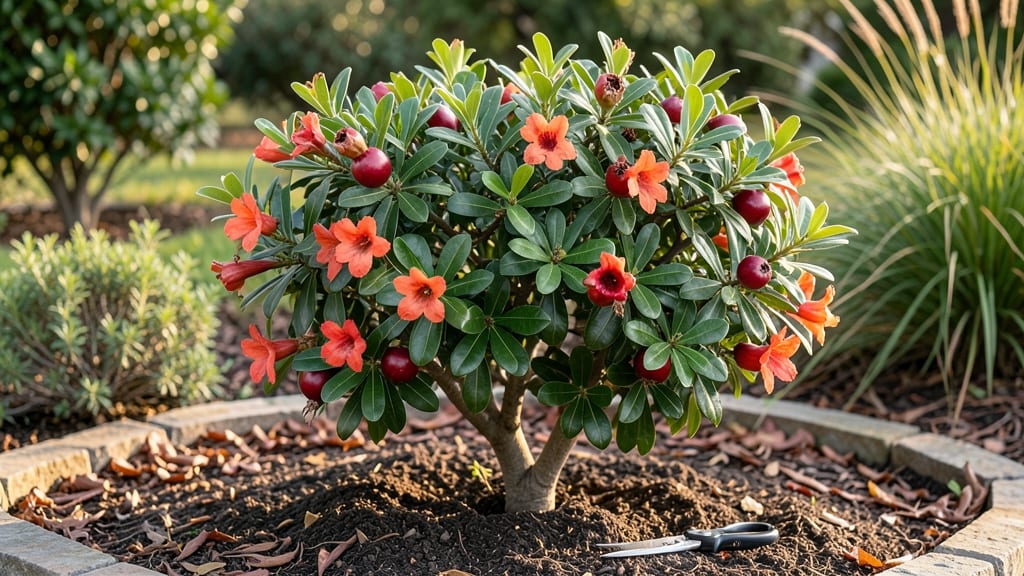
Growing a dwarf pomegranate tree in the Pacific Northwest means you can finally enjoy its ruby-red fruit without fear of winter wipeouts. 🌟 I’ve watched mine survive our damp, cool summers and chilly winters—proof that these compact trees thrive where others fail.
The key? Choosing the right variety and giving it the care it craves.
You’ll need well-draining soil, at least 6 hours of sunlight daily, and a spot sheltered from harsh winds. Plant in early spring when the soil warms, and mulch heavily to protect roots from frost.
Water deeply but infrequently—these trees hate soggy feet—and fertilize lightly in early spring to encourage blooms. Prune in late winter to shape the tree and remove dead wood, but avoid heavy cuts that stress the plant.
By summer, you’ll be rewarded with clusters of vibrant flowers followed by sweet-tart fruit. The trees also shine as ornamentals, with glossy leaves and striking bark. Even if the fruit doesn’t set perfectly, the foliage and winter interest make them worth growing.
With the right care, your dwarf pomegranate will reward you for years to come.
Here’s where it gets interesting—these trees handle our region’s quirks better than most. Just watch for aphids in spring and fruit drop in hot spells, and you’ll avoid the most common pitfalls. Ready to grow one that outlasts the weather?
📚 In This Guide
- What you need
- Instructions
- Tips and common mistakes
- Wrapping up and next steps
What you need
- ● Dwarf pomegranate tree (look for cold-hardy varieties like 'Wonderful' or 'Eversweet'—check local nurseries for PNW-specific options).
- ● Well-draining potting mix (5–10 gallons, depending on pot size). Pro tip: Mix in perlite or sand (20%) for better drainage.
- ● Container or raised bed: Minimum 15–20 gallon pot (for dwarf varieties).
- ● Or a raised bed (3’x3’ minimum) if planting in-ground.
- ● Organic fertilizer (balanced 10-10-10 or citrus-specific blend).
- ● Mulch (2–3 inches of wood chips or straw to protect roots).
- ● Drip irrigation or soaker hose (to keep soil consistently moist but not soggy).
- ● Pruning shears (sterilized, sharp blades for shaping and frost prep).
- ● Frost cloth or row covers (for young trees or late-season freezes).
- ● Tree support stake (if planting in windy areas).
- ● Citrus-specific micronutrients (zinc or iron supplements for yellowing leaves).
- ● Self-watering system (for busy growers or summer droughts).
- ● Pomegranate pollination aid (hand-pollinate with a small brush if bees are scarce).
- ● Grow lights (for indoor overwintering or early starts).
Step-by-step instructions for planting and caring for dwarf pomegranate trees
Here's how to establish a thriving dwarf pomegranate in your Pacific Northwest garden.
🪴 Step 1: Choose the Perfect Planting Spot
Dwarf pomegranates need 6-8 hours of direct sun daily, so pick a south-facing location where they'll get maximum warmth. In the PNW, afternoon shade helps prevent sunburn during hot spells. The soil should drain well—these trees hate soggy roots, so avoid low spots where water pools.
I always dig a hole twice as wide as the root ball but only as deep. This encourages roots to spread outward instead of settling too low. Amend the native soil with a mix of compost and coarse sand if it feels heavy or clay-like. The goal is loose, airy soil that won't compact around the roots.
🌱 Step 2: Plant with Proper Spacing and Support
Space your dwarf pomegranate 6-8 feet apart to allow airflow and future growth. These trees grow slowly but will eventually reach 6-10 feet tall, so plan for mature size. I like to plant mine near a sturdy fence or trellis for support—they produce heavy fruit that can bend branches.
Remove the tree from its container and gently loosen any circling roots. Place it in the hole so the top of the root ball sits 1 inch above soil level. Backfill with native soil mixed with compost, tamping lightly as you go. Water deeply to settle everything, then add 2-3 inches of mulch around the base, keeping it 3 inches away from the trunk to prevent rot.
☀️ Step 3: Water and Fertilize for First-Year Establishment
Water your new dwarf pomegranate deeply once a week during the first growing season, aiming for 1-2 gallons per tree. The soil should stay consistently moist but not waterlogged. You'll know it's right when the top 2 inches feel damp but the surface dries slightly between waterings.
In early spring, apply a balanced 10-10-10 fertilizer around the drip line, following package instructions. These trees are light feeders, so too much nitrogen will encourage leafy growth at the expense of fruit. I also side-dress with a handful of granular organic fertilizer in late summer to support fruit development for next year.
✂️ Step 4: Prune for Shape and Winter Hardiness
Prune your dwarf pomegranate in late winter or early spring before new growth begins. Remove any dead, crossing, or weak branches first, then thin out interior growth to improve airflow. I always cut back any branches that grew too vigorously last year—they'll produce better fruit with less competition.
For PNW winters, prune to open the center of the tree and reduce wind exposure. If you live in a colder microclimate, wrap the trunk with burlap or tree guard to protect it from freezing temperatures. Dwarf pomegranates can handle 15-20°F with proper care, but younger trees benefit from extra insulation during their first few winters.
Tips & tricks for perfect dwarf pomegranate care
Here's what I've learned after watching these hardy trees thrive in Pacific Northwest climates.
Sunlight Strategy: Those 6-8 hours of sun are non-negotiable, but don't panic if your spot gets afternoon shade. The PNW's cooler summers mean trees can handle more shade than you'd expect—just ensure morning sun for maximum fruit production. I've seen trees thrive with 5-6 hours when protected from hot afternoon rays.
Soil Prep Secret: The compost and coarse sand mix is your foundation for success. If your native soil is particularly heavy, add perlite to improve drainage further. I always test soil moisture by pressing my finger 2 inches down—it should feel damp but not soggy after watering.
Winter Protection: For temperatures dipping below 15°F, I double up on protection by wrapping the trunk with burlap AND adding a thick layer of straw mulch around the base. This creates an insulated zone that can make all the difference in harsh PNW winters.
Fertilizer Timing: That late summer side-dressing of granular organic fertilizer is crucial for next year's fruit development. I use a slow-release formula to avoid nitrogen overload, which can weaken roots. Think of it as giving your tree a winter food stash!
Pro Tips for Dwarf Pomegranate Tree
- Here's what I've learned after watching these hardy trees thrive in Pacific Northwest climates.
- Sunlight Strategy: Those 6-8 hours of sun are non-negotiable, but don't panic if your spot gets afternoon shade.
- Soil Prep Secret: The compost and coarse sand mix is your foundation for success.
Frequently asked questions
Got questions about growing a dwarf pomegranate tree in the Pacific Northwest? You’re not alone!
Here are answers to the most common concerns—from frost survival to harvest timing—so you can grow this vibrant fruit with confidence.
How cold can a dwarf pomegranate tree tolerate?
A frost-resistant dwarf pomegranate (like Punica granatum ‘Wonderful’) can handle down to 15°F (-9°C) with proper care. Young trees or tender buds may need burlap wraps or mulch in harsh winters. Plant in sheltered spots (e.g., near south-facing walls) to boost survival rates.
When should I expect fruit from a dwarf pomegranate tree?
Patience is key! Dwarf pomegranates typically take 2–3 years to bear fruit after planting. With ideal conditions (full sun, well-draining soil, and consistent watering), you might see small, tart-sweet fruits by year 2. Prune lightly in late winter to encourage blooms.
Can I grow a dwarf pomegranate in a container?
Dwarf varieties thrive in 15–20 gallon pots with drainage holes. Use fast-draining potting mix (like cactus/succulent blend) and move containers indoors or to a garage during freezes below 20°F (-7°C). Just ensure it gets 6+ hours of sunlight daily.
What pests should I watch for on my dwarf pomegranate?
Keep an eye out for aphids, spider mites, and scale insects—common in PNW summers. Treat infestations early with neem oil or insecticidal soap. Birds love the fruit too, so use netting if they’re a nuisance. Healthy trees (watered but not soggy) resist pests better!
How do I prune a dwarf pomegranate for better fruit?
Prune in late winter (before buds swell) to remove dead wood and shape the tree. Cut back overly leggy branches by 1/3 to encourage bushiness. Avoid heavy pruning in fall—it can stress the tree before winter. Thin out crowded branches to improve airflow and fruit size.
Are dwarf pomegranates self-pollinating?
Most dwarf varieties are self-pollinating, but cross-pollination can boost yields. If you have multiple trees nearby (even different varieties), fruit production may improve. Hand-pollinate by gently shaking branches on calm days if flowers aren’t attracting bees.
Wrapping up and next steps
Growing a dwarf pomegranate tree in the Pacific Northwest is not only possible but rewarding—especially with its frost-resistant varieties! 🌱 With the right soil, sunlight, and care, you’ll enjoy vibrant blooms, sweet arils, and a compact tree that fits any garden.
Whether you’re a beginner or a seasoned gardener, this resilient plant offers beauty and bounty year after year.
Ready to take the next step? Plant your dwarf pomegranate this season and watch your garden thrive! For extra tips, check out local PNW gardening groups or nurseries specializing in cold-hardy varieties. Happy growing! 🌟