
Pruning
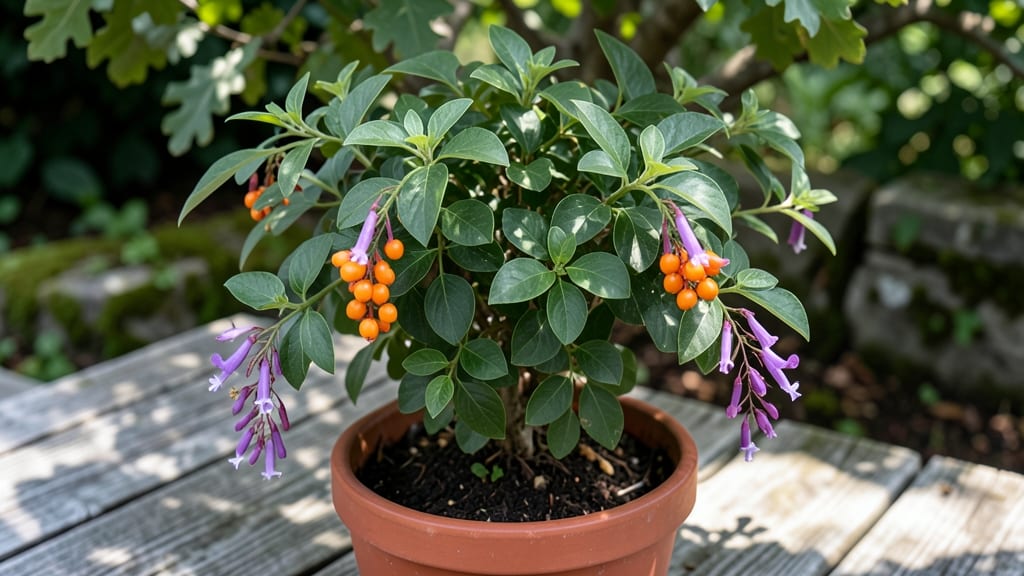
A duranta patio tree brings bold purple blooms and glossy foliage to Pacific Northwest patios—where winter frost tests even the toughest plants.
I’ve pruned mine every year since moving here, and the secret to keeping it lush isn’t complicated: it’s all about timing, cuts, and protecting those tender new shoots when temperatures dip. The flowers alone make it worth the effort, but the way it fills small spaces without sprawling?
That’s the real magic.
This isn’t your grandmother’s hedge plant—duranta thrives in containers, along borders, or as a standalone specimen.
In my 5-gallon pots on the deck, it blooms from June through September, even when nights drop into the 40s. The key is pruning after the first frost to shape it for spring, while still leaving enough growth to protect the roots from cold snaps.
Pair it with lavender or rosemary, and you’ve got a low-maintenance combo that smells amazing and repels pests.
By late spring, your pruned duranta will burst with vibrant purple clusters that hummingbirds can’t resist. The leaves stay glossy all summer, and with the right cuts, you can keep it at a manageable height—ideal for patios where space is tight.
The best part? It’s one of the few tropical-looking plants that actually survives our winters with minimal fuss. Just don’t let it get waterlogged, and you’re golden.
Works just as well in ground beds or large containers, making it perfect for urban yards, balconies, or even as a focal point near entryways. Once you’ve mastered the pruning rhythm, it becomes the star of your outdoor space—no green thumb required, just a little patience and the right timing.
📚 In This Guide
- What you need
- Instructions
- Tips and common mistakes
- Wrapping up and next steps
What you need
- ● Duranta tree (Duranta erecta) – A healthy, mature specimen (3+ years old) for optimal pruning results.
- ● Pruning shears – Bypass pruners (sharp, 6-8" blades) for clean cuts on small branches.
- ● Loppers – Long-handled (24-36") for thicker branches (½"–1.5" diameter).
- ● Pruning saw – For branches over 1.5" in diameter (avoid bolt cuts).
- ● Disinfectant (70% isopropyl alcohol or bleach solution) – 1 part bleach to 9 parts water to sterilize tools between cuts.
- ● Garden gloves – Cut-resistant, breathable (e.g., nitrile-coated for thorns).
- ● Twine or zip ties – For securing heavy branches during pruning.
- ● Ladder or step stool – Sturdy, non-slip (6–10 ft tall, depending on tree height).
- ○ Sharpie or masking tape – To mark branches for removal (optional but helpful!).
- ● Trash bags or compost bin – For pruned branches (check local composting rules!).
- ○ Tree wound paint (optional) – Only for large cuts >2" diameter (controversial—skip if unsure!).
- ● Water spray bottle – To clean tools mid-pruning and keep cuts moist.
- ● Weather check – Prune on a dry, mild day (40–70°F) to avoid stressing the tree.
- ● Safety first! – Wear closed-toe shoes and avoid pruning near power lines.
- ● Tree health assessment – Inspect for diseased or dead branches (prune those first!).
- ● Plan your cuts – Sketch a rough outline of branches to remove for open airflow and sunlight.
Step-by-step guide to pruning your duranta patio tree
Here's how to keep your frost-hardy patio tree thriving in the Pacific Northwest's cooler climate.
Time Your Pruning for Optimal Growth
Prune your duranta in late winter to early spring, just as new growth begins. This is when the plant is still dormant but starting to wake up—perfect timing for shaping without stressing it. Avoid pruning in fall or early winter, as new growth won't have time to harden off before frost.
If you notice leggy growth or overcrowded branches during the growing season, you can do a light trim to encourage bushier growth. But save major pruning for that late winter window. You'll see fresh, vibrant shoots emerge within a few weeks of pruning, signaling the plant is responding well.
Use the Right Tools and Techniques
Grab your sharp, clean pruning shears and disinfect them with rubbing alcohol before you start. Duranta branches can be tough, so avoid dull tools—they crush stems instead of making clean cuts. Cut just above a leaf node or bud, at a 45-degree angle, to encourage new growth from that spot.
Remove any dead, diseased, or crossing branches first. These are the easiest to spot—they're brown, brittle, or growing inward. Next, thin out crowded branches to improve airflow, which helps prevent fungal issues. You'll notice the tree's structure opens up, letting light reach the center more easily.
Shape for Frost Resistance and Aesthetics
Duranta handles pruning well, so you can shape it into a compact patio tree. Focus on removing up to one-third of the plant's total volume in one session. Cut back longer branches to half their length, leaving a strong bud or leaf node where new growth will sprout.
For a fuller look, trim the outer branches slightly more than the inner ones. This encourages growth toward the center. In the Pacific Northwest, where frosts can linger, avoid heavy pruning too late in the season—you want the plant to establish new growth before cold sets in.
Post-Pruning Care for Strong Recovery
Water your duranta deeply after pruning to help it recover. The roots need moisture to support new growth, especially if you've removed a significant portion of the foliage. Avoid fertilizing right after pruning—wait until new shoots appear, usually in 4-6 weeks.
Keep an eye on the pruned areas for 2-3 weeks. If you see any oozing sap or unusual discoloration, it could signal stress or infection. Most durantas bounce back quickly, but if a branch looks particularly damaged, trim it back further to a healthy section. You'll see fresh green leaves emerging from the cut areas within a few weeks.
Tips & tricks for perfect duranta patio tree pruning
Here's what I wish I knew when I first pruned my duranta—these tricks make all the difference in the Pacific Northwest's tricky climate.
Timing is Everything: The late winter to early spring window is critical because it's when your duranta is just waking up from dormancy. I learned this the hard way after pruning too early in winter—my tree struggled to recover before the next frost. If you miss this window, wait until you see those first tiny green buds pushing through. That's your cue to get pruning!
Tool Prep Prevents Problems: Sharp, clean pruning shears aren't just about making neat cuts—they're about plant health. I always disinfect my tools with rubbing alcohol before starting. This prevents spreading any fungal spores or bacterial infections between cuts. And remember that 45-degree angle? It's not just for looks—it helps water run off the cut and reduces the chance of disease entering the plant.
Shape Smart for Frost Resistance: When you're cutting back those longer branches to half their length, think about how this affects frost protection. The inner branches you leave will be more protected from cold winds, while the outer shape helps snow slide off more easily. I also make sure to leave those strong leaf nodes—these are where your new growth will emerge, and they're more resilient against late frosts that can still hit the PNW.
Post-Pruning Care Makes All the Difference: That deep watering after pruning isn't just a suggestion—it's essential. I've seen trees recover beautifully after heavy pruning because of this step. And here's a trick: if you're worried about stress, you can give your duranta a light foliar spray with water after pruning. It helps reduce transpiration while the plant focuses on recovering. Just avoid fertilizing—your tree's energy should go to healing, not feeding new growth.
Pro Tips for Duranta Patio Tree
- Here's what I wish I knew when I first pruned my duranta—these tricks make all the difference in the Pacific Northwest's tricky climate.
- Timing is Everything: The late winter to early spring window is critical because it's when your duranta is just waking up from dormancy.
- Tool Prep Prevents Problems: Sharp, clean pruning shears aren't just about making neat cuts—they're about plant health.
Frequently asked questions
How cold can duranta trees handle before frost damage?
Duranta trees (Duranta erecta) are moderately frost-resistant but struggle below 20°F (-6°C). In the PNW, young trees may need winter protection like burlap wraps or mulch. Mature plants often recover if pruned back after light frost—just avoid heavy pruning until spring to prevent dieback.
When’s the best time to prune duranta in the Pacific Northwest?
Prune late winter or early spring (Feb–March) before new growth starts. This encourages healthy blooms and dense foliage. Avoid pruning in fall or winter—it can stress the tree and leave it vulnerable to frost. Thin out overgrown branches first, then shape as needed.
Why are my duranta leaves turning yellow or dropping?
Yellow leaves often signal overwatering, underwatering, or nutrient deficiency. Check soil moisture—duranta prefers well-draining soil. If roots are soggy, improve drainage. For yellowing edges, fertilize lightly with a balanced 10-10-10 mix in early spring. Fungal issues? Prune affected areas and avoid wetting foliage.
Can I grow duranta in containers for a patio, or does it need ground planting?
Yes! Duranta thrives in large containers (15+ gallons) with drainage holes. Use lightweight potting mix and repot every 2–3 years. Move pots indoors or to a sheltered spot if temps drop below 30°F (-1°C). Just ensure it gets 6+ hours of sun daily—patio or balcony works!
How do I encourage more flowers on my duranta tree?
For bigger, brighter blooms, prune spent flowers (deadheading) and lightly trim leggy growth in spring. Feed with low-nitrogen fertilizer (5-10-10) in early spring. Full sun (6+ hours) and regular watering (but not soggy soil) also boost flowering.
What’s the quickest way to protect duranta from PNW frost?
Wrap the base and branches in burlap or frost cloth, then pile mulch (4–6 inches) around the root zone. For potted duranta, move to a garage or under eaves. Avoid plastic—it traps moisture and can burn leaves. Water deeply before frost to prevent root stress.
Wrapping up and next steps
The Duranta patio tree is a resilient, frost-resistant beauty perfect for Pacific Northwest gardens—when pruned with care! With the right tools, timing, and techniques, you’ll keep it lush, blooming, and thriving year after year. 🌿✨
Ready to transform your outdoor space? Grab your pruners, mark your calendar for late winter or early spring, and get pruning! Your Duranta will thank you with vibrant blooms and lush foliage for seasons to come.