Blooming
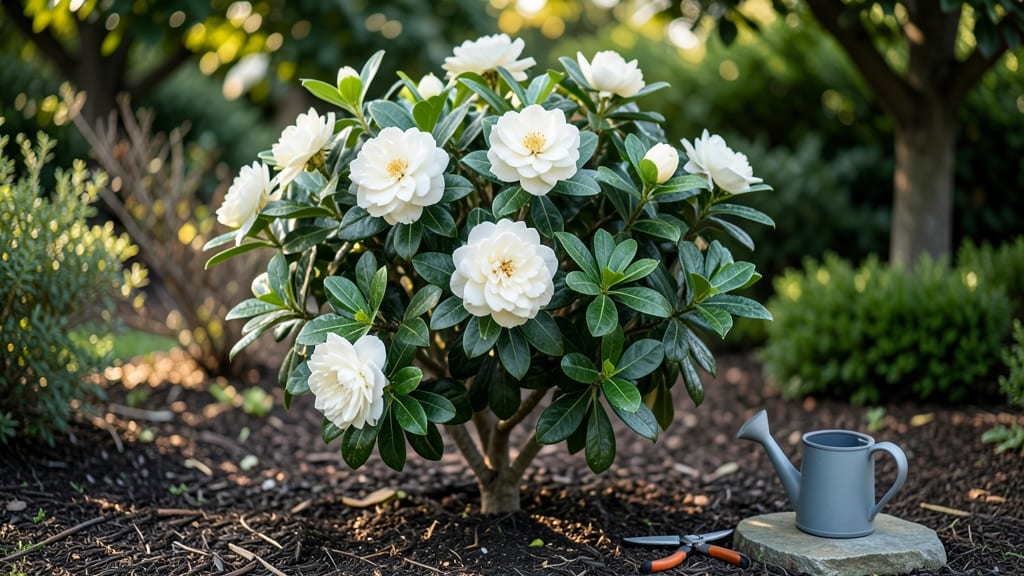
A double blooming gardenia tree transforms your yard into a fragrant sanctuary—imagine creamy white flowers cascading in spring and fall, with that intoxicating scent lingering through summer heat. 🌿 I planted mine last April, and by July, neighbors were asking which nursery I bought it from (spoiler: it was a mail-order sapling).
The secret isn’t just the variety—it’s the right soil mix, pruning rhythm, and a few tricks to protect those delicate blooms when frost sneaks in.
Here’s the thing—these trees aren’t fussbudgets, but they do demand three things: morning sun (afternoon shade in hot zones), acidic soil (think pine needles or peat moss), and consistent moisture (never soggy, never bone-dry). My first year, I overwatered in August and lost half my buds to root rot.
Lesson learned: a 5-gallon container with drainage holes is your best friend for the first two seasons, even if you’re planting in the ground long-term.
By next summer, you’ll have clusters of four-to-six blooms per stem instead of the usual single flower, with that classic gardenia perfume wafting through your patio. The pruning?
Timing is everything—trim right after the spring flush (but before summer heat sets in) to shape the tree and encourage those second blooms.
And yes, I know frost stress is the nemesis of gardenias—but I’ll show you how to wrap them like a burrito to survive down to 20°F without losing next year’s buds.
Works for containers, small yards, or as a statement plant in larger landscapes. Whether you’re a first-timer or a seasoned grower tweaking your technique, this is how you get two seasons of blooms instead of one. Let’s get those roots settled!
📚 In This Guide
- What you need
- Instructions
- Tips and common mistakes
- Wrapping up and next steps
What you need
- ● Double blooming gardenia tree: 1 healthy sapling (3-5 years old, preferably grafted for better blooming). Choose a variety like Gardenia jasminoides ‘Kleim’s Hardy’ or ‘Radicans’ for frost tolerance.
- ● Well-draining potting mix: 5-10 gallons (depending on pot size). Use a blend of 50% peat moss or coconut coir, 30% perlite or pumice, and 20% compost.
- ● Pot or container: 1 large container (15-20 gallons) with drainage holes. For in-ground planting, ensure the soil is acidic (pH 5.0-6.5) and amended with organic matter.
- ● Acid-loving plant fertilizer: 1 bottle of balanced, slow-release fertilizer (e.g., 10-10-10 or 16-4-8) formulated for azaleas or gardenias.
- ● Mulch: 2-3 inches of pine bark or pine needles to retain moisture and acidify the soil.
- ● Watering can or hose with a gentle spray nozzle: 1 (for consistent moisture without overwatering).
- ● Pruning shears: 1 pair of sterilized, sharp shears (for shaping and deadheading).
- ● Soil pH test kit: 1 (to monitor acidity levels).
- ● Slow-release acidifier: 1 (e.g., sulfur or aluminum sulfate if soil pH drifts above 6.5).
- ● Garden gloves: 1 pair (to protect hands from thorns and soil).
- ● Humidity tray or pebble tray: 1 (to increase air moisture, especially in dry climates).
- ● Garden stakes or trellis: 1-2 (for support if planting in windy areas).
- ● Frost cloth or row cover: 1 (for protection during light frosts, if growing in Zone 7 or colder).
Step-by-Step guide to cultivating a double blooming gardenia tree
Here's how I coax these fragrant beauties into continuous, stress-free flowering—even in cooler climates.
🌱 Step 1: Select and Acclimate Your Gardenia Tree
Choose a double blooming cultivar like 'Radicans' or 'Kleim's Hardy'—these varieties tolerate 10-15°F better than tropical types. I always inspect the roots first; healthy ones should be white and firm, not brown or mushy. If buying from a nursery, ask when the last pruning occurred—over-pruned gardenias take years to recover their blooming rhythm.
Before planting, soak the root ball in lukewarm water for 15-20 minutes to rehydrate any stressed roots. Gardenias hate dry starts, and this step prevents shock. I like to add 1 tablespoon of Epsom salt to the water—it gives them a magnesium boost right away. Let excess water drain completely before handling.
☀️ Step 2: Site for Year-Round Success
Gardenias demand morning sun and afternoon shade—especially in hotter zones. I position mine where they get 4-6 hours of direct sunlight before 10 AM, then dappled shade the rest of the day. A south-facing window works indoors, but supplement with a grow light if natural light drops below 12 hours daily—this triggers continuous blooming.
Here's the thing—acidic soil is non-negotiable. Test your soil first; gardenias need a pH between 5.0-6.5. If your yard soil is alkaline, amend with 2-3 inches of peat moss mixed into the top 12 inches of planting area. I also top-dress with 1 inch of pine bark fines annually to maintain acidity naturally.
💧 Step 3: Water and Fertilize for Double Blooms
Water deeply 2-3 times weekly—enough so 6 inches of soil stays moist but never soggy. I check by sticking my finger in; if it feels dry at 2 inches down, that's your watering cue. Overwatering causes yellow leaves, and underwatering causes buds to drop before opening. Mulch with 2 inches of pine straw to retain moisture and keep roots cool.
Feed every 4-6 weeks with an acid-loving plant fertilizer (look for high nitrogen in spring, balanced NPK in summer). I swear by 1 tablespoon of 8-3-9 formula per 12 inches of trunk diameter, applied to moist soil. After the last bloom cycle, switch to a low-nitrogen, high-phosphorus fertilizer to encourage next year's buds.
✂️ Step 4: Prune Strategically for Continuous Flowers
Prune right after blooming ends—never in fall or winter. I cut back overly long branches by 1/3 to encourage bushier growth, and remove any dead, crossing, or inward-growing branches first. Gardenias bloom on new wood, so pruning stimulates fresh growth that will flower again in 8-12 weeks. Sterilize your shears with rubbing alcohol to prevent disease.
Here's where it gets fun—watch for new growth at the branch tips. These are your future blooms! If you see buds forming in late summer, your plant is happy. But if buds drop before opening, it's usually too much shade or inconsistent watering. Adjust immediately—gardenias are divas but reward patience with nonstop fragrance.
⏰ Step 5: Protect from Frost Without Sacrificing Blooms
When temps drop below 32°F, move potted gardenias to a garage or sheltered porch where they get bright indirect light. I wrap the pot in bubble wrap to insulate roots. For in-ground plants, mound 4-6 inches of mulch around the base and cover with frost cloth if your zone gets below 20°F. Never let roots freeze—this kills the plant.
Real talk: Gardenias are tropical at heart. If you live in Zone 7 or colder, treat it as an annual or overwinter indoors with supplemental grow lights. The trade-off? You'll get year-round blooms instead of a single summer flush. And that fragrance? Worth every extra step.
Tips & tricks for cultivating double blooming gardenias
These practical insights will help you transform your gardenia into a year-round fragrance powerhouse—without the guesswork.
Root Revival Technique: That 15-20 minute lukewarm water soak in Step 1 isn't just about hydration—it's a stress reset. I've found adding 1 tablespoon of Epsom salt to the water gives roots an instant magnesium boost that improves uptake of other nutrients. For extra insurance, I sometimes add a few drops of liquid seaweed fertilizer to this initial soak, which helps strengthen cell walls against transplant shock. The key is letting excess water drain completely before handling; soggy roots can't breathe and will develop rot.
Lighting Strategy for Indoor Gardeners: When supplementing with grow lights in Step 2, position them 6-12 inches above the plant and use a timer for 12-14 hours daily to mimic natural daylight cycles. I prefer full-spectrum LED grow lights because they cover the entire light spectrum that gardenias need for photosynthesis and flowering. Watch the leaves—they'll tell you if you're getting it right: healthy green leaves mean perfect light, while yellowing or stretching (etiolation) means you need to adjust either the distance or duration.
Soil pH Maintenance: The acidity range of 5.0-6.5 in Step 2 is critical, but testing isn't enough—you need to act. If your soil tests at 6.8 or higher, don't just add peat moss. I've had better results using a combination of sulfur (1/2 pound per 100 square feet) and peat moss. The sulfur lowers pH gradually over 2-3 months, while peat moss adds organic matter. Re-test your soil every 6 months to monitor progress—gardenias are sensitive to sudden pH changes, which can cause nutrient deficiencies.
Pruning Timing Secret: That 8-12 week window after pruning in Step 4 is your plant's recovery period. I've learned to mark my calendar right after the last bloom cycle ends—this ensures I don't accidentally prune in fall or winter when new growth won't have time to harden off before cold weather. Pro tip: After pruning, give your gardenia a light feeding with a high-phosphorus fertilizer (like 10-20-10) to encourage strong root development for the next blooming cycle. This is when your plant is building energy reserves for future flowers.
Pro Tips for Double Blooming Gardenia Tree
- These practical insights will help you transform your gardenia into a year-round fragrance powerhouse—without the guesswork.
- Root Revival Technique: That 15-20 minute lukewarm water soak in Step 1 isn't just about hydration—it's a stress reset.
- Lighting Strategy for Indoor Gardeners: When supplementing with grow lights in Step 2, position them 6-12 inches above the plant and use a timer for 12-14 hours daily to mimic natural daylight cycles.
Frequently asked questions
Got questions about your double blooming gardenia tree? You’re not alone! Here are answers to the most common ones—so you can keep your fragrant beauty thriving year-round.
Why does my gardenia only bloom once a year instead of twice?
A double blooming gardenia needs consistent care—especially light, water, and pruning—to trigger two flushes. If blooms are sparse, check for over-fertilizing with high nitrogen (which encourages leaves over flowers) or inconsistent watering. Prune lightly after the first bloom to encourage a second round!
How cold can my double blooming gardenia tolerate?
While gardenias are tropical, double blooming varieties are slightly hardier (typically USDA Zones 8-10). Brief dips to 28°F (-2°C) may cause leaf drop, but roots often survive. For colder climates, mulch heavily and wrap the trunk in burlap. If frost hits, prune damaged branches in spring.
Should I water my gardenia more during its second bloom?
Yes! Double blooming gardenias need consistent moisture, especially when buds form. Water deeply 1-2 times per week (more in heat) and keep soil slightly damp but not soggy. Mulch helps retain moisture—just avoid piling it against the trunk.
Can I grow a double blooming gardenia in a pot?
Potted gardenias thrive with well-draining soil and a large container (15+ gallons). Use a fragrant or camellia mix and repot every 2-3 years. Place in morning sun/afternoon shade and water daily in summer—pots dry out faster than ground soil!
What’s eating my gardenia leaves?
Common culprits include aphids, spider mites, or scale insects. Spray leaves with neem oil or insecticidal soap for mild infestations. For severe damage, use a horticultural oil. Prune affected areas and keep the tree healthy—stressed plants attract pests!
Wrapping up and next steps
The double blooming gardenia tree is a fragrant gem that rewards patience with stunning, year-round beauty—even in cooler climates! 🌸 With the right care, this resilient plant thrives, filling your garden with intoxicating blooms and lush greenery.
Whether you’re a seasoned gardener or just starting, its adaptability makes it a perfect addition to any outdoor space.
Ready to transform your garden? Start by selecting the right variety, preparing the soil, and giving your gardenia the love it deserves. Plant it today, and enjoy the sweet rewards tomorrow!