
Pruning
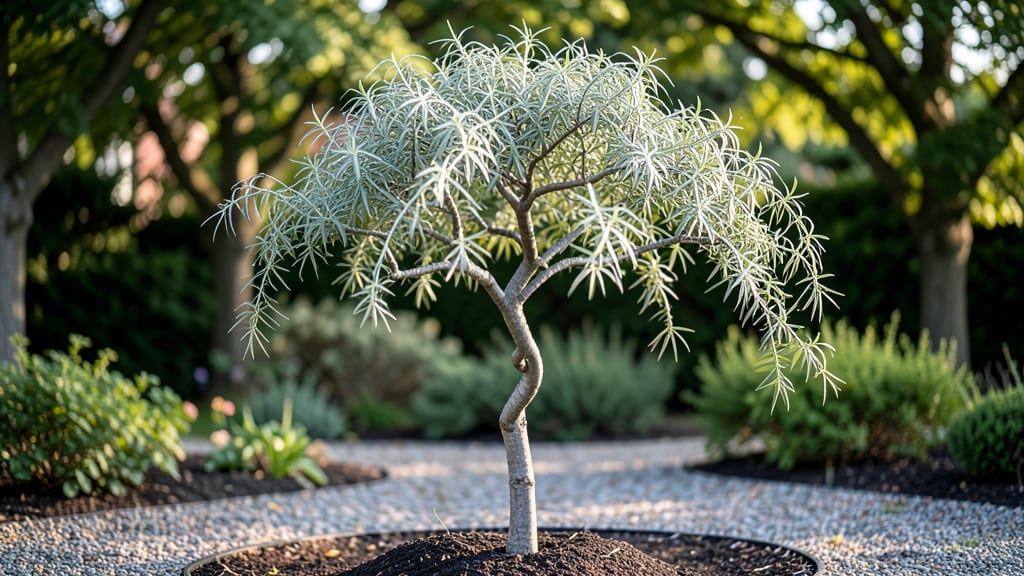
These corkscrew willow tree pictures prove why their swirling branches turn any yard into a breathtaking masterpiece—imagine one framing your patio or dancing beside a pond. The drama isn’t just seasonal; even in winter, its twisted silhouette stands out against bare branches.
This isn’t your average tree. The corkscrew willow thrives in moist soil and full sun, making it perfect for water gardens, rain gardens, or even as a dramatic container specimen.
In spring, its bright yellow catkins add a pop of color before the branches take center stage. For small spaces, dwarf varieties keep the impact without the footprint.
You’ll love how it pairs with hostas for shade gardens or contrasts against modern hardscapes. The branches’ natural movement creates living art—perfect for cottage gardens, Zen-inspired spaces, or minimalist landscapes. One tree can anchor an entire design scheme.
Whether you’re designing a new garden or refreshing an old one, this tree delivers year-round interest with almost no maintenance. The key is placement—give it room to shine, and it’ll repay you with seasonal surprises. Ready to see how it can transform your space?
📚 In This Guide
- What you need
- Instructions
- Tips and common mistakes
- Wrapping up and next steps
What you need
- ● Pruning shears: Sharp, bypass-style shears (for clean cuts on smaller branches). Quantity: 1 pair.
- ● Loppers: For thicker branches (up to 2 inches in diameter). Quantity: 1 pair.
- ● Pruning saw: Heavy-duty saw for branches thicker than 2 inches. Quantity: 1.
- ● Gloves: Heavy-duty, cut-resistant gloves (to protect hands from thorns and rough bark). Quantity: 1 pair.
- ● Disinfectant: 70% isopropyl alcohol or a pruning sealant (to prevent disease spread). Quantity: Small bottle.
- ○ Extension pole: Optional but helpful for high branches (10–15 feet). Quantity: 1.
- ● Ladder: Sturdy, stable ladder (if tree is over 10 feet tall). Quantity: 1.
- ● Trash bags: For collecting pruned branches. Quantity: 2–3.
- ● Water spray bottle: To mist cuts and reduce stress on the tree. Quantity: 1.
- ● Hand pruners: For delicate trimming of small twigs.
- ● Safety glasses: To shield eyes from debris.
- ● Tree wound dressing: (Controversial but useful for large cuts—research first!)
- ● Camera or sketchbook: To document your progress (for those corkscrew willow tree pictures!).
How to plant and care for a corkscrew willow tree
Here’s how to grow this striking specimen with minimal fuss—its dramatic branches need just the right conditions to thrive.
Choose the Perfect Planting Site
The corkscrew willow (Salix matsudana 'Tortuosa') craves space and sunlight. Plant it in full sun—at least 6 hours of direct light daily—where its twisting branches can unfurl without obstruction. Avoid low-lying areas where cold air pools, as this tree is hardy only in USDA Zones 4-8 and can suffer winter dieback in frost pockets.
Soil should drain well but retain moisture—loamy, slightly acidic soil (pH 6.0-7.0) is ideal. If your yard has heavy clay, amend with 2-3 inches of compost mixed into the top 12 inches of soil. The tree’s roots spread widely, so dig a hole twice as wide as the root ball but no deeper—planting too deep suffocates roots and stunts growth.
Plant with Care for Long-Term Stability
Remove the corkscrew willow from its container and loosen any circling roots gently with your fingers—never prune them back, as this can harm the tree. Place it in the hole so the top of the root ball sits 1-2 inches above ground level (this prevents waterlogging). Backfill with native soil, tamping lightly every 6 inches to eliminate air pockets.
Water deeply right after planting—10-15 gallons—to settle the soil and encourage root contact. Mulch the base with 3-4 inches of wood chips, keeping mulch 6 inches away from the trunk to avoid rot. This tree’s dramatic silhouette relies on its structural integrity, so avoid over-pruning young branches. Let nature handle the twists.
Water and Feed for Healthy Growth
For the first year after planting, water once a week (or more in dry spells) to keep the soil evenly moist but not soggy. Corkscrew willows tolerate drought once established, but young trees need consistent moisture to develop strong roots. You’ll know it’s thriving when new bright green shoots emerge along the branches each spring.
Fertilize lightly in early spring with a balanced, slow-release fertilizer (10-10-10 ratio). Apply ½ cup spread evenly over the root zone, then water thoroughly. Avoid high-nitrogen fertilizers—they promote leafy growth at the expense of the tree’s iconic twisted branches. Prune only to remove dead or crossing branches in late winter.
Protect and Maintain Its Dramatic Form
This tree’s beauty lies in its natural, spiraling branches, so resist the urge to prune for shape. If branches become too heavy or damaged, trim just above a bud or lateral branch to encourage new growth. Never remove more than 20% of the canopy in one season—corkscrew willows recover slowly from heavy pruning.
Watch for aphids or spider mites, which may infest new growth. Spray affected branches with neem oil or a horticultural oil if you spot sticky residue (honeydew) or fine webbing. The tree’s open, airy structure makes it less prone to fungal diseases, but avoid overhead watering to prevent leaf spots.
Enjoy Its Year-Round Interest
Corkscrew willows deliver four-season appeal: golden-yellow foliage in fall, bare but striking branches in winter, and lacy new growth in spring. Their non-invasive roots make them ideal for large landscapes, ponds, or as a focal point near patios. Just give it 15-20 feet of clearance—its mature height of 25-35 feet demands space for those iconic twists to shine.
Here’s the thing—this tree’s wow factor comes from patience. It may take 3-5 years for the branches to fully spiral, but once they do, your landscape will never look the same. Plant it where you can admire it from multiple angles, and let its natural drama do the work.
Tips & tricks for perfect corkscrew willow planting
These insider insights will help your corkscrew willow thrive—and showcase its stunning spiral branches from day one.
Site Selection Wisdom: The 6 hours of daily sunlight requirement is non-negotiable for those iconic twists to develop properly. I’ve seen too many willows planted in partial shade end up with weak, straight branches that lose their signature curl. If your yard only gets 4-5 hours of sun, consider planting near a south-facing wall or fence that reflects additional light during the day.
Root Ball Preparation: When loosening circling roots in Step 2, focus on gently separating them with your fingers rather than cutting. I learned this the hard way after accidentally nicking roots during transplanting, which set my tree back by nearly a full growing season. The goal is to encourage outward growth—not to create fresh wounds that slow establishment.
Mulching Strategy: That 3-4 inch layer of wood chips serves two critical purposes beyond moisture retention: it regulates soil temperature and prevents weed competition that could stress young roots. I recommend using hardwood mulch rather than cedar, which can inhibit growth over time due to its natural oils. Keep that 6-inch clearance from the trunk to prevent moisture buildup that could lead to rot.
Watering Technique: The 10-15 gallon initial watering after planting should be done slowly to allow proper absorption. I use a garden hose with a slow setting or a watering wand to avoid creating runoff. For the weekly watering during the first year, focus on deep watering rather than frequent light watering—this encourages deep root development that supports those heavy branches once they spiral fully.
Pro Tips for Corkscrew Willow Tree Pictures
- These insider insights will help your corkscrew willow thrive—and showcase its stunning spiral branches from day one.
- Site Selection Wisdom: The 6 hours of daily sunlight requirement is non-negotiable for those iconic twists to develop properly.
- Root Ball Preparation: When loosening circling roots in Step 2, focus on gently separating them with your fingers rather than cutting.
Frequently asked questions
Got questions about growing, maintaining, or styling your corkscrew willow? Here are some of the most common queries—plus straightforward answers to help you keep your twisting beauty thriving!
How fast does a corkscrew willow grow?
A young corkscrew willow can shoot up 3–5 feet per year under ideal conditions (full sun, moist soil, and regular watering). In its first decade, expect dramatic growth—though mature trees slow to 1–2 feet annually. Patience pays off with those iconic spirals!
When is the best time to prune a corkscrew willow?
Prune in late winter or early spring (before buds swell) to shape the tree and encourage dense growth. Avoid heavy pruning in fall—it can stimulate tender new shoots vulnerable to frost. Pro tip: Use sterilized tools to prevent disease spread!
Why are the leaves on my corkscrew willow turning yellow?
Yellowing leaves often signal overwatering, nutrient deficiency (like iron), or root rot. Check soil drainage—willows hate soggy roots! Amend clay soil with compost, and fertilize lightly in spring with a balanced 10-10-10 mix. Mulch helps retain moisture without suffocating roots.
Can I grow a corkscrew willow in a container?
While possible, it’s not ideal—these trees thrive with sprawling root systems and can reach 20–30 feet tall. If you must pot one, use a large (20+ gallon) container with drainage holes and repot every 2–3 years. Expect slower growth and smaller size.
What’s a good alternative if I want a smaller twisting tree?
Try these compact, ornamental options:
- Dwarf Korean Willow (Salix koriyanagi): Grows 6–10 ft tall with delicate arching branches.
- Weeping Pussy Willow (Salix caprea): Soft, fuzzy catkins and a 4–6 ft spread.
- Japanese Forest Grass (Hakonechloa macra): Non-woody but adds movement with 2–3 ft height.
For year-round structure, pair with evergreens like dwarf hinoki cypress.
Wrapping up and next steps
The corkscrew willow tree isn’t just a stunning addition to your landscape—it’s a living work of art with its dramatic, twisting branches. Whether you’re admiring its natural beauty or mastering the care and pruning techniques to keep it thriving, this tree offers endless charm and character. 🌿
Now that you’re equipped with pictures, tips, and answers to common questions, why not take the next step? Plant one in your yard, share your progress with fellow gardeners, or even experiment with creative pruning to shape its unique silhouette. Your landscape—and your green thumb—will thank you!