
Pruning
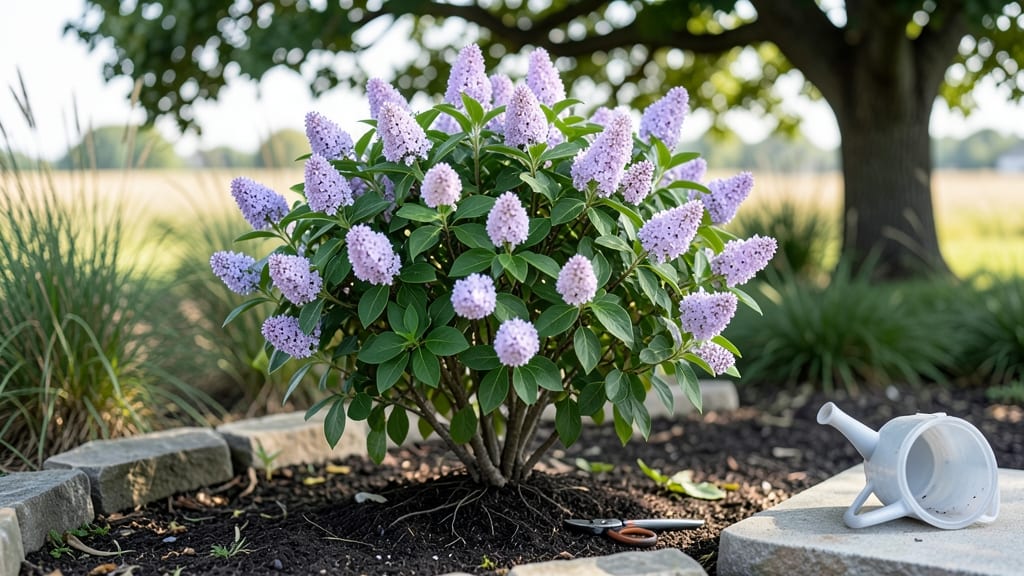
Your yard could smell like spring all year with a dwarf Korean lilac tree—just 6 feet tall but packed with intoxicating fragrance. 🌿 I planted mine three years ago, and now it's the centerpiece of my small patio, blooming in late spring with clusters of pale purple flowers that perfume the air for weeks.
The best part? It thrives in tight spaces, making it perfect for urban gardens, balconies, or foundation plantings.
Pruning keeps these trees compact and flowering their best, but most people overdo it. The key is timing: prune right after blooming to shape the tree without cutting off next year's flowers.
You'll need basic pruning tools—a pair of sharp bypass pruners and a small saw for thicker branches—and just 20 minutes of your time. Even beginners can master this with a few simple rules.
What you'll end up with is a tree that smells like a French countryside garden, even in summer when other lilacs have faded. The foliage stays lush year-round, and the scent lingers in the evening breeze.
Plus, it attracts pollinators like bees and butterflies, turning your space into a mini ecosystem. Ready to transform your garden with fragrance?
Works beautifully in zones 4-8, whether planted in full sun or partial shade. The dwarf variety stays manageable, so you won't need heavy equipment or years of patience—just consistent care. Let's get those branches looking their best while keeping that signature scent coming back every season.
📚 In This Guide
- What you need
- Instructions
- Tips and common mistakes
- Wrapping up and next steps
What you need
- ● Pruning shears (bypass or anvil type) – Choose sharp, clean shears with a 4-6 inch blade for precision cuts.
- ● Hand pruners (for smaller branches) – Opt for ergonomic, bypass-style pruners to avoid crushing stems.
- ● Loppers (for thicker branches) – 8-10 inch loppers with bypass blades for clean cuts on branches up to 1.5 inches thick.
- ● Garden gloves (cut-resistant) – Leather or reinforced fabric to protect hands from thorns and rough branches.
- ● Disinfectant (70% isopropyl alcohol or bleach solution) – 1 part bleach to 9 parts water to sterilize tools between cuts and prevent disease.
- ○ Pruning sealant (optional but helpful) – Tree wound sealant to apply to larger cuts (over ½ inch thick) to prevent decay.
- ● Ladder or step stool – Ensure it’s stable and tall enough to reach the tree’s highest branches safely.
- ● Trash bags or bucket – For collecting pruned branches and debris.
- ● Notebook & pencil – To sketch or note pruning decisions for future reference.
- ● Extension pole pruners – For high branches without a ladder.
- ● Sharpener for tools – A file or whetstone to keep blades in top condition.
- ● Mulch (shredded bark or wood chips) – 2-3 inches deep around the base post-pruning to retain moisture.
- ● Fertilizer (balanced, slow-release) – 10-10-10 NPK ratio to nourish the tree after pruning.
- ● Camera or phone – To document before/after for tracking growth.
Step-by-Step pruning guide for your dwarf Korean lilac tree
Here's how I keep my fragrant lilac looking stunning while maximizing those heavenly blooms.
✂️ Step 1: Prune Right After Flowering
Wait until late spring or early summer—right after you see the last flowers fade. This timing ensures you don’t cut off next year’s blooms, which form on old wood. I always prune when the air is warm but before new growth gets too vigorous.
Start by removing any dead, crossing, or crowded branches first. Use clean, sharp pruning shears to make cuts just above a leaf node or outward-facing bud. This prevents stubs that can rot. Your goal is to open up the center of the tree for better airflow and light penetration.
Don’t worry about making the tree look perfect right away—focus on removing about 20-30% of the oldest growth first. You’ll see how much healthier the plant looks after just one season of proper pruning.
✂️ Step 2: Shape the Tree Lightly in Late Summer
About 6-8 weeks after the first pruning, give your lilac a light shaping session. This is where you fine-tune the form—trimming just enough to maintain its natural shape while encouraging new growth in the right places.
I like to step back and look at the tree from all angles. If one side looks too dense, remove a few branches to balance it out. For dwarf varieties, keep the height between 3-5 feet—they’re meant to stay compact. Never cut back more than one-third of the plant’s height in a single session.
Watch for any branches growing inward—they’ll rub against each other and create wounds. Cut these out completely at the base. The tree will thank you with fewer diseases and more flowers next spring.
✂️ Step 3: Light Maintenance in Early Spring
Before new growth starts in early spring, do a quick once-over. Remove any dead wood or branches that look weak. This is also the time to tidy up any uneven cuts from last year’s pruning.
I avoid heavy pruning in spring because it can stimulate too much new growth that won’t have time to harden off before winter. Instead, just clean up the edges. You’ll notice fresh, green buds starting to form—this is your cue that the tree is ready for its next bloom cycle.
If you see any suckers growing at the base, snip them off immediately. These rogue shoots drain energy from the main plant. A little attention now keeps your lilac focused on producing those fragrant flowers.
⏰ Step 4: Avoid Pruning in Fall or Winter
This is the most common mistake I see—people pruning their lilacs in late fall or winter. Never do it. New growth stimulated by late pruning won’t have time to mature before cold weather sets in, and it’s more susceptible to frost damage.
Instead, use this time to plan your next year’s pruning. Observe where last year’s cuts encouraged new growth and where the tree looks a little bare. Jot down notes so you’re ready when spring rolls around.
If you must remove a few dead branches in winter, go ahead—but keep it minimal. The tree’s energy is focused on survival, not recovery from heavy pruning. Patience here pays off with bigger, healthier blooms come spring.
Tips & tricks for perfect dwarf Korean lilac care
Here's what nobody tells you about keeping your lilac thriving—and smelling amazing—year after year.
Timing is Everything: In Step 1, when you're pruning right after flowering, mark your calendar for exactly late spring or early summer—this is when your lilac's buds for next year's blooms are already forming. I've learned the hard way that cutting too early means fewer flowers next spring. Watch for the last flowers to fade completely before you start, and always do this when daytime temperatures are consistently above 60°F for better healing.
The 20-30% Rule: During your first pruning in Step 1, don't guess about how much to remove—aim for removing about 20-30% of the oldest growth. This might sound like a lot, but trust me, your lilac will reward you with stronger growth and more abundant blooms. I use a simple trick: count the main branches, then remove every third one starting from the oldest. This creates instant airflow and prevents those pesky fungal diseases.
Shape with Purpose: When you're doing your light shaping in Step 2 (about 6-8 weeks after the first prune), step back and look at your tree from all sides. The goal isn't to make it look like a perfect topiary—it's to create a natural shape that lets sunlight reach all parts of the plant. For dwarf varieties, keep that height between 3-5 feet by focusing on removing branches that grow too upright or spread too wide. This maintains that perfect compact form while encouraging more blooms.
Winter Planning Pays Off: Don't let Step 4 be just a warning—use it as an opportunity! While you're avoiding heavy pruning in fall/winter, take notes about what worked and what didn't. Jot down which branches you removed in spring that encouraged new growth, and which areas still look sparse. This winter planning means you'll be ready to make more informed cuts next spring, and your lilac will thank you with even more fragrant blooms next season.
Pro Tips for Dwarf Korean Lilac Tree
- Here's what nobody tells you about keeping your lilac thriving—and smelling amazing—year after year.
- Timing is Everything: In Step 1, when you're pruning right after flowering, mark your calendar for exactly late spring or early summer—this is when your lilac's buds for next year's blooms are already forming.
- The 20-30% Rule: During your first pruning in Step 1, don't guess about how much to remove—aim for removing about 20-30% of the oldest growth.
Frequently asked questions
Got questions about keeping your dwarf Korean lilac tree thriving and fragrant? Here are answers to the most common ones!
When is the best time to prune my dwarf Korean lilac?
The ideal time to prune is late winter or early spring (just before new growth begins). Avoid pruning in fall, as it can stimulate tender growth that may be damaged by frost. For light shaping, you can also prune right after flowering to maintain its compact form.
How much can I prune without harming the tree?
Dwarf Korean lilacs are hardy and can handle up to 1/3 of their branches pruned annually. However, avoid over-pruning—this can reduce flowering. Focus on dead, crossing, or overcrowded branches first, then shape lightly. Never cut more than 25% of the canopy in a single season.
Will pruning reduce the fragrance of my lilac?
Not if done correctly! Pruning encourages healthier growth and can even enhance fragrance by promoting more blooms. Just avoid cutting back old wood (over 3 years old), as this is where the best flowers form. Light, strategic pruning keeps the tree vibrant and fragrant year-round.
What should I do if my dwarf Korean lilac isn’t blooming?
Check these common issues:
- Lack of sunlight – Ensure it gets 6+ hours of sun daily.
- Over-fertilizing – Too much nitrogen = fewer flowers. Use a balanced fertilizer (10-10-10) in early spring.
- Improper pruning – Avoid heavy cuts in late summer/fall.
- Age – Young trees may take 2-3 years to bloom fully.
Can I grow a dwarf Korean lilac in a container?
Yes! They thrive in 15-20 gallon containers with well-draining soil. Use a fast-draining mix (60% potting soil, 30% perlite, 10% compost) and ensure the pot has drainage holes. Repot every 2-3 years and prune roots if they circle the pot. Place in full sun for best results.
Wrapping up and next steps
The dwarf Korean lilac tree is a fragrant, low-maintenance gem that rewards your care with stunning blooms and intoxicating scent year after year. By mastering the art of pruning—whether for shaping, rejuvenation, or seasonal blooms—you’ll keep your tree thriving and bursting with beauty.
Now that you’re armed with the right tools, timing, and techniques, there’s no better time to roll up your sleeves and give your lilac some love!
🌿 Next step: Grab your pruners, mark your calendar for late winter/early spring, and start pruning with confidence. Your fragrant, picture-perfect lilac awaits—happy gardening! 🌸