
Container Gardens
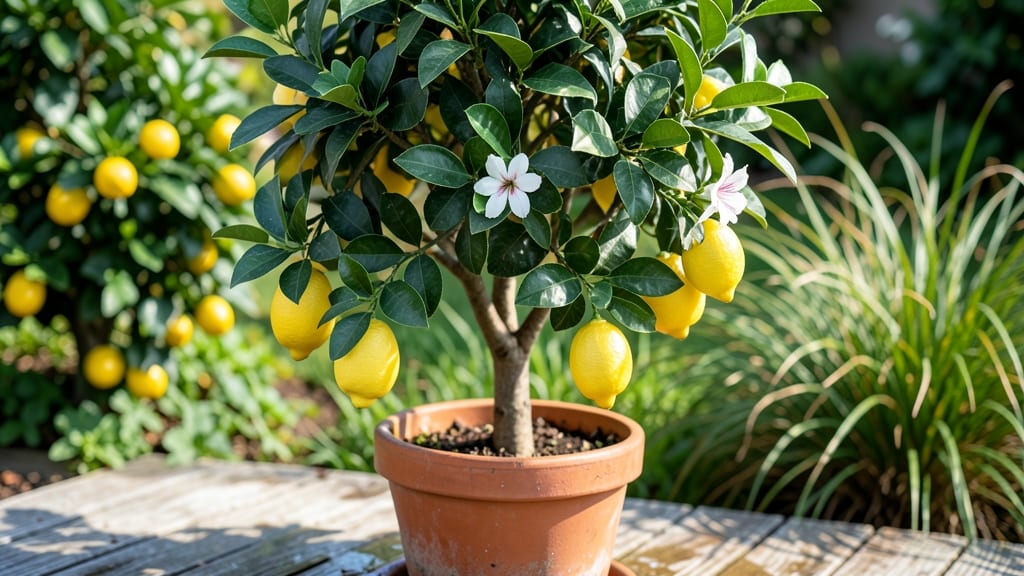
Potted citrus trees bring sunshine to patios and balconies year-round—even when winter chills the air outside. ✨ I’ve grown Meyer lemons, Calamondins, and dwarf oranges in containers for years, and the secret isn’t just picking the right variety—it’s mimicking their Mediterranean roots in a pot.
The right soil, drainage, and winter care keep these trees thriving for decades, not just seasons.
Start with a 15- to 20-gallon container for dwarf varieties (like ‘Improved Meyer’), and fill it with a mix of fast-draining potting soil and perlite or sand. Citrus hate soggy roots, so terracotta pots help wick away excess moisture—just avoid plastic, which traps heat and moisture.
Place your tree where it gets 6+ hours of sunlight daily, and rotate the pot weekly so it grows evenly.
You’ll harvest bright, fragrant fruit as early as the first year if you fertilize monthly with citrus-specific food during spring and summer. In winter, cut back to every 6-8 weeks and move pots indoors near a sunny window if temperatures dip below 40°F.
The key is consistency: citrus trees reward patience with glossy leaves and sweet, homegrown oranges.
Perfect for small spaces, urban balconies, or even sunrooms—just watch for pests like spider mites and scale. With the right setup, your potted citrus can live 20+ years, outlasting most houseplants. Let’s get growing!
📚 In This Guide
- What you need
- Instructions
- Tips and common mistakes
- Wrapping up and next steps
What you need
- ● Citrus Tree: Compact dwarf variety (e.g., Calamondin, Meyer Lemon, or Improved Meyer Lemon)
- ● Size: 1–3 gallons at planting (mature trees may need 5+ gallons)
- ● Container: Width: At least 12–18 inches in diameter (bigger = better for root growth)
- ● Depth: 12+ inches (ensure drainage holes at the bottom!)
- ● Material: Terracotta (breathable) or plastic (retains moisture)
- ● Potting Mix: Well-draining citrus-specific mix (or blend: 60% potting soil + 30% perlite/pumice + 10% compost)
- ● Quantity: 1–3 bags (depending on pot size)
- ● Tools: Trowel or small shovel
- ○ Gloves (optional but handy!)
- ● Watering can or hose with gentle spray nozzle
- ● Slow-release citrus fertilizer (e.g., Osmocote or Miracle-Gro)
- ● Mulch (e.g., pine bark fines) to retain moisture
- ● Citrus-specific foliar spray (for pest prevention)
- ● Self-watering pot or moisture meter (for busy gardeners!)
- ● Support stake (if your variety grows tall)
Step-by-step guide to growing compact citrus trees in pots
Here’s how to nurture dwarf citrus varieties into thriving, fruit-bearing trees indoors.
🪴 Step 1: Select the Right Container and Drainage
Start with a 12-15 inch diameter pot with drainage holes—citrus roots need room to spread but also air circulation. I use unglazed terra cotta because it breathes, preventing root rot. If your pot lacks holes, drill them yourself—citrus hates soggy feet.
Add a 2-3 inch layer of gravel or broken pottery at the bottom for drainage. This prevents water from pooling at the roots, which is the #1 killer of potted citrus. If you skip this, you’ll see yellowing leaves and root rot within months.
🌱 Step 2: Choose and Prepare the Soil Mix
Fill the pot with a well-draining citrus-specific potting mix—never garden soil. I blend 60% premium potting mix with 30% perlite and 10% compost for nutrients without compacting. This keeps roots oxygenated while holding enough moisture.
Moisten the mix until it’s damp but not dripping. Press it lightly around the edges to eliminate air pockets. The goal is a loose, fluffy medium that mimics the well-drained soil citrus trees thrive in naturally.
☀️ Step 3: Plant and Position for Maximum Light
Dig a hole slightly larger than the root ball and place your dwarf citrus tree (like ‘Meyer lemon’ or ‘Calamondin’) into the pot. Fill gaps with soil, pressing gently to remove air bubbles. Water deeply until it drains from the bottom.
Move the pot to a south-facing window or under a grow light providing 6-8 hours of direct sunlight daily. Citrus needs intense light to produce fruit—if leaves yellow between veins, it’s begging for more light. Rotate the pot weekly so growth stays even.
💧 Step 4: Water and Fertilize for Healthy Growth
Water when the top 1-2 inches of soil feel dry—stick your finger in to check. Overwatering is worse than underwatering; citrus roots rot quickly in soggy soil. I use a self-watering pot with a moisture meter to avoid guesswork.
Fertilize every 4-6 weeks during spring and summer with a balanced citrus fertilizer (like 8-8-8 or 10-10-10). Reduce feeding in fall/winter—citrus trees rest then. Yellow leaves? Often a sign of over-fertilizing or poor drainage.
✂️ Step 5: Prune and Encourage Fruit Production
Prune in late winter to shape the tree and remove dead branches. Cut just above a leaf node at a 45-degree angle to encourage new growth. This keeps the tree compact and improves airflow, reducing disease risk.
To boost fruiting, I pinch off new growth tips in early spring. This redirects energy to flowering and fruit development. Watch for white blossoms—they’re your reward for proper care. Thin fruit clusters to 3-4 per branch so the tree doesn’t struggle.
Tips & tricks for perfect potted citrus trees
These pro tips will help you avoid common pitfalls and keep your dwarf citrus thriving indoors.
Container Selection: When choosing your 12-15 inch pot, prioritize terra cotta over plastic—it wicks moisture away from roots, preventing the fungal issues that plague many indoor citrus growers. If you must use plastic, add extra drainage holes (up to 3-4 inches from the bottom) to compensate. The key is mimicking the well-drained conditions citrus trees love in their native habitats.
Soil Science: The 60-30-10 soil blend is your foundation, but here's the secret: sterilize your potting mix first by baking it in the oven at 200°F for 30 minutes. This eliminates pathogens that could stress your young tree. For extra insurance, add a handful of orchid bark to your mix—it improves aeration without compacting like regular soil.
Light Strategy: That 6-8 hours of direct sunlight? It's non-negotiable, but here's how to maximize it: Place a mirror near your south-facing window to reflect additional light onto the tree. In winter, supplement with a full-spectrum LED grow light 12 inches above the tree for 4-6 hours daily. The goal is to prevent the "leggy" growth that signals light deprivation.
Watering Wisdom: The "top 1-2 inches dry" rule works, but here's the pro move: Water in the morning so excess drains away by evening, reducing fungal risks. Use room-temperature water—cold water can shock the roots. And always water until it runs freely from the drainage holes to flush out any salt buildup from fertilizers.
Pro Tips for Citrus Trees Potted
- These pro tips will help you avoid common pitfalls and keep your dwarf citrus thriving indoors.
- Container Selection: When choosing your 12-15 inch pot, prioritize terra cotta over plastic—it wicks moisture away from roots, preventing the fungal issues that plague many indoor citrus growers.
- Soil Science: The 60-30-10 soil blend is your foundation, but here's the secret: sterilize your potting mix first by baking it in the oven at 200°F for 30 minutes.
Frequently asked questions
Got questions about keeping citrus trees thriving in pots? Here are some of the most common concerns—and their solutions!
What’s the best potting mix for citrus trees in containers?
Use a well-draining mix like 60% potting soil, 30% perlite or coarse sand, and 10% compost or worm castings. Citrus roots hate soggy feet, so avoid heavy garden soil. Pro tip: Add a handful of garden lime (not quicklime!) every 6–12 months to maintain pH 6.0–7.0.
How often should I repot my potted citrus tree?
Repot every 2–3 years or when roots circle the pot’s bottom (check by gently removing the tree). Spring is ideal—avoid winter when growth slows. Choose a pot 2–4 inches wider than the current one, with drainage holes. Warning: Over-potting stresses the tree; stick to gradual upsizing!
Can I grow citrus trees in pots indoors year-round?
Yes, but they need 6+ hours of direct sunlight daily (south-facing windows or grow lights). Indoor citrus may fruit less than outdoor trees. Boost humidity with a pebble tray or humidifier, and watch for pests like spider mites in dry air. Outdoor pots (even in winter with frost cloth) yield sweeter fruit!
Why aren’t my potted citrus leaves yellowing or dropping?
Yellow leaves often signal overwatering or nutrient deficiencies. Check soil moisture—it should dry 1–2 inches deep between waterings. Feed with a citrus-specific fertilizer (high in nitrogen in spring/summer, potassium in fall) every 4–6 weeks. Brown tips? Likely low humidity or fluoride buildup (use rainwater if tap water is treated).
What’s the coldest temperature potted citrus can handle?
Most dwarf varieties tolerate 25–30°F (-4 to -1°C) briefly, but prolonged cold (<20°F/-7°C) risks damage. Protect pots with bubble wrap or frost cloth, move them to a garage, or dig them into the ground for winter. Hardy citrus like ‘Improved Meyer’ can handle slightly colder temps with care!
Wrapping up and next steps
Growing citrus trees in pots is a rewarding way to enjoy fresh, homegrown fruit—even in small spaces! 🌿 With the right compact variety, proper care, and a sunny spot, you’ll harvest lemons, oranges, or limes year after year.
Whether you’re a beginner or a seasoned gardener, these vibrant trees bring beauty and flavor to any balcony or patio.
Ready to start? Pick your favorite citrus variety, gather your supplies, and give it a try—your taste buds (and future harvest) will thank you!