
Trees
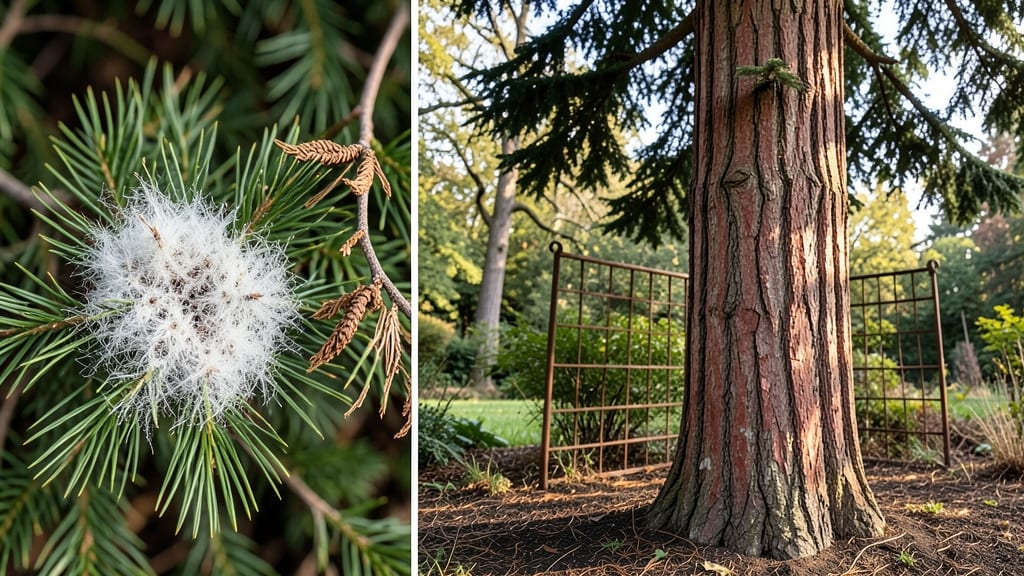
When your cedar tree's needles turn brown or slimy orange spots appear on branches, cedar tree fungus is likely the culprit. 🌲 I’ve battled this exact issue with my 15-year-old Eastern redcedar, and what started as a few suspicious patches nearly took over the whole tree if I hadn’t acted fast.
The key is catching it early—before the fungus spreads to the roots or weakens the wood structure.
Most common offenders include cedar apple rust (those bright orange galls) and needle blight (fuzzy gray mold). Organic fixes like neem oil or copper fungicide work well for early stages, but severe cases might need a professional’s help.
Prune infected branches 6 inches below the damage and sterilize tools between cuts—this stops the spread faster than you’d think.
📚 In This Guide
- What you need
- Instructions
- Tips and common mistakes
- Wrapping up and next steps
What you need
- ● Diagnostic tools: Hand lens or magnifying glass (10x magnification)
- ● Moisture meter (for soil testing)
- ● pH test kit (to check soil acidity/alkalinity)
- ● Safety gear: Nitrile gloves (2–3 pairs)
- ● Respirator mask (N95 or better for fungal spores)
- ● Long sleeves/pants (lightweight, breathable fabric)
- ● Treatment supplies: Fungicide (copper-based or phosphite-based, e.g., Phostrol or Copper Sulfate – 4–6 lbs per 100 sq ft)
- ● Pruning shears (sterilized with 70% isopropyl alcohol)
- ● Shovel or spade (for soil aeration)
- ● Hose with nozzle (for rinsing tools)
- ● Soil amendments: Compost (2–3 bags) or mycorrhizal fungi (to boost tree health)
- ● Tree wound dressing (e.g., Tanglefoot or Pruning Seal – 1 tube)
- ● Mulch (2–3 inches of organic mulch, like pine straw or wood chips)
- ● Camera or phone with macro mode (for documenting fungus progression)
- ● Label markers (to tag treated areas)
Step-by-Step guide to treating cedar tree fungus
Here’s how to spot and tackle common cedar tree fungal issues before they spread.
🌿 Step 1: Identify the Fungus and Assess Damage
Start by examining the tree closely for signs of fungal infection. Look for discolored patches on needles, bark, or branches—common indicators include rust-colored spots, blackened needles, or powdery white growth. I check for these in shaded or damp areas first, since fungi thrive in moisture. If you see white, fuzzy growth, it’s likely cedar needle rust or powdery mildew.
Run your fingers gently over the bark to feel for any unusual texture or slimy residue. Healthy cedar bark should be smooth and slightly rough to the touch. If you find sticky, tar-like spots, that’s likely cedar bark disease. Note which branches are most affected—this helps determine how aggressive the treatment needs to be.
✂️ Step 2: Prune Infected Branches Promptly
Use clean, sharp pruning shears to remove all visibly infected branches, cutting at least 6 inches below the last sign of discoloration. This prevents spores from spreading to healthy parts of the tree. I always sterilize my tools with rubbing alcohol between cuts to avoid cross-contamination. Bag the infected branches and dispose of them in sealed trash bags—never compost them.
Focus on removing branches with more than 50% needle loss or those showing active fungal growth. Thin out crowded areas to improve air circulation, which helps the tree recover faster. After pruning, inspect the wounds—if they’re larger than ½ inch wide, seal them with pruning paint to prevent secondary infections.
💧 Step 3: Apply Fungicide and Improve Tree Health
Choose a copper-based fungicide or a neem oil solution (mix 1 tablespoon per gallon of water) for organic treatment. Apply it during early morning or late afternoon when temperatures are below 85°F to avoid stressing the tree. Spray thoroughly, covering both the upper and lower sides of the needles and bark. Repeat every 2-3 weeks until new growth appears healthy.
Boost the tree’s resilience by watering deeply once a week (unless rain provides 1 inch of moisture). Avoid overhead watering—use a soaker hose to keep the base moist without wetting the foliage. Add a 2-3 inch layer of mulch around the base (but not touching the trunk) to retain moisture and prevent fungal spores from splashing onto the tree.
☀️ Step 4: Monitor and Prevent Recurrence
Check the tree weekly for new signs of infection, especially after rain. Healthy cedars should show fresh green needles within 4-6 weeks of treatment. If you notice yellowing or wilting despite treatment, the fungus may have spread deeper—consult a local arborist for stronger solutions.
Prevent future outbreaks by ensuring the tree gets full sun to partial shade and has good airflow. Trim nearby shrubs or trees that might block sunlight or trap moisture. In fall, rake up and dispose of all fallen needles and debris—fungal spores can overwinter in organic matter.
Tips & tricks for treating cedar tree fungus effectively
Real talk: Cedar trees are tough, but fungal infections can really stress them out. These tricks will help you tackle the problem without causing more harm to your tree.
Timing is Everything: When you're checking for fungal signs in Step 1, focus on those damp, shaded areas first—they're prime fungus real estate. I've seen cedar needle rust spread like wildfire in these spots if you don't catch it early. Use a flashlight to inspect the undersides of branches where moisture collects. The sooner you spot those rust-colored spots or powdery white growth, the easier it is to treat before the fungus takes over completely.
Pruning Precision: In Step 2, those 6 inches you cut below the last sign of discoloration matter more than you might think. I learned this the hard way after seeing regrowth show symptoms again. Use a marker on your pruning shears to measure this distance consistently. And here's what nobody tells you—sterilize your tools between every cut, even if you're just moving to another branch. Fungal spores can hitch a ride on your tools and reinfect your tree.
Fungicide Application Strategy: For Step 3, that 85°F temperature limit isn't just arbitrary—it's about protecting your tree. Hotter temps can stress the tree, making it more vulnerable. I apply fungicide in the early morning when temps are cooler and the air is still, which helps the treatment stick better. Pro tip: Use a spray bottle with a fine mist setting to ensure even coverage on both sides of the needles. You'll notice the difference in how effectively the treatment works.
Monitoring Like a Pro: In Step 4, those weekly checks are your best defense against recurrence. I keep a small notebook by my tree to track when I see new growth or any suspicious spots. Healthy cedars should show fresh green needles within 4-6 weeks, but if you notice yellowing despite treatment, that's your cue to call in professional help. The sooner you catch a resurgence, the easier it is to treat before the fungus spreads deeper into the tree.
Pro Tips for Cedar Tree Fungus
- Real talk: Cedar trees are tough, but fungal infections can really stress them out.
- Timing is Everything: When you're checking for fungal signs in Step 1, focus on those damp, shaded areas first—they're prime fungus real estate.
- Pruning Precision: In Step 2, those 6 inches you cut below the last sign of discoloration matter more than you might think.
Frequently asked questions
Got questions about cedar tree fungus?
You’re not alone—this pesky issue can be confusing, but we’ve got answers to help you tackle it like a pro. Here’s what you need to know:
What does cedar tree fungus look like, and how can I tell it apart from other issues?
Cedar tree fungus often appears as white, pink, or orange powdery patches (like cedar-apple rust) or black, crusty cankers on branches. Unlike mildew or insect damage, fungal spots are usually fuzzy, gelatinous, or spore-covered. Check for yellowing needles or oozing sap—classic red flags!
When is the best time to treat cedar tree fungus?
Act fast! Treat in early spring or fall when spores are active but before extreme heat. Avoid summer—fungus thrives in moisture, and dry conditions can stress your tree further. Pro tip: Prune infected branches before spores spread (spring or dormant season).
Can I use home remedies, or do I need fungicides?
Mild cases? Try neem oil, baking soda spray (1 tbsp baking soda + 1 tsp soap per gallon of water), or copper fungicide. For severe infections (like canker diseases), fungicides with myclobutanil or propiconazole work best. Always follow label instructions—safety first!
Will my cedar tree recover if I remove the fungus, or is it too late?
Early action = hope! If caught soon, pruning infected areas and treating can stop spread. But if 50%+ of branches are dead or the trunk is cankered, the tree may not recover. Pro tip: Monitor for new growth—healthy buds signal a fighting chance!
Is cedar tree fungus harmful to humans or pets?
Most cedar fungi aren’t toxic, but spores can irritate lungs or skin in sensitive folks. Wear a mask when pruning and wash hands after contact. Pets? Generally safe unless they ingest large amounts of treated fungicides—always keep chemicals out of reach!
Wrapping up and next steps
Cedar tree fungus may seem daunting, but with the right knowledge and proactive care, you can keep your trees thriving! 🌿 Recognizing early signs—like discolored needles or unusual growths—and acting swiftly with proper treatment (or prevention) is key.
Whether you choose organic remedies, pruning, or professional help, your efforts will pay off in a healthier, more resilient cedar tree.
Ready to take action? Start by inspecting your trees today—catching issues early makes all the difference! If you’re unsure, consult a local arborist for expert guidance. Your green thumb (and trees!) will thank you. 🌱