
Pruning
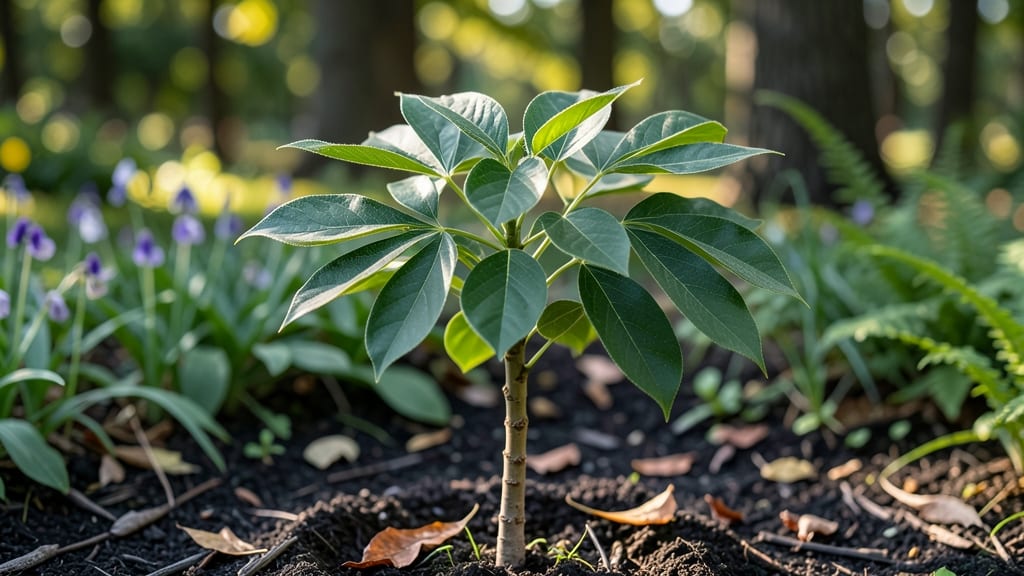
The buckeye tree sapling you've planted could become a towering shade provider in just a decade—but only if you prune it right from the start. I learned the hard way that skipping early pruning leads to weak branches and stunted growth, no matter how good the soil or sunlight.
The key is shaping those first few years to encourage strong roots and sturdy structure before the tree even thinks about flowering.
You’ll need sharp pruning shears, a clean work surface, and a clear day to work—no heavy rain or wind. Focus on removing any crossing branches, dead wood, or suckers growing from the base.
The goal is to create an open center that lets sunlight reach all parts of the tree, which is especially critical in the first two years when roots are still establishing. Think of it as teaching the sapling to stand tall before it gets too heavy.
By following this early pruning blueprint, you’ll end up with a buckeye that grows 3-5 feet per year once established, with a strong, balanced canopy that supports those iconic seed pods. The tree will also resist storm damage better because the branches grow from a solid framework.
Plus, pruning now means fewer cleanup jobs later when branches get too thick to trim easily.
This method works for both yellow buckeye and Ohio buckeye varieties, though the Ohio type grows slightly slower. If you're in a colder zone, hold off on major pruning until late winter when the tree’s dormant.
For warmer climates, early spring or fall is ideal. Either way, consistency is what turns a sapling into a shade tree that lasts for generations.
📚 In This Guide
- What you need
- Instructions
- Tips and common mistakes
- Wrapping up and next steps
What you need
- ● Buckeye tree sapling (age: 1–3 years, height: 12–24 inches; ensure it’s disease-free 🌿)
- ● Pruning shears (bypass type, sharp, and sterilized with rubbing alcohol)
- ● Gloves (gardening gloves to protect hands from sap and thorns)
- ○ Pruning sealant (optional but helpful for larger cuts to prevent disease)
- ● Small trowel or hand fork (for gently loosening soil around roots if needed)
- ● Watering can or hose with a gentle spray nozzle (for post-pruning hydration)
- ● Mulch (2–3 inches of organic mulch, like shredded bark or wood chips, to retain moisture)
- ○ Staking materials (optional but recommended for young saplings): 3–4 wooden stakes (1/2-inch diameter, 2–3 feet tall)
- ● Soft plant ties or garden twine
- ● Disinfectant spray (for sterilizing tools between cuts)
- ● Root stimulator (like mycorrhizal fungi or a diluted seaweed solution)
- ● Plant support cage (for extra stability if staking isn’t enough)
- ● Notebook & pen (to track pruning dates and growth progress)
How to prune a young buckeye sapling for healthy root development
Strong roots start with smart pruning—here’s how to shape your sapling’s future.
Inspect the Sapling for Pruning Needs
Examine the sapling’s branches closely, focusing on the first 24 inches from the ground. Look for dead, crossing, or inward-growing branches—these compete for energy and weaken root growth. Healthy branches should have a smooth bark texture and vibrant green leaves. If you spot any brown, brittle stems or leaves with yellowing edges, mark them for removal.
Pay special attention to the main leader (the central upward-growing stem). If it’s crooked or weak, you’ll need to guide it straight to encourage strong vertical growth. Use your fingers to gently test branch flexibility—stiff, brittle limbs are often dead and should be pruned immediately.
Prune for Airflow and Light Penetration
Start by removing any branches growing directly inward toward the trunk or other limbs. These create crowded canopies that trap moisture and invite disease, which stresses roots. Use clean, sharp pruning shears to make 45-degree cuts just above a bud or outward-facing branch. Avoid leaving stubs—they slow healing and attract pests.
Next, thin out excessive foliage in the lower third of the sapling. This allows sunlight to reach the inner branches, encouraging even growth. Aim to leave only 3-4 main branches spaced evenly around the trunk. If a branch is thinner than a pencil, it’s likely weak and should be pruned to redirect energy to stronger growth.
Shape the Canopy for Structural Balance
Step back and visualize the sapling’s final shape—buckeyes grow into rounded, sturdy trees. Use your pruners to shorten overly long branches by one-third to promote bushier growth. Focus on outer branches first, as they’ll form the tree’s framework. Avoid cutting back the main leader unless it’s severely damaged, as this weakens the central support.
For branches that are too close together, remove the smaller or weaker one to reduce competition. If two branches grow at the same height, prune the lower one to prevent future rubbing. Always prune just above a bud that faces outward—this encourages growth away from the trunk, improving airflow and reducing disease risk.
Clean Up and Monitor for Recovery
After pruning, sterilize your tools with rubbing alcohol to prevent spreading disease. Collect and dispose of pruned branches away from the sapling to avoid pests. Water the base deeply to help the tree recover, but avoid overwatering—buckeye saplings prefer well-draining soil and moderate moisture. Check the soil 1 inch below the surface—it should feel slightly damp but not soggy.
Watch the sapling over the next 2-3 weeks for new leaf growth at the pruned areas. If you see dark, oozing sap at the cuts, it’s a sign of stress—apply a pruning sealant to protect the wound. Avoid fertilizing immediately after pruning; wait until new growth appears to prevent burning tender roots.
Tips & tricks for perfect buckeye sapling pruning
Even small adjustments during pruning can make a huge difference in your buckeye sapling's long-term health. Here's what I've learned from years of working with young trees.
Branch Selection Matters: In Step 1, when inspecting those first 24 inches, pay special attention to branches that are growing at sharp angles from the trunk. These often indicate weak attachment points that could snap under heavy foliage. Focus on removing branches that are growing inward or crossing others - these create perfect conditions for disease and pests. Remember, you're not just shaping the tree, you're directing its energy toward stronger root development.
Cutting Technique is Critical: The 45-degree angle cuts in Step 2 aren't just about appearance - they're about proper wound healing. Make sure each cut is just above a bud that faces outward. If you accidentally cut too close to the trunk or leave a stub, the tree will struggle to seal the wound properly, creating entry points for infections. I've seen saplings develop serious issues from improper cuts that looked fine at first glance.
Visualize the Final Shape: Before making any cuts in Step 3, take a step back and really look at your sapling. Buckeyes naturally grow into rounded shapes, so you want to encourage that form from the start. When shortening branches by one-third, focus on the outer branches first - these will form the tree's framework. The goal is to create a balanced silhouette where sunlight can reach all parts of the canopy evenly.
Recovery Monitoring is Essential: After pruning, the 2-3 week recovery period in Step 4 is just as important as the cuts themselves. Watch for new leaf growth at the pruned areas - this is your sign that the tree is healing properly. If you notice dark, oozing sap at the cuts, this indicates stress. In that case, apply a pruning sealant immediately to protect the wound. I've seen many gardeners skip this step and end up with trees that develop infections from improperly healed cuts.
Pro Tips for Buckeye Tree Sapling
- Even small adjustments during pruning can make a huge difference in your buckeye sapling's long-term health.
- Branch Selection Matters: In Step 1, when inspecting those first 24 inches, pay special attention to branches that are growing at sharp angles from the trunk.
- Cutting Technique is Critical: The 45-degree angle cuts in Step 2 aren't just about appearance - they're about proper wound healing.
Frequently asked questions
Got questions about buckeye tree saplings and pruning?
You’re in the right place! Here are some of the most common queries—plus quick, actionable answers to keep your young buckeye thriving.
When is the best time to prune a buckeye sapling for strong root growth?
Prune your buckeye sapling in late winter or early spring (before buds swell) or summer after flowering. Avoid pruning in fall or winter when the tree is dormant—this can stress young roots. Focus on shaping and removing dead/diseased branches to encourage a sturdy root system.
How much can I trim off a young buckeye sapling without harming it?
For saplings, limit pruning to no more than 25% of the total foliage in a single session. Cut back to a healthy bud or lateral branch (never leave stubs). Over-pruning can weaken the tree’s energy reserves, slowing root development. Think of it as a light haircut—not a buzz cut!
What if my buckeye sapling’s leaves turn yellow after pruning?
Yellowing leaves (chlorosis) can signal stress from over-pruning, nutrient loss, or fungal exposure. If it’s mild, the tree will recover—just water deeply and avoid fertilizing for 4–6 weeks. For severe cases, check for pests (like spider mites) or root rot. Prune less aggressively next time!
Can I use regular pruning shears on a buckeye sapling, or do I need special tools?
Standard bypass pruners (sharp, clean, and 6–8 inches long) work great for saplings. For thicker branches (½ inch+), use loppers. Always sterilize tools with rubbing alcohol to prevent disease spread. Avoid dull tools—they tear bark, inviting infections. Pro tip: Store shears in a dry place to prevent rust!
Are there alternatives to pruning for encouraging root growth in buckeye saplings?
Yes! Combine pruning with these root-boosting tricks:
- Mulch: Apply 2–3 inches of organic mulch (wood chips) around the base (keep it 6 inches from the trunk).
- Deep watering: Water slowly and deeply 1–2 times per week (drought stress stunts roots).
- Aeration: Loosen compacted soil gently with a fork to improve oxygen flow.
Wrapping up and next steps
Growing a healthy buckeye tree sapling starts with smart pruning—it’s all about shaping those roots for a sturdy, vibrant future! 🌱 By following the right techniques early on, you’ll set your young tree up for lifelong strength and resilience.
Now that you’re armed with the know-how, there’s only one step left: roll up your sleeves and get pruning! Grab those tools, pick a sunny day, and watch your buckeye thrive.