
Pruning
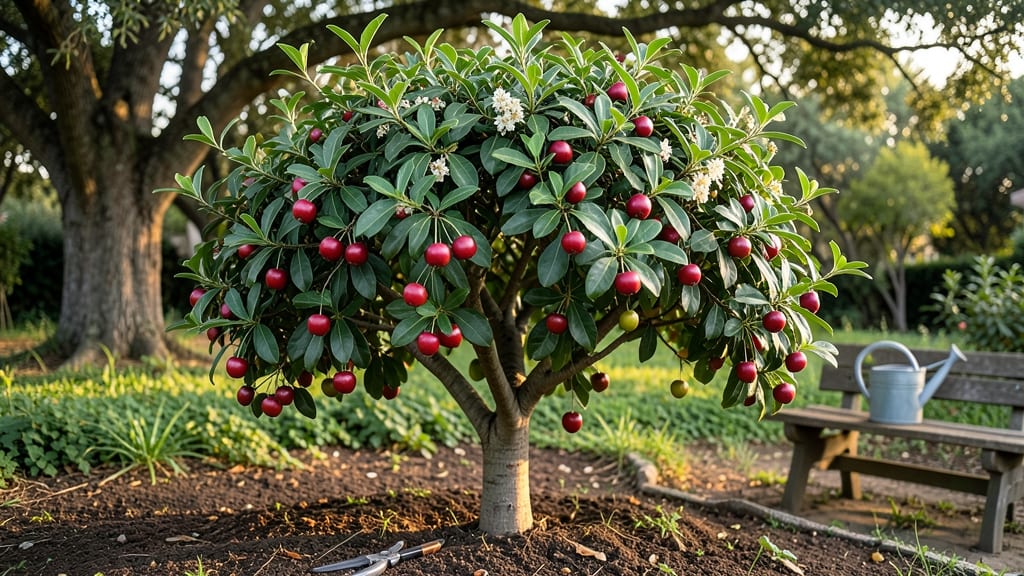
The Brazilian cherry tree thrives when pruned with purpose—year-round shaping unlocks both stunning form and bountiful fruit. 🌿 I’ve learned that most gardeners overlook the subtle cues that signal when to trim, often waiting too long and sacrificing both aesthetics and harvests.
The key lies in understanding its natural growth rhythm: light pruning after fruiting, structural shaping in late winter, and occasional cleanup throughout the year.
This tree rewards patience with glossy foliage, delicate white blossoms, and sweet-tart cherries that birds adore—but humans love even more. A well-pruned Brazilian cherry stays compact enough for small yards yet robust enough to produce fruit for decades.
Start with basic tools: sharp bypass pruners, rubbing alcohol for cuts, and a sturdy ladder if branches reach high. Even a first-time trim can transform a leggy bush into a showstopper.
By summer’s end, you’ll notice thicker branches supporting heavier fruit loads, while winter pruning opens up sunlight to the center—preventing that "sketchy" interior where pests hide. The fruit? Juicier, more abundant, and easier to pick.
Plus, the tree’s ornamental value skyrockets when pruned intentionally, making it a standout in any landscape. Let’s get those branches in shape.
Works beautifully in Zones 9-11, though container-growing extends its range. Cold snaps? Prune lightly in early spring to avoid stress. The goal isn’t perfection—it’s a tree that looks intentional and produces like crazy. Ready to see the difference a few strategic cuts can make?
📚 In This Guide
- What you need
- Instructions
- Tips and common mistakes
- Wrapping up and next steps
What you need
- ● Pruning shears: Bypass pruners (sharp, 5–7-inch blades) for small branches.
- ● Loppers: 8–12-inch bypass loppers for thicker branches (up to 2-inch diameter).
- ● Pruning saw: Curved-tooth pruning saw for branches thicker than 2 inches.
- ● Rubbing alcohol (70%+) or bleach solution: 1 part bleach to 10 parts water (for sterilizing tools).
- ● Garden gloves: Heavy-duty, cut-resistant gloves (to protect from thorns and sap).
- ○ Tree wound dressing (optional): Pruning sealant for large cuts (controversial but useful for some growers).
- ● Ladder or step stool: Tall enough to reach the tree’s canopy safely.
- ● Disposable pruning bags or bucket: For collecting debris (or compost later!).
- ● Permanent marker: For marking branches to remove.
- ○ Extension pole pruners (optional):strong> For high branches without a ladder.
- ● Hand sanitizer or soap: To clean hands after pruning (sap can irritate skin!).
- ● Knowledge of tree structure: Identify the tree’s central leader, scaffold branches, and water sprouts.
- ● Weather check: Prune on a dry, calm day (avoid rain for 24 hours post-pruning).
- ● Safety first: Wear long sleeves/pants to avoid thorns and sap burns.
Step-by-Step guide to pruning your Brazilian cherry tree for year-round health
Here's how to keep your tree thriving with strategic cuts that balance shape and fruit production.
✂️ Step 1: Timing Your Pruning for Maximum Impact
Start with late winter to early spring pruning (just before buds break) to remove dead, diseased, or crossing branches. This is when the tree's energy is dormant but about to surge—perfect for shaping without stressing it. I always make my first cuts in February or March, depending on your local frost dates. Avoid pruning during extreme heat or drought, as the tree uses this time to recover from winter stress.
For summer pruning, focus on light maintenance—removing only water sprouts or branches that rub together. Never remove more than 25% of the canopy in one season, or you risk shocking the tree. Watch for new growth flushes after your initial cuts; these signal when to pause and let the tree adjust.
🌿 Step 2: Removing Deadwood and Problem Branches First
Begin by identifying dead branches—they’ll be brittle, cracked, or lack bark. Snap a small twig between your fingers: if it snaps cleanly and doesn’t bend, it’s dead. Next, look for crossing branches (rubbing against each other) or water sprouts (fast-growing, vertical shoots). These compete for energy and should go first. Use sharp, clean pruning shears to make 45-degree cuts just outside the branch collar (the swollen area where the branch meets the trunk).
If a branch is thicker than 1.5 inches, use a pruning saw instead of shears. Cut on the underside of the branch to prevent bark from tearing. Real talk: I’ve made the mistake of cutting too close to the trunk—always leave that collar intact, or the wound won’t heal properly.
☀️ Step 3: Shaping the Canopy for Light and Airflow
Step back and visualize your tree’s structure—aim for an open-center shape that lets sunlight penetrate to the inner branches. Start at the outer edges and work inward, removing branches that grow inward or downward. These obstruct airflow and create pockets for disease. I like to thin out 10-20% of the canopy this way, focusing on branches that are thinner than a pencil—they’re easier to remove and less likely to leave large wounds.
For fruit production, prioritize scaffold branches (the main structural limbs). These should be spaced 6-12 inches apart along the trunk and angled 45-60 degrees from vertical. If you see suckers (shoots growing from the base or roots), remove them immediately—they drain energy from the main tree.
⏰ Step 4: Post-Pruning Care to Ensure Recovery
After pruning, water deeply to help the tree recover, especially if you’ve made large cuts. The soil should be moist 6 inches down—stick your finger in to check. Avoid fertilizing right after pruning; wait 4-6 weeks to let the wounds seal. If you notice oozing sap from cuts, it’s normal—just leave it alone. The tree will form a protective layer over time.
Monitor the tree for new growth in the following weeks. Healthy branches should sprout green buds within 2-3 weeks of spring pruning. If you see yellowing leaves or wilting, you may have pruned too aggressively. Here’s the thing—Brazilian cherry trees are resilient, but they won’t tolerate drastic changes. Take it slow, and the tree will thank you with vibrant foliage and abundant fruit.
Tips & tricks for pruning your Brazilian cherry tree
These pro techniques will help you maintain a healthy, productive tree without stressing its natural growth cycle.
Seasonal Timing Matters: The February-March window for late winter pruning is critical because it aligns with the tree's natural dormancy period. If you miss this, wait until buds begin to swell—never prune when the tree is actively growing during heatwaves. I've seen trees stressed beyond recovery when pruned during summer droughts, so always check your local frost dates first. The goal is to shape without triggering unnecessary stress.
Branch Identification Technique: For deadwood detection, use the "snap test" described in Step 2—but take it further by examining the branch's base. Healthy branches should have a smooth, intact collar where they meet the trunk. If you see cracks or blackened tissue, that's your cue to remove it. For water sprouts, look for branches growing straight up from the trunk or main limbs; these vertical growths are energy vampires that should be pruned back to their point of origin.
Canopy Shaping Secret: When thinning the canopy as described in Step 3, focus on creating "light tunnels" through the center. Remove branches that grow inward at angles steeper than 45 degrees—these create dense shade that prevents fruit production. I recommend working in the early morning when branches are still flexible, making it easier to visualize the open-center shape. This technique maximizes sunlight exposure while maintaining structural integrity.
Recovery Care Strategy: The 6-inch soil moisture check after pruning is non-negotiable, especially in sandy soils where water drains quickly. For large cuts (over 1.5 inches), apply a thin layer of tree wound sealant to prevent disease entry. I've found that mulching around the base with 2-3 inches of organic material helps retain moisture while keeping roots cool—a simple but effective recovery boost.
Pro Tips for Brazilian Cherry Tree
- These pro techniques will help you maintain a healthy, productive tree without stressing its natural growth cycle.
- Seasonal Timing Matters: The February-March window for late winter pruning is critical because it aligns with the tree's natural dormancy period.
- Branch Identification Technique: For deadwood detection, use the "snap test" described in Step 2—but take it further by examining the branch's base.
Frequently asked questions
Got questions about pruning your Brazilian cherry tree? You’re not alone! Whether you're a first-time pruner or a seasoned gardener, these common queries can help you keep your tree thriving year-round. Let’s dive in!
When is the best time to prune a Brazilian cherry tree?
The ideal time to prune is late winter or early spring, just before new growth begins. This helps avoid stressing the tree during dormancy and promotes healthy fruit production. Light pruning can also be done in summer to shape the tree, but avoid heavy cuts during fruiting season.
How much should I trim back my Brazilian cherry tree?
Remove no more than 25-30% of the tree’s foliage in a single session to avoid shock. Focus on dead, diseased, or crossing branches first, then thin out crowded areas to improve airflow. Over-pruning can reduce fruit yield, so be gentle!
Will pruning increase my Brazilian cherry tree’s fruit production?
Yes! Proper pruning boosts fruit quality and quantity by improving sunlight exposure and air circulation. Remove water sprouts and suckers, and open the canopy to let light reach inner branches. Just avoid pruning too late in the season—wait until after harvest if possible.
What should I do if my tree isn’t producing cherries after pruning?
Several factors could be at play:
- Age: Young trees (under 3-5 years) may need more time to mature.
- Pollination: Brazilian cherry trees are self-pollinating, but poor weather or pests can interfere.
- Nutrients: Test soil pH (ideal: 6.0–7.0) and amend with compost if needed.
- Pruning mistakes: Avoid heavy cuts during flowering or fruiting.
Are there alternatives to pruning for shaping my Brazilian cherry tree?
While pruning is the most effective method, you can train young trees by tying branches to stakes or using espalier techniques for a more controlled shape. However, regular pruning remains essential for long-term health and fruit production. For mature trees, minimal pruning may suffice if the goal is maintenance rather than dramatic reshaping.
Wrapping up and next steps
Pruning your Brazilian cherry tree is a rewarding way to keep it healthy, productive, and stunning year-round! 🌿 Whether you're shaping its branches, boosting fruit yield, or maintaining its natural beauty, the right techniques make all the difference.
With the knowledge you’ve gained—from timing and tools to common mistakes—you’re now ready to transform your tree into a thriving centerpiece.
Ready to take action? Grab your pruners, mark your calendar, and start small! Begin with a single session this season, observe how your tree responds, and adjust as needed. Every cut is a step toward a stronger, fruit-filled future. Happy pruning!