
Planting
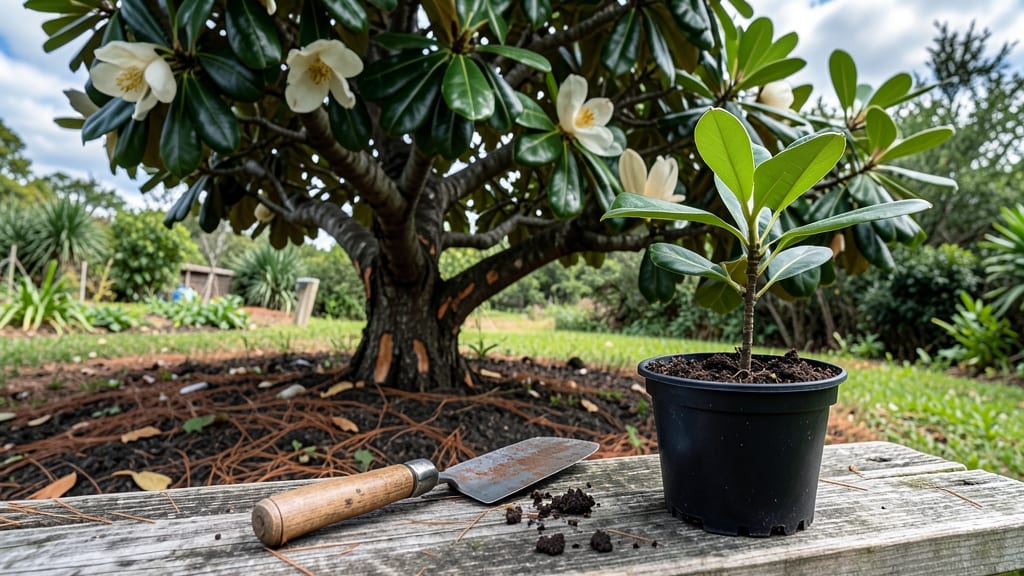
The best place to plant a magnolia tree is one where it can bask in dappled sunlight and thrive—year-round blooms will turn your yard into the envy of the neighborhood. 🌸 I’ve learned the hard way—my first magnolia nearly choked in a shady corner, while the one I planted near the house now bursts with flowers from spring to winter.
The secret isn’t just sunlight; it’s about matching the tree’s needs to your landscape’s personality.
Magnolias thrive in sun-dappled spots—think morning sun and afternoon shade—where roots stay cool but leaves get enough light to fuel those iconic blooms. They hate soggy soil, so avoid low spots where water pools after rain.
A well-drained, slightly acidic soil mix (think leaf mold or compost) keeps roots happy, and giving them 15-20 feet of space prevents future pruning headaches.
What you’ll end up with is a showstopper that anchors your garden design—whether as a dramatic focal point near a patio or a graceful backdrop for perennials. The fragrance alone makes it worth the effort, and those glossy leaves add texture even when flowers fade.
Just avoid planting near sidewalks or driveways; magnolias grow wide, and you don’t want to fight roots later.
Works in zones 4-9, but southern climates need afternoon shade to prevent leaf scorch. If your yard is all sun or all shade, we’ll tweak the approach—no magnolia gets left behind. Let’s find the perfect spot for yours!
📚 In This Guide
- What you need
- Instructions
- Tips and common mistakes
- Wrapping up and next steps
What you need
- ● Magnolia tree: Choose a healthy, container-grown or bare-root sapling (size depends on variety—smaller for Magnolia stellata, larger for Magnolia grandiflora).
- ● Shovel or trowel: A garden shovel (for digging) or hand trowel (for smaller holes).
- ● Garden gloves: Heavy-duty, chemical-resistant (to protect from thorns and soil).
- ● Mulch: 3–4 inches of organic mulch (pine straw, shredded bark, or compost).
- ● Watering can or hose: With a gentle spray nozzle (avoid high pressure).
- ○ Soil amendment (optional but helpful): Compost (for nutrient-poor soil).
- ● Peat moss or pine fines (to improve drainage in clay-heavy soil).
- ● Location scouting: Pick a spot with 6+ hours of dappled sunlight (morning sun + afternoon shade is ideal).
- ● Soil test (recommended): Check pH (magnolias prefer 4.5–6.5) and drainage (they hate soggy roots!).
- ● Clear the area: Remove weeds, rocks, or debris from a 10-foot radius around the planting site.
- ● Check frost dates: Plant in early spring (after last frost) or fall (6–8 weeks before first frost).
- ● Stake young trees: Use 2–3 stakes and soft ties if your area gets strong winds.
- ● Avoid fresh mulch: Wait 2–3 weeks after planting before adding mulch to prevent root rot.
- ● Watering schedule: Keep soil consistently moist (not soggy) for the first 2 years.
How to choose the perfect spot for a thriving magnolia tree
Here's my foolproof method for finding that ideal sun-dappled location.
🌿 Step 1: Study Your Yard's Light Patterns All Day
Magnolias adore morning sun and filtered afternoon light—think of them as sunbathers who avoid the harsh midday glare. Start by observing your yard at 9 AM, noon, and 4 PM for at least three days. Mark areas where sunlight shifts between full sun (6+ hours) and partial shade (3-6 hours)—this is your sweet spot.
Look for locations where dappled sunlight filters through nearby trees or buildings. The perfect spot will receive bright morning rays but gentle afternoon shade. If your yard only has full sun all day, choose the northeast corner where trees might eventually provide shade as they grow.
☀️ Step 2: Test Soil Moisture and Drainage
Magnolias despise soggy roots but won't tolerate bone-dry soil either. Dig a 6-inch deep hole in your top candidate spots and check the moisture level. Press your finger into the soil—if water seeps back within 10 seconds, the area stays too wet. If the soil feels completely dry after a week, it's too arid.
Ideal soil should feel moist but not soggy at 6 inches deep. If your yard has heavy clay or constantly wet areas, amend the soil with 2-3 inches of compost mixed into the top 12 inches of soil. This improves drainage while retaining enough moisture for deep roots.
🪴 Step 3: Consider Future Growth and Space
Magnolias grow 15-40 feet tall and 10-25 feet wide, depending on the variety. Measure your yard's mature trees for scale—your magnolia should have at least 15 feet of clearance from buildings, sidewalks, and power lines. Use a 20-foot tape measure to outline the future canopy area and mark boundaries with stakes.
Here's the thing—southern exposure spots work best for most magnolia varieties, but eastern exposures are ideal for late-blooming types like 'Jane' or 'Ann'. Avoid planting near large evergreens that cast dense shade year-round, as this will stunt flower production.
⏰ Step 4: Time Your Planting for Seasonal Success
Fall is the best time to plant magnolias because cool temperatures and 60-70°F soil encourage strong root establishment before winter. Aim for October or November in most climates, but September works in warmer zones. If you must plant in spring, do it 4-6 weeks before your last frost date to give roots time to settle.
When you plant, dig a hole twice as wide as the root ball but no deeper. The top of the root ball should sit 1-2 inches above ground level—this prevents water from pooling around the trunk. Water deeply right after planting to eliminate air pockets and help soil settle.
🌱 Step 5: Monitor and Adjust for Long-Term Success
Watch your magnolia's leaves for 3-4 weeks after planting. If new growth appears pale or yellow, it needs more morning sun. If leaves curl or wilt in afternoon heat, it's getting too much direct sun—consider light pruning of nearby branches to filter sunlight.
Real talk: First-year blooms are rare—focus on establishing strong roots instead. Mulch the base with 3 inches of organic mulch (like pine straw) to retain moisture and regulate soil temperature. Keep the mulch 6 inches away from the trunk to prevent rot.
Tips & tricks for perfect magnolia planting spots
These game-changing tips will help you avoid common mistakes and get that showstopping bloom performance.
Sunlight Strategy: I learned this the hard way—magnolias hate afternoon sunburn! After planting, watch for leaves that look like they've been scalded by noon sun. If you see crispy edges, you've got too much direct light. The perfect spot gets morning sun (6-8 hours) and afternoon shade—like a sunbathing session with gradual fade-out.
Soil Test Hack: Don't just dig a hole—test your soil first! Grab a handful of moist soil and squeeze it. If it stays in a tight ball, you've got clay (amend with compost). If it crumbles instantly, it's too sandy (add peat moss). The 6-inch moisture test from Step 2 is your best friend—if water seeps back in under 10 seconds, that spot's too soggy for roots.
Future-Proofing: Here's what nobody tells you—magnolias grow FAST. After planting, use a 20-foot tape measure to mark the mature canopy size (15-40 feet wide!). I've seen too many people plant near fences or power lines only to need emergency pruning later. Measure twice, plant once!
Seasonal Timing: The 60-70°F soil temperature window is critical for root establishment. Use a soil thermometer to check before planting—if it's cooler than 60°F, wait a few days. I've planted in October when soil was still 55°F and watched roots struggle to establish. Fall's cool temps help roots grow while tops stay dormant—nature's perfect setup!
Pro Tips for Best Place To Plant Magnolia Tree
- These game-changing tips will help you avoid common mistakes and get that showstopping bloom performance.
- Sunlight Strategy: I learned this the hard way—magnolias hate afternoon sunburn!
- Soil Test Hack: Don't just dig a hole—test your soil first!
Frequently asked questions
Got questions about planting your magnolia tree?
You’re not alone! Here are answers to the most common concerns—from timing to troubleshooting—so you can plant with confidence and watch your tree thrive.
What’s the best time of year to plant a magnolia tree?
Plant your magnolia in early spring or fall (4–6 weeks before your first frost). This gives roots time to establish before extreme heat or cold. Avoid planting in summer—heat stress can shock young trees. If you must plant in summer, water deeply 2–3 times per week to keep soil moist.
How close to my house or fence can I plant a magnolia?
Magnolias need space! Keep them at least 15–20 feet away from structures to avoid root conflicts and give them room to grow (some varieties reach 40+ feet tall). For smaller species like Magnolia stellata, 10 feet is usually safe. Always check local codes—some areas restrict large trees near foundations.
Why isn’t my magnolia blooming after planting?
Patience is key! Young magnolias (under 5 years old) may focus on root growth first. If it’s mature (and planted correctly), check for:
- Sunlight: Too much shade? Move to a sun-dappled spot.
- Soil: Poor drainage? Amend with compost or plant on a slight mound.
- Stress: Over-pruning or drought can delay blooms. Water deeply 1–2 times per week during dry spells.
Can I plant a magnolia in a container or small yard?
Yes! Dwarf varieties like Magnolia ‘Little Gem’ or ‘Black Tulip’ thrive in large containers (15+ gallon pots). Use well-draining soil and repot every 2–3 years. For small yards, choose Magnolia stellata (6–10 ft tall) or ‘Teddy Bear’ (compact and cold-hardy). Just ensure the pot gets morning sun + afternoon shade.
What pests or diseases should I watch for with magnolia trees?
Magnolias are generally low-maintenance, but keep an eye out for:
- Scale insects: Tiny bumps on leaves/stems. Treat with horticultural oil.
- Fungal issues (e.g., powdery mildew): Improve airflow by pruning dense branches and avoid overhead watering.
- Borers: Rare but serious. Look for sawdust-like frass near the trunk. Call an arborist if you spot holes.
Wrapping up and next steps
Choosing the perfect spot for your magnolia tree is all about balance—sunlight, shelter, and soil work together to create a thriving, blooming beauty. 🌿 Whether you opt for a sun-dappled garden bed, a protected corner near a fence, or a container-friendly patio, the key is patience and observation.
Watch your tree’s growth, adjust as needed, and soon, you’ll be rewarded with stunning blooms and lush foliage for years to come!
Ready to plant? Roll up your sleeves, grab your gloves, and get growing! Start by marking your ideal spot, prepping the soil, and giving your magnolia the love it deserves. Happy planting! 🌱