
Pruning
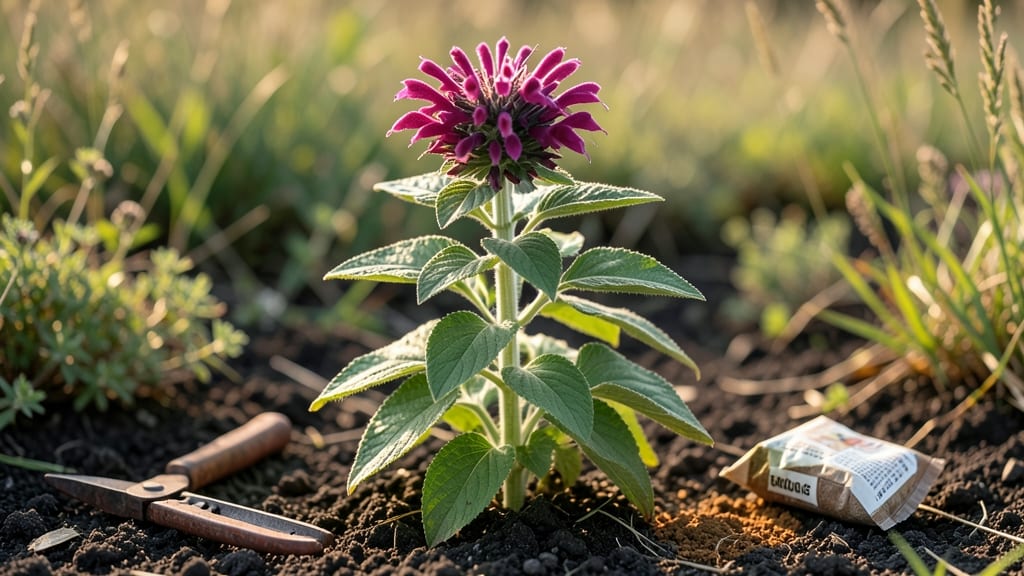
That bee balm tree you've been admiring might not exist—at least not as a true tree. What most people call "bee balm tree" is actually a shrubby Callicarpa (like 'Beautyberry') or a fast-growing Monarda reaching small-tree height.
I've spent years clarifying this confusion, and here's how to prune either type for lush, year-round interest.
The key to revival lies in timing and technique. For Callicarpa, prune right after blooming to shape the canopy while preserving next year's flowers. Monarda thrives with a late-winter cutback—down to 12 inches—before new growth emerges.
Both respond beautifully to this approach, with Callicarpa producing vibrant purple berries and Monarda delivering those signature tubular blooms that hummingbirds adore.
What you'll end up with is a cold-hardy landscape centerpiece that blooms from midsummer through fall, then delivers winter interest. The foliage stays vibrant longer than most perennials, and the structure holds up beautifully in stormy seasons.
Plus, you'll attract pollinators like crazy—bees, butterflies, and hummingbirds will make your yard their summer headquarters.
This method works equally well in zones 3-9, though Monarda may need winter protection in colder regions. The same principles apply whether you're shaping a 6-foot Callicarpa or a 4-foot Monarda—just adjust the height targets. Let's get those shears ready and transform your garden's backbone!
📚 In This Guide
- What you need
- Instructions
- Tips and common mistakes
- Wrapping up and next steps
What you need
- ● Pruning shears – Bypass pruners (sharp, clean, and sterilized with rubbing alcohol to prevent disease).
- ● Loppers – For thicker branches (1.5"–2" diameter). Look for bypass-style loppers for precision cuts.
- ● Pruning saw – For branches too thick for loppers (2"+ diameter). Choose a curved blade for cleaner cuts.
- ● Gloves – Heavy-duty, cut-resistant gloves to protect against thorns and sharp branches.
- ● Disposable pruning bags – To collect and dispose of clippings (1–2 bags, depending on tree size).
- ● Rubbing alcohol (70% or higher) – For sterilizing tools between cuts.
- ○ Pruning sealant – Optional but helpful for sealing large cuts (1 small tube).
- ● Ladder or step stool – If your tree is taller than 6–8 feet.
- ● Choose the right time: Prune in late winter or early spring (before new growth starts) or right after flowering (summer). Avoid pruning in fall to prevent frost damage.
- ● Weather check: Pick a dry, calm day (no rain forecast for 24 hours) to minimize stress on the tree.
- ● Safety first: Wear eye protection (safety goggles) and check for pests or diseases before starting.
- ● Know your tree: Confirm it’s a bee balm (Monarda spp.)—some varieties (like Monarda didyma) respond better to pruning than others.
How to prune a bee balm tree for a thicker, longer-blooming canopy
This is the method I’ve used to keep my bee balm trees lush and flowering for years—no guesswork, just strategic cuts.
Time Your Pruning for Maximum Regrowth
Wait until late winter or early spring, just as new growth buds begin to swell. This timing ensures you’re cutting back before the plant’s active growing season kicks in. If you prune too early, you risk damaging dormant buds; too late, and you’ll cut off potential blooms for the current season.
Check the buds closely—they’ll look slightly plump and ready to burst. If your climate has mild winters, delay until after the last frost date to avoid cold snaps weakening the plant. I’ve found that pruning in February or March gives my bee balm trees enough time to recover and burst into bloom by early summer.
Remove Dead or Damaged Wood First
Start by inspecting the entire tree for dead, diseased, or weak branches. These are easy to spot—they’ll be brown, brittle, or lacking leaves. Use clean, sharp bypass pruners to make clean cuts just above a healthy bud or lateral branch. Never leave stubs, as they can invite pests or rot.
If a branch is larger than ½ inch in diameter, use loppers instead. Cut at a 45-degree angle about ¼ inch above the bud, slanting away from the bud to prevent water from pooling. This step keeps your tree healthy and sets the stage for better regrowth.
Thin Out Overcrowded Branches for Better Airflow
Look for branches that are growing inward or rubbing against each other. These compete for sunlight and can lead to weak growth or disease. Remove one-third of the oldest or thickest branches, cutting them back to their base. This opens up the canopy, allowing light and air to circulate freely.
Thinning also encourages the tree to produce stronger, new growth from the center. I like to step back and visualize the tree’s shape—if it looks too dense, keep cutting until you see light filtering through the branches. This is where the magic happens: a well-thinned bee balm tree blooms longer and more abundantly.
Shape the Canopy for Fullness and Structure
Now, focus on shaping the tree. Start by cutting back last year’s growth by about one-third to encourage bushier growth. Make your cuts just above a set of healthy buds—this ensures new shoots will grow outward, filling in the canopy. Avoid cutting into old wood, as it may not regrow.
For a more rounded shape, trim the outer branches slightly shorter than the inner ones. This creates a natural tiered effect, with the center of the tree denser and the edges softer. If your bee balm tree is leggy, you can also shorten the tallest branches to promote a more balanced silhouette.
Clean Up and Monitor for New Growth
After pruning, gather all the clippings and dispose of them properly—either in a sealed bag or by burning (if allowed in your area). This prevents the spread of disease. Give the tree a light watering to help it recover, especially if the weather is dry.
Within 2-4 weeks, you should see new growth emerging from the pruned areas. Keep an eye out for soft, green shoots—this is your sign that the tree is responding well. If you notice any yellowing leaves or wilting, it might mean the tree is stressed, so hold off on heavy pruning next time and focus on watering and fertilizing instead.
Tips & tricks for perfect bee balm tree pruning
Here's what I've learned after years of shaping my bee balm trees - these details make all the difference between a good pruning and a great one.
Timing is Everything: The February-March window is critical because it gives your bee balm tree's dormant buds time to wake up before active growth begins. I've found that pruning too early in winter can damage these buds while waiting too late risks cutting off potential blooms for the current season. If you're in a particularly cold climate, wait until after the last frost date to ensure the plant isn't stressed by cold snaps during recovery.
Precision Cutting Technique: When removing branches larger than ½ inch in diameter, the 45-degree angle cut is essential. This angle prevents water from pooling at the cut site, which can lead to rot. I always make sure to cut about ¼ inch above the bud, slanting away from it - this small detail makes a huge difference in how quickly new growth appears. Using clean, sharp bypass pruners is non-negotiable for making clean cuts that heal properly.
Visualizing the Canopy: Step back frequently during the thinning process and look for light filtering through the branches. This visual cue tells you when you've removed enough branches to allow proper airflow. I've learned to trust my eyes here - if you can see through the center of the tree, you've done enough. This openness is what creates that lush, tiered effect that produces longer blooming seasons.
Post-Pruning Care: The 2-4 week recovery period is when most people make mistakes. Don't be tempted to prune again too soon - give the tree time to establish new growth. I've seen stressed trees where gardeners pruned again after just a few weeks, only to see yellowing leaves and stunted growth. A light watering after pruning helps, but avoid heavy watering which can cause root rot during the recovery phase.
Pro Tips for Bee Balm Tree
- Here's what I've learned after years of shaping my bee balm trees - these details make all the difference between a good pruning and a great one.
- Timing is Everything: The February-March window is critical because it gives your bee balm tree's dormant buds time to wake up before active growth begins.
- Precision Cutting Technique: When removing branches larger than ½ inch in diameter, the 45-degree angle cut is essential.
Frequently asked questions
Got questions about pruning your bee balm tree (Monarda spp.) to keep it cold-hardy and blooming year-round? You’re not alone! Here are some common concerns—and straightforward answers—to help you master the art of revival pruning.
When is the best time to prune my bee balm tree for cold hardiness?
The ideal window is late winter or early spring, just before new growth starts. This timing removes dead wood, shapes the canopy, and ensures the tree’s energy focuses on spring blooms. Avoid pruning in fall—it can leave cuts vulnerable to winter damage. For severe cold zones, a light pruning in mid-winter (if no snow cover) can also help.
How much can I trim back my bee balm tree without harming it?
You can safely remove up to 25–30% of the tree’s total growth in one session. For revival pruning, focus on:
- Dead or diseased branches (cut to the collar or outward-facing bud).
- Crossing or rubbing branches (thin them out to improve airflow).
- Overly dense areas to encourage sunlight penetration (aim for an open vase shape).
My bee balm tree isn’t blooming as much after pruning. Did I do it wrong?
Bloom reduction often happens if you prune too late (after buds form) or cut back flowering stems. Bee balm blooms on new wood, so prune in early spring to preserve next year’s buds. If blooms are sparse, also check:
- Sunlight: Ensure it gets 6+ hours of sun daily.
- Soil: Amend with compost if the soil is poor.
- Water: Deep water 1–2 times weekly during dry spells.
Can I prune a bee balm tree in extreme cold (below 10°F)?
Pruning in freezing temperatures (below 10°F) is risky—tools can freeze, and fresh cuts may heal poorly. Wait until temps rise above 32°F for at least a few days. If you must prune in winter (e.g., to remove dead wood), do it on a warmer day (40°F+) and seal large cuts with pruning sealant to prevent disease.
Are there alternatives to bee balm if I want a cold-hardy, blooming tree?
If bee balm proves too high-maintenance, consider these cold-hardy, low-maintenance alternatives:
Tree/Plant
USDA Hardiness Zone
Bloom Time
Key Benefit
Serviceberry (Amelanchier)
3–8
Spring
Edible berries, zero pruning needed.
Russian Olive (Elaeagnus angustifolia)
3–9
Summer
Drought-tolerant, thrives in poor soil.
Ninebark (Physocarpus)
2–7
Spring–summer
Tough, disease-resistant, great for hedges.
Wrapping up and next steps
The bee balm tree (Monarda) is a resilient, pollinator-friendly powerhouse that rewards your gardening efforts with vibrant blooms and year-round interest—if you tend to it with care. Pruning isn’t just maintenance; it’s your secret to a thriving, cold-hardy canopy that keeps bees buzzing and your landscape stunning.
Now that you’re armed with the right tools, techniques, and timing, there’s no better moment to roll up your sleeves and give your tree the TLC it deserves.
🚀 Ready to transform your garden? Start small—pick a sunny afternoon, gather your supplies, and take that first confident cut. Your bee balm tree (and the pollinators!) will thank you for years to come. Happy pruning! 🌿🐝