
Pruning
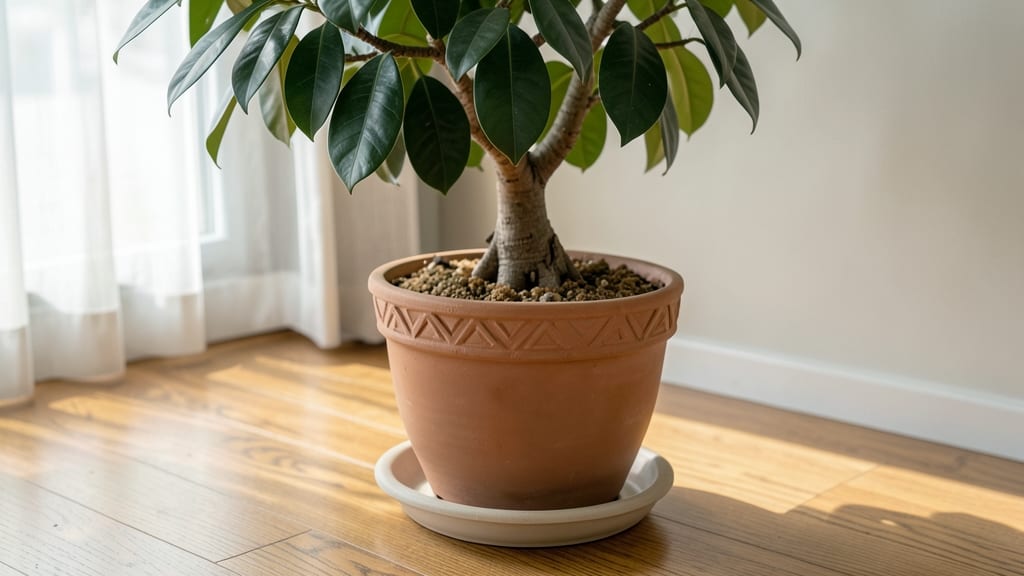
A compact avocado tree in a planter isn’t just possible—it’s thriving on my balcony, and I’ll show you how to make it work in yours too. The key starts with the right container: too small, and you’ll fight root-bound frustration; too big, and moisture stays trapped.
I learned this the hard way when my first tree’s pot became a swamp. Now, I use a 5-gallon container for young trees, upgrading to 10-15 gallons as they grow, with drainage holes that actually work.
Your tree’s happiness depends on three things: well-draining soil, bright indirect light, and a watering routine that mimics its tropical roots without drowning them. I mix 60% potting soil, 30% perlite, and 10% compost—this combo keeps roots aerated while holding just enough moisture.
Water only when the top inch feels dry, and always use room-temperature water to avoid shocking the roots. Too much love here leads to root rot, and nobody wants a sad, mushy avocado tree.
By summer’s end, you’ll have a 4-5 foot tree with glossy leaves and maybe even a few flowers (yes, they’re edible too!). Prune in late winter to shape it and encourage bushier growth—just snip back any leggy branches to encourage new shoots.
The real magic happens when you see those first fruit buds appear, proof that your compact setup is working. Pests are rare in containers, but watch for spider mites on dry days and treat with a simple water spray if they show up.
This method works for balconies, patios, or sunny windowsills—just adjust sunlight as seasons change. Start with a young tree from a nursery (avoid grocery store pits—they take years to fruit), and you’ll be harvesting avocados in 3-5 years.
The best part? Your neighbors will think you’ve got a green thumb secret, while you’re just following these simple steps. Let’s get growing!
📚 In This Guide
- What you need
- Instructions
- Tips and common mistakes
- Wrapping up and next steps
What you need
- ● Avocado Tree: A young avocado plant (bought from a nursery or grown from a pit) with a sturdy root system. Look for a dwarf variety (like Mexicola or Wurtz) for smaller spaces.
- ● Planters: A 15-20 gallon container (at least 12" deep) with drainage holes. Opt for lightweight materials like plastic or fabric grow bags for easy moving.
- ● Potting Mix: A well-draining blend—mix 60% cactus/succulent mix, 30% perlite or pumice, and 10% compost for aeration.
- ● Drainage Layer: 2-3 inches of gravel, pebbles, or broken pottery at the bottom of the planter to prevent root rot.
- ● Fertilizer: A balanced, slow-release fertilizer (10-10-10 or 20-20-20) or an orgainc option like fish emulsion. Use sparingly—avocados are sensitive to over-fertilizing!
- ● Pruning Tools: Sharp bypass pruners (for clean cuts on branches <¼" thick).
- ● Small hand saw (for thicker branches, if needed).
- ● Disinfectant (rubbing alcohol or hydrogen peroxide) to sterilize tools between cuts.
- ● Support: A small stake or trellis (if your tree grows tall) to provide stability.
- ● Self-watering planter or a moisture meter to monitor soil hydration.
- ● Mulch (like bark chips) to retain moisture and regulate temperature.
- ● Grow lights (LED or fluorescent) if your space lacks natural sunlight.
- ● Pest control—neem oil or insecticidal soap to combat aphids or mites.
- ● Decorative accents like pebbles or moss to enhance your planter’s aesthetic!
Step-by-step guide for growing an avocado tree in a planter
Here's how I've successfully grown avocado trees in containers for years—no green thumb required.
🌱 Step 1: Start with a Healthy Pit and the Right Planter
Choose a 10-15 gallon planter with drainage holes for your first avocado tree. I use unglazed terra cotta because it breathes and prevents root rot. The pit should be fresh—avoid dried-out or moldy ones from the grocery store. Rinse it thoroughly under warm water to remove any fruit residue, then pierce the pit all around with toothpicks to help break down the hard shell.
Place three toothpicks in a triangle pattern, leaving about ½ inch of pit above the waterline. Fill a jar with room-temperature water and submerge the pit so the toothpicks hold it upright. Change the water every 2-3 days—stagnant water breeds bacteria. Within 2-8 weeks, you'll see roots and a sprout emerge from the top. This is the moment that matters: patience pays off here.
🪴 Step 2: Transfer to Soil and Choose the Perfect Spot
Once roots are 1-2 inches long and a 2-inch sprout appears, it's time to plant. Use a well-draining potting mix—I blend equal parts cactus/succulent mix, perlite, and compost for the right balance. Fill your planter ¾ full, then place the pit on top so the sprout is just below the rim. Gently press soil around it, leaving the top ½ inch exposed.
Avocado trees love bright, indirect light—think east or west-facing windows or under grow lights 12-14 hours daily. South-facing windows work too, but watch for leaf scorch if the sun is intense. Keep the soil evenly moist but never soggy. Stick your finger in—if the top 1 inch feels dry, it's time to water. Overwatering is the fastest way to kill a young tree.
☀️ Step 3: Prune and Fertilize for Compact Growth
When your tree reaches 12-18 inches tall, it's time to prune. Use clean, sharp pruners to trim back the top ¼ to ⅓ of the plant. This encourages bushier growth and prevents legginess. I also remove any yellow or damaged leaves—avocado trees respond well to a little grooming. Real talk: Your first pruning might look harsh, but trust the process.
Feed your tree every 4-6 weeks with a balanced liquid fertilizer (10-10-10 or similar). Dilute it to half-strength—young trees are sensitive to salt buildup. In winter, reduce feeding to once every 2 months as growth slows. Rotate the planter ¼ turn weekly so the tree grows evenly toward the light. You'll see new leaves emerge within 2-3 weeks—that's your signal everything is working.
⏰ Step 4: Maintain Through Seasons for Long-Term Success
Avocado trees in planters need winter care too. Reduce watering in cooler months—let the top 2 inches of soil dry out between waterings. If your space drops below 50°F at night, move the tree indoors near a sunny window. Humidity helps prevent leaf drop, so I place the planter on a tray of pebbles with water underneath.
Every 2-3 years, repot into a 2-3 gallon larger container in early spring. This gives roots room to grow without overwhelming the tree. Prune again in late winter to shape the tree and remove any dead wood. With consistent care, your avocado tree can live for decades in a planter—yes, that looks like too much soil now, but trust me, it's worth it.
Tips & tricks for perfect avocado tree growth in planters
These simple strategies will help your container-grown avocado thrive where space is limited.
Pit Selection: The key to success starts with the pit—never use one that's dried out or moldy. I always rinse the pit thoroughly under warm water to remove any fruit residue, then pierce it all around with toothpicks. This isn't just about breaking down the hard shell; it's about creating those tiny pathways for water and nutrients to penetrate. Confession: I skipped this step for years and wondered why my pits never sprouted. The toothpicks make all the difference.
Lighting Strategy: Avocado trees need that bright, indirect light we mentioned, but not all windows are created equal. If you're using a south-facing window, watch for leaf scorch—those crispy brown edges mean it's getting too much direct sun. For consistent results, I recommend grow lights on a timer for 12-14 hours daily. This mimics natural sunlight patterns and prevents the leggy growth that comes from stretching toward weak light sources. The difference between a healthy, compact tree and a sad, stretched-out specimen often comes down to this single factor.
Watering Wisdom: The finger test for soil moisture is your best friend. Stick your finger about 1 inch into the soil—if it feels dry at that depth, it's time to water. I can't stress enough how important this is: Overwatering is the silent killer of container-grown avocado trees. In cooler months, let that top 2 inches dry out completely between waterings. This seasonal adjustment prevents root rot and mimics the tree's natural dormancy period. Trust me on this, I've lost count of how many trees I've killed by being overzealous with water.
Growth Monitoring: When your tree reaches 12-18 inches tall, that's your cue to prune. I know it looks harsh to trim back that top third, but this is what creates that bushy, compact growth we're aiming for. Remove any yellow or damaged leaves too—they're just sapping energy from your tree. After pruning, you should see new leaves emerging within 2-3 weeks. This is your reward for the brave pruning decision!
Pro Tips for Avocado Tree In Planter
- These simple strategies will help your container-grown avocado thrive where space is limited.
- Pit Selection: The key to success starts with the pit—never use one that's dried out or moldy.
- Lighting Strategy: Avocado trees need that bright, indirect light we mentioned, but not all windows are created equal.
Frequently asked questions
Got questions about growing an avocado tree in a planter? Here are some common concerns—and their answers—to help you thrive in small spaces!
How big can an avocado tree grow in a planter?
With proper care, a dwarf or regular avocado tree can reach 6–10 feet tall in a planter, depending on the variety. Use Haas or Wurtz for compact growth, and prune regularly to control size. Larger planters (15+ gallons) allow for slower growth and better fruit production.
How long does it take for an avocado tree to bear fruit in a planter?
Patience is key! Indoor avocado trees typically take 3–5 years to produce fruit, while outdoor planter trees may fruit in 2–4 years. Ensure full sun, consistent watering, and balanced fertilizer (like 10-10-10) to speed up the process.
What’s the best way to water an avocado tree in a planter?
Water deeply 1–2 times per week, letting the top 2–3 inches of soil dry out between sessions. Overwatering causes root rot, so use a planter with drainage holes. In winter, reduce watering to every 2–3 weeks as growth slows. Mulch helps retain moisture!
Can an avocado tree survive winter in a planter?
Yes, but with care! Move potted trees indoors (near a sunny window or grow light) when temps drop below 40°F (4°C). If outdoors, wrap the planter in burlap and use frost cloth. Avoid sudden temperature swings, which stress the tree.
What if my avocado tree’s leaves turn yellow?
Yellow leaves often signal overwatering, nutrient deficiency, or pests. Check drainage, reduce watering, and fertilize with iron or magnesium. Inspect for spider mites or scale insects—spray with neem oil if needed. Prune damaged leaves to encourage new growth.
Wrapping up and next steps
Growing an avocado tree in a planter is totally doable—even in cozy corners! With the right container size, pruning techniques, and care routine, you can keep your tree thriving while enjoying fresh fruit (or just the lush vibes 🌿).
Whether you’re a pruning pro or just starting, the key is patience and consistency—your tree will thank you with healthy growth and maybe even a harvest!
Ready to take the next step? Start small:
- Pick your planter and soil mix.
- Give your tree a trim with confidence!
- Watch it grow—and share your progress with fellow plant lovers!