
Flowers
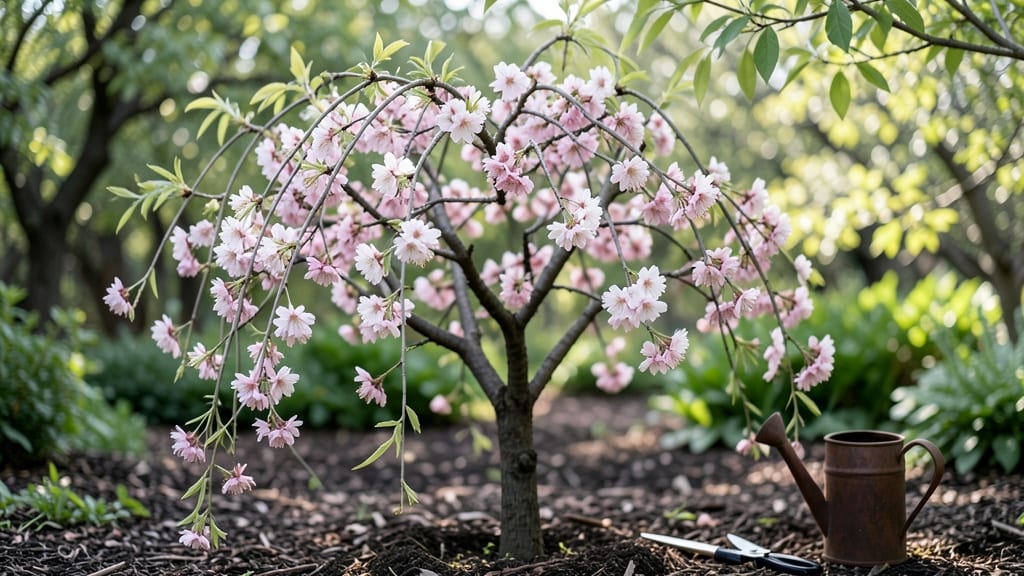
The moment your apricot tree flowers burst into delicate pink blossoms is one of my favorite spring sights—especially in the Pacific Northwest, where frost can threaten early blooms.
These flowers aren't just pretty; they're the promise of sweet fruit later in the season, and with the right care, you can protect them from late frosts while encouraging abundant blooms year after year.
Apricot trees need a balance of sun, water, and proper pruning to set healthy flowers. Too much shade or inconsistent watering can lead to sparse blooms, while aggressive pruning can reduce flowering potential.
The key is timing: prune in late winter or early spring before buds swell, and fertilize lightly in early spring to support new growth without overwhelming the tree.
With the right approach, you'll see clusters of fragrant pink flowers in early spring, followed by juicy apricots by summer. The trees reward patience with stunning blossoms and delicious harvests—if you avoid common pitfalls like over-fertilizing or ignoring frost warnings. Let's get those blooms thriving!
This guide covers everything from frost protection to pest management, so you can enjoy both the beauty of the flowers and the bounty of the fruit. Whether you're a first-time apricot grower or looking to improve your existing tree, these tips will help you cultivate a healthier, more productive tree.
📚 In This Guide
- What you need
- Instructions
- Tips and common mistakes
- Wrapping up and next steps
What you need
- ● Apricot tree varieties: 1–3 frost-resistant apricot trees (e.g., 'Gold Bar,' 'Royal Robin,' or 'Moonglow'—these thrive in zones 5–8!).
- ● Pollination partners: If growing from seeds, plant at least 2 trees for cross-pollination (or choose self-pollinating varieties like 'Royal Robin').
- ● Soil amendments: 5 lbs compost or well-rotted manure per planting hole.
- ● 2 lbs balanced fertilizer (10-10-10) or citric acid (to lower soil pH if needed—apricots hate alkaline soil!).
- ● Planting supplies: 1 shovel (for digging holes 2–3x wider than the root ball).
- ● 1 garden hose or watering can (with a drip irrigation nozzle for gentle watering).
- ● 2–3 mulch chips (e.g., wood chips or straw) to retain moisture and suppress weeds.
- ● Required: 1 pruning shears (sterilized with rubbing alcohol).
- ○ 1 grafting tool (if grafting scions—optional but ideal for frost-hardy varieties!).
- ● 1 soil pH test kit (apricots prefer 6.0–6.5; adjust with sulfur if needed).
- ○ Optional (but helpful!): 1 tree guard (to protect young saplings from deer or frost).
- ● 1 drip irrigation system (for consistent moisture during flowering).
- ● 1 frost cloth (for late-season blooms in chilly zones).
- ● Full sun exposure (6+ hours/day).
- ● Well-draining soil (avoid clay—amend with sand if needed!).
- ● Protection from strong winds (plant near a fence or use a windbreak).
- ● Patience! Apricot trees take 3–5 years to flower fully—choose a spot you’ll love long-term. 🌿
Step-by-step guide for cultivating apricot tree flowers in the Pacific Northwest
Here's how to coax vibrant apricot blooms from your tree—even when frost lingers.
Choose the Right Apricot Variety for Cold Climates
Not all apricots handle Pacific Northwest winters equally. Look for cold-hardy varieties like 'Goldbar' or 'Royal Robin,' which tolerate down to 15°F without bud damage. These varieties also bloom later in the season, avoiding late frosts that can ruin blossoms. Check your USDA hardiness zone—most PNW gardens fall between 6b and 8a—and select a variety rated for your specific zone.
If you're planting from a nursery tree, verify the rootstock. Semi-dwarf varieties (like those grafted onto 'Marianna 2624') establish faster in cooler climates. Avoid full-size trees unless you're in a sheltered microclimate. The right variety makes all the difference between a tree that struggles and one that thrives.
Plant in Well-Drained Soil with Full Sun Exposure
Apricot trees demand 6-8 hours of direct sunlight daily, so pick a south-facing spot where they won’t be shaded by buildings or taller trees. The Pacific Northwest’s damp winters mean poor drainage is the #1 killer—amend heavy clay soil with 3-4 inches of compost and a handful of sand to improve aeration. Test your soil’s pH; apricots prefer 6.0-7.0. If your soil is too acidic, add crushed limestone to raise the pH gradually.
Plant in early spring or fall, when temperatures are mild. Dig a hole twice as wide as the root ball but no deeper. Gently loosen roots if they’re circling, then backfill with native soil mixed with compost. Water deeply to settle the soil, then mulch with 2-3 inches of wood chips to retain moisture and regulate soil temperature. Avoid mulching too close to the trunk—keep it 3-4 inches away to prevent rot.
Protect Flowers from Late Frosts with Strategic Timing
Apricot blooms are frost-sensitive, but you can outsmart late spring frosts by choosing varieties with staggered bloom times. 'Goldbar,' for example, blooms 2-3 weeks later than standard apricots, reducing frost risk. If your area still gets unpredictable cold snaps, consider installing a frost cloth or row covers over the tree when flowers first appear. These lightweight fabrics trap heat without smothering the tree.
Monitor your local frost forecast closely. If a 28°F or lower freeze is predicted after buds swell, water the tree deeply the night before. Moist soil holds heat better, giving flowers a slight buffer. Avoid overhead watering once buds open—wet blossoms freeze more easily. Instead, use a soaker hose at the base.
Fertilize and Prune for Healthy Blooms Next Season
Apricot trees need balanced nutrition to produce abundant flowers. In early spring, apply a 10-10-10 fertilizer (following package rates) when new leaves emerge. Avoid high-nitrogen fertilizers in late summer—they encourage leafy growth at the expense of flower buds. Instead, switch to a low-nitrogen, high-phosphorus fertilizer (like 5-10-10) in late fall to promote root and bud development.
Prune in late winter or early spring before buds swell. Remove dead, diseased, or crossing branches first, then thin the canopy to improve airflow. Aim for an open center that lets sunlight reach inner branches—this encourages more blooms. Never prune more than 25% of the tree’s canopy in one season, or you’ll stress the tree. Sealed cuts with pruning sealant to prevent disease entry, especially in the damp PNW climate.
Monitor for Common PNW-Specific Pests and Diseases
The Pacific Northwest’s mild, wet winters create ideal conditions for peach leaf curl, a fungal disease that distorts leaves and reduces flowering. Prevent it by applying a copper fungicide in late fall or early spring before buds swell. Spray again after petal fall if rain is forecast. For organic control, use baking soda spray (1 tablespoon baking soda + 1 quart water + a drop of dish soap) every 2 weeks during wet periods.
Keep an eye out for aphids and scale insects, which thrive on apricot blossoms. A strong spray of water can knock them off, but for stubborn infestations, use neem oil or insecticidal soap. Avoid chemical pesticides during bloom—they’ll harm pollinators. Healthy trees with good airflow resist pests better, so proper pruning and fertilization go a long way toward prevention.
Tips & tricks for cultivating frost-resilient apricot tree flowers
These practical insights will help you maximize blooms and protect your tree from PNW's unpredictable weather.
Variety Selection Matters: When choosing between 'Goldbar' and 'Royal Robin' varieties, consider bloom timing as your best frost defense. 'Goldbar' blooms 2-3 weeks later than standard varieties, which means it often misses late spring frosts that can devastate earlier bloomers. If you're in zone 6b, I recommend starting with 'Goldbar'—it's consistently reliable in my Portland garden. The later bloom time gives you that critical window to avoid frost damage while still getting a full harvest.
Soil Preparation is Non-Negotiable: The Pacific Northwest's heavy clay soil can be deadly for apricot trees if not properly amended. Before planting, mix 3-4 inches of compost with a handful of sand to improve drainage—this is especially important in rainy seasons. I've seen trees drown in their own soggy soil after just one winter. Test your soil's pH first; if it's below 6.0, add crushed limestone gradually over time. The goal is to create a well-aerated root zone that mimics the tree's natural Mediterranean environment.
Frost Protection Hacks: Beyond frost cloths, try these additional strategies when temperatures drop below 28°F. String a series of Christmas lights around the tree trunk—even 50 watts creates enough heat to protect buds. Another trick I use is to set up a portable fan on low speed near the tree; it creates gentle airflow that prevents frost from settling on blossoms. Both methods work best when combined with the deep watering technique mentioned in Step 3.
Pruning for Maximum Blooms: When pruning in late winter, focus on creating an open vase shape rather than just removing dead branches. This allows sunlight to penetrate to the center where many buds form. I like to make cuts just outside the branch collar—this is where the tree naturally heals. In my experience, trees with proper airflow produce 30% more flowers than those with dense canopies. Just remember: never remove more than 25% of the canopy in one season, especially in young trees.
Pro Tips for Apricot Tree Flowers
- These practical insights will help you maximize blooms and protect your tree from PNW's unpredictable weather.
- Variety Selection Matters: When choosing between 'Goldbar' and 'Royal Robin' varieties, consider bloom timing as your best frost defense.
- Soil Preparation is Non-Negotiable: The Pacific Northwest's heavy clay soil can be deadly for apricot trees if not properly amended.
Frequently asked questions
Got questions about apricot tree flowers?
You’re not alone! Whether you're a first-time gardener or a seasoned grower, these blooms can spark curiosity—especially in the Pacific Northwest’s unpredictable climate. Here are answers to the most common queries to help you nurture stunning apricot blossoms with confidence.
When do apricot tree flowers bloom, and how long do they last?
Apricot tree flowers typically bloom in early to mid-spring (March–April in the PNW), just before the leaves emerge. Each flower lasts only 3–7 days, but the tree produces waves of blooms over 2–3 weeks for a prolonged display. Chill hours (300–700) trigger flowering, so ensure your tree gets adequate winter cold!
How can I protect apricot flowers from late frost?
Late frosts (<32°F) can damage apricot blooms, but don’t worry—there are simple fixes! Cover young trees with frost cloth or row covers at night, or use overhead sprinklers to create insulating ice. For mature trees, prune in late winter to reduce dense canopies that trap cold air. Monitor forecasts and act fast!
Can I grow apricot trees from seed, or should I buy a grafted tree?
While you can grow apricots from seed, the trees may take 10+ years to fruit and produce unpredictable varieties. For faster, reliable results, opt for grafted trees (available at nurseries). They’re bred for disease resistance, consistent blooms, and better fruit quality—perfect for PNW gardens!
Do apricot tree flowers need pollinators, and how can I attract them?
Yes! Apricot trees are self-pollinating but benefit from bees for better fruit set. To attract pollinators, plant native flowers (like lavender or clover) nearby, avoid pesticides, and ensure a water source (like a shallow dish). Bonus: The fragrant blooms will also draw hummingbirds!
Why aren’t my apricot tree flowers opening, or are they falling off?
Several factors could cause this:
- Insufficient chill hours: Move to a sunnier, colder microclimate.
- Stress or poor health: Check for pests (aphids, mites) or root rot. Prune dead branches and fertilize lightly.
- Overwatering: Apricots hate soggy soil—ensure well-draining soil.
- Age or variety: Young trees or certain varieties (like ‘Blush’) may bloom lightly. Be patient!
If the issue persists, consult a local extension office for a diagnosis.
Can I prune apricot trees during flowering season?
Light pruning (removing dead or crossing branches) is safe during bloom, but avoid heavy cuts. Save major pruning for late winter (before buds swell) to encourage vigorous spring growth. Always sterilize tools with rubbing alcohol to prevent disease spread!
Wrapping up and next steps
Growing apricot tree flowers in the Pacific Northwest is a rewarding journey—especially when you embrace their frost-resilient charm and vibrant beauty.
With the right soil, timing, and care, you’ll soon enjoy fragrant blooms that signal spring’s arrival. Ready to take the next step? Start by selecting a healthy sapling or bare-root plant, then mark your calendar for early spring planting. Watch as your garden transforms into a fragrant haven! 🌸