
Blooming
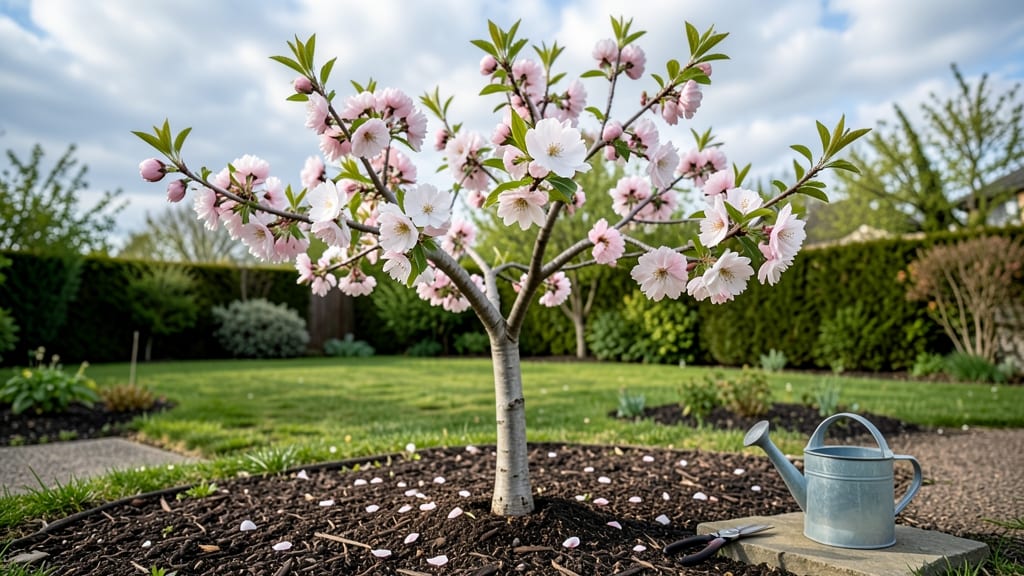
Those delicate apricot tree blossoms are nature’s fleeting masterpiece—lasting just 7-10 days before transforming into fruit. I’ve watched my own trees go from bare branches to a cloud of pink and white in a single week, only to feel the heartbreak when frost or pests strike.
The secret to seeing more of that magic? Pruning with purpose before the buds even swell.
Here’s the thing—apricots bloom earlier than most stone fruits, often while winter’s chill still lingers. That means frost damage is the #1 threat, but smart pruning can shift bloom timing by 2-3 weeks and protect vulnerable flowers.
You’ll also open up the canopy for better sunlight penetration, which means more blooms next year and fewer disease problems. It’s not just about cutting branches—it’s about teaching your tree to bloom smarter.
By late winter, you’ll see clusters of fat buds ready to burst into color. That’s when you’ll know your pruning paid off: branches heavy with blossoms that attract pollinators, resist wind damage, and produce fruit that actually ripens.
The payoff isn’t just pretty flowers—it’s a harvest that outpaces your neighbors’ trees. Let’s get those shears sharp and those branches shaped.
This works whether you’re dealing with a young sapling or a mature tree in your backyard. The same principles apply whether you’re in Zone 5 or Zone 9, though timing shifts slightly with your climate.
Frost dates become your new best friend, and I’ll show you how to use them like a pro. Ready to turn that cloud of blossoms into a reliable fruit harvest?
📚 In This Guide
- What you need
- Instructions
- Tips and common mistakes
- Wrapping up and next steps
What you need
- ○ Pruning shears: Sharp, bypass-style shears (20–24" blade length) for clean cuts. Optional: Loppers (for thicker branches, 24–36").
- ● Pruning saw: Curved-tooth saw (8–10" blade) for branches >1" thick.
- ● Gloves: Heavy-duty, cut-resistant gloves (gardening or pruning-specific).
- ● Disinfectant: 70% isopropyl alcohol or rubbing alcohol (for sterilizing tools).
- ○ Pruning sealant: Tree wound paint (optional but recommended for cuts >½").
- ● Ladder or step stool: Sturdy, non-slip (if tree is >6 ft tall).
- ● Trash bags: Heavy-duty (for debris disposal).
- ● Weather check: Prune on a dry, cloudy day (avoid frost or extreme heat).
- ● Tree health assessment: Inspect for disease/pests (e.g., aphids, fungal spots). Treat before pruning if needed.
- ○ Safety gear: Safety glasses (optional but wise for debris protection).
- ● Map or sketch: Lightly sketch your tree’s structure beforehand (helps visualize cuts).
Instructions for reviving apricot tree blossoms through pruning
Here's how to coax vibrant spring blooms from your apricot tree—no matter the season.
Understand the Right Time to Prune
Apricot trees bloom best when pruned at the right moment. For late winter or early spring varieties, prune 2-4 weeks before the expected bloom time—this ensures buds have time to set before flowers open. If your tree blooms in summer, prune immediately after harvest to avoid cutting off next year's flower buds.
Here's the thing—you'll want to avoid pruning during active bloom. Cutting branches while flowers are open removes potential fruit production for that season. Instead, focus on shaping the tree when it's dormant but before buds swell.
Check your local frost dates. If you're in a cold climate, wait until after the last frost but before buds break. In warmer regions, prune after the coldest months pass but before flowers appear. You'll know you've timed it right when you see fresh green shoots starting to emerge.
Remove Dead, Diseased, or Crossing Branches
Start by inspecting the tree for any branches that are dead, diseased, or crossing. Dead branches are easy to spot—they're brown, brittle, and won't bend. Diseased branches may have black spots, fungal growth, or oozing sap. Cut these out first using clean, sharp pruning shears to prevent spreading disease to healthy parts of the tree.
Next, look for branches that cross or rub against each other. These create wounds that invite pests and diseases. Remove the smaller of the two branches or the one growing inward. You'll see a clearer, more open structure as you go—this allows sunlight and air to reach the center of the tree, which encourages more blooms.
Don't skip this step. I've seen trees with tangled branches produce fewer flowers because the center stays too shaded. A well-pruned apricot tree opens up like a sunlit canopy, and that's where the best blooms happen.
Thin Out Overcrowded Branches for Better Airflow
Now focus on thinning out branches that are too dense. Look for clusters where branches grow too close together. Remove about one-third of the smallest branches in these areas to improve airflow. This reduces humidity in the canopy, which helps prevent fungal diseases that can kill blossoms before they open.
Pay attention to branches that grow straight up or downward. These often produce fewer flowers and can block light from reaching lower branches. Cut these back to a side branch or bud that grows outward. You'll notice the tree starts to develop a more balanced shape as you make these cuts.
Real talk: It's tempting to leave too many branches, but thinning is key. A tree with too many branches struggles to produce strong, healthy blooms. Aim for a structure where sunlight can reach all parts of the tree—this is how you encourage year-round bloom potential.
Shape the Tree for Maximum Bloom Exposure
Now it's time to shape the tree to encourage more blooms. Apricot trees bloom on both old and new wood, so you can prune more aggressively than some fruit trees. Start by cutting back branches that are growing inward or downward. Make your cuts just above an outward-facing bud or branch to encourage new growth in the right direction.
For a more open center, select a few main branches and prune back any smaller branches that compete with them. You'll want to create a structure where light can penetrate to the center of the tree. This is where many of the best blooms will appear in spring.
Here's the moment that matters: Step back and look at the tree. You should see a balanced shape with an open center and branches that spread outward. This isn't just about looks—it's about giving every part of the tree access to sunlight, which is what fuels those beautiful blossoms.
Clean Up and Monitor for New Growth
After pruning, clean up all the debris from the ground around the tree. This prevents pests and diseases from taking hold. You can also sterilize your pruning tools with rubbing alcohol to avoid spreading any pathogens to other trees.
Water the tree deeply after pruning to help it recover. Keep an eye on the tree over the next few weeks. You'll see new growth starting from the buds you left behind. Strong, healthy new shoots are a sign that your pruning was successful and that the tree is ready to produce more blooms.
Don't overwater now. The tree needs time to establish new roots and shoots. Water deeply once a week if there's no rain, but avoid soaking the soil. You'll know you're doing it right when you see fresh green leaves emerging from the buds you left behind—those are the signs of a tree that's ready to bloom again.
Tips & tricks for perfect apricot tree pruning
Timing and technique make all the difference when you're working to revive your apricot tree's blooms. These small adjustments can transform a struggling tree into one that bursts with vibrant spring flowers.
Timing is Everything: The 2-4 week window before bloom is non-negotiable for spring varieties. I learned this the hard way after pruning too early and watching buds fail to set properly. Check your local frost dates—pruning after the last frost but before buds swell gives your tree the perfect head start. In warmer climates, that means pruning in late winter when nights are still cool.
Visual Cues for Perfect Cuts: When shaping branches in Step 4, look for the "bud triangle"—the V-shaped area between a branch and the trunk. Make your cuts just above this triangle at a 45-degree angle. This creates a larger surface for new growth while protecting the bud. I've seen trees with perfect blooms because of this small detail, while others struggled because cuts were too close or too far.
Equipment Matters: Don't use dull pruning shears—clean, sharp tools make precise cuts that heal faster. I sterilize my shears with rubbing alcohol between cuts to prevent disease spread, especially when removing diseased branches in Step 2. For thicker branches, use loppers or a pruning saw, but always make clean cuts rather than tearing the bark.
Post-Pruning Care: After you've finished, water deeply but don't overdo it. The tree needs moisture to recover, but too much water can suffocate new roots. I've found that watering once a week is perfect unless we're having a dry spell, then I increase to twice weekly. Watch for those fresh green leaves emerging from the buds—this is your sign that everything is working as it should.
Pro Tips for Apricot Tree Blossoms
- Timing and technique make all the difference when you're working to revive your apricot tree's blooms.
- Timing is Everything: The 2-4 week window before bloom is non-negotiable for spring varieties.
- Visual Cues for Perfect Cuts: When shaping branches in Step 4, look for the "bud triangle"—the V-shaped area between a branch and the trunk.
Frequently asked questions
about apricot tree blossoms—because every gardener deserves a little clarity!When is the best time to prune apricot trees for optimal blossoms?
Prune your apricot tree in late winter or early spring (just before buds swell) to encourage vibrant blossoms. Avoid pruning in fall—it can stimulate new growth that’s vulnerable to frost. For established trees, a light pruning in summer (after harvest) can also help maintain shape without stressing the tree.
How long does it take for apricot tree blossoms to appear after pruning?
Blossoms typically emerge 4–8 weeks after pruning, depending on climate and tree health. Warmer regions may see blooms sooner, while colder areas might take longer. Patience is key! Consistent care (water, sunlight, and soil health) speeds up the process.
What should I do if my apricot tree isn’t blooming?
Check these common culprits:
- Insufficient sunlight: Apricots need 6+ hours of sun daily.
- Over-pruning: Never remove more than 25% of the canopy at once.
- Nutrient deficiency: Test soil for nitrogen, phosphorus, and potassium.
- Young trees: They may take 2–5 years to bloom.
Can I prune apricot trees in fall for spring blossoms?
No—fall pruning is risky! It can stimulate tender growth that dies in winter frost, weakening the tree. Instead, focus on cleanup pruning (removing dead branches) in late fall, but save major pruning for dormant season (Jan–Feb).
Will pruning affect next year’s fruit production?
Pruning enhances fruit production by improving airflow and sunlight penetration. Just avoid over-pruning—aim for open-centered shapes to balance blossoms and fruit. Pro tip: Remove water sprouts (vertical shoots) to redirect energy to fruit-bearing branches!
Wrapping up and next steps
Apricot tree blossoms bring a burst of color and life to any garden, and with the right pruning techniques, you can enjoy their beauty year-round! 🌸 By understanding when, how, and why to prune, you’re not just shaping your tree—you’re nurturing its health and future blooms.
Start small, stay consistent, and watch your apricot tree thrive with vibrant, abundant flowers that turn into delicious fruit.
Ready to transform your garden? Grab your pruners and get started today! Whether you’re a seasoned gardener or just beginning, every cut is a step toward a more stunning, fruitful apricot tree. Happy pruning! ✂️🌿