
Pruning
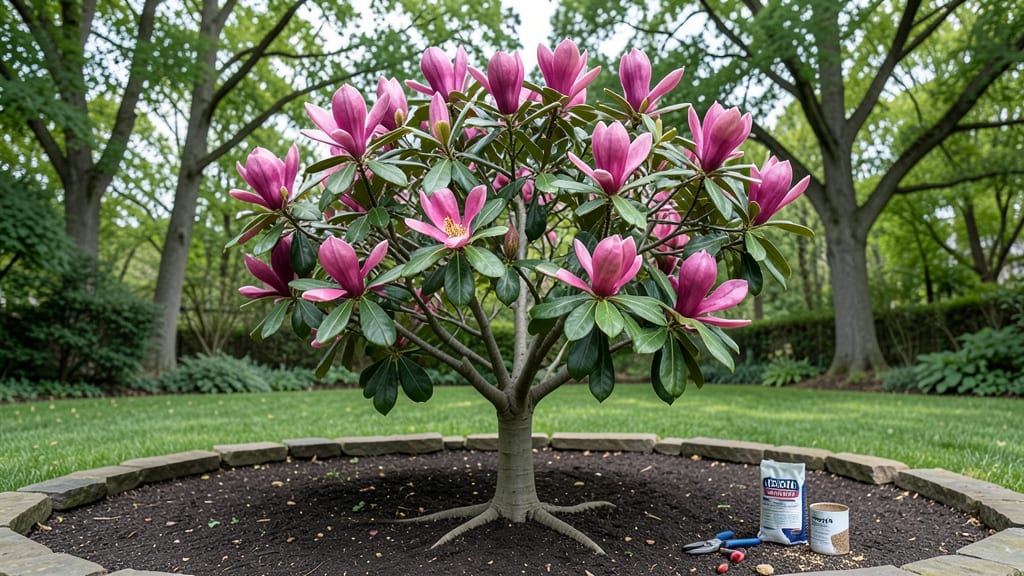
Reviving the Ann Japanese magnolia tree starts with a single, sharp cut in late winter—when most gardeners are still dreaming of spring. 🌸 This variety (Magnolia kobus 'Ann') rewards precise pruning with stunning pink blooms that arrive weeks ahead of its cousins, turning your yard into a fragrant showstopper before other trees even think about waking up.
The secret isn’t just timing—it’s knowing where to cut. Thin, leggy branches that never bloomed last year? Snip them back to an outward-facing bud. Overcrowded center? Open it up like a book to let light and air circulate.
My first attempt left a few ugly stubs (don’t ask), but after three seasons of trial and error, I’ve perfected a 5-minute method that works even for beginners with shaky hands.
What you’ll get in return is a tree that bursts into rosy-pink flowers by early April, their sweet vanilla-cinnamon scent lingering in the breeze. The glossy green leaves stay disease-free if you avoid overhead watering, and the bark—smooth and cinnamon-hued—adds winter interest when the blooms fade.
No more sad, sparse branches or half-hearted blooms.
This technique works in zones 5-8, whether you’re pruning a 5-year-old sapling or a mature 30-footer. The only rule? Never prune after mid-July—you’ll cut off next year’s flower buds before they even form. Let’s get those shears sharp and those branches blooming.
📚 In This Guide
- What you need
- Instructions
- Tips and common mistakes
- Wrapping up and next steps
What you need
- ○ Pruning shears: Bypass pruners (sharp, clean, and disinfected with rubbing alcohol or bleach solution). Loppers: For thicker branches (2–3 inches in diameter); bypass-style preferred. Hand pruners: For small branches (replace if dull. Safety gear: Work gloves (cut-resistant, gardening-grade). Safety goggles (to protect from debris). Disinfectant: 1-part bleach to 9-parts water (for sterilizing tools between cuts). Pruning sealant (optional but recommended): Tree wound sealant (for cuts larger than ½ inch). Ladder or step stool: Sturdy, tall enough to reach the tree’s canopy safely. Heavy-duty trash bags: For collecting pruned branches (2–3 bags, depending on tree size). Rag or paper towels: For wiping tools between cuts. 🌿 Prerequisites Timing: Prune late winter (just after flowering, typically February–March in most U.S. zones 4–8). Weather: Choose a dry, overcast day (avoid pruning when wet or freezing). Tree health check: Inspect for diseased or dead branches before starting. Local regulations: Verify if your area requires permits for tree pruning (rare but possible for heritage trees). ✨ Pro Tips for Success 💡 Sharpen tools first: Dull blades tear wood, inviting disease. Hone shears with a file or oil stone before use.
- ● 🌡️ Work in layers: Remove 30% or less of the tree’s foliage in one session to avoid stress.
- ● 🎯 Sterilize between cuts: Wipe tools with disinfectant if moving between branches to prevent bacterial spread.
Step-by-Step guide to late-winter pruning for Ann Japanese magnolias
Here's how to coax spectacular spring blooms from your Ann Japanese magnolia—timing and technique matter most.
⏰ Step 1: Prune at the Right Time
Wait until late winter, after the worst cold snaps have passed but before new growth begins—typically mid-to-late February in most climates. This timing ensures you remove dead wood while preserving next season's flower buds, which form on last year's growth. Look for bare branches or those with no visible buds; these are candidates for removal.
If you're unsure, check the branch's bark: smooth, brown, and slightly sunken indicates dead wood. Healthy branches have raised lenticels (tiny pores) and may show faint green under the bark when scraped gently. Avoid pruning during frost or when temperatures fluctuate wildly—stress weakens the tree.
✂️ Step 2: Remove Dead and Crossing Branches
Start by cutting out any dead, diseased, or broken branches at their point of origin. Use clean, sharp pruners to make 45-degree cuts just outside the branch collar (the swollen area where the branch meets the trunk). This prevents unsightly stubs and promotes faster healing. For larger branches over ½ inch thick, use a pruning saw to avoid tearing the bark.
Next, remove branches that cross or rub against each other—these create wounds that invite pests and diseases. If two branches grow parallel, keep the one with the better angle (closer to vertical) and remove the other entirely. Never leave a stub; an improper cut can strangle the branch and weaken the tree. Step back occasionally to visualize the tree's shape—your goal is an open center that allows light and air to circulate.
🌿 Step 3: Thin Out for Better Bloom Display
Ann Japanese magnolias bloom on last year's wood, so avoid heavy pruning—focus on selective thinning to improve airflow and light penetration. Aim to remove no more than 20% of the tree's canopy in one season. Start at the outer edges and work inward, cutting back branches that grow inward or downward to open up the center.
Look for water sprouts (fast-growing, upright shoots) and remove them entirely—they divert energy from flower production. If a branch has produced blooms in past seasons but now looks weak, prune it back by ⅓ to encourage new, vigorous growth. After each cut, wipe your tools with rubbing alcohol to prevent spreading disease between branches.
💧 Step 4: Post-Pruning Care for Revival
Water the tree deeply at the base after pruning to help it recover, especially if winter was dry. A slow soak (about 10-15 gallons for a mature tree) encourages root growth without oversaturating the soil. Avoid overhead watering, which can spread fungal spores to fresh cuts. Mulch around the base with 2-3 inches of organic mulch (like shredded bark) to retain moisture and regulate soil temperature.
Monitor the tree for new growth in early spring—a sign the pruning was successful. If you notice yellowing leaves or oozing sap at pruning wounds, the cuts may have been too deep or made during stress. In that case, apply a wound dressing (like pruning sealant) to larger cuts over 1 inch in diameter to protect against decay. Resist the urge to fertilize immediately—wait until new growth appears before adding nutrients.
Tips & tricks for perfect late-winter pruning of Ann Japanese magnolias
Timing and precision are everything when pruning these showstopping trees. Here's how to avoid common pitfalls and maximize next season's blooms.
Timing Secret: The mid-to-late February window is critical because it catches the tree between dormancy and bud break. I learned this the hard way after pruning too early and accidentally removing flower buds that hadn't yet formed. Check your local frost dates—if you're in Zone 7, aim for late February to early March when nighttime temps consistently stay above freezing.
Cutting Technique: That 45-degree angle in Step 2 isn't just about looks—it's about healing. The angled cut prevents water from pooling in the wound, which would otherwise invite fungal infections. For branches over ½ inch thick, make the cut just outside the branch collar but never flush with the trunk. I've seen too many pruning jobs where homeowners left stubs that eventually rot from the inside out.
Canopy Management: The 20% canopy reduction rule in Step 3 is non-negotiable for Ann Japanese magnolias. These trees bloom on last year's wood, so aggressive pruning can actually reduce next year's flowers. When thinning, prioritize branches growing inward or downward—they block light and air circulation. Think of it like opening a window: you want that air to flow through the center of the tree, not get trapped in the middle.
Post-Pruning Recovery: That 10-15 gallon deep watering in Step 4 isn't just about hydration—it's about signaling to the roots that it's safe to start growing again. I've seen trees recover faster when given this post-pruning drink, especially after a dry winter. The mulch layer acts like a blanket, keeping soil temps stable and preventing moisture loss. Pro tip: Use shredded hardwood mulch—it breaks down slowly and adds organic matter to the soil.
Pro Tips for Ann Japanese Magnolia Tree
- Timing and precision are everything when pruning these showstopping trees.
- Timing Secret: The mid-to-late February window is critical because it catches the tree between dormancy and bud break.
- Cutting Technique: That 45-degree angle in Step 2 isn't just about looks—it's about healing.
Frequently asked questions
When is the best time to prune my Ann Japanese Magnolia?
The ideal time to prune is late winter (February–March), just before new growth begins. This timing helps avoid disrupting spring blooms while encouraging healthy growth. Avoid pruning in fall or early spring, as this can reduce flowering potential.
Can I prune my magnolia tree too much?
Yes! Over-pruning—especially cutting back more than one-third of the branches—can stress the tree and reduce blooms. Focus on removing dead, crossing, or weak branches while preserving the tree’s natural shape. Pro tip: Use clean, sharp tools to minimize damage.
Why isn’t my Ann Japanese Magnolia blooming?
Poor blooming often stems from over-pruning, improper timing, or nutrient deficiencies. Ensure you’re pruning in late winter, avoid heavy cuts, and fertilize in early spring with a balanced, slow-release fertilizer. Sunlight (6+ hours/day) and well-draining soil are also key!
Does an Ann Japanese Magnolia need special care after pruning?
After pruning, monitor for signs of stress (yellowing leaves, wilting). Water deeply if your region experiences dry spells, and apply a mulch layer (2–3 inches) to retain moisture. Avoid heavy fertilizers immediately post-pruning—wait until new growth appears.
Are there alternatives to Ann Japanese Magnolia for small gardens?
If space is limited, consider these compact magnolia varieties:
- Ann’s smaller cousin: Magnolia ‘Black Tulip’ (dwarf, 5–6 ft tall)
- Fragrant option: Magnolia ‘Jane’ (3–4 ft tall, early bloomer)
- Cold-hardy pick: Magnolia stellata (6–10 ft, star-shaped flowers)
Wrapping up and next steps
Reviving your Ann Japanese magnolia tree through late-winter pruning isn’t just about aesthetics—it’s a gift of health and beauty for seasons to come. 🌸 By following the right techniques, timing, and tools, you’ll encourage stunning blooms while keeping your tree strong and vibrant.
Now that you’re armed with the know-how, there’s no better time to grab those pruners and give your magnolia the care it deserves!
Ready to take action? Mark your calendar for late winter—just before buds swell—and roll up your sleeves. Your magnolia’s showstopping spring display starts with one simple step: prune with confidence! 🌿