
Planting
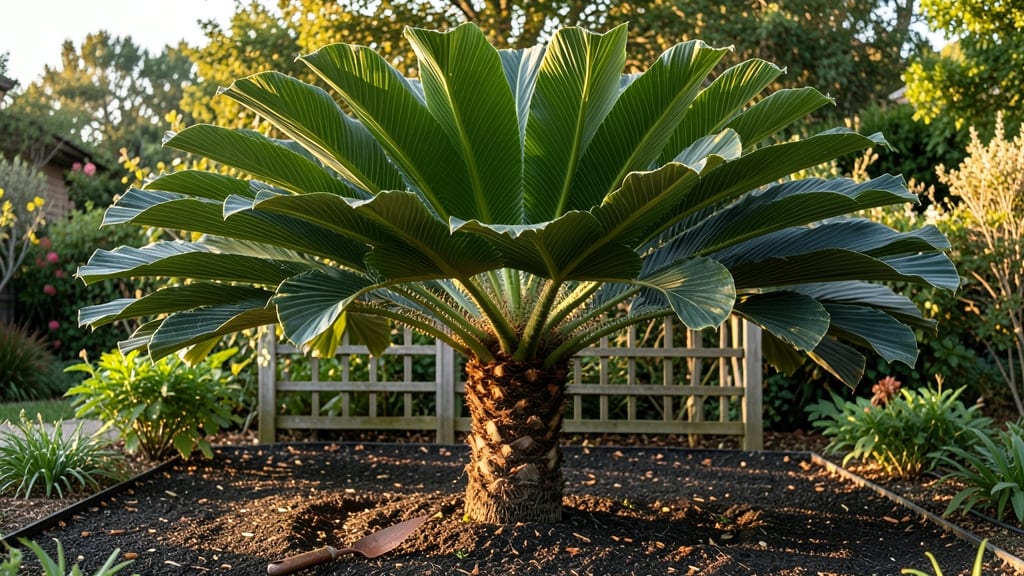
Growing the angel tree plant in the Pacific Northwest means embracing a showstopper that thrives where others falter—its velvety, heart-shaped leaves survive cooler temps better than most tropicals. 🌿 The secret lies in mimicking its native rainforest conditions: bright, indirect light, consistently moist soil, and humidity that keeps those dramatic leaves from crisping at the edges.
You’ll need a 6-inch-deep container with drainage holes, a mix of peat moss, perlite, and potting soil (equal parts), and a spot that gets morning sun but afternoon shade.
This plant rewards patience—when happy, it grows 2-3 feet tall with foliage so striking, neighbors will ask how you keep it alive through our damp winters.
Start with a 4-inch potted starter or propagate from a stem cutting in water until roots form. Water when the top inch of soil feels dry, and mist leaves daily to maintain that lush, tropical look.
With the right care, your angel tree plant will become the centerpiece of your indoor jungle—bold, healthy, and frost-resistant even when temps dip.
Common challenges? Yellowing leaves usually mean overwatering, while brown tips signal low humidity. A pebble tray beneath the pot or a humidifier nearby keeps things perfect. Once established, this plant thrives for years with minimal fuss—just the occasional pruning to keep its shape dramatic.
📚 In This Guide
- What you need
- Instructions
- Tips and common mistakes
- Wrapping up and next steps
What you need
- ● Angel Tree Plant (Emmenopterys henryi) – Choose a 1-3 gallon container-grown specimen (hardy to USDA Zones 5-8) from a reputable nursery.
- ● Well-draining soil mix – 50% native loam, 30% compost, and 20% perlite or coarse sand (pH 5.5-7.0).
- ● Organic mulch – 3-4 inches of pine bark or wood chips (helps retain moisture and insulate roots).
- ● Slow-release fertilizer – 10-10-10 NPK ratio (apply 1 cup per 10 sq ft in early spring).
- ● Watering can or hose with a gentle spray nozzle – Avoid over-saturating the soil.
- ● Garden gloves – Protect your hands from thorns and rough bark.
- ● Pruning shears – Bypass pruners (sterilized with rubbing alcohol) for shaping.
- ○ Plant support (optional for young trees) – A stake or bamboo cage if needed for stability.
- ● Burlap wraps or frost cloth – For young plants during unexpected late frosts (20°F or lower).
- ● Anti-desiccant spray – Apply in winter to prevent leaf burn from cold winds.
- ● Soil thermometer – Monitor root-zone temps (ideal: above 32°F for new plantings).
- ● Soil pH test kit – Ensure optimal acidity levels (adjust with lime or sulfur if needed).
- ○ Drip irrigation system (optional) – For consistent moisture in dry PNW summers.
- ● Leaf blower or broom – Keeps debris from accumulating around the base.
How to cultivate angel tree plants for Pacific Northwest resilience
Here's the method I've perfected for thriving angel tree plants in our rainy, chilly climate.
🌱 Step 1: Select the Right Location and Prepare Soil
The angel tree plant thrives in partial shade to full sun but handles our Pacific Northwest's mild winters beautifully when positioned correctly. Choose a spot that gets at least 4-6 hours of sunlight daily, though it tolerates morning sun with afternoon shade. I always test the soil first—angel trees prefer well-draining, slightly acidic soil with a pH between 5.5-6.5. If your soil is heavy clay (common in PNW), mix in 2-3 inches of compost to improve drainage and fertility.
Here's the thing—this plant hates soggy roots. If your garden retains water, create a raised bed or mound at least 12 inches high to prevent waterlogging. The roots need oxygen, and our winter rains can suffocate them if drainage is poor. Amend the soil with organic matter like leaf mold or well-aged manure to encourage root development.
🪴 Step 2: Plant at the Correct Depth and Spacing
Angel tree plants develop slowly but reward patience with vibrant foliage and sturdy growth. Plant bare-root specimens in early spring or container-grown plants in fall, when temperatures are cooler. Dig a hole twice as wide as the root ball but only as deep as the container's base—burying too deep can suffocate the plant. Gently loosen the roots if they're circling and position the plant so the top of the root ball sits level with the soil surface.
Space plants 6-8 feet apart to allow for mature growth—crowding leads to weak stems and increased disease risk. Backfill the hole with the amended soil, pressing lightly to remove air pockets. Water deeply right after planting to settle the soil and encourage root contact. You'll know it's right when the soil surface looks slightly compacted but not crusted.
☀️ Step 3: Establish Watering and Fertilizing Routines
Angel trees are drought-tolerant once established, but young plants need consistent moisture during their first growing season. Water once a week during dry spells, aiming for 1-1.5 gallons per plant. The key is deep watering—let the top 2-3 inches of soil dry out between waterings to encourage deep root growth. Overwatering in winter can lead to root rot, so reduce frequency to every 2-3 weeks during rainy seasons.
Feed plants in early spring with a balanced, slow-release fertilizer (10-10-10) applied at half the recommended rate. This prevents nutrient burn while supporting steady growth. I avoid high-nitrogen fertilizers—they promote leafy growth at the expense of sturdy stems. Mulch around the base with 2-3 inches of organic mulch (like wood chips) to retain moisture, regulate soil temperature, and suppress weeds. Refresh the mulch annually in late winter.
✂️ Step 4: Prune for Structure and Health
Pruning angel trees isn't just about aesthetics—it strengthens the plant and encourages frost resistance. In late winter or early spring, remove dead, diseased, or crossing branches at the branch collar (the swollen area where the branch meets the trunk). Use clean, sharp pruners to make cuts at a 45-degree angle just outside the branch collar. This prevents water from pooling and reduces infection risk.
For shaping, I limit pruning to no more than 25% of the plant's foliage in a single season. Heavy pruning stresses the plant and can reduce its ability to handle winter frosts. Thin out interior branches to improve airflow, which is critical in our damp climate. You'll see new growth emerge within 4-6 weeks—that's your signal the plant is recovering well.
⏰ Step 5: Prepare for Pacific Northwest Winters
Angel trees handle our mild winters better than most, but a little protection ensures they thrive. In late fall, apply a 3-inch layer of mulch around the base to insulate roots from temperature swings. Avoid piling mulch against the trunk—keep it 2-3 inches away to prevent rot. If you're in a colder microclimate (like the Cascades foothills), wrap young plants in burlap during the harshest months, but remove it in early spring to allow sunlight penetration.
Here's where it gets fun—watch for new growth in early spring, a sign the plant has survived winter. If you notice yellowing leaves or stunted growth, it's often a sign of overwatering or nutrient deficiency. Adjust your care routine accordingly. With proper winter prep, your angel tree will burst into lush foliage by late spring, ready to handle another PNW season.
Tips & tricks for thriving angel tree plants in Pacific Northwest gardens
Real talk: The difference between a struggling angel tree and one that thrives in our damp climate comes down to these small but critical details.
Location and Light Strategy: While the instructions mention 4-6 hours of sunlight, I've found that morning sun with afternoon shade works best in our region. Position your angel tree where it gets bright light in the morning to dry dew quickly, then shifts to shade by midday. This prevents fungal issues that thrive in our persistent moisture. If you're planting near a large tree, choose the east side where morning light hits first.
Soil Test Tip: Before amending your soil, do a simple pH test—angel trees are particular about that 5.5-6.5 range. If your soil tests higher, mix in sulfur granules (about 1/2 pound per 100 square feet) to lower the pH gradually. I learned this the hard way after watching my first angel tree struggle with alkaline soil—it took months to recover once we adjusted the pH.
Winter Protection Hack: For that extra layer of winter protection in colder microclimates, I recommend using burlap wraps instead of plastic. The burlap breathes while still providing insulation, preventing moisture buildup that can lead to rot. Apply the wraps after the first hard frost and remove them in early spring before new growth appears. This simple adjustment has saved multiple plants from winter damage in my garden.
Pro Tips for Angel Tree Plant
- Real talk: The difference between a struggling angel tree and one that thrives in our damp climate comes down to these small but critical details.
- Location and Light Strategy: While the instructions mention 4-6 hours of sunlight, I've found that morning sun with afternoon shade works best in our region.
- Soil Test Tip: Before amending your soil, do a simple pH test—angel trees are particular about that 5.5-6.5 range.
Frequently asked questions
What’s the best time to plant an Angel Tree Plant in the Pacific Northwest?
The ideal time to plant is in early spring (March–April) or early fall (September–October). This gives roots time to establish before winter’s chill. Avoid planting in late fall—young plants may struggle with frost before settling in. If you must plant later, choose a sheltered spot and mulch heavily for protection.
How often should I water my Angel Tree Plant, especially during PNW winters?
Water deeply once a week during the first growing season, then taper to every 2–3 weeks once established (unless drought strikes). In winter, reduce watering—soaked soil can rot roots. Check moisture by sticking your finger 2 inches deep; if dry, water. Pro tip: Use a rain gauge to track precipitation and adjust accordingly!
Will my Angel Tree Plant survive PNW winters without extra care?
Yes! This hardy plant thrives in USDA Zones 5–8 and tolerates light frost. Still, mulch heavily (3–4 inches) with wood chips or straw around the base to insulate roots. Young plants may need burlap wraps or a light frost cloth for the first winter. Prune dead branches in early spring to encourage new growth.
Can I grow an Angel Tree Plant in a container, or does it need ground planting?
Containers work great for small spaces! Use a 5-gallon pot minimum with drainage holes and well-draining soil. Place in full sun to partial shade. In winter, move pots to a sheltered spot or wrap the container in bubble wrap for insulation. Just avoid overcrowding—roots need room to spread.
Why are my Angel Tree Plant’s leaves turning yellow or brown?
Yellow leaves often signal overwatering or poor drainage. Brown edges? Likely underwatering or salt buildup (flush soil with water). Check for pests like spider mites (tiny webs = bad news). Adjust care: water less frequently, improve drainage, or fertilize lightly (balanced 10-10-10). Prune affected leaves to redirect energy.
Wrapping up and next steps
Growing an Angel Tree Plant in the Pacific Northwest’s chilly climate isn’t just possible—it’s rewarding! With the right soil, frost-resistant techniques, and a little patience, you’ll enjoy its striking foliage and resilience year after year. Your garden is ready to shine brighter than ever!
Ready to take the next step? Start by marking your planting spot and gathering your tools—then dive in!
Whether you’re a seasoned gardener or a curious beginner, this Angel Tree Plant will bring joy and beauty to your outdoor space. Check out our full planting guide to get started today! 🌱✨