
Pruning
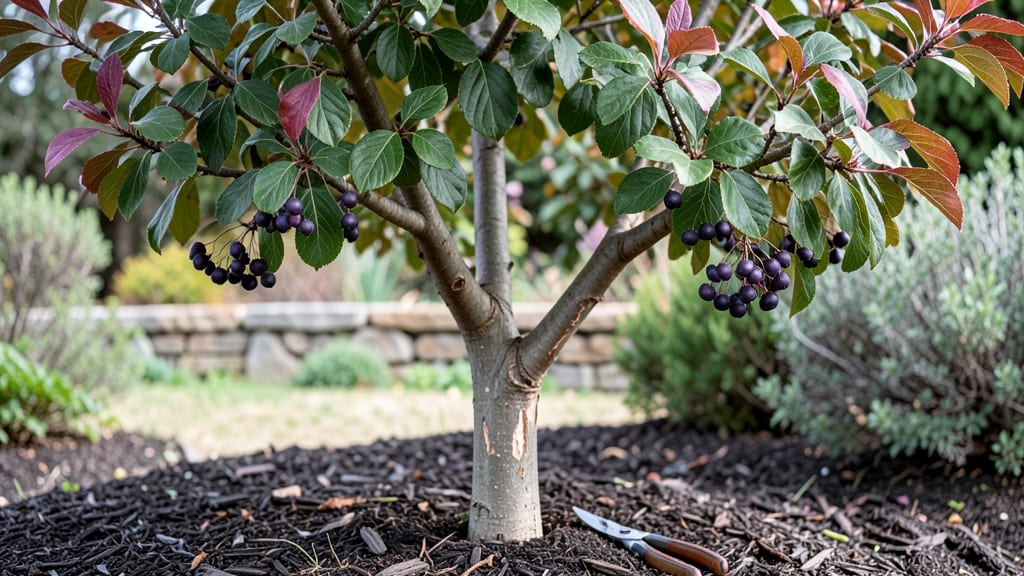
Caring for an Amelanchier tree means unlocking spring blooms, summer fruit, and fiery fall foliage—all while keeping it sturdy through winter freezes. 🌿 I learned the hard way that these serviceberries thrive with the right pruning rhythm, and once you master it, you’ll have a tree that produces abundant berries for decades.
The key is balancing winter pruning to shape the tree with summer trimming to boost fruit production, while avoiding the common mistake of over-pruning after heavy fruit loads. The supplies you’ll need are simple: sharp pruning shears, thin gloves, and a clear day to work.
Start by removing dead or crossing branches in late winter before buds swell, then thin out crowded stems to improve airflow. This isn’t just about aesthetics—proper pruning prevents disease and ensures stronger growth come spring.
My first year, I skipped this step and ended up with a tree that struggled with pests and poor fruit set.
What you’ll end up with is a tree that bursts into white spring blossoms, then bears sweet berries that birds and humans alike adore, followed by brilliant red-orange fall leaves. The berries ripen in late summer, giving you a second harvest when most fruit trees have already faded.
With the right approach, your Amelanchier will become the star of your landscape—and your table. This method works for both young trees and mature specimens, though younger trees need more frequent shaping. Whether you’re in a cold climate or a milder zone, the same principles apply.
Let’s get your tree thriving year-round!
📚 In This Guide
- What you need
- Instructions
- Tips and common mistakes
- Wrapping up and next steps
What you need
- ● Pruning shears: Bypass pruners (sharp, 6–8" blades) for small branches.
- ● Loppers: 1 pair (8–12" cutting capacity) for thicker stems (½"–1.5").
- ● Pruning saw: 1 curved-tooth saw for branches >1.5" in diameter.
- ● Disinfectant: 70% isopropyl alcohol or 10% bleach solution (for tools).
- ● Gloves: Heavy-duty, cut-resistant (e.g., Mechanix Wear).
- ○ Pruning sealant (optional): Tree wound paste (for cuts >0.5").
- ● Ladder or step stool: Sturdy, extendable (10–12 ft for mature trees).
- ● Tarps or drop cloths: 1–2 (to collect debris).
- ● Work boots: Slip-resistant, ankle-supporting.
- ● Winter: Frost cloth (lightweight, 3–4 oz) for young trees (<3 years).
- ● Spring: Mulch (3–4" layer of shredded bark or pine straw).
- ● Summer: Drip irrigation hose (¼" diameter, 50+ ft) for drought-prone areas.
- ● Sterilize tools between cuts to prevent bacterial spread. 🔥
- ● Use sharp tools—dull blades tear bark, inviting disease. ✨
- ● For large cuts, sealant isn’t always needed—amelanchier heals well naturally! 🌡️
How to prune an Amelanchier tree for healthy growth and fruit
Keep your serviceberry thriving with these simple, seasonal pruning steps.
✂️ Step 1: Prune in Late Winter for Structure
Start your pruning 2-3 weeks before buds swell in late winter. This timing prevents bleeding sap and gives you a clear view of the tree's structure. I always begin by removing dead, diseased, or crossing branches—these are easy to spot when the tree is bare. Use clean, sharp pruners to make cuts just outside the branch collar, where the branch meets the trunk.
Next, look for water sprouts—those vigorous, upright shoots growing from the trunk or main branches. These compete with fruit production, so cut them back to a healthy lateral branch. Aim to open the center of the tree to improve airflow and sunlight penetration. You'll know you've done well when you can see light filtering through to the inner branches.
☀️ Step 2: Light Summer Pruning After Fruiting
After the tree finishes fruiting in late June or early July, do a second round of pruning to shape the tree and encourage next year's fruit. Focus on thinning out overcrowded branches—remove every other branch where two grow too close together. This prevents future rubbing and disease. I like to step back every few cuts to visualize the tree's form.
Trim back any branches that grew too vigorously during the spring. Cut them back to a lateral bud or branch to maintain balance. Avoid heavy pruning now—just light shaping to keep the tree looking tidy. You'll see new growth emerging within a few weeks, signaling the tree is responding well.
⏰ Step 3: Fall Cleanup for Frost Preparation
In late fall, do a final light pruning to remove any weak, damaged, or diseased branches that might harbor pests over winter. This is also the time to thin out any branches that grew too densely during the summer. Cut them back to a strong lateral branch or bud, but don’t overdo it—amelanchiers are resilient but don’t need heavy pruning this late in the season.
Pay special attention to branches that grew too close to the ground—these can become a nuisance and may break under snow or ice. Remove them completely at the base. After pruning, clean up all debris and dispose of it away from the tree to prevent disease. Your goal is to leave the tree strong and ready for winter dormancy.
🌱 Step 4: Post-Winter Inspection and Adjustments
Once spring arrives and new growth begins, do a quick inspection of your tree. Look for any branches that died over winter—these will be brittle and won’t bend. Remove them immediately to prevent disease spread. Also, check for suckers (new shoots growing from the base) and cut them off at the ground level.
If you notice any unusual growth patterns or signs of stress, like yellowing leaves or stunted branches, adjust your pruning approach for next year. Amelanchiers are forgiving, but consistent care ensures they stay healthy and productive. A well-pruned tree will reward you with abundant fruit and beautiful spring blooms for years to come.
Tips & tricks for perfect Amelanchier tree care
Here's what nobody tells you about keeping your serviceberry thriving—these are the details that separate good pruning from great fruit production.
Timing is Everything: That 2-3 weeks before buds swell window in Step 1 is your best chance to prune without causing sap bleeding. I've learned the hard way—if you prune too early, the tree reacts by oozing sap, which attracts pests. Mark your calendar based on your local frost dates, not just the calendar month. For most regions, this falls between mid-February and early March. If you miss this window, wait until after the tree flowers to avoid disrupting fruit set.
Branch Collar Matters: When making cuts in Step 1, focus on the branch collar—that swollen area where the branch meets the trunk. Cutting just outside this collar (not flush with the trunk) prevents infection and promotes faster healing. I use a small paint mark to guide my cuts if I'm unsure where to stop. This might seem like a small detail, but it's the difference between a tree that heals cleanly and one that develops cankers over time.
Visualizing the Tree's Form: In Step 2, when you're thinning out overcrowded branches, step back every few cuts to visualize the tree's form. You're not just removing branches—you're sculpting the tree's future. Aim for an open center that lets sunlight reach the inner branches. This isn't just about aesthetics; it's about ensuring all parts of the tree get enough light for fruit production. Think of it like creating a dome that lets light filter through to the center.
Seasonal Pruning Strategy: The four-step seasonal approach works because each season addresses different growth priorities. In winter, you're focusing on structure; in summer, you're encouraging next year's fruit; in fall, you're preparing for frost; and in spring, you're addressing winter damage. This isn't just random pruning—it's a year-round conversation with your tree. If you only prune once a year, I recommend doing it in late winter when you can see the tree's structure clearly.
Pro Tips for Amelanchier Tree Care
- Here's what nobody tells you about keeping your serviceberry thriving—these are the details that separate good pruning from great fruit production.
- Timing is Everything: That 2-3 weeks before buds swell window in Step 1 is your best chance to prune without causing sap bleeding.
- Branch Collar Matters: When making cuts in Step 1, focus on the branch collar—that swollen area where the branch meets the trunk.
Frequently asked questions
Got questions about keeping your Amelanchier thriving? Here are some of the most common concerns—and their answers—to help you grow a healthier, fruit-bearing tree year after year.
When is the best time to prune an Amelanchier tree?
Prune your Amelanchier in late winter or early spring (February–March), just before buds swell but before leaves emerge. This timing promotes vigorous growth and fruit production. Avoid heavy pruning in fall, as it can stimulate tender growth vulnerable to frost. Pro tip: Light cleanup pruning in summer to remove deadwood is fine, but save major shaping for dormant season!
How do I protect my Amelanchier from frost damage?
Amelanchiers are highly frost-hardy (USDA Zones 3–8), but young trees or late-season blooms may need help. Mulch the root zone with 2–3 inches of organic mulch (wood chips or straw) in fall. For flower buds, cover the tree with frost cloth during sudden cold snaps (below 20°F). Water deeply before winter to help roots withstand freezing temps.
Why isn’t my Amelanchier producing fruit?
Fruit production often lags in young trees (under 5 years old). Ensure your tree gets full sun (6+ hours/day) and well-draining soil. Poor fruit set can also signal lack of pollinators—plant a second Amelanchier variety nearby (e.g., ‘Regent’ + ‘Smoky’) for cross-pollination. Over-fertilizing with nitrogen can also reduce fruiting; opt for a balanced 10-10-10 fertilizer in early spring.
Can I prune an Amelanchier tree in summer?
Yes, but lightly! Summer pruning is best for removing dead, diseased, or crossing branches to improve airflow. Avoid heavy pruning, as it can stress the tree and reduce next year’s fruit. If you must reshape, do so in late summer (August) to allow wounds to heal before winter. Pro tip: Sterilize pruners with rubbing alcohol to prevent spreading fungal diseases.
What’s a good alternative if I don’t want to deal with pruning?
If pruning feels overwhelming, consider low-maintenance alternatives like serviceberry (Amelanchier laevis) varieties bred for resilience, such as ‘Ballerina’ or ‘Princess Diana’. These still need minimal pruning but offer disease resistance and earlier fruiting. For no-fuss fruit, aronia berries (chokeberries) or juneberries (Saskatoon) are also hardy and productive with less upkeep.
Wrapping up and next steps
Caring for your amelanchier tree is a rewarding journey that yields stunning blooms, delicious fruit, and resilience against frost—all with the right pruning know-how! 🌿 By following seasonal guidelines, you’ll ensure a thriving, productive tree for years to come.
Now that you’re armed with the essentials, roll up your sleeves and give your tree the attention it deserves—your future harvests will thank you!
Ready to take the next step? Mark your calendar for your first pruning session this winter or early spring and watch your amelanchier flourish! 🌱