
Pruning
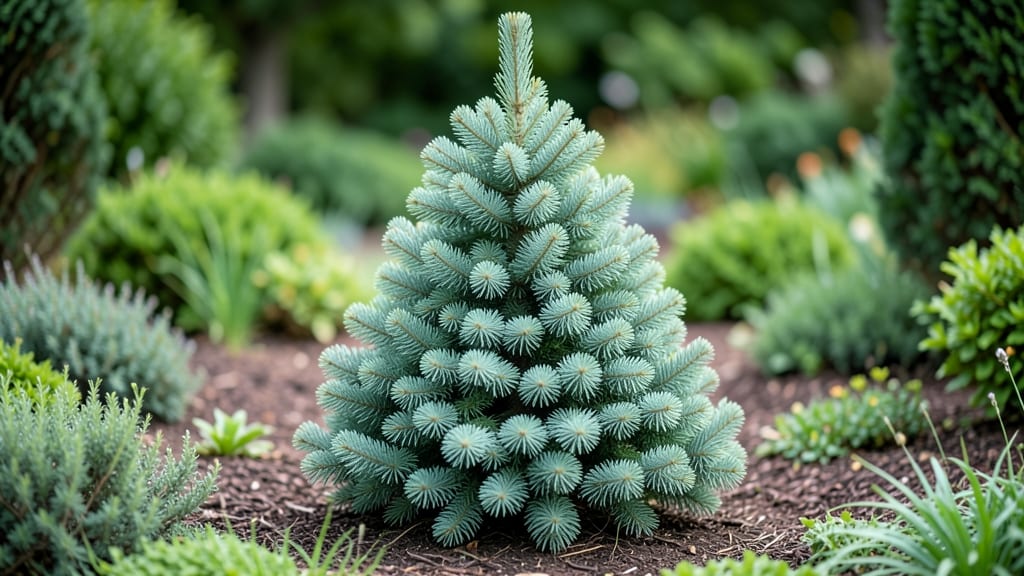
Keeping your alive Christmas tree vibrant through the holidays—and beyond—starts with understanding how these evergreens handle indoor stress. I’ve learned the hard way that most trees start shedding needles by New Year’s, but with the right care, yours can stay lush and green for weeks.
The secret lies in mimicking their natural environment: consistent moisture, stable temperatures, and proper lighting.
Your tree’s survival depends on three critical factors: watering, light exposure, and humidity. Most people overlook the last two, leading to dry needles and early decline.
A wide base container with fresh water daily (or every other day for larger trees) prevents root suffocation, while placing the tree near a sunny window or under grow lights keeps it thriving. Avoid drafts—hot radiators or cold windowsills will stress the tree faster than anything else.
After the holidays, your tree can still become a living part of your landscape. Plant it outdoors within two weeks of bringing it inside, choosing a spot with partial shade and well-draining soil. Mulch the roots to retain moisture, and water deeply for the first few weeks.
With proper care, your Christmas tree can grow into a frost-resistant evergreen that provides shade and wildlife habitat for years to come.
Common challenges like needle drop or browning tips usually stem from dehydration or temperature swings. If you notice excessive shedding, check the water level and adjust the tree’s location. For extra protection, mist the needles occasionally or use a humidifier nearby.
The key is consistency—trees adapt better to steady conditions than sudden changes. With these steps, your alive Christmas tree won’t just survive the season; it’ll become a lasting addition to your garden.
📚 In This Guide
- What you need
- Instructions
- Tips and common mistakes
- Wrapping up and next steps
What you need
- ● Healthy evergreen tree: 1 mature, disease-free tree (e.g., Norway spruce, Douglas fir, or Colorado blue spruce)
- ● Diameter: 4–6 feet (adjust container size accordingly)
- ● Pruning tip: Choose a tree with a sturdy trunk and dense foliage for longevity.
- ● Large container: 1 5–10 gallon pot (with drainage holes) or a whiskey barrel planter (for rustic charm)
- ● Material: Terra cotta, plastic, or cedar (avoid metal to prevent root rot)
- ● Potting mix: 1 bag well-draining, acidic soil blend (e.g., 50% peat moss, 30% pine bark fines, 20% perlite)
- ● Pro tip: Mix in 1 cup of slow-release fertilizer (14-14-14 NPK ratio) for nutrients.
- ● Pruning tools: 1 pair bypass pruners (sharp, clean, and sterilized)
- ● 1 hand pruning saw (for thicker branches)
- ● 1 ladder (if tree is tall—safety first!)
- ○ Root stimulator (optional but helpful): 1 bottle mycorrhizal fungi or rooting hormone (to encourage root growth)
- ● Humidity tray: 1 shallow tray + pebbles/water (to combat dry indoor air)
- ● Misting bottle: 1 (for daily foliage hydration)
- ○ Grow lights (optional): 1 full-spectrum LED grow light (12–14 hours/day in low-light areas)
- ● Tree stand or support: 1 (to stabilize the tree if indoors long-term)
- ● ✅ Legal check: Verify local regulations—some areas restrict digging/relocating trees.
- ● ✅ Timing: Prune and transplant in early spring or fall (avoid winter stress!).
- ● ✅ Weather prep: If outdoors, use burlap wrap or frost cloth for winter protection.
Step-by-Step guide for growing a frost-resistant evergreen Christmas tree
Here's how to cultivate a hardy, long-lived evergreen that thrives through winter and beyond.
Select and Prepare the Site
Choose a full sun location with well-draining soil—evergreens like Norway spruce or Colorado blue spruce handle cold best. Test the soil pH (ideal range is 5.0-7.0); amend with peat moss if needed. Dig a hole twice as wide as the root ball but no deeper, loosening the surrounding soil to encourage root spread.
Real talk: Avoid low spots where cold air pools. Evergreens can suffer winter burn in these areas. If your yard has limited sun, opt for white pine—it tolerates partial shade better than most holiday favorites. Water the hole thoroughly before planting to settle the soil.
Plant with Proper Spacing and Support
Position the tree so the top of the root ball sits 1-2 inches above ground level—this prevents waterlogging. Spread the roots gently if they're circling, then backfill with native soil mixed with compost (use 1 part compost to 3 parts soil). Pack lightly around the edges to remove air pockets.
Stake only if necessary—most young evergreens stabilize quickly. If you do stake, use two supports placed diagonally to avoid girdling the trunk. Water deeply immediately after planting to help roots settle into the new soil. Mulch with 3 inches of wood chips (keep mulch 6 inches away from the trunk) to insulate roots.
Water and Fertilize for Winter Hardiness
Water once a week for the first two months, then taper to every 10-14 days unless rainfall is consistent. Evergreens need deep, infrequent watering—shallow soaks encourage weak roots. Check moisture by digging 2 inches down; soil should feel slightly damp but not soggy.
Apply a slow-release fertilizer (like 10-10-10) in early spring and again in mid-summer. Avoid fertilizing after mid-August—new growth won’t harden off before winter. For extra frost resistance, spray foliage with anti-desiccant in late fall to reduce moisture loss. Prune only to remove dead branches—never "thin" a young tree.
Protect from Winter Damage
Wrap the trunk with tree guard (not plastic wrap) to prevent rodent chewing and sunscald. Evergreens lose moisture through needles even in dormancy, so water lightly in winter if snow cover is minimal. Shake off heavy snow buildup to avoid branch breakage—3-4 inches of snow is the safe limit before intervention.
Here's the thing—windburn is the real villain. Plant near a windbreak if possible, or install burlap screens on the north side. Young trees (under 5 years old) benefit most from these precautions. Prune lightly in late winter to open the canopy for better air circulation and sunlight penetration.
Tips & tricks for perfect frost-resistant evergreen trees
A few strategic moves will ensure your evergreen thrives through winter and beyond—these are the details that separate a seasonal tree from a year-round beauty.
Site Selection Intelligence: The full sun requirement isn't just about sunlight—it's about air circulation. Evergreens need at least 6 hours of direct sun daily to develop the hardy needles that resist winter burn. If your yard has limited sun exposure, consider the white pine variety mentioned in Step 1—it's the most shade-tolerant option among traditional Christmas tree species. I learned this the hard way after losing two young spruces to winter browning in a partially shaded area.
Root Ball Preparation: When you're loosening the soil around the planting hole in Step 1, focus on creating a "root zone" that's at least 12 inches deep. This encourages roots to spread horizontally rather than stay compacted in the root ball. For container-grown trees, gently tease apart any circling roots before planting—this prevents girdling as the tree matures. The extra 30 minutes you spend on this step now will pay off in years of stable growth.
Watering Wisdom: The deep, infrequent watering mentioned in Step 3 requires a specific technique: Use a garden hose with a slow watering attachment or a soaker hose to deliver water directly to the root zone. Aim for 1-1.5 gallons per watering session during the first two months, letting the water penetrate at least 12 inches deep. The soil should feel like a damp sponge 2 inches down—this ensures roots develop properly rather than staying shallow.
Winter Protection Strategy: For trees under 5 years old, the anti-desiccant spray mentioned in Step 3 is your best defense against winter moisture loss. Apply it in late fall after the first hard frost, and reapply if you get dry winds or early thaws. The 3-4 inch snow limit for branch safety is non-negotiable—any heavier accumulation creates leverage that can snap branches. I recommend using a broom with a long handle to gently tap snow off rather than shaking the tree, which can damage the bark.
Pro Tips for Alive Christmas Tree
- A few strategic moves will ensure your evergreen thrives through winter and beyond—these are the details that separate a seasonal tree from a year-round beauty.
- Site Selection Intelligence: The full sun requirement isn't just about sunlight—it's about air circulation.
- Root Ball Preparation: When you're loosening the soil around the planting hole in Step 1, focus on creating a "root zone" that's at least 12 inches deep.
Frequently asked questions
Got questions about keeping your alive Christmas tree thriving? You're not alone! Here are answers to the most common concerns—from care tips to troubleshooting—so your evergreen stays lush and festive for years.
How often should I water my alive Christmas tree?
Water your tree deeply 2-3 times a week (more in hot/dry climates). Check soil moisture by sticking your finger 2 inches down—if it’s dry, it’s time to hydrate. Pro tip: Use a tree watering bag or drip irrigation to keep roots consistently moist without overwatering.
Can I keep an alive Christmas tree outside year-round?
Yes, but only if you protect it from harsh winters! Wrap the trunk in tree burlap and mulch the base to insulate roots. In freezing climates, move potted trees to a garage or shed during extreme cold. Evergreens like Norfolk pines or Leyland cypress handle outdoor life best.
How do I prune an alive Christmas tree to keep it shaped?
Prune in late winter or early spring (before new growth) to maintain shape. Use clean, sharp shears to trim brown or overgrown branches, cutting just above a leaf bud. Avoid heavy pruning—remove no more than 1/3 of the foliage at once.
What should I do if my alive Christmas tree’s needles turn brown?
Brown needles often signal overwatering, underwatering, or pests. Check soil moisture first—adjust your watering routine. If pests (like spider mites) are the culprit, spray with neem oil or insecticidal soap. Severely affected branches may need trimming.
Are there alternatives to traditional alive Christmas trees?
Consider dwarf Alberta spruce (compact and hardy) or live olive trees (fragrant and drought-tolerant). For a low-maintenance option, try a pre-bonsaied Christmas tree in a decorative pot. Just ensure your choice fits your climate and space!
Wrapping up and next steps
Bringing your alive Christmas tree indoors is easier than you think—and the rewards are endless!
With the right pruning techniques, a little care, and a dash of creativity, you can enjoy that fresh pine scent and lush greenery year-round. Your tree isn’t just a decoration; it’s a living piece of holiday magic!
Ready to take the next step? Start by reviewing our pruning tips or browsing common questions to tackle any lingering doubts. Then, grab your tools and give your tree the love it deserves—your future festive forest awaits! 🌲✨