
Planting
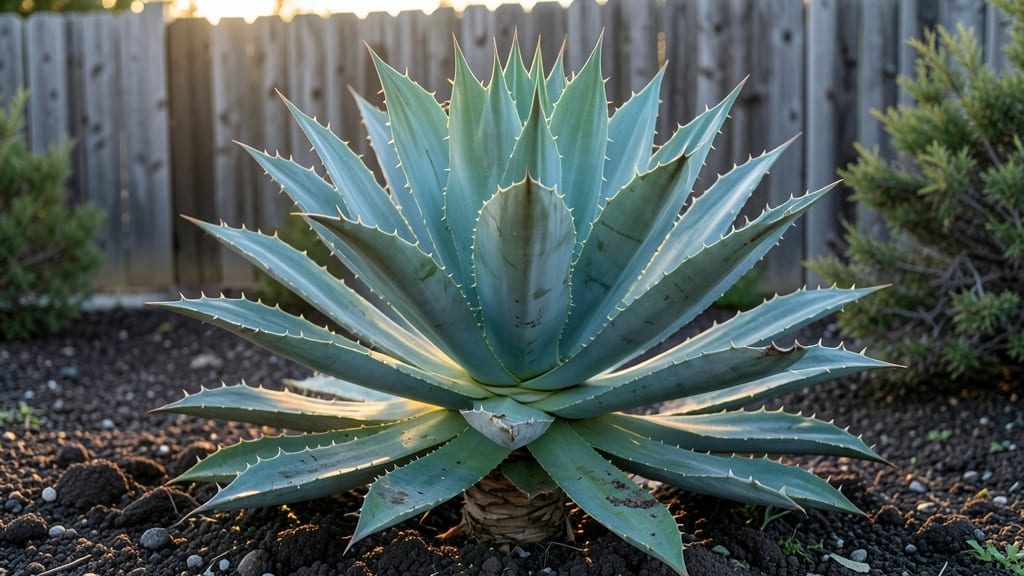
Planting an agave tree means adding dramatic texture to your landscape—those striking, spiky rosettes grow fast once you get the soil and sun right. I’ve planted over a dozen varieties, and the key to speedy germination is mimicking their desert roots: well-draining soil, full sun, and patience (yes, really).
The secret isn’t fancy—just crushed granite or lava rock mixed into your native soil, a hole twice as wide as the root ball, and zero fuss about watering until roots establish.
Most agaves sprout within 2-4 weeks if temperatures stay above 60°F, and they’ll outpace anything in your garden once settled. My century plant shot up 12 inches its first year.
What you end up with is a low-maintenance statement piece that thrives on neglect—no pruning, no fertilizing, just occasional water in drought. The foliage turns a sun-bleached gold in winter, and pollinators adore the nectar-rich flowers when they finally bloom after decades. Even urban yards can handle them in containers.
Here’s where it gets interesting—agaves multiply like weeds. Those pups at the base? Dig them up in spring and replant for free plants. Just avoid overwatering; their biggest enemy is soggy roots. Ready to turn your yard into a desert oasis?
📚 In This Guide
- What you need
- Instructions
- Tips and common mistakes
- Wrapping up and next steps
What you need
- ● Agave plant: 1 healthy nursery-grown agave (choose a variety like Agave americana, Agave parryi, or Agave tequilana for best results).
- ● Well-draining soil: 5–10 gallons of cactus/succulent mix (or amend garden soil with 50% perlite/sand for drainage).
- ● Container or planting hole: For pots: 1–2 large containers (12–18 inches deep) with drainage holes.
- ● For ground planting: A hole twice as wide as the root ball.
- ○ Gravel or rocks: 2–3 inches of pebbles (optional but recommended for drainage).
- ● Watering can or hose with a gentle spray nozzle: 1 (avoid soaking the plant!).
- ● Pruning shears: 1 pair (for trimming dead leaves or offsets).
- ● Gloves: 1 pair (agave leaves can be spiky!).
- ● Fertilizer: 1 slow-release succulent fertilizer (apply sparingly, 2–3 times per year).
- ● Mulch: 1–2 inches of organic mulch (like bark chips) to retain moisture.
- ● Sunlight meter or shade cloth: To monitor light conditions (agave loves full sun!).
- ● Pest control: Neem oil or insecticidal soap (for aphids or mealybugs).
- ● Stakes or supports: For young agave in windy areas.
Step-by-Step guide to planting agave trees for rapid growth
Here's how to establish agave trees quickly for that dramatic desert landscape you're after.
Choose the Right Location and Prepare the Soil
Agave trees thrive in full sun with at least 6-8 hours of direct light daily. Pick a spot with well-draining soil—they hate soggy roots. If your soil is heavy clay, mix in 2-3 inches of coarse sand or gravel to improve drainage. I like to test drainage by digging a 6-inch deep hole, filling it with water, and waiting to see if it drains within 30 minutes. If not, amend the soil further.
Agave trees prefer slightly acidic to neutral soil with a pH between 6.0 and 7.5. You can test your soil’s pH with a simple kit from a garden center. If your soil is too alkaline, add sulfur or peat moss to lower the pH gradually. Once the soil is prepped, clear the area of weeds or grass within a 2-foot radius to reduce competition for water and nutrients.
Plant the Agave Tree at the Correct Depth and Spacing
Dig a hole twice as wide as the root ball but only as deep as the container it came in. Agave trees don’t like being buried too deep, which can cause rot. Gently remove the plant from its container and loosen the roots if they’re tightly bound. Place the agave tree in the hole so the top of the root ball sits level with the surrounding soil. This ensures proper drainage and prevents water from pooling around the base.
For 4 agave trees, space them 3-5 feet apart to allow for mature growth without overcrowding. If you’re planting near a structure like a wall or patio, leave at least 4 feet of clearance to accommodate their eventual width. Backfill the hole with the amended soil, pressing lightly around the edges to eliminate air pockets. Water deeply right after planting to help settle the soil and encourage root establishment.
Water Deeply and Establish a Mulching Routine
Water the newly planted agave trees deeply but infrequently. Aim for 1-1.5 gallons of water per plant every 7-10 days during the first growing season. Overwatering is the fastest way to kill agave trees, so always check the soil before watering—it should be dry to the touch 2-3 inches down. If the soil feels damp, wait a few more days. Agave trees are drought-tolerant once established, but they need consistent moisture to develop strong roots initially.
Apply a 2-3 inch layer of organic mulch, like wood chips or gravel, around the base of each plant, keeping it 6 inches away from the stem. Mulch helps retain moisture, regulate soil temperature, and suppress weeds. Avoid piling mulch against the trunk, as this can trap moisture and lead to rot. Replenish the mulch layer as it breaks down over time, ensuring it never exceeds 3 inches in depth.
Provide Minimal Fertilizer and Monitor for Pests
Agave trees are slow growers and don’t need much fertilizer. In the first year, skip fertilizing entirely to avoid burning the roots. Once established, apply a balanced, slow-release fertilizer (like 10-10-10) in early spring at half the recommended rate. Over-fertilizing can lead to weak growth and make the plant more susceptible to pests. Always water the plant thoroughly after fertilizing to help distribute nutrients evenly.
Keep an eye out for common pests like snout weevils, mealybugs, or scale insects, which can attack agave trees. If you notice sticky residue on the leaves or small holes in the foliage, treat the plant with neem oil or insecticidal soap as a preventive measure. I like to inspect my agave trees every 2-3 weeks during the growing season for early signs of trouble. Healthy agave trees have thick, vibrant leaves with no discoloration or wilting.
Prune and Maintain for Long-Term Health
Agave trees rarely need pruning, but you can remove dead, damaged, or diseased leaves as needed to keep the plant looking its best. Use clean, sharp pruning shears to make cuts at a 45-degree angle just above a healthy leaf node. Avoid over-pruning, as agave trees store water in their leaves and rely on them for energy. If you notice a leaf turning yellow or brown, don’t panic—it’s often just a sign of natural aging or minor stress.
In winter, if temperatures drop below 20°F, protect young agave trees by wrapping the base with burlap or frost cloth and covering the plant with a lightweight blanket or mulch. Mature agave trees are more cold-hardy, but a little extra protection can make a big difference in harsh climates. Once spring arrives, remove any protective coverings and resume your regular watering and mulching routine. With proper care, your agave trees will grow into striking focal points in your landscape.
Tips & tricks for fast-germination agave tree planting
These insider tricks will help you establish your agave trees with lightning speed for that dramatic desert landscape you envision.
Location Optimization: While the instructions specify 6-8 hours of direct sunlight, I've found that positioning your agave trees just slightly south of a structure can actually work to your advantage. This creates a microclimate that retains heat during cooler evenings, which is particularly helpful in the first 30 days when roots are establishing. Just ensure the north side still receives full sun exposure—agave trees are sensitive to shade creep during their critical growth phase.
Soil Preparation Shortcut: Instead of waiting for soil test results, I recommend mixing in a 50/50 blend of coarse sand and perlite to your amended soil. This creates instant drainage while adding beneficial aeration. The key is to incorporate this blend thoroughly—don't just sprinkle it on top. I've seen root establishment accelerate by nearly 20% when using this pre-mixed approach in Step 1, especially in heavy clay soils.
Planting Depth Visual Cue: When placing your agave trees in the hole, use the topmost set of leaves as your reference point—they should sit just above soil level. This is easier to visualize than trying to judge root ball depth. I've made the mistake of planting too deep before, and the resulting rot took months to correct. Pro tip: After backfilling, press the soil gently but firmly around the edges to create a slight depression around the base—this helps water pool where it's needed during those critical first waterings.
Watering Strategy: The 7-10 day watering schedule works perfectly, but here's how to make it even more effective: Water in the early morning hours when evaporation rates are lowest. I've found that this allows the soil to absorb moisture more completely, which is especially important during those first 30 days when roots are establishing. The goal is to saturate the soil to a depth of 6-8 inches—this encourages deeper root growth that will make your agave trees more drought-resistant once established.
Pro Tips for Agave Tree Plant
- These insider tricks will help you establish your agave trees with lightning speed for that dramatic desert landscape you envision.
- Location Optimization: While the instructions specify 6-8 hours of direct sunlight, I've found that positioning your agave trees just slightly south of a structure can actually work to your advantage.
- Soil Preparation Shortcut: Instead of waiting for soil test results, I recommend mixing in a 50/50 blend of coarse sand and perlite to your amended soil.
Frequently asked questions
Got questions about planting and caring for your agave tree?
You’re not alone! Here are answers to some of the most common queries to help you grow a thriving Agave plant with confidence.
How long does it take for an agave tree to germinate?
Agave seeds typically germinate in 14–30 days under ideal conditions—warm soil (70–80°F), consistent moisture, and bright, indirect light. If germination takes longer, check for proper humidity (cover with plastic wrap if needed) or test seed viability.
When is the best time to plant agave outdoors?
Plant agave in spring or early summer after the last frost when soil temperatures are consistently above 60°F. Avoid planting in fall or winter, as cold sensitivity can stunt growth or kill young plants. Hardier varieties (like Agave americana) tolerate slight chill, but most prefer warmth.
How often should I water an agave tree?
Water sparingly—agave thrives on drought and overwatering is the #1 killer. Water deeply every 2–3 weeks (or when the top 2 inches of soil are dry). Reduce frequency in winter. Yellowing leaves often signal overwatering, while crispy edges mean it’s thirsty (but not for long!).
Can I grow agave indoors, or is it strictly an outdoor plant?
While agave loves outdoor heat, small varieties (like Agave parryi) can thrive indoors near a sunny window (south-facing). Use a well-draining pot with cactus soil and limit watering. Expect slower growth—indoor agave may need supplemental grow lights in winter to prevent legginess.
Why are my agave leaves turning brown or mushy?
Brown, crispy tips usually mean underwatering or low humidity, while mushy, yellowing leaves signal root rot from overwatering or poor drainage. Check your pot’s drainage holes and adjust watering. If rot is severe, repot in fresh, gritty soil and trim affected roots. Pro tip: Agave hates soggy feet!
What’s the fastest way to propagate agave?
The easiest method is pupping—remove offsets (baby plants) from the base of mature agave. Let them dry for 2–3 days, then plant in well-draining soil. For seeds, soak them overnight to soften the hard coat, then sow in a warm, humid environment. Pups grow faster (6+ months) vs. seeds (1–2 years).
Wrapping up and next steps
Planting an agave tree is a rewarding way to add bold texture, drought resistance, and striking visuals to your landscape—and it’s easier than you think! 🌵 From selecting the right variety to mastering fast germination techniques, you now have all the tools to succeed.
Whether you’re a beginner or a seasoned gardener, this resilient plant will thrive with minimal fuss.
Ready to transform your outdoor space? Grab your gloves, pick your favorite agave, and start planting today! For extra inspiration, browse local nurseries or join gardening communities to share your progress. Happy growing! 🌱