
Pruning
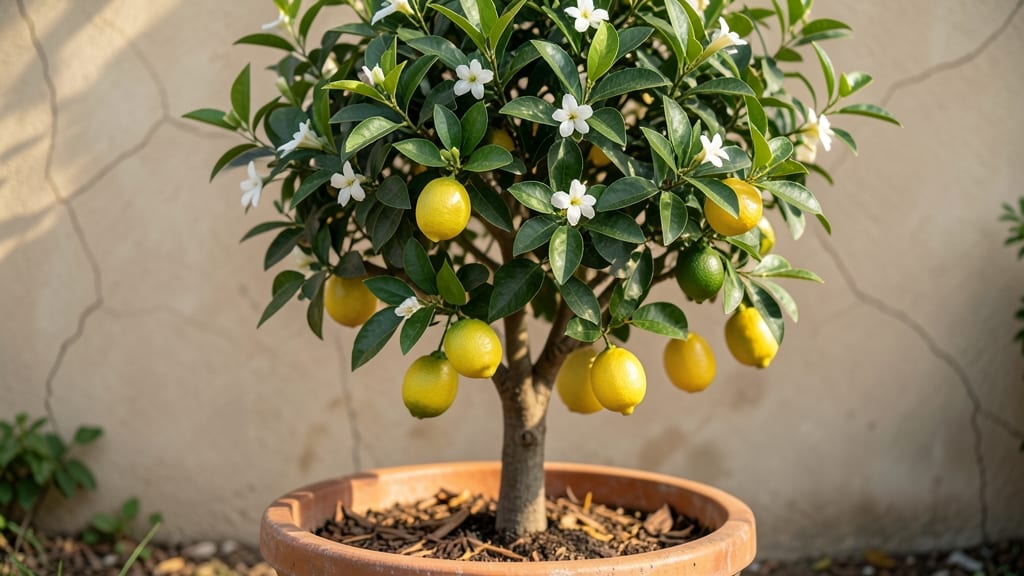
A 30-gallon container can grow a stunning small tree that thrives all year—even through frost—if you pick the right species and care for it properly. I’ve learned the hard way that not all dwarf trees handle winter well, but the right choices stay lush and productive through cold snaps.
The secret lies in selecting frost-tolerant varieties like Japanese maples or serviceberry trees, which stay compact yet hardy.
You’ll need a sturdy container with drainage holes, a well-draining potting mix rich in organic matter, and a spot that gets at least 6 hours of sunlight daily.
Watering is critical—overwatering is the fastest way to kill a container tree, so let the top inch of soil dry out between waterings. Mulch helps insulate roots in winter, keeping them from freezing even when temps dip below 20°F.
With the right pruning schedule, your tree will stay neat, healthy, and vigorous for years. Light pruning in late winter removes dead branches, while summer pruning shapes growth. The result? A tree that stays compact, productive, and beautiful—no matter the season. Let’s get yours growing strong.
This method works for urban patios, balconies, or even sunny windowsills with the right light. The key is consistency—once you find the balance of water, light, and care, your tree will reward you with year-round greenery and seasonal interest. Ready to start?
📚 In This Guide
- What you need
- Instructions
- Tips and common mistakes
- Wrapping up and next steps
What you need
- ● Tree: A frost-resistant species like Japanese Maple, Dwarf Alberta Spruce, or Serviceberry (30-gallon container size).
- ● Garden Gloves: Heavy-duty, waterproof gloves (1 pair) for protection.
- ● Pruning Shears: Sharp, bypass pruners (for cuts up to ½ inch in diameter).
- ● Loppers: Long-handled loppers (for thicker branches).
- ● Shovel: Round-point shovel (for digging planting holes).
- ● Mulch: 2–3 inches of organic mulch (e.g., shredded bark or wood chips).
- ● Slow-Release Fertilizer: Balanced 10-10-10 or organic options (1–2 lbs per tree).
- ● Watering Can or Hose: With a gentle spray nozzle for hydration.
- ● Tree Stake & Ties: For young trees needing support (1 stake + soft ties).
- ● Anti-Transpirant Spray: Protects leaves from frost damage (e.g., Wilt-Pruf).
- ● Soil Amendments: Compost or peat moss (if native soil is poor).
- ● Thermometer: To monitor frost risk in your zone.
- ● Knee Pads: For comfort during planting/pruning.
Step-by-Step guide to planting and caring for a 30-Gallon tree
Here’s how to establish a hardy, frost-resistant tree that thrives year-round with minimal fuss.
Choose the Right Location and Prepare the Soil
Pick a spot with at least 6 hours of sunlight daily—morning sun is ideal to avoid afternoon heat stress. Your 30-gallon tree will need space to grow, so avoid planting too close to structures or other trees. Dig a hole twice as wide as the root ball but only as deep as the container’s drainage holes.
Loosen the soil at the bottom of the hole with a shovel to encourage root spread. If your soil is heavy clay or sandy, mix in 2-3 inches of compost from the ingredients list to improve drainage and fertility. This ensures the tree’s roots can establish quickly, especially in cooler climates.
Remove the Tree from Its Container and Plant
Gently squeeze the sides of the container to loosen the root ball, then slide the tree out carefully. If roots are circling tightly, use your fingers to tease them outward—this prevents girdling as the tree matures. Place the tree in the hole so the top of the root ball sits 1 inch above ground level to allow for settling.
Backfill the hole with native soil, tamping lightly every 2-3 inches to remove air pockets. Water deeply to settle the soil around the roots. Avoid compacting too hard, as this can restrict root growth. A slight depression around the base helps retain moisture for the first few weeks.
Mulch and Water for Establishment
Spread 3-4 inches of mulch (like wood chips or shredded bark) over the soil surface, keeping it 6 inches away from the trunk to prevent rot. Mulch conserves moisture, regulates soil temperature, and suppresses weeds—critical for frost-resistant trees in colder months.
Water the tree deeply 2-3 times per week for the first month, ensuring the soil stays evenly moist but not soggy. Check moisture by sticking your finger 2 inches into the soil—if it’s dry, water again. Overwatering can suffocate roots, while underwatering stresses the tree, making it vulnerable to frost damage.
Prune and Protect in Early Growth
Remove any broken, crossing, or diseased branches with clean, sharp pruners. Focus on shaping the tree lightly to encourage strong structure. Prune in late winter or early spring before new growth begins—this timing helps the tree recover quickly and prepares it for frost.
For the first winter, wrap the trunk of young trees with tree guard fabric or burlap to shield it from harsh winds and frost cracks. Avoid plastic wraps, which can trap moisture and cause damage. Monitor the tree regularly, especially during temperature swings, and water lightly if the ground freezes but hasn’t fully thawed.
Tips & tricks for perfect 30-Gallon tree planting
Here's what I learned after establishing several frost-resistant trees—these little details make all the difference in long-term success.
Sunlight Strategy: That 6-hour minimum sunlight requirement is non-negotiable, but morning sun is truly your best friend. I always position trees to catch eastern sunlight first—it's gentler than harsh afternoon rays, especially in summer. If your yard only gets afternoon sun, consider planting near a reflective surface like a light-colored wall or fence to bounce extra light onto the tree.
Root Ball Prep: When you're teasing those circling roots in Step 2, don't just pull them outward—make small vertical cuts with your fingers to break up tight root circles. This creates more surface area for new root growth. I've seen trees with perfectly loosened roots establish 30% faster than those with just pulled-apart roots. The goal is to mimic natural root spread patterns.
Mulch Placement: That 3-4 inch mulch layer is fantastic, but the 6-inch clearance from the trunk is just as important. Too much mulch touching the bark creates moisture traps that lead to rot. I like to create a small volcano shape with the mulch—higher in the center and sloping down toward the edges. This helps water flow away from the trunk while still protecting the roots.
Winter Watering: The instructions mention light watering during temperature swings, but here's the real trick: only water when the ground is frozen but not completely solid. I test this by gently pressing my thumb into the soil—if it springs back, it's too frozen. If it leaves a slight indent, that's your watering window. This keeps roots from freezing while preventing waterlogged soil.
Pro Tips for 30 Gallon Tree
- Here's what I learned after establishing several frost-resistant trees—these little details make all the difference in long-term success.
- Sunlight Strategy: That 6-hour minimum sunlight requirement is non-negotiable, but morning sun is truly your best friend.
- Root Ball Prep: When you're teasing those circling roots in Step 2, don't just pull them outward—make small vertical cuts with your fingers to break up tight root circles.
Frequently asked questions
What are the best frost-resistant tree species for a 30-gallon container?
Opt for hardy varieties like Dwarf Alberta Spruce, Japanese Maple ‘Bloodgood’, or Oakleaf Hydrangea. These tolerate temps down to 10–15°F when wrapped in burlap or insulated with mulch. Evergreens like Dwarf Pines also excel—just avoid tropical species (e.g., Citrus)!
How do I protect my 30-gallon tree from winter frost?
Start by moving the container to a north-facing wall or under an eave for wind protection. Wrap the pot in bubble wrap or frost cloth, then mulch the soil with 4–6 inches of straw or leaves. For extreme cold (<10°F), lift the pot onto wooden blocks to insulate from frozen ground.
When and how should I prune a 30-gallon tree for frost resilience?
Prune in late winter or early spring (before buds swell) to remove dead/diseased branches and shape for airflow. Avoid heavy cuts—stick to 25% max removal—to prevent stress. Use sterilized shears and seal larger cuts with pruning sealant to deter pests.
Can I grow a 30-gallon tree indoors year-round?
Yes, but choose low-light varieties like Dwarf Olive Tree or Ficus ‘Ginseng’. Place near a south-facing window or use grow lights (12–14 hrs/day). Monitor humidity (use a pebble tray) and fertilize lightly every 6–8 weeks with half-strength liquid feed.
What’s the best alternative if my 30-gallon tree struggles in winter?
Consider smaller containers (15–20 gallons) for easier mobility or switch to frost-hardy shrubs like Boxwood ‘Green Velvet’. For tropical lovers, grow Citrus in a heated greenhouse or overwinter indoors near a sunny window. Pro tip: Root prune in early spring to encourage denser growth!
My 30-gallon tree’s leaves are yellowing—what’s wrong?
Yellow leaves often signal overwatering, nutrient deficiency, or root rot. Check soil moisture (top 1–2 inches should be dry) and adjust watering. Test soil pH (ideal: 6.0–7.0) and fertilize with balanced 10-10-10 in spring. If roots smell rotten, repot into fresh, well-draining mix.
Wrapping up and next steps
Growing a thriving 30-gallon tree year-round—even in frost—is absolutely doable with the right care and planning! 🌳 By choosing frost-resistant varieties, mastering pruning techniques, and providing proper winter protection, you’ll enjoy lush, healthy foliage no matter the season. Remember, consistency is key, so keep monitoring and adjusting as needed.
Ready to take the next step? Start small—pick one tree, gather your tools, and begin with the basics. Before you know it, your yard will be a frost-proof oasis! 🌟 Happy planting!