
Pruning
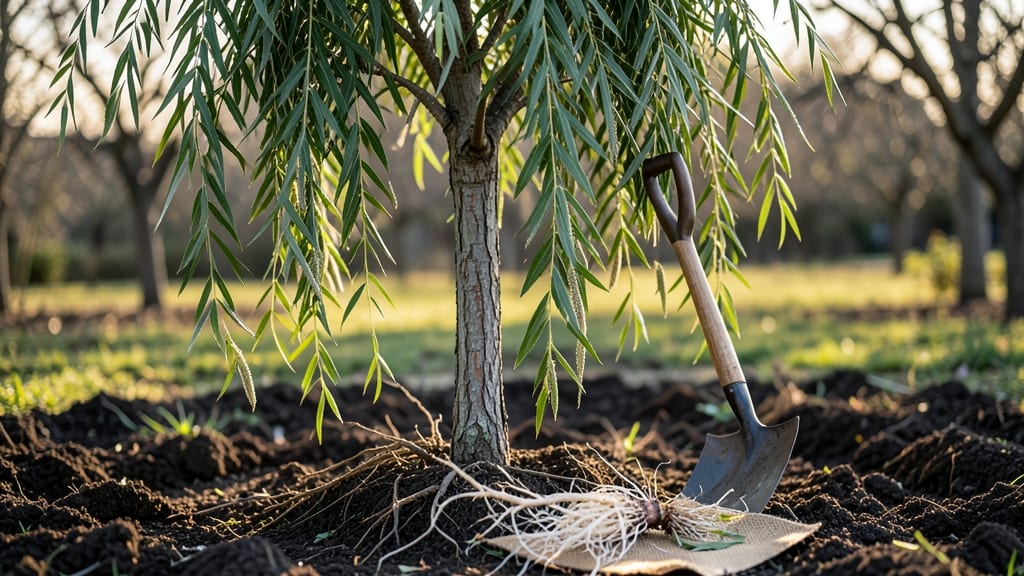
Planting a willow tree means welcoming a living sculpture that thrives even when other trees shiver through frost. 🌿 I’ve learned the hard way that willows aren’t picky—they’ll grow in soggy spots where nothing else survives—but they do need a few key steps to set them up for decades of arching branches and golden autumn leaves.
The secret to their frost resistance lies in their roots, which spread aggressively to absorb moisture and warmth. For best results, pick a site with 6+ hours of sun, at least 15 feet from structures (their roots wander), and soil that drains well but stays damp.
Weeping willows need space for their graceful drapes, while crack willows (like Salix fragilis) handle wetter soil but can get invasive.
You’ll end up with a tree that outlasts most others in your yard—100+ years if given the right start. The first year is about patience: consistent watering, mulch to protect roots, and pruning to shape its growth. By spring, you’ll see those signature willow leaves unfurl, signaling success.
Works for urban yards, pond edges, or even large containers (though they’ll outgrow them fast). Here’s how to plant yours without the guesswork—no green thumb required.
📚 In This Guide
- What you need
- Instructions
- Tips and common mistakes
- Wrapping up and next steps
What you need
- ● Willow tree saplings: 1–3 (depending on desired spacing; choose Salix varieties like Salix babylonica or Salix fragilis for frost resistance).
- ● Shovel or trowel: 1 (for digging holes; opt for a round-point shovel for easier root handling).
- ● Garden gloves: 1 pair (to protect hands from soil and saplings).
- ● Watering can or hose: 1 (with a gentle spray nozzle for delicate seedlings).
- ○ Mulch (optional but recommended): 2–3 bags of organic mulch (e.g., wood chips or straw) to retain moisture and regulate soil temperature.
- ○ Fertilizer (optional): 1 bag of balanced, slow-release fertilizer (e.g., 10-10-10) to boost early growth.
- ○ Staking materials (optional): 2–3 bamboo stakes and soft ties if planting in windy areas.
- ● Sunlight: A location with full sun (6+ hours/day) or partial shade (willows tolerate both but thrive in sun).
- ● Soil: Well-draining, moist soil (willows love wet or clay-heavy soil; amend with compost if needed).
- ● Space: Minimum 10–15 feet between saplings (or more for larger varieties like weeping willows).
- ● Water source: Easy access to water for the first 2–3 weeks (willows need consistent moisture).
How to plant a frost-resistant willow tree
Willows thrive when planted right—here's my straightforward method for strong starts.
🌱 Step 1: Choose the Perfect Planting Spot
Willows need 6+ hours of sunlight daily but tolerate partial shade. Avoid low-lying areas where frost collects—willows hate soggy roots. Look for slightly elevated ground near water (they love moisture but won't drown). Test drainage by digging a 12-inch deep hole—if water pools after 30 minutes, amend the soil with 2 inches of coarse sand mixed into the bottom.
I always plant mine 20-30 feet from structures—willows send out aggressive roots that can damage foundations. Mark the spot with a stake so you don't accidentally plant too close. The ideal location balances sun exposure, drainage, and root space for future growth.
🪴 Step 2: Prepare the Soil and Dig the Hole
Dig a hole twice as wide as the tree's root ball but only as deep as the container it came in. Willow roots are shallow but spread wide, so avoid burying the graft union if planting a nursery tree. Mix the native soil with 3 inches of compost at the bottom of the hole—this improves drainage while retaining moisture.
Loosen the sides of the hole with a shovel to encourage roots to spread outward. If your soil is heavy clay, add 1 part perlite to 3 parts soil in the bottom layer. The goal is loose, airy soil that won't compact around the roots. Tap the hole gently to settle the amended soil before planting.
💧 Step 3: Plant and Water Deeply
Remove the tree from its container and gently tease the roots outward if they're circling. Place it in the hole so the top of the root ball sits 1 inch above ground level—willows settle over time. Fill around the roots with the native soil mix, pressing lightly to remove air pockets. Water immediately with 5 gallons of water to help soil settle.
I always water again after 48 hours to encourage roots to grow into the surrounding soil. The first few weeks are critical—keep the soil evenly moist (not soggy) by watering every 2-3 days until new growth appears. Mulch with 3 inches of wood chips in a 3-foot diameter circle, keeping mulch 6 inches away from the trunk to prevent rot.
☀️ Step 4: Protect from Early Frost and Wind
Willows are frost-resistant but young trees need protection until established. After planting, wrap the trunk with tree guard (available at nurseries) to prevent rodent damage. In colder climates, add 1 inch of straw mulch around the base for extra insulation during the first winter.
Stake the tree only if necessary—willows grow tall quickly and develop strong root systems. If staking, use two stakes on opposite sides and tie loosely with soft fabric strips (not wire). Check ties monthly—they can girdle the trunk as the tree grows. Young willows also benefit from windbreaks like temporary fencing if your area gets strong winds.
✂️ Step 5: Prune and Maintain for Healthy Growth
Wait 6 months before pruning—willows grow fast and need time to establish. Remove only dead or crossing branches in the first year. In subsequent years, prune in late winter (before buds swell) to shape the tree. Cut back 1/3 of the previous year's growth annually to encourage bushier growth and prevent weak limbs.
Fertilize lightly in early spring with a balanced 10-10-10 fertilizer (use 1/2 cup per year of tree age). Over-fertilizing leads to weak wood. Monitor for aphids or willow sawfly—treat with neem oil if you see chewed leaves. With proper care, your willow will develop a frost-resistant root system within 2-3 years, handling winter temperatures down to -20°F without issues.
Tips & tricks for perfect willow tree planting
Here's what nobody tells you about planting willows that'll make all the difference for long-term success.
Drainage Test: That 30-minute water test in Step 1 is non-negotiable. If water lingers after 30 minutes, you need to amend the soil with more sand or gravel. I've seen willows fail within weeks because owners skipped this step—don't make that mistake. The goal is for water to drain completely within 30 minutes, not pool at the bottom.
Root Ball Handling: When teasing roots outward in Step 3, be gentle but thorough. I learned this the hard way after planting two trees with roots still circling—they struggled for years. Use your fingers to carefully spread roots outward like a starfish. This encourages outward growth rather than compacted roots that can strangle themselves.
Watering Schedule: The 48-hour follow-up watering in Step 3 is crucial for root establishment. Many people water once and forget, but that second watering helps settle the soil around roots. After that, stick to every 2-3 days until new growth appears—this keeps roots moist without drowning them. A moisture meter works great if you're unsure.
Frost Protection: While willows handle -20°F once established, young trees need that extra 1 inch of straw mulch in colder climates. I've seen newly planted willows suffer frost damage because owners skipped this. The mulch acts like a blanket, protecting roots from temperature swings. Remove it in spring once growth starts.
Pro Tips for Willow Tree Planting
- Here's what nobody tells you about planting willows that'll make all the difference for long-term success.
- Drainage Test: That 30-minute water test in Step 1 is non-negotiable.
- Root Ball Handling: When teasing roots outward in Step 3, be gentle but thorough.
Frequently asked questions
Got questions about willow tree planting?
Here are some of the most common ones—plus quick, practical answers to help you grow a thriving tree with confidence!
When is the best time to plant a willow tree?
Plant willow trees in early spring or fall when soil is moist but not waterlogged. Avoid extreme heat or frost—willows establish roots best in cool, damp conditions. If planting in summer, water deeply 2-3 times a week to mimic natural rainfall.
How deep should I plant a willow tree?
Dig a hole twice as wide as the root ball but only as deep as the container it came in. Willow roots are shallow and sprawling, so avoid burying the trunk too deep—this can suffocate the tree. Loosen surrounding soil to encourage root spread.
Can I plant a willow tree near my house or fence?
Willows have aggressive roots that spread widely (up to 30+ feet!). Plant them at least 20–30 feet away from structures, septic systems, or driveways. If space is limited, opt for dwarf varieties like Salix caprea or container-grown willows.
How much water does a willow tree need after planting?
Water deeply 2–3 times per week for the first month, then taper to once a week (more in drought). Willows love moisture but hate soggy soil. Mulch around the base (2–3 inches) to retain water and suppress weeds. Avoid overwatering—root rot is a risk!
What if my willow tree’s leaves turn yellow?
Yellow leaves often signal overwatering, nutrient deficiency, or fungal issues. Check soil drainage first—willows prefer moist but well-aerated soil. If leaves are crispy, it’s underwatering; if mushy, it’s root rot. Fertilize lightly in spring with balanced 10-10-10 if growth is slow.
Can I transplant an established willow tree?
Transplanting mature willows is challenging due to their sprawling roots. If you must move one, do it in early spring, prune roots to ⅓ their length, and water heavily post-planting. Success rates improve with container-grown willows—smaller roots = easier relocation!
Wrapping up and next steps
Planting a willow tree isn’t just about adding beauty to your landscape—it’s about nurturing a resilient, frost-resistant powerhouse that thrives for decades. By following these 5 simple steps, you’ve set the stage for a healthy, vibrant tree that will reward you with shade, wildlife support, and stunning foliage. 🌿✨
Ready to take the next step? Monitor your young willow’s progress—water it consistently, protect it from pests, and watch as its roots grow deep and strong. Whether you’re a seasoned gardener or a beginner, your willow tree is now in great hands! 🌱💚