Trees
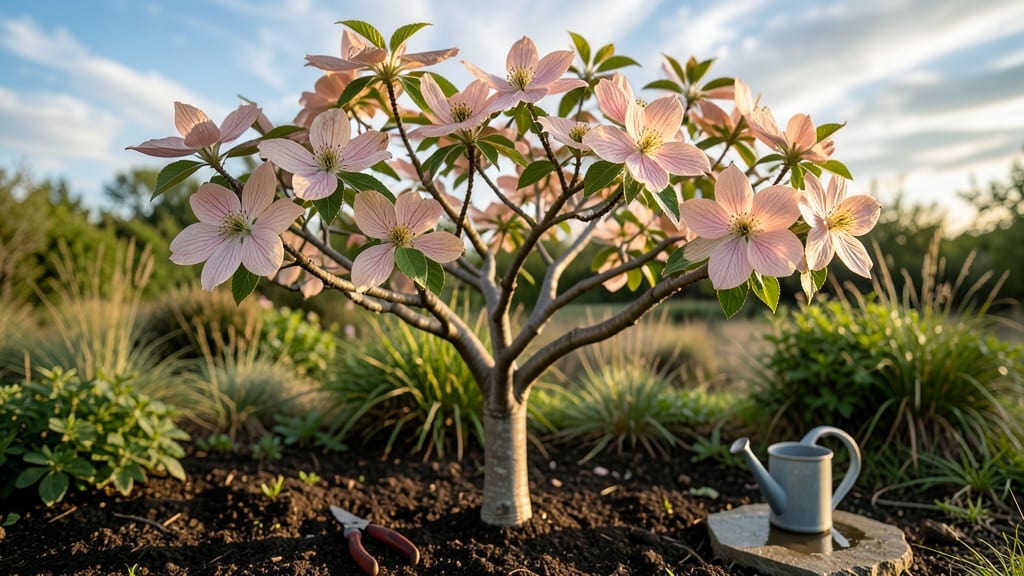
The small flowering dogwood tree (Cornus florida) brings Pacific Northwest charm to any yard with its showy spring blooms and vibrant fall foliage.
I planted mine near the patio, and now it’s the centerpiece of my garden—even when it’s not in bloom, the bark and branching create winter interest. The secret to its success? Matching its needs to the region’s cool, wet climate while avoiding common pitfalls like soggy soil or heavy pruning.
You’ll need a spot with morning sun and afternoon shade, well-draining soil, and protection from harsh winds. Dogwoods thrive in zones 5-8, making them perfect for PNW gardens where summers are mild and winters are damp.
Mulch heavily to retain moisture and keep roots cool—this tree hates heat stress. Once established, it’s low-maintenance, but early years require consistent watering to help roots spread.
By spring, you’ll be rewarded with clouds of white or pink blooms that last weeks, followed by red berries and fiery fall colors. The tree stays compact (15-25 feet tall), making it ideal for small yards, foundation plantings, or as a focal point in mixed borders.
Prune only to shape or remove dead wood—never over-prune, or you’ll sacrifice next year’s flowers.
Common issues like powdery mildew or borers are rare if you keep the tree healthy, but watch for leaf spot in wet summers. A light fungicide spray in early spring prevents most problems.
With the right care, your dogwood will outshine store-bought shrubs for decades—literally. Let’s get yours planted for a lifetime of color.
📚 In This Guide
- What you need
- Instructions
- Tips and common mistakes
- Wrapping up and next steps
What you need
- ● Flowering dogwood tree: Choose a Cornus florida cultivar (e.g., 'Cherokee Brave,' 'Stella Compact,' or 'Rubra')—ensure it’s labeled as dwarf or semi-dwarf (6–10 ft mature height). 1–2 plants per location.
- ● High-quality potting soil: 10–20 lbs (depending on pot size) of well-draining, acidic soil mix (pH 5.0–6.0). Mix in compost (5 lbs) for nutrients.
- ● Organic mulch: 2–3 cubic feet of pine bark or wood chips (3–4 inches deep) to retain moisture and suppress weeds.
- ● Slow-release fertilizer: 1–2 lbs of balanced, organic fertilizer (e.g., 10-10-10 or a dogwood-specific blend).
- ● Garden gloves (1 pair) – Water-resistant for comfort.
- ● Trowel or hand shovel – For digging holes (6–8 inches wide/deep for containers).
- ● Pruning shears – Bypass-style (sharp, clean cuts).
- ● Watering can or hose with nozzle – Adjustable spray for gentle watering.
- ● Measuring tape – To mark planting depth.
- ○ Container (optional): 15–20 gallon pot with drainage holes if planting in a container garden.
- ● Sunlight: Partial shade to full sun (4–6 hours/day). Avoid harsh afternoon sun in hotter PNW summers.
- ● Water source: Access to soft, rainwater or filtered water (dogwoods hate fluoride/chlorine).
- ● Space: 6–10 feet of clearance for mature growth (or prune regularly for smaller varieties).
- ○ Soil test kit (optional): Verify acidity levels (PNW soil can be alkaline—amend with sulfur if needed).
How to plant and care for a small flowering dogwood in the Pacific Northwest
Here's the method I've used for years to establish healthy, vibrant dogwoods that thrive in our region's unique climate.
🌱 Step 1: Choose the Perfect Planting Site
Flowering dogwoods love partial shade, especially in the hotter inland PNW areas. Look for a spot that gets morning sun and afternoon shade—this prevents leaf scorch while still allowing enough light for those stunning spring blooms. Avoid areas where water pools after rain, as soggy soil leads to root rot.
I always dig a hole twice as wide as the root ball but only as deep as the container. Loosen the roots gently if they're circling inside the pot—this encourages outward growth rather than struggling to break free. The top of the root ball should sit 1 inch above ground level when planted, which prevents water from sitting on the stems.
☀️ Step 2: Amend the Soil and Plant Properly
Dogwoods prefer slightly acidic, well-draining soil with a pH between 5.0 and 6.5. If your native soil is heavy clay, mix in 2-3 inches of compost and a handful of sulfur to adjust acidity. I like to work in a 50/50 blend of native soil and compost for the first few inches of the hole—this gives roots an ideal transition zone.
Place the tree in the hole, backfill with the amended soil, and press gently to remove air pockets. Water deeply to settle everything, then add a 2-inch layer of wood chips around the base. Keep mulch 6 inches away from the trunk to prevent rot. This mulch layer helps retain moisture while protecting roots from temperature swings.
💧 Step 3: Water Consistently for the First Year
Newly planted dogwoods need deep watering twice weekly during the first growing season. Check soil moisture by sticking your finger 2 inches down—if it feels dry, water slowly until moisture reaches 6 inches deep. Overwatering is just as harmful as underwatering, so avoid letting the soil stay soggy.
I set up a soaker hose on a timer for the first month to ensure even moisture without disturbing the soil. After the first year, your dogwood will establish deeper roots and need less frequent watering. By year two, you can reduce to once weekly during dry spells, watching for wilting leaves as a signal to water.
✂️ Step 4: Prune for Shape and Health
Dogwoods rarely need heavy pruning, but I always remove dead, crossing, or rubbing branches in late winter or early spring. Use clean, sharp pruners to make cuts just outside the branch collar. Avoid pruning in fall, as new growth won't harden off before winter.
If your dogwood grows too wide, you can lightly shape it by cutting back no more than 25% of the canopy at a time. Never top the tree—this removes the natural shape and weakens future blooms. The goal is to maintain an open center for airflow, which prevents fungal diseases common in our damp climate.
🌿 Step 5: Protect and Maintain Through Seasons
In winter, dogwoods benefit from a 3-4 inch layer of mulch around the base to insulate roots. I also wrap young trees in burlap during harsh winters to prevent sunscald. In spring, remove the wrap and mulch back to 2 inches to allow soil to warm.
Fertilize lightly in early spring with a balanced 10-10-10 formula—dogwoods don't need heavy feeding. I apply ½ cup spread over the root zone, then water deeply. Watch for signs of stress: yellowing leaves often mean too much nitrogen, while sparse blooms may indicate insufficient sunlight or phosphorus.
Tips & tricks for perfect small flowering dogwood planting
Planting a dogwood that thrives in the Pacific Northwest requires attention to detail—here's how to avoid common pitfalls and ensure your tree establishes beautifully.
Site Selection Insight: While morning sun and afternoon shade work well, avoid planting near large evergreens that cast dense shade year-round. Dogwoods need at least 4-6 hours of sunlight daily for optimal bloom production. I've seen dogwoods planted under dense cedars struggle to flower properly after just two seasons—choose a location where they'll receive that crucial morning light while escaping afternoon heat.
Root Preparation Technique: When loosening circling roots in Step 1, don't be too aggressive—just separate them enough to encourage outward growth. I make small vertical cuts with a clean knife along the root ball's perimeter if roots are tightly bound. This prevents transplant shock while still promoting proper root spread. The goal is to create a natural root flare at the base, which prevents water from pooling against the trunk.
Soil Blend Strategy: For the 50/50 soil-compost blend in Step 2, I recommend using well-aged compost rather than fresh manure. Fresh compost can burn young roots and throw off the pH balance. Mix in a handful of cottonseed meal (about ½ cup) along with the sulfur—this provides slow-release nitrogen while maintaining that crucial acidity. The blend should feel like a damp, crumbly loam when moistened.
Watering Precision: During the first month with the soaker hose, I set it for 20 minutes every other day rather than continuous watering. This mimics natural rainfall patterns better than constant saturation. After the first year, when you reduce to weekly watering, check the soil 6 inches deep—if it's still damp at that depth, hold off on watering. Our PNW winters often provide enough moisture that supplemental watering becomes unnecessary during rainy seasons.
Pro Tips for Small Flowering Dogwood Tree
- Planting a dogwood that thrives in the Pacific Northwest requires attention to detail—here's how to avoid common pitfalls and ensure your tree establishes beautifully.
- Site Selection Insight: While morning sun and afternoon shade work well, avoid planting near large evergreens that cast dense shade year-round.
- Root Preparation Technique: When loosening circling roots in Step 1, don't be too aggressive—just separate them enough to encourage outward growth.
Frequently asked questions
about the small flowering dogwood tree—because every gardener deserves clarity! Here are answers to the most common queries to help you care for your Cornus florida with confidence.What’s the best time of year to plant a small flowering dogwood tree?
Plant your dogwood in early spring or fall when the soil is moist but not frozen. Avoid extreme heat or winter planting—these trees establish roots best in cool, damp conditions. For the Pacific Northwest, September to November is ideal!
How cold-hardy is the small flowering dogwood?
Most small flowering dogwoods thrive in USDA Zones 5–9, handling temps down to -20°F (-29°C). In the PNW, they’re perfectly adapted to winter rain and chilly nights. Just mulch well to protect roots from freeze-thaw cycles.
What pests or diseases should I watch for with my dogwood?
Keep an eye out for dogwood borers (look for sawdust-like frass) and powdery mildew in humid summers. Preventative care includes pruning for airflow and avoiding overhead watering. If issues arise, neem oil or fungicides can help—consult a local arborist for severe cases!
Can I grow a flowering dogwood in a container or small yard?
Yes! Dwarf varieties like ‘Cherokee Brave’ or ‘Rubra’ stay under 10–15 feet tall and thrive in large pots (15+ gallons). Ensure the container has drainage holes and use a well-draining potting mix. Move it to partial shade in summer to prevent leaf scorch.
Why aren’t my dogwood flowers as vibrant as expected?
Dull or sparse blooms often signal over-fertilization (too much nitrogen) or poor sunlight. Dogwoods need full sun to partial shade (6+ hours of light) and balanced fertilizer (low-nitrogen, high-phosphorus). Prune spent blooms in late winter to encourage new growth!
How much water does a small flowering dogwood need?
Water deeply 1–2 times per week in the first year, then 1 inch per week once established. The PNW’s rainy climate helps, but mulch 3 inches deep to retain moisture. Avoid soggy soil—dogwoods hate “wet feet”!
Wrapping up and next steps
The small flowering dogwood tree is a stunning, low-maintenance gem that brings year-round charm to Pacific Northwest gardens—from its iconic spring blooms to its vibrant fall foliage and even winter interest.
Whether you’re a seasoned gardener or a beginner, this versatile tree is the perfect way to elevate your outdoor space with minimal effort.
Ready to transform your yard? Start by choosing the right variety for your climate and soil, then plant with care—your future springtime show is just a few seasons away! 🌸