
Pruning
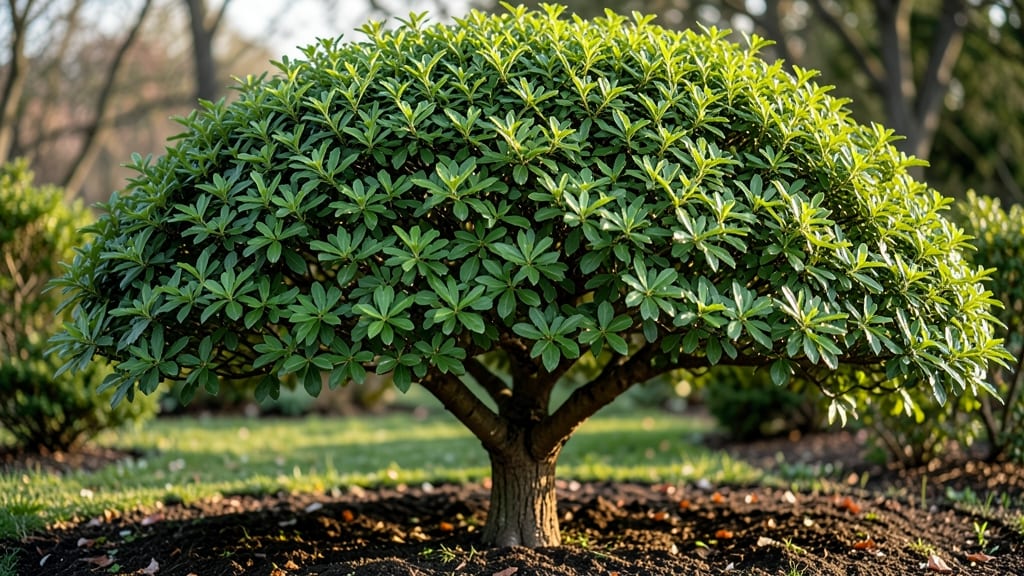
Summer pruning your sakura tree isn’t about heavy cuts—it’s about guiding its energy toward next spring’s showstopping blooms. 🌸 I’ve learned the hard way that aggressive summer trims can stress these delicate trees, but strategic light pruning keeps them healthy and ensures those iconic pink canopies return even more vibrantly.
The key is working with the tree’s natural shape, removing only dead or crossing branches while maintaining airflow. You’ll need sharp pruning shears, a ladder for taller branches, and a clear morning to avoid shocking the tree.
This isn’t a quick job—plan for 20-30 minutes of focused work, and you’ll see the difference by next bloom season.
What you’re left with is a tree that thrives through summer’s heat with lush, glossy foliage and fewer pests. The right cuts now prevent weak growth later, so you’ll enjoy stronger branches and bigger blossoms come spring. Think of it as a quiet investment in next year’s spectacle.
Works for both young saplings and mature trees, though the approach adjusts slightly based on size. Here’s how to do it right without overcomplicating things—no green thumb required, just patience and the right technique.
📚 In This Guide
- What you need
- Instructions
- Tips and common mistakes
- Wrapping up and next steps
What you need
- ● Pruning shears: Bypass pruners (sharp, clean, and sterilized with rubbing alcohol). Size: 6-8 inches for small branches.
- ● Loppers: For thicker branches (up to 2 inches in diameter). Look for: Bypass blades for clean cuts.
- ● Hand saw: For branches over 2 inches thick. Type: Pruning saw with fine teeth.
- ● Gloves: Heavy-duty work gloves (cut-resistant for safety).
- ○ Disposable pruning sealant: Optional but helpful for sealing larger cuts (prevents disease).
- ● Rubbing alcohol (70% or higher): For sterilizing tools between cuts.
- ● Bucket or bag: For collecting pruned branches (5-gallon capacity recommended).
- ● Ladder (if needed): Extendable or sturdy step ladder for high branches. Safety tip: Use a helper or ladder stabilizers!
- ● Pruning paint: For sealing cuts larger than ½ inch (prevents sap oozing and pests).
- ● Disposable pruning saw: For one-time use on very thick branches (no sharpening needed).
- ● Notebook & pen: To mark branches to remove (helps stay organized!).
- ● Hose or spray bottle: To clean tools and rinse off sap after pruning.
- ● Check the weather: Prune on a dry, overcast day (avoid pruning in extreme heat or rain).
- ● Wear long sleeves and pants to protect from scratches and sap.
- ● Have a clear plan: Sketch or mentally map out branches to remove (aim for 10-15% of the tree’s foliage max!).
- ● Confirm your tree’s species and health: Some sakura varieties (like Prunus serrulata) respond better to light summer trims than others.
Step-by-step guide for pruning your sakura tree in summer
Light summer trims keep your sakura healthy and set the stage for stunning spring blooms.
✂️ Step 1: Time Your Pruning for Optimal Growth
Prune your sakura tree in late summer—after July 15 but before August 15. This timing allows new growth to harden off before winter, while avoiding the stress of late-season cuts. Look for the right sensory cues: wait until the tree has finished flowering and new leaves have fully matured (they’ll feel firm and dark green).
Here's the thing—sakura trees bloom on old wood, so heavy pruning now removes next year’s flower buds. Stick to light shaping only. I like to prune on a mild, overcast day to reduce stress on the tree. If you must prune in hot weather, do it in the early morning or evening when temperatures are cooler.
🌿 Step 2: Remove Only Dead, Damaged, or Crossing Branches
Start by inspecting the tree for dead branches—they’ll be dry, brittle, and snap easily when bent. Cut these out first, making clean cuts at the branch collar (the swollen area where the branch meets the trunk). Use sharp, clean pruners to avoid tearing the bark, which invites disease.
Next, look for crossing or rubbing branches—these create wounds and weak points. Remove the smaller of the two branches, cutting back to a healthy lateral bud. You’ll know you’ve made the right cut when the bud faces outward, encouraging better growth patterns. Real talk: don’t overthink this step—your goal is minimal intervention.
✂️ Step 3: Thin Out Overcrowded Areas for Better Airflow
Sakura trees benefit from open, airy canopies to prevent fungal diseases. Focus on thinning branches in the inner crown where light struggles to reach. Remove 10-20% of the smallest, weakest branches—these are the ones growing straight up or competing with stronger limbs.
When thinning, cut branches back to a healthy lateral branch or bud, never leaving a stub. You’ll see the difference in just a few years: better airflow, fewer pests, and a stronger structure. Here’s the trick: step back frequently to visualize the tree’s shape. If you’re unsure, less is always better—sakura trees recover well from minimal pruning.
💧 Step 4: Clean Up and Protect the Tree
After pruning, sterilize your tools with rubbing alcohol to prevent spreading disease. Remove all clippings from the area—don’t leave them under the tree, as they can harbor pests or fungi. I like to compost them later, but only after they’ve dried out completely for 2-3 days to kill any hidden pathogens.
Give your sakura a deep watering after pruning to help it recover. Focus on the root zone, watering slowly until the soil is moist 6 inches down. Avoid fertilizing right after pruning—let the tree focus on healing for 4-6 weeks before adding nutrients. This is the moment that matters: proper aftercare ensures your tree stays strong for next year’s spectacular blooms.
Tips & tricks for perfect sakura tree summer pruning
Light summer shaping makes all the difference for your sakura's future blooms—here's how to do it right.
Timing is Everything: The July 15 to August 15 window is non-negotiable for sakura trees. This late summer timing lets new growth harden off before winter while avoiding the stress of late-season cuts. Confession: I skipped this timing once and noticed weaker spring blooms the following year. The difference between a healthy tree and one struggling to bloom comes down to this precise window.
Visual Cues Over Dates: Instead of just following the calendar, focus on sensory cues: look for fully matured leaves that feel firm and dark green, and wait until after the tree has finished flowering. These visual cues matter more than the exact date—your tree will tell you when it's ready. I learned this the hard way after pruning too early and seeing delayed blooms.
Minimal Intervention Wins: Remember, sakura trees bloom on old wood, so we're only shaping, not renovating. In Step 3, when thinning branches, focus on removing just 10-20% of the smallest, weakest branches in the inner crown. This open canopy approach prevents fungal diseases and creates better airflow—both critical for long-term health. The "less is more" philosophy applies here more than anywhere else in pruning.
Post-Pruning Care Matters: After you've finished pruning, the work isn't done. Sterilizing your tools and removing clippings (composting them only after 2-3 days) prevents disease spread. That deep watering to 6 inches down is crucial—think of it as giving your tree a drink after surgery. And here's what nobody tells you: the 4-6 week no-fertilizer rule is just as important as the pruning itself. This healing period lets the tree focus on recovery rather than growth.
Pro Tips for Sakura Tree In Summer
- Light summer shaping makes all the difference for your sakura's future blooms—here's how to do it right.
- Timing is Everything: The July 15 to August 15 window is non-negotiable for sakura trees.
- Visual Cues Over Dates: Instead of just following the calendar, focus on sensory cues: look for fully matured leaves that feel firm and dark green, and wait until after the tree has finished flowering.
Frequently asked questions
about pruning a sakura tree in summer—because even the most delicate blooms need a little TLC! Here are answers to the most common queries to help you keep your tree thriving.Why should I prune my sakura tree in summer instead of winter or spring?
Summer pruning (after blooming) is ideal because it removes dead or weak branches before winter dormancy, reducing stress. It also encourages stronger growth for next year’s flowers. Winter pruning risks damaging buds, while spring pruning can cut off potential blooms. Think of it as a light trim to shape and refresh!
How much of my sakura tree can I safely prune in summer?
Stick to no more than 20-25% of the tree’s foliage in a single session. Focus on:
- Dead, crossing, or rubbing branches
- Suckers or water sprouts
- Overly long branches to improve airflow
What if my sakura tree doesn’t bloom well after summer pruning?
Don’t panic! Sakura trees bloom on last year’s growth, so heavy pruning now won’t kill next year’s flowers. If blooms are sparse, check for:
- Age: Young trees (under 5 years) may still be establishing.
- Sunlight: Ensure it gets 6+ hours of sun/day.
- Soil health: Test for nutrient deficiencies (e.g., nitrogen).
Can I prune a sakura tree in extreme heat (like 90°F+)?
Prune during mild summer days (60–75°F) to avoid shocking the tree. If it’s scorching, wait for early morning or late evening when temps are cooler. Heat stress + pruning = extra strain. Water the tree before and after to help it recover faster!
Are there alternatives to traditional pruning for sakura trees?
Yes! Try these low-stress methods:
- Pinching: Gently pinch back new growth tips (like a bush) to encourage bushier growth.
- Thinning: Remove entire branches at the base (not just cutting back) to open the canopy.
- Copper-based fungicide: Spray pruning cuts to prevent silver leaf disease (common in sakuras).
Wrapping up and next steps
Pruning your sakura tree in summer might seem counterintuitive, but those light, strategic trims are the secret to stunning blooms next spring! 🌸 By removing just the right branches—while avoiding over-pruning—you’re shaping a healthier, more vibrant tree.
Think of it as a gentle nudge toward next year’s beauty, not a harsh cut.
Ready to give your sakura the care it deserves? Start small—pick just one branch to practice on, and soon, you’ll be a summer-pruning pro! For extra confidence, grab your tools and review the essentials one last time before you begin.