Pruning
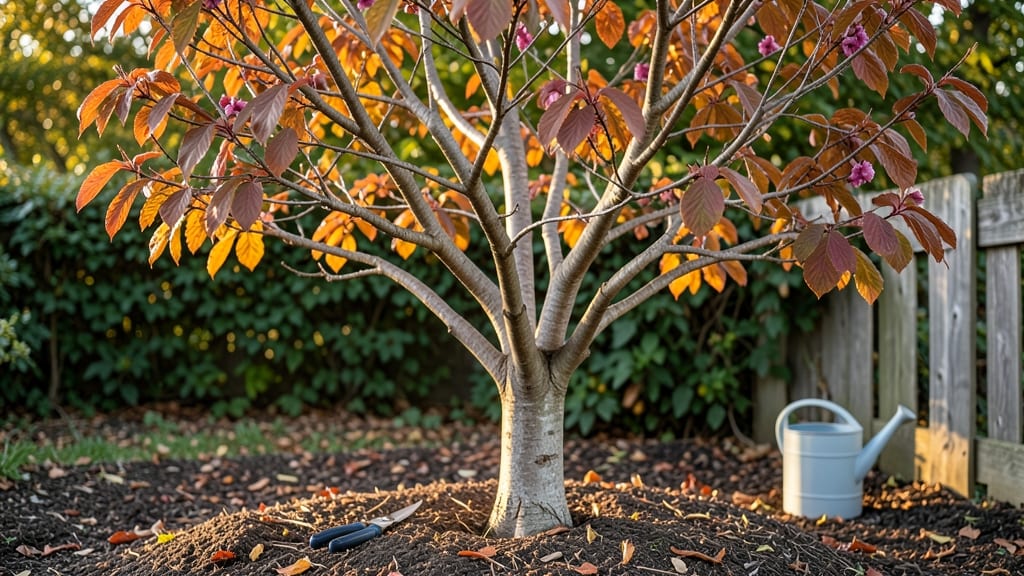
The redbud tree in fall bursts into fiery gold, signaling nature’s last hurrah before winter—but that’s exactly why late-season pruning matters. keeps it vibrant for seasons to come. The key? Timing and technique to avoid winter stress while shaping the tree for spring.
Most gardeners skip fall pruning, but this is when you remove dead branches and shape for airflow—critical for preventing disease. Grab your pruners and focus on 30-minute sessions when temps stay above 40°F, trimming just enough to avoid stressing the tree before winter.
The goal isn’t drastic cuts but strategic ones that clean up without sacrificing next year’s bloom potential.
What you’ll end up with is a redbud that wakes up in spring with fewer weak branches and more energy for those iconic blooms. The leaves will still blaze in fall, the structure stays strong through frost, and you’ll avoid the heartbreak of broken limbs after heavy snow.
Think of it as a winterizing spa day for your tree.
Works for both young redbuds and established trees—just adjust the intensity. If you’re in a colder zone, wait until after the first hard frost for extra safety. Here’s how to do it without overcomplicating things.
📚 In This Guide
- What you need
- Instructions
- Tips and common mistakes
- Wrapping up and next steps
What you need
- ● Pruning shears: Sharp, bypass-style shears (for cuts up to ½ inch thick). Pro tip: Clean blades with rubbing alcohol to prevent disease spread! 💡
- ● Loppers: 1 pair (for branches ½ to 1½ inches thick). Look for ratcheting or bypass models for precision.
- ● Pruning saw: 1 handheld saw (for branches thicker than 1½ inches). A bow saw or pruning saw with a fine-toothed blade works best.
- ● Gloves: Heavy-duty, cut-resistant gloves (to protect from thorns and splinters).
- ○ Disinfectant: 70% isopropyl alcohol or a tree wound sealant (optional but recommended for large cuts).
- ● Ladder: Sturdy, extendable ladder (if your tree is over 6 feet tall). Always use with a spotter for safety! ⚠️
- ● Heavy-duty trash bags: 2–3 bags (for collecting debris).
- ● Weather check: Prune on a dry, overcast day (avoid frost or rain within 24 hours).
- ● Tree assessment: Identify dead, diseased, or crossing branches before starting.
- ● Safety gear: Safety glasses (to shield eyes from debris) and closed-toe shoes.
- ○ Optional: A notebook and pen (to sketch a pruning plan if needed).
- ● Tree paint (for sealing cuts larger than ½ inch—controversial but some swear by it!).
Instructions for late-season redbud tree pruning
Here's how to trim your tree after bloom season for stronger growth next spring.
Time Your Pruning Correctly
Wait until after all leaves have fallen but before hard frosts set in—typically late October to early November in most climates. This timing lets the tree heal before winter dormancy, and you'll avoid disturbing next year's flower buds that form on last year's growth.
If you prune too early, you risk encouraging new growth that won't harden off before winter. If you wait too late, the tree's energy is already stored for dormancy. Look for bare branches with no green leaves as your cue—this means the tree is fully dormant.
Remove Dead, Damaged, or Crossing Branches
Start by cutting out any branches that are dead, diseased, or broken—these are easy to spot as they'll be brown, brittle, or lacking leaves. Use clean, sharp pruners to make cuts just outside the branch collar where it meets the trunk.
Next, remove any branches that cross or rub against each other. These create wounds that invite pests and diseases. Make your cuts at a 45-degree angle about ¼ inch above a bud or branch that's growing outward from the tree. This encourages proper healing and maintains the tree's natural shape.
Thin the Canopy for Better Airflow
Step back and look at the tree's overall shape. Redbuds benefit from an open canopy that allows sunlight and air to reach the center. Remove 10-20% of the smallest branches from the outer edges first—these are the ones that won't be missed but will improve airflow.
Focus on branches that grow inward or downward. These create dense areas where moisture lingers and diseases thrive. Make your cuts just above a bud that faces outward. You'll know you're thinning correctly when you can see light filtering through the canopy from above.
Clean and Sanitize Your Tools
After pruning, clean your tools with a 10% bleach solution (1 part bleach to 9 parts water) to prevent spreading diseases between cuts. Wipe them dry with a paper towel to avoid rusting.
Dispose of any diseased branches in the trash, not your compost pile. This prevents pathogens from spreading back to your garden. Store your pruners in a dry place until next season—keeping them sharp and clean ensures cleaner cuts and healthier trees.
Tips & tricks for late-season redbud tree pruning
Late-season pruning is your secret weapon for keeping your redbud tree thriving year after year. These practical tips will help you avoid common mistakes and get the most out of your effort.
Timing is Everything: The window between late October and early November is critical because it lets the tree heal before winter dormancy begins. If you're unsure whether your tree is fully dormant, look for bare branches with no green leaves—this is your cue that it's safe to prune. I've learned the hard way that pruning too early can encourage weak new growth that won't survive winter, while waiting too late means missing the perfect opportunity to shape the tree for next spring's blooms.
Precision Cutting Technique: When removing branches in Step 2, focus on making clean cuts just outside the branch collar at a 45-degree angle. This small detail makes all the difference in how well the tree heals. I recommend using sharp pruners and cutting about ¼ inch above a bud that faces outward—this encourages proper growth patterns. The goal is to maintain the tree's natural shape while improving its structure for next year's flowers.
Thinning Strategy: In Step 3, aim to remove 10-20% of the smallest branches from the outer edges first. This might seem counterintuitive, but these branches won't be missed and will significantly improve airflow through the canopy. Focus on branches that grow inward or downward—they create dense areas where moisture lingers and diseases thrive. You'll know you're doing it right when you can see light filtering through the canopy from above, which means you're opening up the tree's interior for better health.
Tool Maintenance Matters: After pruning, take 5 minutes to properly clean your tools with a 10% bleach solution—this prevents spreading diseases between cuts. I've seen many gardeners skip this step, only to find their tools rusted or contaminated by the next pruning session. Store your pruners in a dry place until next season, and remember to dispose of any diseased branches in the trash, not your compost pile. This small effort makes a big difference in keeping your redbud tree healthy for years to come.
Pro Tips for Redbud Tree In Fall
- Late-season pruning is your secret weapon for keeping your redbud tree thriving year after year.
- Timing is Everything: The window between late October and early November is critical because it lets the tree heal before winter dormancy begins.
- Precision Cutting Technique: When removing branches in Step 2, focus on making clean cuts just outside the branch collar at a 45-degree angle.
Frequently asked questions
Got questions about your redbud tree’s fall care?
Here are answers to the most common concerns—so you can prune with confidence and keep those stunning spring blooms coming!
When is the exact best time to prune a redbud in fall?
Prune your redbud after it drops its leaves (typically late November to early December) but before hard frosts hit. This timing balances safety for the tree while avoiding late-season growth that could be damaged by cold. If you miss fall, wait until early spring (before buds swell) as your next best window.
Can I prune a redbud in late fall if it’s already lost its leaves?
Yes! Late fall (November–December) is ideal for pruning after leaf drop, as the tree is dormant. Just avoid pruning if temperatures dip below 20°F (-6°C)—cold stress can harm fresh cuts. Focus on removing dead, diseased, or crossing branches first to minimize stress.
Will pruning in fall affect next year’s pink blooms?
Not if done correctly! Redbuds bloom on old wood, so avoid heavy pruning of last year’s growth. Limit cuts to 10–15% of the canopy and prioritize shaping over aggressive thinning. Over-pruning now can reduce—but won’t eliminate—next spring’s flowers.
What if my redbud’s branches are already bare and brittle?
Brittle branches often signal disease, pests, or winter damage. Prune them out immediately to prevent spread. If most branches are affected, test for anthracnose (common in redbuds) or consult a local arborist. Healthy redbuds should retain some sturdy structure—focus on reviving the tree’s core.
Are there alternatives to fall pruning for lazy gardeners?
If fall pruning feels overwhelming, spring pruning (March–April) is your backup plan. Just avoid pruning during bloom time (when buds open) to protect flowers. For minimal effort, focus on removing only dead/diseased branches in fall and save major shaping for spring.
Wrapping up and next steps
Fall is the perfect time to give your redbud tree the care it needs to shine brighter next spring!
By pruning now, you’re not just tidying up—you’re protecting those stunning blooms and ensuring a healthier, more vibrant tree for seasons to come. 🌸 With the right tools, timing, and technique, you’ll set the stage for a spectacular display of pink and purple flowers.
Ready to take action? Grab your pruners, review your notes, and schedule that pruning session before winter arrives. Your redbud—and your future spring garden—will thank you! 🌿