
Pruning
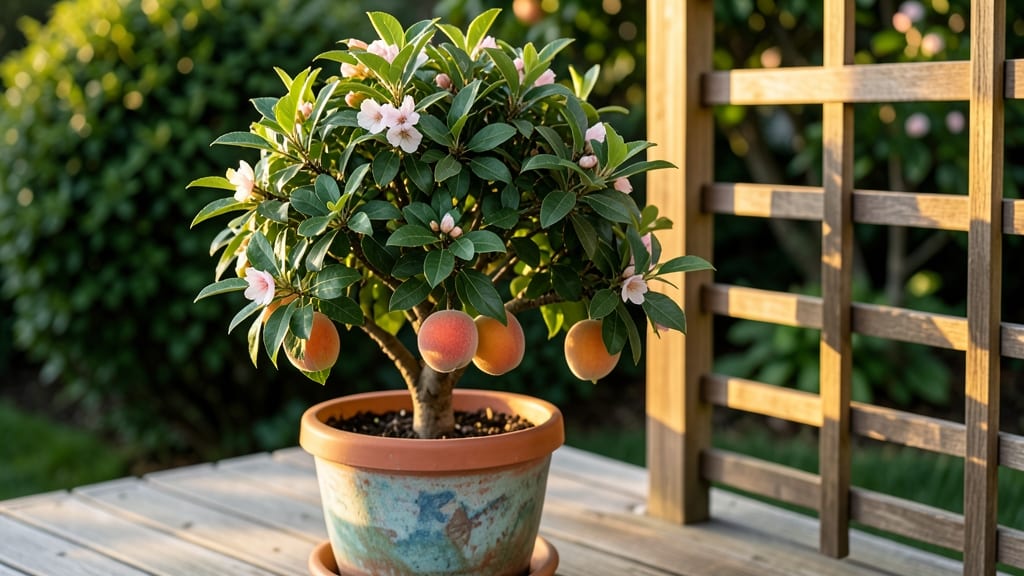
A porch peach tree in late winter isn’t just about trimming branches—it’s about setting the stage for next summer’s sweet harvest. 🌱 I’ve pruned mine for three years now, and the difference in fruit production is nothing short of shocking.
The key is timing: when the tree’s still dormant but the first buds are just waking up.
Start by removing any dead, crossing, or crowded branches—these are the ones stealing energy from your future peaches. Use sharp pruners to cut just outside the bud, and don’t worry about making it perfect.
The goal is to open up the center of the tree so sunlight and air can reach every branch, which means more blossoms and better fruit next season.
You’ll know you’ve done it right when you see fresh, green growth by spring. The tree will look lighter, airier, and ready to burst into bloom. Plus, with fewer branches to maintain, summer care becomes a breeze—no more wrestling with overgrown limbs or hidden pests.
Works for dwarf varieties in containers too—just scale the cuts to match the tree’s size. Whether you’re pruning a 5-gallon pot or a 15-foot tree, the same principles apply. Let’s get those branches in shape for a bountiful harvest!
📚 In This Guide
- What you need
- Instructions
- Tips and common mistakes
- Wrapping up and next steps
What you need
- ● Pruning shears: Bypass pruners (for cuts 1/4-inch in diameter) – 1 pair (sterilized with rubbing alcohol).
- ● Loppers: For cuts 1/4–3/4-inch in diameter – 1 pair (with a bypass blade for clean cuts).
- ● Pruning saw: For larger branches (>3/4-inch) – 1 saw (with a fine-tooth blade).
- ● Gloves: Heavy-duty, cut-resistant – 1 pair (to protect hands from thorns and splinters).
- ● Disinfectant: 70% isopropyl alcohol or bleach solution (1 part bleach to 9 parts water) – small bottle (for sterilizing tools between cuts).
- ○ Pruning sealant: Optional but helpful for large cuts (e.g., Tanglefoot Tree Wound Pruning Seal) – small tube.
- ● Ladder: Sturdy, extension ladder (if tree exceeds 6–8 feet) – 1 (with non-slip feet).
- ● Safety gear: Safety glasses and long sleeves/pants (to protect from debris and thorns).
- ● Garden twine: For tying branches temporarily – small roll.
- ● Marking spray: White or pink paint (to mark cuts for future reference) – small spray bottle.
- ● Tree bag: For collecting pruned branches – 1–2 large bags.
- ● Notebook/pencil: To jot down pruning notes (e.g., branch locations, growth patterns).
- ● Sterilizing wipes: For quick tool cleanups between trees.
Step-by-step late-winter pruning for your porch peach tree
Here's how to shape your tree for better fruit—and fewer surprises—next season.
🌿 Step 1: Wait for the Right Time
Prune your porch peach tree in late winter, right after the last hard frost but before buds swell. This timing ensures the tree isn’t stressed by cold snaps while still dormant enough to handle cuts. In most regions, that’s February to early March. Check your local frost dates—pruning too early risks cold damage, and too late means you’ll cut off next year’s fruit buds.
Look for brown, leafless branches—this confirms dormancy. If you see any green shoots or swollen buds, wait a week or two. The goal is to work when the tree is resting but before it starts growing again. I always mark my calendar with the last frost date to avoid rushing.
✂️ Step 2: Gather Your Tools and Assess the Tree
You’ll need clean, sharp pruning shears for small branches and a pruning saw for thicker stems. Wipe the blades with rubbing alcohol before and after to prevent spreading disease. Start by removing any dead, diseased, or crossing branches—these are easy to spot because they’re brown, brittle, or rubbing against others.
Next, scan the tree for suckers (shoots growing from the base or trunk) and water sprouts (fast-growing vertical shoots). These steal energy from fruit production. I like to take a step back and visually map the tree’s structure—this helps me see where light and air need to flow best.
🌱 Step 3: Open the Canopy for Sunlight
Peach trees need full sun to set fruit, so your pruning goal is to create an open, airy shape. Start by thinning out overcrowded branches—remove every third branch that’s growing inward or rubbing against others. Cut back to the bud or branch collar (the swollen area where the branch meets the trunk), not mid-branch. This prevents tears and encourages faster healing.
For branches thicker than your thumb, make the cut just outside the branch collar at a 45-degree angle. For thinner branches, clean cuts are fine. Step back occasionally to check your progress—you’re aiming for a tree that lets sunlight reach the center. Real talk: It’s easy to over-prune here, so take it slow.
☀️ Step 4: Shape for Fruit Production
Peach trees fruit best on one-year-old wood, so focus on keeping last year’s branches while lightly pruning older growth. Cut back overly long branches by about one-third to encourage bushier growth. Look for fruit spurs (small, stubby branches with clusters of buds)—these are your future fruit zones. Preserve them by avoiding heavy cuts nearby.
If your tree has too many vertical branches, shorten them to encourage outward growth. The idea is to create a balanced shape where branches spread evenly. I like to leave 3-5 main scaffold branches (thick, sturdy limbs) to support the tree’s weight. Avoid leaving stubs—always cut just above a bud or branch collar.
💧 Step 5: Clean Up and Protect the Tree
After pruning, rake up and dispose of all clippings—don’t compost them, as they can harbor disease. Wipe down your tools again with rubbing alcohol to prevent spreading pathogens. Now’s also the time to apply a thin layer of mulch (2-3 inches) around the base, keeping it 6 inches away from the trunk to prevent rot.
Give the tree a deep watering to help it recover from the stress of pruning. In the weeks following, monitor for new growth—this tells you the tree is responding well. If you see yellowing leaves or wilting branches, you may have pruned too aggressively. Don’t panic; just hold off on further cuts until the tree stabilizes.
Tips & tricks for perfect late-winter peach tree pruning
These simple tricks will help you shape your porch peach tree like a pro—and avoid the mistakes that ruin fruit production.
Timing Secret: Don't rush the February-to-early-March window! I've learned the hard way that pruning too early can leave your tree vulnerable to late frosts, while waiting too long risks cutting off next year's fruit buds. Check your local frost dates and mark your calendar—this is the single most important factor for success. If you're in doubt, err on the side of waiting a few extra days.
Tool Technique: That 45-degree angle cut for branches thicker than your thumb isn't just about looks—it helps water run off properly and prevents disease from pooling at the cut site. For thinner branches, clean cuts are fine, but always cut just outside the branch collar (that swollen area where the branch meets the trunk). I use a pencil to mark my cuts first—this prevents me from making mistakes when I'm up in the tree.
Visual Cues for Pruning: When you're thinning out crowded branches in Step 3, imagine sunlight streaming through the center of your tree. That's your goal! Every third inward-growing branch should go—this creates that open, airy shape peach trees love. Step back every few cuts to check your progress. I've over-pruned more times than I'd like to admit, so I now work in small batches to avoid mistakes.
Recovery Strategy: After pruning, that deep watering isn't just about quenching thirst—it helps the tree recover from the stress of cutting. I like to add a slow-release fertilizer at this time too (optional, but recommended). Watch for new growth in the weeks following—this is your tree's way of saying "thank you" for the proper care. If you see yellowing leaves, you may have pruned too aggressively, but don't panic—your tree will bounce back with time.
Pro Tips for Porch Peach Tree
- These simple tricks will help you shape your porch peach tree like a pro—and avoid the mistakes that ruin fruit production.
- Timing Secret: Don't rush the February-to-early-March window!
- Tool Technique: That 45-degree angle cut for branches thicker than your thumb isn't just about looks—it helps water run off properly and prevents disease from pooling at the cut site.
Frequently asked questions
Got questions about pruning your porch peach tree for a bountiful harvest? You’re not alone! Here are answers to the most common queries—so you can prune with confidence and set your tree up for success.
Why is late-winter the best time to prune my peach tree?
Late winter (just before buds swell) is ideal because your tree is dormant, making it easier to see the structure. Pruning now reduces disease risk, removes winter-damaged branches, and encourages strong spring growth. Plus, you avoid stressing the tree during active fruit production. Pro tip: Aim for late February to early March in most climates!
How much can I safely remove during pruning?
Remove no more than 25-30% of the tree’s total canopy in one session to avoid shocking it. Focus on dead, crossing, or overcrowded branches first. For young trees, you can be more aggressive (up to 50%) to shape them early. Warning: Never remove more than a third of the main scaffold branches at once!
Will pruning now affect my peach harvest this year?
No—late-winter pruning won’t hurt this year’s fruit. In fact, it boosts next year’s yield by improving airflow and sunlight penetration. Current-year fruit forms on last year’s growth, so pruning now just sets the stage for bigger, healthier crops in spring and summer. Think of it as a “reset button” for your tree!
What if my peach tree is small or young? Should I still prune?
Young trees need pruning most to establish a strong framework. Focus on:
- Removing suckers (shoots at the base)
- Opening the center for airflow
- Selecting 3–5 well-spaced scaffold branches
What do I do if my peach tree has brown, mushy branches after pruning?
This could signal bacterial canker or frost damage. Act fast:
- Cut back to healthy green wood (not brown)
- Sterilize tools with rubbing alcohol
- Apply a copper fungicide to wounds
- Avoid pruning wet branches (wait for dry weather)
Still unsure? Drop your question in the comments—we’re happy to help your porch peach tree thrive!
Wrapping up and next steps
Giving your porch peach tree a little TLC in late winter isn’t just about shaping—it’s about setting the stage for a bountiful harvest next season! 🌱 By removing dead wood, thinning crowded branches, and opening up the canopy, you’re not only improving airflow and sunlight access but also encouraging stronger growth and sweeter fruit.
Think of it as a reset button for your tree’s productivity.
Now that you’re armed with the know-how, grab those pruners and get to work! Start small if you’re new to pruning, and don’t forget to reward yourself with a fresh peach later in the year—your future self (and taste buds) will thank you! 🍑 For extra peace of mind, mark your calendar for next year’s late-winter pruning session and watch your tree thrive.