
Pruning
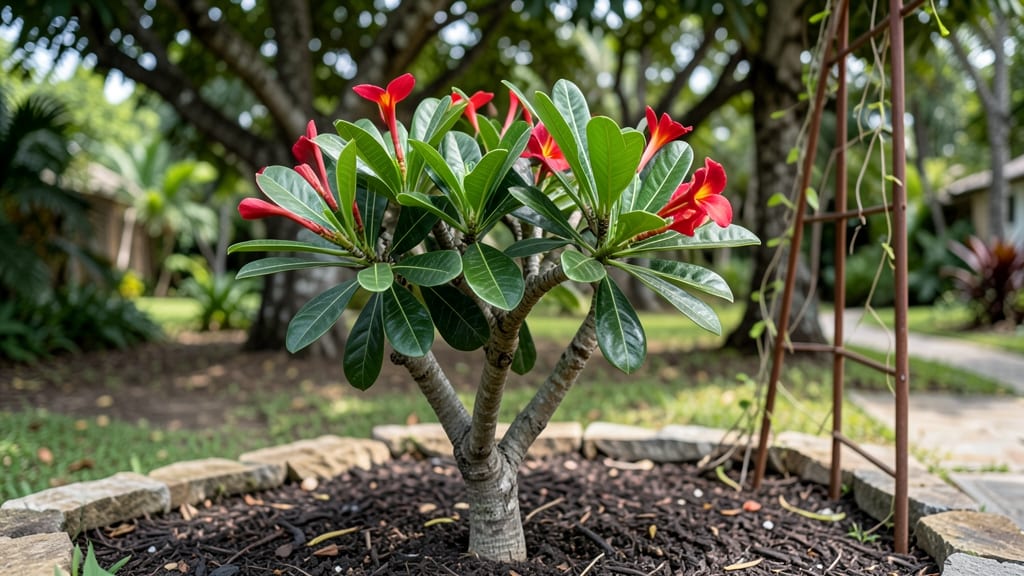
Growing plumeria trees in Florida isn’t just possible—it’s a tropical dream come true, with bold, fragrant blooms that turn heads all year. 🌺 The key isn’t just planting; it’s mastering Florida’s heat and humidity to keep your plumeria thriving through every season, from the sweltering summer to the mild winters.
I’ve learned the hard way that pruning isn’t seasonal here—it’s a year-round conversation with your tree to encourage those showstopping flowers.
Florida’s subtropical climate gives plumerias an advantage: they love the heat and can bloom nearly year-round if you play your cards right.
You’ll need well-draining soil (think sandy loam mixed with compost), full sun for at least six hours a day, and a watering routine that mimics Florida’s natural rhythms—deep soaks when dry, but never soggy roots.
The real magic happens when you prune strategically: shape in late winter to encourage new growth, then trim lightly after blooms fade to keep the tree compact and vigorous.
What you’ll end up with is a plumeria that bursts with fragrant, waxy blooms in every shade from white to deep pink, attracting hummingbirds and filling your yard with intoxicating perfume. The secret to bold blooms?
Pruning isn’t about cutting back—it’s about directing energy where you want it. With the right approach, you’ll have a tree that looks like it belongs in a tropical paradise, not just your Florida backyard.
This works for both container-grown plumerias and those planted in the ground, whether you’re in Miami’s coastal heat or Orlando’s slightly cooler inland climate. The same principles apply—just adjust watering slightly for your microclimate. Ready to turn your plumeria into a year-round showstopper?
📚 In This Guide
- What you need
- Instructions
- Tips and common mistakes
- Wrapping up and next steps
What you need
- ● Plumeria Tree: Choose a healthy, Florida-friendly variety (e.g., Plumeria rubra or Plumeria obtusa). Opt for a 1–3 gallon container-grown plant for easier handling.
- ● Pruning Shears: Bypass pruners (sharp, 6–8" blades) for clean cuts—sterilize with rubbing alcohol before and after use!
- ● Hand Pruners: Small, bypass or anvil-style for delicate trimming (great for tight spots).
- ● Loppers: 8–12" bypass loppers for thicker branches (up to 2" diameter).
- ○ Hedge Shears: Adjustable, 8–12" blades for shaping (optional but handy for topiary styles!).
- ● Gloves: Heavy-duty gardening gloves (pruners can be sharp, and plumeria thorns are real!).
- ● Pruning Sealant: Tree wound dressing (e.g., Tanglefoot Tree Wound Pruning Seal) to prevent disease on large cuts.
- ● Disinfectant: 70% isopropyl alcohol or bleach solution (1 part bleach : 9 parts water) for sterilizing tools.
- ● Safety Gear: Safety glasses (if dealing with large branches) and long sleeves (sun protection!).
- ● Extension Pole: 10–12 ft. pruning saw for high branches (Florida’s humidity + height = extra caution!).
- ● Compost/Soil Amendments: Well-draining potting mix (e.g., cactus/succulent blend) or aged compost for repotting.
- ● Fertilizer: Slow-release 8-3-9 or 10-10-10 fertilizer (apply lightly post-pruning).
- ● Mulch: Pine bark or wood chips (2–3" layer) to retain moisture and regulate soil temp.
- ● Timing: Prune in early spring (Feb–March) or late summer (Aug–Sept) to avoid frost or extreme heat. 🌡️
- ● Location: Ensure full sun (6+ hours/day) and well-draining soil (plumerias hate soggy roots!).
- ● Water Access: A hose with a gentle spray nozzle or drip irrigation for post-pruning care.
- ● Local Regulations: Check Florida’s invasive species list—some plumeria varieties are restricted in certain areas. ✨
Step-by-step guide to pruning plumeria trees in Florida
Here’s how to coax those fragrant blooms year-round with strategic pruning.
🌿 Step 1: Time Your First Pruning After the Last Frost
Florida’s mild winters let plumerias grow nearly year-round, but the best time to prune is late February to early March, right after the last frost date. This timing ensures you remove any winter-damaged growth while leaving enough foliage to fuel spring blooms. I always wait until new shoots appear—those tell me the tree’s ready for a trim.
Use clean, sharp pruning shears to make cuts just above a leaf node or bud, angled slightly downward. This prevents water from pooling and rotting the cut. Avoid cutting into old wood—plumerias bloom on new growth, so prune back to healthy, green stems only. If you’re unsure, snap off a small branch to check the color: green means life, brown means dead.
✂️ Step 2: Shape for Airflow and Light Penetration
Plumerias thrive when they get bright, indirect light all day, so prune to open up the canopy. Start by removing any crossing or rubbing branches—they’ll compete for resources and create weak entry points for pests. Next, thin out the center to improve airflow, which reduces fungal issues like powdery mildew.
Here’s the trick: step back every few cuts and squint at the tree. You’re aiming for an open, vase-like shape with branches spaced 6–12 inches apart. Avoid shearing—plumerias hate it. Instead, target overly leggy growth (long, thin stems with few leaves) and cut it back to a strong lateral branch. This encourages bushier growth and more blooms.
🌱 Step 3: Summer Pruning to Encourage Fall Blooms
After the spring flush of flowers, give your plumeria a light pruning in late June or early July. This isn’t about drastic reshaping—just a strategic trim to remove spent blooms and any growth that’s growing inward. The goal is to redirect the tree’s energy toward fall blooming, which is when Florida plumerias really shine.
Focus on deadheading (removing faded flowers) to prevent seed pods from forming. These pods drain energy that could go toward more blooms. Cut back to the nearest leaf node, and avoid leaving stubs—always make clean cuts. If your plumeria looks top-heavy after pruning, it’s time to stake a few branches for support until new growth stabilizes.
⏰ Step 4: Light Winter Pruning for Structure
Florida’s rare cold snaps can stress plumerias, so a minimal pruning in December keeps them healthy. Look for any branches that died back due to frost or disease—snip those off immediately. Avoid heavy pruning now; the tree needs its foliage to photosynthesize through the cooler months.
This is also the time to clean up the base. Remove any debris or low-hanging branches that could trap moisture. If your plumeria is in a pot, use this pruning to check for root-bound conditions. Gently loosen the roots if they’re circling the pot—this encourages stronger growth come spring. A light application of balanced fertilizer (like 10-10-10) after pruning gives the tree a boost for the new year.
Tips & tricks for pruning plumeria trees in Florida
Real talk: Pruning plumerias might seem intimidating, but these insider tricks will turn you into a Florida-friendly pruning pro.
Timing is Everything: The late February to early March window for your first pruning isn't just arbitrary—it's when plumerias naturally enter their growth phase after winter. Watch for those first green shoots as your cue; they signal the tree's ready to handle pruning. If you're unsure about frost dates, check your local weather service or use a simple frost calendar app for your specific Florida county. This precision timing ensures you're not pruning too early (which stresses the tree) or too late (which can reduce spring blooms).
Shape with Purpose: When you're shaping your plumeria in Step 2, think of it like styling a haircut—you want movement and airflow. That 6-12 inch spacing between branches isn't just a suggestion; it's what creates that perfect balance of light penetration and air circulation. Pro tip: Use a small mirror or take photos from different angles to visualize how your cuts will affect the overall shape. Remember, you're not just trimming—you're sculpting a tree that will reward you with more blooms and better health.
Deadheading Done Right: During your summer pruning, don't just yank off those faded flowers—cut them back to the nearest leaf node. This might seem like a small detail, but it's what prevents those energy-sapping seed pods from forming. Think of it like giving your tree a spa treatment: removing the old and tired parts lets it focus its energy on producing fresh, vibrant blooms. I've seen plumerias go from sparse summer blooms to full, fragrant displays just by perfecting this step.
Tool Maintenance Matters: Your pruning shears are your most important tool, and they deserve regular TLC. After each pruning session, wipe them clean with rubbing alcohol and a soft cloth, then sharpen them on a fine-grit stone. Dull blades tear rather than cut cleanly, which can damage your plumeria's stems and invite infections. I keep a small toolkit with my shears, including a sharpening stone and alcohol wipes, so I'm always ready to give my tools the care they need.
Pro Tips for Plumeria Tree Florida
- Real talk: Pruning plumerias might seem intimidating, but these insider tricks will turn you into a Florida-friendly pruning pro.
- Timing is Everything: The late February to early March window for your first pruning isn't just arbitrary—it's when plumerias naturally enter their growth phase after winter.
- Shape with Purpose: When you're shaping your plumeria in Step 2, think of it like styling a haircut—you want movement and airflow.
Frequently asked questions
Got questions about growing and pruning plumeria trees in Florida? You’re not alone! Here are answers to the most common concerns—from timing and care to troubleshooting—so you can keep your tropical beauty thriving year-round.
When is the best time to prune my plumeria tree in Florida?
Prune your plumeria after blooming (late spring to early summer) to encourage new growth. Florida’s warm climate allows year-round pruning, but avoid heavy cuts during winter’s cooler months. Light shaping can happen anytime, but never prune when buds are forming—you’ll sacrifice blooms!
How much can I trim back my plumeria without harming it?
You can prune up to 30-50% of the foliage in one session, but avoid over-trimming. Focus on removing dead, diseased, or crossing branches first. For mature trees, gradual pruning (10-15% per year) promotes healthier regrowth. Never remove more than 1/3 of the canopy at once—plumerias bounce back, but patience pays off!
Why aren’t my plumeria leaves turning green after pruning?
Yellowing or slow regrowth often signals nutrient deficiency, overwatering, or pest issues. Check for scale insects or aphids (common in Florida). Adjust watering—plumerias hate soggy roots—and fertilize with a balanced 6-6-6 or 8-3-9 formula in spring. If leaves stay yellow, test soil pH (ideal: 6.1–7.5).
Can I grow plumeria in Florida’s rainy season?
Plumerias love humidity but need well-draining soil to avoid root rot. During heavy rains, ensure pots have drainage holes or plant in raised beds. Mulch around the base to retain moisture without suffocating roots. Just avoid waterlogging—plumerias prefer dry feet between waterings.
What’s a good alternative if my plumeria isn’t thriving?
If your plumeria struggles with Florida’s heat or pests, try frangipani (another plumeria species), gardenia, or allamanda. These tropical favorites also bloom beautifully and tolerate humidity. For low-maintenance options, bougainvillea or hibiscus are resilient and drought-tolerant.
Still stumped? Drop your question in the comments—we’re happy to help your plumeria flourish!
Wrapping up and next steps
Growing a plumeria tree in Florida is a rewarding journey that brings fragrant beauty to your landscape—especially when you master the art of year-round pruning. 🌺 With the right tools, timing, and techniques, you’ll enjoy lush foliage and show-stopping blooms all season long.
Whether you’re a beginner or a seasoned gardener, every trim brings you closer to a thriving, vibrant plumeria.
Ready to take the next step? Start small—pick one pruning task this week, like deadheading spent blooms or shaping your tree for better airflow. Before you know it, your plumeria will be the star of your garden, thanks to your green thumb and patience! 🌿