Pruning
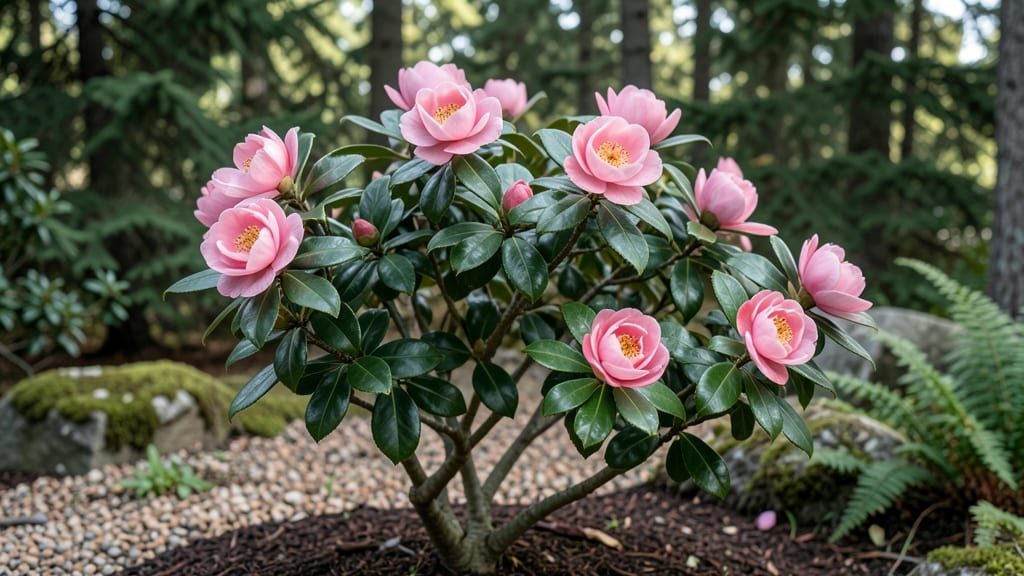
Pruning your pink camellia tree in late winter unlocks its frost-resistant blooms for the season ahead—those velvety pink flowers are worth the effort. 🌸 I learned the hard way that cutting too late or too aggressively can rob you of spring’s showiest display, but the right timing and technique make all the difference.
The key is working just before new growth starts, when the plant’s energy shifts from dormancy to renewal.
You’ll need sharp pruners, a clean cloth for wiping cuts, and a clear day to avoid stressing the tree. Focus on removing dead or crossing branches first, then thin out crowded areas to improve airflow—this prevents fungal diseases that plague camellias.
The goal isn’t to shape like a topiary but to encourage strong, healthy stems that support bigger blooms next year.
What you’ll end up with is a tree that bursts into color weeks earlier than neighbors’, with flowers that last longer and resist late frosts better. The secret? Pruning stimulates new growth while preserving last year’s flower buds, which form on old wood.
Even if you’ve struggled with camellias before, this method works—just avoid heavy cuts after early spring.
Works for both container-grown and in-ground pink camellias, though larger trees may need a ladder. For extra insurance, mulch around the base after pruning to protect roots from temperature swings. Now, let’s get those branches trimmed before the buds wake up!
📚 In This Guide
- What you need
- Instructions
- Tips and common mistakes
- Wrapping up and next steps
What you need
- ● Bypass pruners: Sharp, clean pair (for cuts up to ½ inch in diameter). Pro tip: 💡 Disinfect with rubbing alcohol between cuts to prevent disease spread!
- ● Loppers: Heavy-duty, long-handled (for thicker branches, ½–2 inches in diameter).
- ● Pruning saw: Curved blade (for branches >2 inches thick). Pro tip: 🔥 Always cut on the underside of the branch to avoid tearing bark.
- ● Garden gloves: Durable, cut-resistant (to protect hands from thorns and sap).
- ● Ladder or step stool: Sturdy and tall enough to reach the tree’s canopy safely.
- ○ Disposable pruning sealant: (Optional but helpful for sealing large cuts to prevent disease).
- ● Trash bags or bucket: For collecting pruned branches and debris.
- ● Timing: Prune in late winter (just after flowering, ideally in February–March) to avoid damaging next year’s blooms.
- ● Weather: Choose a dry, overcast day (humidity can spread fungal diseases).
- ● Safety gear: Safety glasses (to shield from falling debris) and closed-toe shoes.
- ● Tree health check: Inspect the tree for signs of disease (e.g., black spots, oozing sap) before pruning. Pro tip: ✨ If diseased, sterilize tools thoroughly between uses!
- ○ Optional: Handheld leaf blower (for clearing debris post-pruning).
- ● Pruning shears for fine-tuning smaller branches.
How to prune a pink camellia for healthy, frost-resistant blooms
Late winter is the perfect time to shape your camellia—here's how to revive growth without sacrificing next year's flowers.
🌿 Step 1: Gather Tools and Assess the Tree
Start with clean, sharp pruning shears and a small bucket for clippings. I always disinfect my tools with rubbing alcohol first—this prevents spreading disease between cuts. Grab your gloves too; camellia leaves have tiny thorns that pack a punch.
Walk around the tree to spot dead, crossing, or crowded branches. Look for branches that rub against each other—they'll create wounds where pests or infections can take hold. Also check for any branches growing straight upward; these rarely bloom well and can block light from lower branches.
✂️ Step 2: Remove Dead and Problem Branches
Cut out any dead or diseased branches first—they won't recover and can spread problems. Make clean cuts just outside the branch collar (the swollen area where the branch meets the trunk). Avoid leaving stubs; they invite rot and weaken the tree.
Next, remove crossing branches where two limbs grow toward each other. Choose the smaller of the two to cut—this opens up the canopy and improves airflow. For branches growing straight up, cut them back to a side branch that grows outward. This encourages a fuller, more flowering shape.
🌱 Step 3: Thin Out for Better Airflow and Light
Step back and look at the tree's overall shape. Aim to remove about 20-25% of the total growth—this is enough to improve airflow without shocking the plant. Focus on branches that are too dense; they create dark, damp spots where fungus can thrive.
For each branch you thin, cut back to a side branch or bud that grows in the direction you want the tree to fill. Avoid cutting back to a stub or bare wood—always leave a leaf bud or small branch. You'll see new growth emerge from these spots in spring.
☀️ Step 4: Shape for Frost Resistance and Future Blooms
Camellias bloom on old wood, so avoid heavy pruning of flowering branches. Instead, lightly trim the outer growth to encourage a bushier shape that can better withstand late frosts. For frost-prone areas, prune to create a more rounded canopy—this allows snow to slide off rather than accumulate.
Here's the thing—if you see weak or leggy branches, cut them back to a strong lateral branch. This redirects the plant's energy into sturdier growth. After pruning, water deeply to help the tree recover. You'll notice fresh new leaves appearing in 4-6 weeks as the tree responds to the fresh cuts.
Tips & tricks for perfect pink camellia pruning
Late winter pruning transforms your camellia—here's how to avoid common pitfalls and get professional results.
Tool Prep Matters: After disinfecting your pruning shears with rubbing alcohol (Step 1), I also recommend wiping them with a clean cloth between cuts. This prevents sap buildup that can dull blades and make subsequent cuts messy. Sharp tools mean cleaner cuts that heal faster—critical for preventing disease entry points.
Branch Selection Strategy: In Step 2, when choosing between crossing branches, I look for the one with fewer flowers first. Flowering branches are more valuable for next year's blooms, so preserving them ensures your tree still puts on a spectacular show. For upward-growing branches, cut back to an outward-facing bud—this creates that perfect rounded shape that sheds snow so well.
Pruning Percentage Guideline: The 20-25% thinning target in Step 3 is your safety net. If you're unsure, take photos before pruning—you can always remove more later if needed. Remember, camellias bloom on old wood, so aggressive pruning now means fewer flowers next season. Think of this as a gentle facelift rather than a dramatic makeover.
Post-Pruning Care: After finishing Step 4, I always water deeply right away—even if it's cold outside. The tree needs moisture to recover from the stress of pruning. Then I spread a 2-inch layer of mulch around the base (not touching the trunk) to protect roots from freezing temperatures. New growth should appear in 4-6 weeks, but be patient—camellias take their time recovering.
Pro Tips for Pink Camellia Tree
- Late winter pruning transforms your camellia—here's how to avoid common pitfalls and get professional results.
- Tool Prep Matters: After disinfecting your pruning shears with rubbing alcohol (Step 1), I also recommend wiping them with a clean cloth between cuts.
- Branch Selection Strategy: In Step 2, when choosing between crossing branches, I look for the one with fewer flowers first.
Frequently asked questions
Got questions about keeping your pink camellia tree healthy and blooming beautifully? Here are answers to the most common queries—from pruning tips to frost concerns!
Why do my pink camellia blooms drop after frost?
Pink camellias are frost-sensitive, and cold snaps can cause buds to abort or fall off. If frost hits before buds open, they may not bloom at all. To minimize damage, prune after blooming (late winter/early spring) and mulch the root zone to insulate roots. Avoid heavy pruning in fall—this encourages tender new growth that’s vulnerable to frost.
When is the best time to prune pink camellias for late-winter blooms?
Prune right after the tree finishes blooming (typically March–April in most climates). This ensures you don’t cut off next year’s flower buds, which form on old wood. For frost-prone areas, wait until late winter (just before buds swell) to avoid exposing new growth to cold. Never prune in fall!
Can I prune pink camellias too much? What’s the rule?
Yes! Over-pruning reduces blooms and weakens the tree. Stick to the “one-third rule”: Remove no more than 1/3 of the foliage in a single session. Focus on dead, crossing, or overcrowded branches—avoid “thinning” like you would with a hedge. Pro tip: Use sharp, clean tools to prevent disease entry!
How do I protect my pink camellia from late-winter frost?
Frost damage is common, but you can help! Mulch the base with 2–3 inches of organic mulch (like pine bark) to insulate roots. Wrap the trunk with burlap if temperatures dip below 20°F (-7°C). For container-grown camellias, move pots to a sheltered spot and cover with frost cloth. Water deeply before frost—hydrated plants handle cold better!
What can I plant near a pink camellia for year-round color?
Pair pink camellias with complementary evergreens like boxwood or dwarf holly for structure. For seasonal interest, add spring bulbs (daffodils), summer perennials (hydrangeas), or fall foliage (Japanese maples). Avoid aggressive plants that compete for water/nutrients—camellias prefer acidic, well-draining soil (pH 5.0–6.0).
My pink camellia leaves are yellowing—what’s wrong?
Yellow leaves often signal overwatering, nutrient deficiency, or root issues. Check the soil—it should be moist but not soggy. If the tree’s in a container, ensure drainage holes are clear. Iron deficiency (chlorosis) is common in alkaline soils; amend with chelated iron or peat moss. Fungal issues? Prune affected branches and treat with copper fungicide.
Wrapping up and next steps
The pink camellia tree is a stunning symbol of resilience, and with the right pruning techniques—especially in late winter—you can coax it back to vibrant life, even after frost.
Remember, patience and precision are key: focus on dead, crossing, or overcrowded branches, and always sterilize your tools to protect your plant’s health. Your efforts will reward you with lush blooms and a thriving tree that stands strong against seasonal challenges!
Ready to transform your garden? Grab your tools, follow the steps you’ve learned, and give your pink camellia the care it deserves. Start small, stay consistent, and watch your tree flourish! 🌸✂️