
Lawn
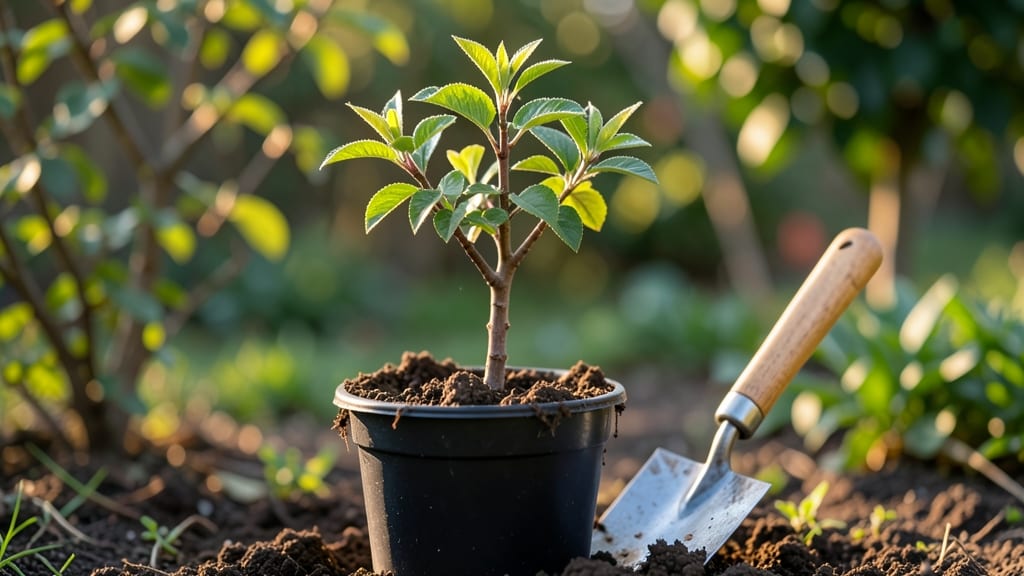
Planting peach pits from your grocery store fruit can grow frost-resistant saplings—but it takes patience and the right approach. 🌱 I’ve turned store-bought pits into thriving trees, though they’ll need 5-7 years before bearing fruit. The secret lies in proper stratification and soil prep, not just tossing seeds into dirt.
Start with fresh pits (no dried-out store leftovers) and stratify them for 8-12 weeks in a damp paper towel in the fridge. Meanwhile, mix well-draining soil with compost—peach roots hate soggy feet.
Plant pits 2 inches deep in pots or directly in the ground after last frost, spacing them 10 feet apart for future trees.
Germination can take 3-6 months, so don’t give up if nothing sprouts by winter. Once shoots appear, protect them from late frosts with row covers. These saplings will grow taller than you think in their first year—prune to encourage strong branches early.
Here’s the kicker: seed-grown peaches may not match grocery store varieties, but they’ll thrive in your climate. Expect smaller fruit at first, but the reward is trees that outlast nursery plants. Ready to start your orchard? Let’s dig in.
📚 In This Guide
- What you need
- Instructions
- Tips and common mistakes
- Wrapping up and next steps
What you need
- ● Peach pits (seeds): 3–5 fresh, plump pits from ripe peaches (avoid hybrid varieties—stick to Prunus persica for best results).
- ● Well-draining potting mix: 2–3 gallons of a high-quality seed-starting mix (look for perlite or vermiculite for aeration).
- ● Small pots or seed trays: 4–6 individual pots (3–4 inches deep) or a seed tray with cell inserts.
- ● Plastic wrap or humidity dome: To retain moisture during germination.
- ● Spray bottle: For gentle watering (avoid over-saturating the soil).
- ● Grow lights or sunny windowsill: A south-facing window or LED grow light (12–16 hours of light daily).
- ○ Fertilizer (optional but helpful): A balanced, water-soluble fertilizer (5-10-5 ratio) for young seedlings.
- ● Warmth: Consistent temperatures between 70–80°F (21–27°C) for germination (use a heat mat if needed).
- ● Patience: Germination can take 2–4 weeks—stay consistent!
- ● Outdoor space (later stage): A sheltered, sunny spot with well-draining soil (pH 6.0–7.0) for transplanting.
- ● Seed stratification setup (if cold-stratifying pits—see Step 1 for details).
- ● Epsom salt (for magnesium boost during early growth).
- ● Mulch (straw or wood chips) to protect young trees from frost.
- ● Pruning shears (for shaping saplings later).
How to grow frost-resistant peach trees from seed
Here's my battle-tested method for coaxing hardy peach saplings from seed—no nursery shortcuts needed.
🌱 Step 1: Harvest and Stratify the Seeds
Peach pits need a cold period to break dormancy. After eating ripe peaches, clean the pits thoroughly and let them dry for 3-5 days at room temperature. Place them in a paper towel-lined container, dampen lightly, and refrigerate for 90-120 days. Check weekly—if mold appears, discard the seeds immediately. This cold treatment mimics winter conditions and triggers germination.
I always test one pit first by cutting it open. If the seed inside is firm and white, it's viable. Soft, brown seeds won't sprout. After stratification, you'll see tiny cracks forming in the seed coat—this is your signal to move to planting. Real talk: Patience here pays off. Skipping stratification means seeds may never germinate, and you'll waste months waiting.
💧 Step 2: Prepare Containers and Planting Medium
Use 4-inch deep pots with drainage holes—peach seedlings hate soggy roots. Fill each with a mix of 50% potting soil and 50% coarse sand (or perlite) to prevent compaction. Moisten the mix until it feels like a damp sponge, not dripping wet. I like to use biodegradable peat pots because they eliminate transplant shock later.
Plant one seed per pot, placing it 1 inch deep with the flat side down. Cover lightly with additional mix and firm gently. Label each pot with the date and variety if tracking multiple seeds. The goal is to create a stable environment where roots can establish without competition. Overcrowding now leads to weak stems that snap later under frost.
☀️ Step 3: Provide Warmth and Gentle Moisture
Peach seeds germinate best at 70-75°F. Place pots in a seedling heat mat or on top of your refrigerator (the coils provide consistent warmth). Keep the soil evenly moist—not soggy, not dry. Water from the bottom by placing pots in ½ inch of water for 10 minutes daily. This prevents fungal diseases that thrive in damp surface soil.
Germination takes 30-60 days. You'll see the first true leaves emerge as small, rounded cotyledons. Here's the thing—don't rush to move them. Once seedlings reach 3 inches tall, they're ready for their first light upgrade. At this stage, they need 12-14 hours of bright, indirect light daily. A south-facing window works, but supplement with a grow light if natural light is weak.
⏰ Step 4: Harden Off and Transplant Outdoors
When seedlings have 4-6 true leaves (not counting the first cotyledons), begin hardening off. Move pots outside for 1 hour daily in a sheltered spot, gradually increasing time over 2 weeks. Watch for leaf curling or wilting—this means they're not ready yet. Frost resistance builds slowly, so don't rush this step.
Transplant after the last frost date when soil reaches 60°F. Dig a hole twice as wide as the root ball but no deeper. Mix 2 cups compost into the bottom of the hole to encourage root growth. Water deeply after planting to settle the soil. Here's where it gets fun—watch the new leaves emerge within a week. That's your signal everything is working.
🌿 Step 5: Protect Young Trees From Frost
Frost-resistant doesn't mean frost-proof. Young peach trees need winter protection for their first 2-3 years. After the first hard frost, wrap the trunk with tree wrap and mound 6 inches of mulch around the base (but not touching the trunk). This insulates roots and prevents heaving during freeze-thaw cycles.
In early spring, prune any dead branches but leave 3-4 strong stems to encourage a sturdy framework. Thin fruit in the second year—peach trees produce more with fewer fruits. You'll see your first harvest in 4-5 years, but the real reward is watching those hardy saplings thrive where nursery trees would fail.
Tips & tricks for perfect peach tree seed planting
Here's what nobody tells you about growing hardy peach saplings from seed—these tricks make all the difference.
Stratification Success: The 90-120 day cold treatment is non-negotiable for breaking dormancy, but here's the secret: Use a plastic bag with small holes to contain the damp paper towels. This creates a mini greenhouse effect that maintains consistent moisture without risking mold. I also mark the start date on the bag so I don't forget when to check for cracks—trust me, you'll want to know exactly when to plant.
Container Intelligence: While 4-inch pots work perfectly, I've found that using slightly larger 5-inch pots gives roots more room to establish before transplanting. The extra space prevents root binding, which makes seedlings more resilient when you eventually move them outdoors. And if you're using biodegradable pots, choose ones with 2-3 drainage holes—they prevent waterlogging better than single-hole designs.
Lighting Strategy: That 12-14 hours of light requirement can be tricky with seasonal changes. I recommend using a simple timer for your grow light to automate this. For natural light, position pots within 12 inches of a south-facing window—any farther and seedlings will stretch leggy. Watch for leaves that look pale or elongated; this is your signal to increase light exposure immediately.
Transplant Timing: The soil temperature of 60°F is crucial, but don't rely solely on your thermometer. Stick your finger about 2 inches into the soil—if it feels warm to your touch (like room temperature), it's ready. I've transplanted too early when the soil was still cool, and the shock set back my seedlings by weeks. The best time is usually 2-3 weeks after your last frost date, but always verify with your local extension service.
Pro Tips for Peach Tree Seed Planting
- Here's what nobody tells you about growing hardy peach saplings from seed—these tricks make all the difference.
- Stratification Success: The 90-120 day cold treatment is non-negotiable for breaking dormancy, but here's the secret: Use a plastic bag with small holes to contain the damp paper towels.
- Container Intelligence: While 4-inch pots work perfectly, I've found that using slightly larger 5-inch pots gives roots more room to establish before transplanting.
Frequently asked questions
Got questions about growing peach trees from seed? You’re not alone—this method takes patience and know-how! Here are answers to the most common queries to help you avoid pitfalls and boost your success.
How long does it take for a peach tree grown from seed to bear fruit?
A peach tree from seed can take 5–7 years (or longer!) to produce fruit, compared to just 2–3 years for grafted trees. Patience is key—seedlings may also yield smaller, less predictable fruit. If you want faster results, consider grafting onto a rootstock or buying a young sapling.
Can I plant peach seeds straight from a store-bought peach?
Yes, but with a catch! Store-bought peaches are often hybrid varieties bred for taste, not cold hardiness. Seeds may not grow true-to-type fruit, and the resulting tree might be less frost-resistant. For better success, source seeds from local, heirloom peaches or cold-hardy varieties like ‘Reliance’ or ‘Contender.’
What’s the best time of year to plant peach tree seeds?
The ideal window is late winter or early spring (after the last frost) for direct sowing, or 6–8 weeks before your first frost for indoor starts. Peach seeds need stratification (cold treatment) to germinate—plant them outdoors in fall or refrigerate them for 3–4 months before sowing. Avoid planting in hot summers; seedlings struggle with heat stress.
Why aren’t my peach seeds sprouting? Troubleshooting tips.
Common issues and fixes:
- No germination: Seeds may need stratification. Soak them in water for 24 hours, then refrigerate in a damp paper towel for 3–4 months before planting.
- Mold or rot: Overwatering or poor drainage is the culprit. Use a well-draining mix (like 50% sand) and keep soil lightly moist.
- Slow growth: Peach seedlings are sensitive to heat. Start them indoors under grow lights until they’re 2–3 inches tall before transplanting.
If all else fails, test viability by cutting a seed open—look for a green embryo. If it’s brown, the seed’s likely dead.
Can I grow a peach tree from seed in a pot? What’s the process?
Use a 5-gallon container with drainage holes and a mix of potting soil and perlite. Plant seeds 1 inch deep, keep them in a sunny window or under grow lights, and water when the top inch of soil dries. Move pots outdoors after the last frost, but avoid keeping them in containers long-term—peach trees need deep roots and may become root-bound. Transplant to the ground after 1–2 years.
Will my homegrown peach tree survive winter?
Peach trees are not inherently frost-resistant, but seedlings from cold-hardy varieties (like ‘Loring’ or ‘Redhaven’) can tolerate USDA Zones 5–8 with proper care. To protect young trees:
- Mulch the base with straw or wood chips (3–4 inches deep).
- Wrap the trunk with burlap or tree guard in late fall.
- Avoid pruning in late winter—wait until early spring to reduce stress.
In extreme cold (<10°F), cover the tree with a frost blanket for the first few winters.
Wrapping up and next steps
Growing a peach tree from seed is a rewarding journey that connects you to nature while yielding delicious, frost-resistant fruit in the long run. With the right preparation, patience, and care, you’ll soon enjoy the sweet taste of homegrown peaches—plus the satisfaction of nurturing a tree from scratch! 🌱✨
Now that you’re equipped with the how-to, take the next step: plant your seeds this season and watch your garden transform. Share your progress with fellow gardeners or tag us—we’d love to see your peach tree grow!