Pruning
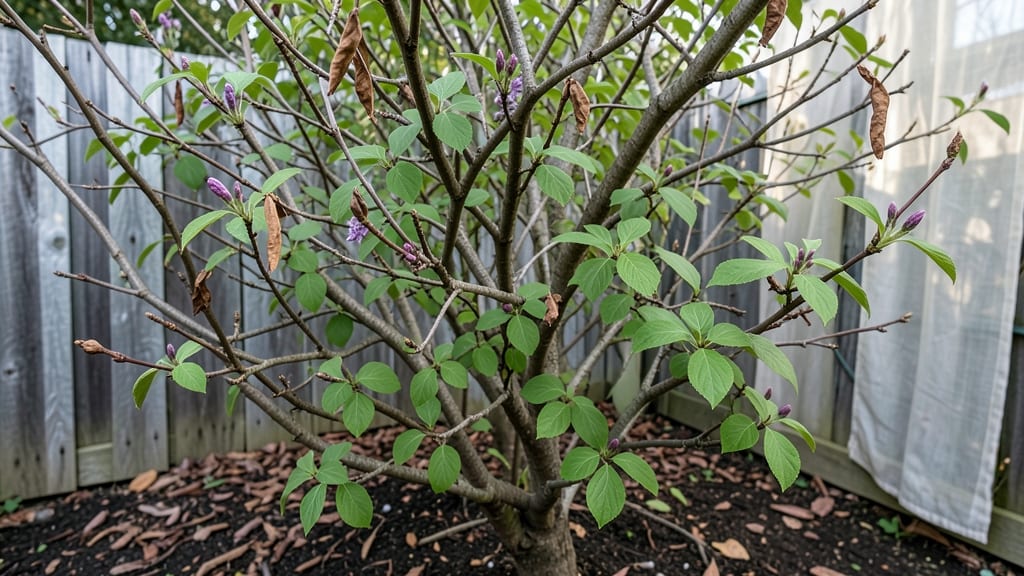
Your overgrown lilac tree isn't a lost cause—it's just waiting for the right cuts to bring back those fragrant purple clouds. 🌿 I've nursed back more than my share of woody, tangled lilacs, and the secret lies in strategic pruning that doesn't just hack away but actually encourages healthier growth.
The key is timing: late winter or early spring, before new buds swell but while the tree's still dormant. This isn't about shrinking your plant—it's about giving it new life.
You'll need just three tools: sharp bypass pruners for clean cuts, loppers for thicker branches, and a sturdy ladder if your lilac has reached the second story.
The process takes about 1-2 hours depending on size, and you'll walk away with a plant that blooms earlier, more abundantly, and stays manageable. I've seen lilacs go from sad, leggy shadows to vibrant, fragrant focal points in just one season with this method—it's that transformative.
What you're really after is that vibrant green foliage and dense clusters of blooms you remember from years ago. By removing old wood and opening up the center, you're not just cutting back—you're creating space for sunlight to reach inner branches, which means more buds next spring.
The first flush of blooms might be smaller, but by year two, you'll have a bush that puts on a show you can't believe you almost gave up on.
This works for both old lilacs that have gotten out of control and younger ones that need shaping. The same principles apply whether your tree is in full sun or partial shade, though sun-loving varieties will reward you with even more dramatic blooms.
Let's get those pruners ready—your lilac's comeback starts now.
📚 In This Guide
- What you need
- Instructions
- Tips and common mistakes
- Wrapping up and next steps
What you need
- ● Pruning shears – Sharp, bypass-style shears (for branches ½-inch thick). Quantity: 1 pair.
- ● Loppers – For thicker branches (½-inch to 2-inch diameter). Quantity: 1 pair.
- ● Pruning saw – For stubborn, larger branches (2+ inches thick). Quantity: 1.
- ● Ladder – Sturdy, extendable ladder (if tree is 6+ feet tall). Quantity: 1.
- ● Gloves – Heavy-duty, cut-resistant gloves (to protect from thorns and sap). Quantity: 1 pair.
- ● Disinfectant – 70% isopropyl alcohol or bleach solution (to sterilize tools between cuts). Quantity: Small bottle.
- ● Heavy-duty trash bags – For collecting pruned branches. Quantity: 2-3.
- ○ Marking twine or flags – To tag branches for removal (optional but helpful). Quantity: Small roll.
- ● Pole saw – For high branches without a ladder.
- ● Safety glasses – To shield eyes from debris.
- ● Work boots – For stability on uneven ground.
- ● Hand sanitizer – Lilac sap can be irritating!
Step-by-Step guide to pruning an overgrown lilac tree
Here's how to transform a wild, tangled lilac back into a blooming beauty—without killing it.
✂️ Step 1: Gather Tools and Assess the Tree
Start with clean, sharp tools—your bypass pruners for small branches and a pruning saw for thicker stems. I always disinfect blades with rubbing alcohol first to prevent spreading disease between cuts. Grab your gloves, too; lilac thorns are no joke.
Step back and study the tree's shape. Look for dead wood (gray, brittle branches) and crossing branches (where two stems rub together). These are your first targets. You'll also spot the old wood—lilacs bloom on last year's growth, so we'll focus on rejuvenating the structure while preserving next year's flowers.
🌿 Step 2: Remove Dead and Crossing Branches First
Cut out dead wood at the base of the tree—this clears out weak growth that drains energy. Make clean cuts at a 45-degree angle, about ¼ inch above a healthy bud pointing outward. This encourages new growth to fill the space properly.
Next, tackle crossing branches. Where two stems intersect, one will always grow faster and choke out the other. Remove the weaker branch entirely—don't leave stubs. You'll see new shoots emerge from the remaining structure within weeks, filling in gaps naturally.
✂️ Step 3: Thin the Canopy for Better Airflow
Lilacs hate crowded branches. Step into the center and look upward—you're aiming for an open vase shape with sunlight reaching all the way to the ground. Remove one-third of the oldest stems at the base, cutting them back to 6-12 inches from the ground. These are the thickest, gnarliest branches that rob energy from flowering.
For the remaining branches, thin out every other stem to improve airflow. You'll notice leaves turning a brighter green almost immediately—they're no longer competing for sunlight. This step prevents fungal diseases like powdery mildew, which love damp, shaded lilac foliage.
☀️ Step 4: Shape the Tree for Future Blooms
Now focus on the younger branches—these will produce next year's flowers. Cut back overly long stems by one-third to encourage bushier growth. Always cut just above a bud facing outward so new growth fills the space attractively.
Step back frequently to check your shape. The goal is a rounded, tiered silhouette with no branches growing straight up. Lilacs naturally grow in layers, so mimic that organic shape. Avoid cutting into the main trunk—this creates wounds that never heal properly.
🌱 Step 5: Clean Up and Monitor Recovery
Rake up all pruned branches and dispose of them in the trash—never compost diseased wood. Sweep up fallen leaves and debris around the base. This prevents pests from hiding in the prunings over winter.
Water the tree deeply after pruning to help it recover. You'll see new shoots emerging from the cut stems within 4-6 weeks. These are your signal that the tree is healing. Fertilize lightly in early spring with balanced 10-10-10 to support new growth.
Tips & tricks for reviving an overgrown lilac tree
Here's what nobody tells you about pruning—these tricks will save your lilac from becoming a tangled mess again.
Tool Prep is Non-Negotiable: Before you make a single cut, clean your bypass pruners and pruning saw with rubbing alcohol. I learned this the hard way after pruning one lilac and accidentally spreading powdery mildew to another. Sharp, sanitized tools make all the difference in preventing disease spread between cuts. Don't skip this step—it's your first line of defense against fungal infections.
Visualize the "Vase" Shape: In Step 3, when you're thinning the canopy, imagine an open vase with sunlight streaming through the center. The goal is to create an open vase shape where sunlight reaches the ground. If you're struggling to visualize, snap a photo of your tree from all sides before you start. This reference will help you maintain symmetry and balance as you work.
Bud Direction Matters: Always cut just above a bud that's facing outward. This simple technique ensures new growth will fill the space attractively rather than growing inward and creating a dense, tangled mess. In Step 2 and Step 4, take an extra second to identify these buds—it's worth the effort for a more beautiful tree next season.
Cleanup Prevents Pests: After you've finished pruning, don't just leave the branches on the ground. Rake up all pruned branches and dispose of them in the trash—never compost diseased wood. This might seem like overkill, but it's crucial for preventing pests from overwintering in your prunings. I've seen lilacs completely defoliated by pests that hid in leftover branches from previous years.
Pro Tips for Overgrown Lilac Tree
- Here's what nobody tells you about pruning—these tricks will save your lilac from becoming a tangled mess again.
- Tool Prep is Non-Negotiable: Before you make a single cut, clean your bypass pruners and pruning saw with rubbing alcohol.
- Visualize the "Vase" Shape: In Step 3, when you're thinning the canopy, imagine an open vase with sunlight streaming through the center.
Frequently asked questions
Got questions about tackling that overgrown lilac tree? You’re not alone—pruning these beauties can feel tricky! Here are answers to the most common concerns to help you prune like a pro.
When is the best time to prune an overgrown lilac tree?
The ideal window is right after flowering (late spring to early summer). This timing ensures you don’t cut off next year’s blooms while still controlling the shape. Avoid pruning in fall or winter, as lilacs are dormant and vulnerable to disease. Pro tip: If you missed the spring window, prune lightly in early summer—just focus on shaping rather than heavy cuts.
How much can I trim back an overgrown lilac tree?
Lilacs are tough! You can safely remove up to one-third of the total growth in a single pruning session. For severely overgrown trees, break it into two years—trim back about 25% this year, then the rest next spring. Avoid cutting into old wood (wood older than 3 years), as lilacs bloom on new growth from previous year’s stems.
Can I prune lilacs too much? What are the signs?
Yes! Over-pruning can stress the tree, leading to fewer blooms or bare branches. Signs include no flowers for 2+ years or leggy, sparse growth. If this happens, stop heavy pruning and focus on light shaping in future sessions. Lilacs are resilient, but they need balance—think of it like a haircut: too short, and regrowth gets wild!
What if my lilac tree isn’t blooming after pruning?
Lilacs need sunlight and proper pruning to flower. If blooms are missing:
- Check the location: Ensure it gets 6+ hours of sun daily—shady spots reduce flowering.
- Review your cuts: Did you prune too late (after mid-summer) or into old wood? Bloom buds form on stems from the previous year.
- Fertilize lightly: A balanced 10-10-10 fertilizer in early spring can encourage growth (but avoid overdoing it!).
If the issue persists, the tree might be too young (lilacs often take 3–5 years to mature) or stressed by pests/disease.
Are there alternatives to pruning if my lilac is too big?
If pruning feels overwhelming, consider these low-maintenance options:
- Gradual shaping: Trim just the outer branches to open up the center for airflow and sunlight.
- Renewal pruning: Cut back 1/3 of the oldest stems to the ground every few years to rejuvenate growth.
- Transplant or divide: If the tree is too large for its space, consider relocating a section (best done in early spring) or dividing it into smaller plants.
- Let it go “wild” (temporarily): Lilacs can live for decades with minimal pruning—focus on removing dead wood and controlling height if it’s near structures.
Warning: Avoid drastic cuts—lilacs hate being “topped” like hedge plants!
Wrapping up and next steps
An overgrown lilac tree doesn’t have to be a lost cause—with the right pruning techniques, you can restore its health, shape, and vibrant blooms while keeping it manageable. Remember, timing, sharp tools, and patience are your best allies!
Whether you’re trimming for aesthetics or revitalizing a neglected shrub, every cut is a step toward a lusher, happier lilac.
Ready to transform your lilac? Mark your calendar for late spring or early summer—your next pruning session awaits! 🌿✂️