
Pruning
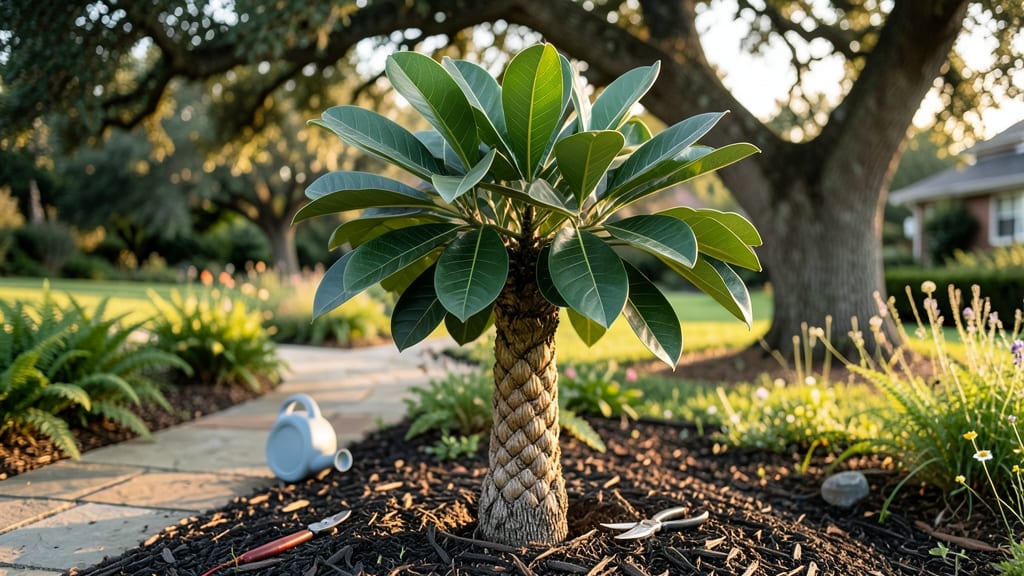
Caring for a money tree outdoors transforms it from a delicate houseplant into a bold, frost-resistant statement piece—and I’ve learned the hard way which tricks actually work. 🌿 The key isn’t just moving it outside; it’s preparing for temperature swings, soil drainage, and the shock of full sun after indoor life.
My first attempt ended with crispy leaves by October, but now my tree thrives through three seasons with just a few adjustments.
You’ll need a large container (at least 15 gallons) with drainage holes, a well-draining potting mix, and a spot that gets morning sun and afternoon shade—critical for avoiding leaf scorch.
Money trees hate soggy roots, so raised beds or containers with saucers work best, and mulching in winter keeps roots from freezing. Prune back leggy growth in spring to encourage bushier foliage, and always use clean, sharp shears to prevent disease.
By summer, your money tree will reward you with glossy, dark green leaves and even occasional star-shaped blooms if conditions are right. The real magic happens in fall: with proper frost protection (like wrapping the pot or moving it under an eave), it’ll bounce back stronger than ever.
You’ll notice new growth by May, proving outdoor care isn’t just possible—it’s easier than indoor growing once you know the secrets.
This works for USDA zones 9-11, but even cooler climates can try it with seasonal adjustments—just bring the pot indoors before temps drop below 40°F. The payoff?
A tree that grows 3-5 feet tall in a single season, stays lush through heatwaves, and becomes the centerpiece of your patio or garden. Let’s get yours thriving outdoors!
📚 In This Guide
- What you need
- Instructions
- Tips and common mistakes
- Wrapping up and next steps
What you need
- ● Frost-resistant money tree (ensure it’s labeled as cold-hardy or variegated varieties like 'Money Tree Variegata')
- ● Large, well-draining container (12–18 inches in diameter with drainage holes)
- ● High-quality potting mix (50% cactus/succulent mix + 50% perlite or orchid bark for aeration)
- ● Slow-release fertilizer (balanced 10-10-10 or organic options like fish emulsion)
- ● Pruning shears (sterilized, sharp, and clean—think bypass pruners for precision)
- ● Gloves (gardening gloves to protect your hands from sap and thorns)
- ● Mulch or bark chips (2–3 inches to insulate roots in cooler months)
- ● Watering can with a rose attachment (for gentle, deep hydration)
- ● Thermometer or frost alert app (to track temperatures below 50°F)
- ● Frost cloth or burlap wrap (for light frosts—cut to size and secure with twine)
- ● Heat mat or self-watering planter (if your zone drops below 40°F)
- ● Epsom salt (1 tsp/month in water for magnesium boosts)
- ● Decorative stones or pebbles (for aesthetics + moisture retention)
- ● Plant support stake (if your tree grows tall and leggy outdoors)
Step-by-Step instructions for growing a money tree outdoors
Here’s how to keep your money tree lush and resilient through every season.
🪴 Step 1: Choose the Right Location and Container
Money trees thrive in partial shade—think dappled sunlight or morning sun with afternoon shade. A spot under a tree or on an east-facing porch works perfectly. If you’re using a container, pick one with drainage holes and at least 12 inches in diameter for each plant. I like terracotta because it breathes and helps prevent root rot.
Fill the pot with well-draining potting mix (avoid garden soil—it compacts and holds too much moisture). Money trees hate soggy roots, so mix in 20% perlite or orchid bark to improve airflow. Tap the pot gently after filling to settle the soil without packing it down.
☀️ Step 2: Acclimate Gradually to Outdoor Conditions
If your money tree has spent time indoors, don’t rush it outside. Start by placing it in a shaded, sheltered spot for 2-3 hours the first day. Watch for yellowing leaves—this means it’s getting too much sun too fast. Over the next 5-7 days, slowly increase exposure by 1-2 hours daily until it’s fully outdoors.
Real talk: Money trees are tropical and sensitive to sudden temperature swings. Wait until nighttime temperatures stay above 50°F before moving it permanently outside. If frost threatens, bring it indoors immediately—even a light freeze can damage the leaves.
💧 Step 3: Water and Fertilize for Year-Round Health
Water your money tree when the top 1-2 inches of soil feel dry. Stick your finger in the soil—if it’s damp past your first knuckle, wait another day. Overwatering is the #1 killer of money trees, so always check before adding more moisture. In containers, watering deeply once a week is usually enough, but adjust for heatwaves.
Feed your tree with a balanced liquid fertilizer (like 10-10-10) every 4-6 weeks during spring and summer. Cut back to once every 8-10 weeks in fall and winter. I dilute the fertilizer to half-strength to avoid burning the roots—money trees are sensitive to salts and chemicals.
✂️ Step 4: Prune and Protect Through Seasons
Prune your money tree in early spring to encourage bushier growth. Cut back leggy stems by ⅓ just above a leaf node. Use clean, sharp pruners to avoid tearing the bark. You’ll see new growth within 2-3 weeks—that’s your signal it’s thriving. Avoid heavy pruning in fall or winter, as the plant needs energy to recover.
For frost protection, move potted money trees indoors before temperatures drop below 45°F at night. If you’re growing in the ground, mulch the base with 2-3 inches of organic mulch to insulate roots. Wrap the trunk with burlap or frost cloth if a hard freeze is forecasted—this prevents cracking and damage.
🌿 Step 5: Monitor for Pests and Adjust Care
Check leaves weekly for spider mites, mealybugs, or scale. Wipe them off with a damp cloth or spray with neem oil (diluted per instructions). Money trees are resilient, but pests thrive in dry conditions, so keep humidity up with a pebble tray under the pot if your air is dry.
Adjust care based on leaf color: Yellow leaves mean overwatering or poor drainage. Brown tips signal underwatering or low humidity. Dropping leaves usually means a sudden temperature change or draft. Don’t panic—money trees bounce back if you address the issue quickly.
Tips & tricks for perfect money tree care outdoors
Here’s what nobody tells you about keeping your money tree thriving through every season without losing it to frost or neglect.
Location and Container Secrets: In Step 1, position your money tree where it gets morning sun but afternoon shade—this mimics its tropical habitat. I’ve found that east-facing windowsills or under deciduous trees work best. For containers, avoid plastic—terracotta’s porous nature actually helps regulate moisture better than you’d think. If you’re planting in the ground, dig a hole twice as wide as the root ball to prevent root binding.
Acclimation Timing: The gradual 5-7 day transition in Step 2 is non-negotiable. I learned this the hard way after moving a money tree directly into full sun and watching it crisp up in hours. Start with those 2-3 hours in shade, then increase by just 1-2 hours each day. Watch for leaf color changes—yellowing means it’s getting too much sun, while crispy edges mean it’s drying out too fast.
Frost Protection Hacks: When nighttime temps approach 45°F in Step 4, move your potted money tree indoors immediately. For ground-planted trees, wrap the trunk with burlap and cover with frost cloth—this creates a microclimate that can protect against light frosts. I’ve kept mine safe through 30°F nights using this method, though heavy freezes will still damage leaves. The key is acting before the temperature drops below 45°F at night.
Pest Prevention: In Step 5, that weekly leaf check is your best defense against spider mites and mealybugs. I’ve found that a simple cotton swab dipped in rubbing alcohol works just as well as neem oil for isolated pests. For humidity control, place your pebble tray on a saucer of water—this creates a self-sustaining moisture system that evaporates slowly, keeping the air around your plant consistently humid without overwatering.
Pro Tips for Money Tree Care Outdoors
- Here’s what nobody tells you about keeping your money tree thriving through every season without losing it to frost or neglect.
- Location and Container Secrets: In Step 1, position your money tree where it gets morning sun but afternoon shade—this mimics its tropical habitat.
- Acclimation Timing: The gradual 5-7 day transition in Step 2 is non-negotiable.
Frequently asked questions
Got questions about keeping your money tree happy outdoors? You’re not alone!
Here are some of the most common concerns—plus straightforward answers to help you avoid stress and keep those lush, lucky leaves growing.
Can a money tree survive winter outdoors?
A money tree (Pachira aquatica) is tropical by nature, so it can’t handle frost or freezing temps. If you live in USDA zones 10-11, it may survive mild winters outdoors with protection (like a frost cloth). For colder climates, bring it indoors before temperatures drop below 50°F (10°C). A sunny windowsill or grow light works great!
How often should I water my outdoor money tree?
Water when the top 1-2 inches of soil feel dry—usually every 7-10 days, depending on heat and humidity. Overwatering is the #1 killer! Ensure pots have drainage holes, and avoid soggy soil. In summer, check daily; in cooler months, reduce frequency. Pro tip: Stick your finger in the soil—if it’s damp, wait!
Why are my money tree leaves turning yellow?
Yellow leaves often signal overwatering, but they can also mean underwatering, nutrient deficiency, or too much direct sun. Check the soil moisture first. If the roots smell rotten, repot in fresh, well-draining mix. For sunburn, move your tree to partial shade (morning sun is ideal). Yellow edges? Boost humidity with a pebble tray!
What’s the best way to protect my money tree from frost?
If you must leave it outdoors in chilly weather, wrap the pot in bubble wrap or move it to a sheltered spot (like near a south-facing wall). Cover the plant with frost cloth or a blanket secured with clips. For extreme cold (<32°F/0°C), bring it inside immediately. Remember: Sudden temperature swings stress plants—acclimate gradually!
Can I grow a money tree in a container outdoors year-round?
Yes, but only in frost-free zones (10-11). In colder areas, treat it as a seasonal outdoor plant: Enjoy it on patios/balconies in spring/summer, then move it indoors for winter. Use a large pot (at least 12 inches wide) for stability, and fertilize monthly during growing season. Bonus: Rotate the pot occasionally for even growth!
What if my money tree doesn’t bloom outdoors?
Money trees rarely bloom indoors or outdoors—they’re grown for their striking foliage! Blooms need very specific conditions (high humidity, indirect light, and mature plants). Focus on leaf health instead. If you spot bud-like structures, it’s likely a new leaf, not a flower. Fun fact: Some varieties produce tiny, insignificant flowers—don’t stress!
Wrapping up and next steps
Growing a thriving money tree outdoors is totally doable—even in cooler climates! 🌿 With the right frost-resistant tricks, proper pruning, and a dash of TLC, your plant will reward you with lush, lucky foliage year-round.
Remember: patience and consistency are key, whether you’re protecting it from winter chills or shaping it for that perfect bonsai look.
Ready to watch your money tree flourish? Take the next step: Grab your pruning shears, pick a sunny spot, and start implementing these tips today. Your green thumb—and your wallet’s good fortune—will thank you! 🌱✨