
Pruning
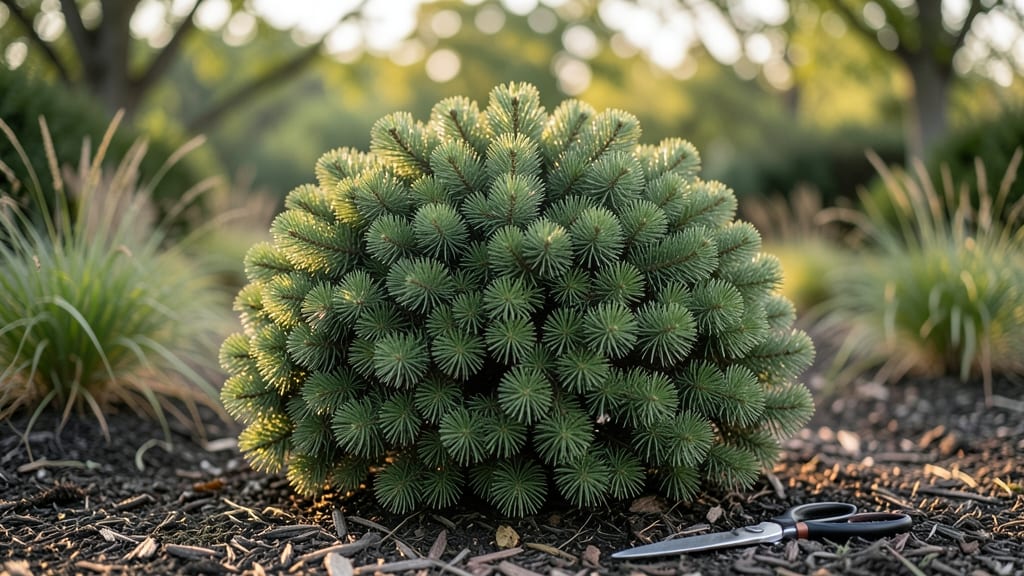
Growing a mini pine tree like Pinus mugo or Pinus sylvestris 'Mops' is like bringing a tiny forest into your yard—frost-resistant, evergreen, and packed with personality. I’ve watched my own mop-top pines survive winters that turn neighbor’s plants into icicles, their needles staying vibrant year-round.
The secret lies in their hardy nature and how they adapt to small spaces, whether in pots or tight garden corners.
You’ll need well-draining soil (think gritty, not clay-heavy), at least 6 hours of sunlight daily, and a spot where they can spread naturally—these aren’t fussy plants, but they do hate soggy roots.
Pruning is where the magic happens: shape them like a topiary, let them grow wild as a hedge, or trim them into a bonsai-style masterpiece. The key is working with their natural growth rhythm, not against it.
By summer’s end, you’ll have a dense, fragrant canopy that smells like a Christmas morning and looks like a living sculpture. Birds will nest in them, pollinators will visit, and your neighbors will ask how you did it.
The best part? They thrive in containers too, so even balconies get a taste of that piney freshness.
Whether you’re using them as a privacy screen in a courtyard or a statement piece in a rock garden, these pines deliver year after year with almost no fuss. Ready to turn your small space into a pine-filled retreat? Let’s get started.
📚 In This Guide
- What you need
- Instructions
- Tips and common mistakes
- Wrapping up and next steps
What you need
- ● Mini pine tree sapling: Choose a dwarf pine variety (e.g., Pinus mugo, Pinus sylvestris, or Pinus thunbergii) from a nursery. Size: 1–3 feet tall, depending on your vision.
- ○ Growing container: A 5–10 gallon pot with drainage holes (terracotta or plastic). Optional: Add a cache pot for winter protection.
- ● Well-draining potting mix: 3 parts: peat moss, perlite, and coarse sand or 50% potting soil + 50% bark chips for acidity.
- ● Slow-release fertilizer: 10–10–10 NPK ratio (apply at planting and again in early spring).
- ● Pruning tools: Bypass pruners (for clean cuts on branches <¼ inch thick).
- ● Hand pruners (for smaller trimming tasks).
- ○ Loppers (optional, for thicker branches if shaping a mature mini tree).
- ● Mulch: Pine bark or wood chips to retain moisture and regulate soil temp.
- ● Spray bottle (for misting in dry climates).
- ● Garden gloves (to protect hands from sap and rough bark).
- ● Stakes or trellis (if training your mini pine into a specific shape).
- ● Frost cloth or burlap wrap (for winter protection in colder zones).
Step-by-Step guide to cultivating miniature pine trees
Here's how to nurture hardy, frost-tolerant mini pines that thrive in tight spaces.
Select the Right Species and Nursery Stock
Choose dwarf cultivars like 'Mops' mugo pine (Pinus mugo) or 'Blue Rug' juniper (Juniperus horizontalis)—both stay under 3 feet tall while developing natural frost resistance. I always buy 1-2 gallon container-grown specimens from reputable nurseries to avoid transplant shock. Look for plants with dense, symmetrical foliage and no brown needles, which signal drought stress or poor care.
These varieties handle USDA Zones 3-8 and tolerate full sun to partial shade, making them ideal for patios, rock gardens, or container culture. Avoid overwatered stock—roots should be white, not mushy, and the soil lightly moist but not soggy. If you're planting multiple trees, space them 3-5 feet apart to allow for gradual spread.
Prepare the Planting Site or Container
For in-ground planting, amend the native soil with 2-3 inches of organic matter—I mix in 1 part peat moss and 1 part perlite to improve drainage. Mini pines hate soggy roots, so raise beds 4-6 inches if your area has heavy clay. Dig a hole twice as wide as the root ball but only as deep—planting too deep suffocates the trunk and invites disease.
If using containers, select unglazed terra cotta or fabric pots (minimum 12-inch diameter) to prevent root circling. Fill with a well-draining cactus/succulent mix—I blend 60% potting soil, 30% perlite, and 10% coarse sand. Add a 2-inch drainage layer of gravel or broken pottery at the bottom. Water the mix thoroughly before planting to eliminate air pockets.
Plant and Establish for Frost Hardiness
Remove the plant from its container and loosen any circling roots with your fingers—this encourages outward growth. Position the tree so the top of the root ball sits level with the soil line (never buried). Backfill with native soil (or container mix) and firm gently around the base. Water deeply until moisture runs out the drainage holes, then let it dry slightly before watering again—never keep the soil constantly wet.
Mulch with 2-3 inches of pine straw (not wood chips, which can compact) to regulate soil temperature and retain moisture. Space mulch 2 inches away from the trunk to prevent rot. In the first year, avoid pruning—let the tree establish its natural shape. If you notice yellowing needles, it’s usually overwatering; brown tips signal dry air, so mist occasionally in winter.
Maintain Year-Round for Long-Term Health
Water once every 7-10 days in the first growing season, then taper to monthly once established—mini pines are drought-tolerant but need consistent moisture during their first year. In winter, reduce watering to every 3-4 weeks unless temperatures drop below 20°F, when you should water lightly to prevent desiccation. Apply a 2-inch layer of mulch annually in early spring to protect roots from freeze-thaw cycles.
Fertilize once in early spring with a slow-release, low-nitrogen formula (10-10-10 diluted to half strength). I skip fall feeding—new growth before winter weakens frost resistance. Prune only to remove dead branches in late winter; never "shear" for shape, as pines grow best with their natural form. Watch for spider mites (tiny webs on needles) or bagworms (sack-like coverings)—treat with neem oil if spotted early.
Tips & tricks for perfect mini pine tree cultivation
Creating a thriving miniature pine tree requires attention to detail—here's how to avoid common pitfalls and maximize success.
Species Selection Matters: When choosing between 'Mops' mugo pine and 'Blue Rug' juniper, consider your climate zone. Mugo pines handle colder winters better (USDA Zones 3-7), while 'Blue Rug' juniper thrives in slightly warmer Zones 4-8. I always verify the specific cultivar's hardiness rating before purchasing, as some labeled "mini" varieties actually grow beyond the 3-foot limit when mature.
Root Health is Critical: In Step 1, when inspecting nursery stock, gently squeeze the root ball—it should feel firm but not rock-hard. If roots are mushy or smell sour, the plant has been overwatered and may struggle to establish. For container-grown specimens, check for roots circling the bottom; if you see them, carefully untangle them with your fingers during planting to encourage outward growth.
Soil Mix Precision: The 60-30-10 blend of potting soil, perlite, and coarse sand in Step 2 is non-negotiable for container culture. If you're using garden soil for in-ground planting, I recommend adding an extra 10% horticultural sand to prevent compaction. This mix prevents the dreaded "soggy root syndrome" that kills miniature pines faster than any other factor.
Winter Care Strategy: The instructions mention reducing watering to every 3-4 weeks below 20°F, but here's the secret: I wrap the base of my container-grown trees with burlap during extreme cold snaps. This simple barrier prevents temperature fluctuations that cause root shock. For in-ground plants, add an extra 1-2 inches of mulch when temperatures drop below 15°F to create insulation.
Pro Tips for Mini Pine Tree
- Creating a thriving miniature pine tree requires attention to detail—here's how to avoid common pitfalls and maximize success.
- Species Selection Matters: When choosing between 'Mops' mugo pine and 'Blue Rug' juniper, consider your climate zone.
- Root Health is Critical: In Step 1, when inspecting nursery stock, gently squeeze the root ball—it should feel firm but not rock-hard.
Frequently asked questions
Got questions about mini pine trees?
You’re not alone! Here are answers to the most common queries to help you grow a thriving, frost-resistant little evergreen in your small space.
How long does it take for a mini pine tree to mature?
A mini pine tree typically reaches its mature size (usually 3–6 feet tall) in 5–10 years, depending on the variety and growing conditions. Dwarf varieties like Pinus mugo or Pinus sylvestris ‘Beuvronensis’ grow slower, while faster-growing types may mature in 3–5 years. Patience pays off—these trees are worth the wait!
Are mini pine trees really frost-resistant?
Yes! Most mini pine trees are hardy in USDA Zones 3–7, meaning they can handle winter temperatures as low as -30°F (-34°C). Varieties like Pinus pumilio or Pinus sylvestris are especially tough. Just ensure they’re planted in well-draining soil and avoid overwatering in cold months to prevent root rot.
Can I grow a mini pine tree in a pot?
Mini pines thrive in containers, making them perfect for patios, balconies, or small yards. Use a 10–15 gallon pot with drainage holes and a mix of potting soil and sand for aeration. Repot every 2–3 years, and move the pot indoors (near a bright window) if your winters drop below Zone 5.
Why is my mini pine tree turning brown?
Brown needles usually signal overwatering, underwatering, or pests. Check the soil—it should be slightly moist but not soggy. Spider mites or pine needle scale can also cause browning. Treat with neem oil or insecticidal soap if pests are the culprit. Prune dead branches to encourage new growth.
What’s the best alternative if I don’t have a sunny spot?
If your space lacks full sun (6+ hours daily), opt for shade-tolerant dwarf conifers like Thuja occidentalis ‘Emerald Green’ or Chamaecyparis lawsoniana ‘Ellwoodii’. These handle partial shade better than most pines but still add a lush, evergreen touch to your mini landscape.
Wrapping up and next steps
Growing your own mini pine tree is a rewarding way to bring nature’s beauty into small spaces while enjoying a frost-resistant, low-maintenance plant.
Whether you’re a beginner or a seasoned gardener, these tips will help you cultivate a thriving, scaled-down evergreen that adds charm to patios, balconies, or even indoor setups. 🌲✨
Ready to take the next step? Start by selecting the perfect mini pine variety—like the Pinus mugo or Pinus sylvestris—and gather your supplies. With patience and care, your tiny pine tree will flourish, offering year-round greenery and a touch of woodland magic. Happy planting! 🌱