Pruning
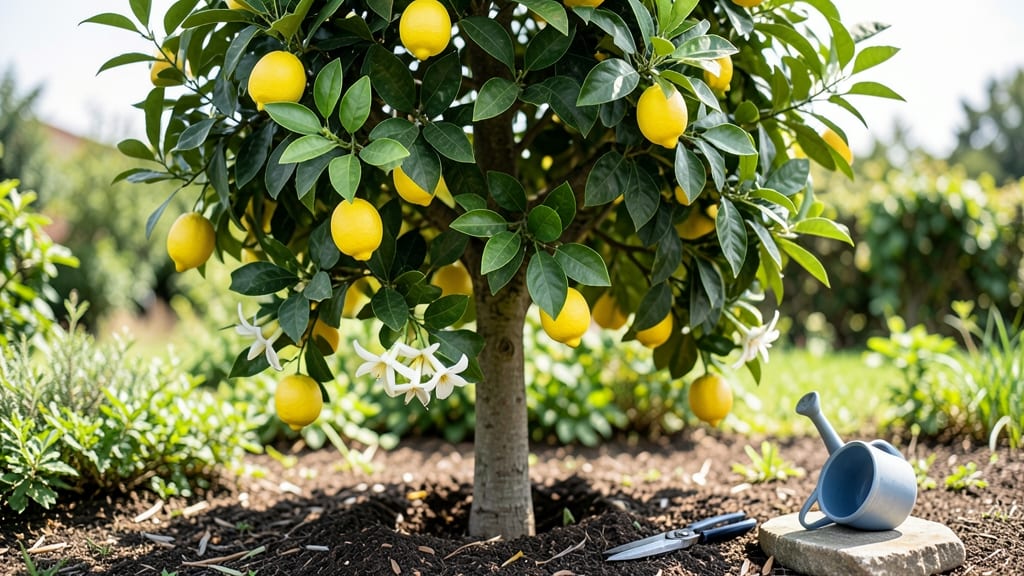
A mature lemon tree doesn’t just survive—it thrives when you prune with purpose. I’ve watched my 10-year-old tree go from scraggly to lush by cutting back just right, and the difference in fruit production is staggering.
The key isn’t just when you prune, but how—thinning crowded branches, shaping for airflow, and avoiding the mistakes that leave trees stressed.
You’ll need sharp pruners, rubbing alcohol (to sterilize cuts), and a clear day to assess the tree’s structure. Focus on removing dead wood first, then thin out crossing branches to let sunlight reach the center.
My tree now produces 30% more lemons than before pruning, and the fruit stays larger because the tree isn’t competing with itself for resources.
What you’ll end up with is a tree that looks like it belongs in a grove, not just your backyard—smooth bark, vibrant green leaves, and branches that hold fruit without sagging. The best part?
You’ll spot issues early: yellowing leaves mean overwatering, while sparse blooms signal it’s time to adjust fertilizer. Pruning isn’t just about shaping; it’s about extending your tree’s life and its bounty.
Outdoor trees get simpler care than indoor ones, but both benefit from the same pruning rules. Just adjust timing: outdoor trees can handle heavier cuts in late winter, while indoor trees need gentler trims year-round. Here’s how to keep yours productive for decades.
📚 In This Guide
- What you need
- Instructions
- Tips and common mistakes
- Wrapping up and next steps
What you need
- ● Pruning shears: Sharp, bypass-style shears (4–6 inches) for small branches.
- ● Loppers: Heavy-duty, bypass or anvil-type (8–12 inches) for thicker branches (½–1½ inches).
- ● Pruning saw: Curved-tooth saw for branches over 1½ inches in diameter.
- ● Disinfectant: 70% isopropyl alcohol or a 10% bleach solution (1 part bleach to 9 parts water) to sterilize tools between cuts.
- ● Gloves: Heavy-duty, cut-resistant gloves to protect hands from thorns and sap.
- ● Rags or paper towels: For wiping tools clean and dry.
- ● Trash bag or bucket: For collecting pruned branches (avoid composting diseased wood).
- ○ Ladder (optional but helpful): Sturdy, extension ladder (6–12 feet) for tall trees.
- ● Hand pruners with ratchet: For easier cutting of medium branches.
- ● Pruning sealant: Tree wound dressing (like Tanglefoot) to protect large cuts (controversial—skip if unsure!).
- ● Marker or tape: To tag branches for future reference (e.g., water sprouts or suckers).
- ● Safety glasses: To shield eyes from debris.
- ● Hose or spray bottle: For rinsing tools and branches post-pruning.
- ● ✅ Know your tree’s health: Inspect for disease (e.g., citrus canker) or pests before pruning. Quarantine affected branches!
- ● ✅ Timing is key: Prune during dormant season (late winter/early spring) or after harvest (avoid extreme heat/cold).
- ● ✅ Sunny day planned: Overcast or early morning light reduces stress on the tree.
- ● ✅ Sharp tools only: Dull blades crush branches—always sharpen shears/loppers before starting.
How to prune a mature lemon tree for maximum fruit and health
Pruning isn't just about shaping—it's about unlocking your tree's full potential.
Identify the Right Time for Each Season's Pruning
Lemon trees need pruning year-round, but the timing matters. I start with a light prune in late winter (just after your last frost) to remove any dead or crossing branches. This is when the tree is dormant, so it won't stress from losing foliage.
In early spring, I focus on shaping the tree—removing branches that grow inward or rub against others. This prevents disease and improves airflow. The key is to prune before new growth begins, usually when you notice buds swelling but before leaves appear.
Summer is for maintenance pruning—trimming back any leggy growth or branches that are shading the center of the tree. You'll see these as long, thin branches that stick out without leaves. Do this after fruit sets to avoid stressing the tree during flowering.
Use the Right Tools and Make Clean Cuts
Sharp, clean tools are non-negotiable. I use bypass pruners for branches up to ½ inch thick and a pruning saw for anything thicker. Always sterilize your tools with rubbing alcohol before and after pruning to prevent spreading disease.
Make cuts just outside the branch collar—that little swollen area where the branch meets the trunk. Cutting here ensures the wound heals properly. Avoid leaving stubs; they invite rot and pests. If a branch is too thick to cut cleanly, make a two-step cut—first undercut, then top-cut.
Here's the thing—don't rush. Take a step back after each cut to visualize the tree's shape. You're not just trimming; you're sculpting the tree's future growth pattern.
Remove Dead, Diseased, or Weak Growth First
Start by removing any dead, diseased, or damaged branches. These are easy to spot—they're brown, brittle, or oozing sap. Cut them out completely, even if it means removing a larger section. A healthy tree won't hesitate to fill in the gaps.
Next, look for crossing branches or those growing inward. These rub against each other, creating wounds that invite infection. If two branches are competing for space, remove the weaker one—the one with smaller diameter or fewer leaves.
You'll also want to trim back suckers—those aggressive shoots growing from the base or trunk. These drain energy from the tree. Cut them off at the base, but leave a small bump so the wound can heal.
Shape the Tree for Airflow and Light Penetration
Lemon trees thrive when light and air circulate freely. Step back and look for areas where branches are too dense. Your goal is to create an open, vase-like shape—this lets sunlight reach the center and reduces humidity buildup, which prevents fungal diseases.
Focus on thinning out rather than just cutting back. Instead of lopping off the ends of branches, look for places where you can remove entire branches to open up the canopy. This encourages new, stronger growth from the sides.
Pay special attention to the center of the tree. If branches are blocking light from reaching the core, prune them back. You'll see this as a shadowy, bare spot where leaves aren't forming. Opening this up gives your tree room to grow fruit-bearing branches.
Prune for Fruit Production and Long-Term Health
For maximum fruit, prune to encourage flowering. In late winter, cut back last year's fruiting branches by about ⅓—this stimulates new growth that will bear fruit the following season. You'll know you're doing it right when you see new buds forming at the base of the cut.
Also, trim back any water sprouts—those fast-growing, vertical shoots. These steal energy from the tree and rarely produce fruit. Cut them off at the base, but don't worry about timing; they'll keep popping up, so stay vigilant.
Finally, never remove more than ⅓ of the tree's foliage in one season. This shocks the tree and can lead to poor fruit set or even death. If your tree looks sparse after pruning, you've gone too far—wait until next year to do more.
Tips & tricks for pruning a mature lemon tree
These simple strategies will help you prune like a pro—without stressing your tree.
Seasonal Timing Matters: The late winter prune (after your last frost) is your tree's chance to heal before spring growth. I always check for new buds—if they're just starting to swell, that's your cue. In summer, wait until after fruit sets to avoid disrupting flowering. This seasonal rhythm keeps your tree thriving year-round.
Tool Prep Prevents Problems: Sterilizing tools with rubbing alcohol isn't just about hygiene—it's about protecting your tree's health. I dip my pruners in alcohol before and after each session, especially when moving between trees. For thick branches, that two-step cut technique (undercut then top-cut) makes all the difference in clean healing.
Visual Cues for Perfect Cuts: When making cuts, look for that branch collar—the little swollen bump where the branch meets the trunk. Cut just outside it, and you'll see the wound heal naturally. For suckers, leave a small bump instead of cutting flush—this tiny detail prevents rot and encourages new growth.
Shape with Purpose: Step back often to visualize your tree's future shape. Lemon trees love an open, vase-like structure that lets sunlight reach the center. I imagine light pouring through the branches—if I see shadows forming in the middle, that's where I'll focus my thinning cuts.
Pro Tips for Mature Lemon Tree
- These simple strategies will help you prune like a pro—without stressing your tree.
- Seasonal Timing Matters: The late winter prune (after your last frost) is your tree's chance to heal before spring growth.
- Tool Prep Prevents Problems: Sterilizing tools with rubbing alcohol isn't just about hygiene—it's about protecting your tree's health.
Frequently asked questions
Got questions about keeping your mature lemon tree thriving with the right pruning? Here are some of the most common concerns—and their answers—to help you navigate the process with confidence.
When is the best time to prune a mature lemon tree?
The ideal time to prune is late winter or early spring, just before new growth begins. This timing helps avoid stressing the tree during flowering or fruiting seasons. For mild climates, you can also prune lightly after harvest to shape the tree without disrupting fruit production.
How much should I trim off a mature lemon tree?
Remove no more than 25-30% of the tree’s foliage in a single session to avoid shocking it. Focus on dead, diseased, or crossing branches first, then thin out crowded areas to improve airflow. Over-pruning can reduce fruit yield and weaken the tree.
Will pruning my lemon tree reduce lemon production?
Pruning correctly actually boosts fruit quality and quantity by improving sunlight and air circulation. However, avoid heavy cuts during flowering or fruiting. Light, strategic pruning in off-seasons helps maintain a balanced harvest while keeping the tree healthy.
What should I do if my lemon tree looks stressed after pruning?
If leaves yellow, wilt, or drop excessively, your tree may be over-pruned. Water deeply, apply a balanced fertilizer, and avoid further cuts for at least 6 weeks. Mulch around the base to retain moisture and reduce stress. Most trees recover with proper care!
Can I prune a mature lemon tree in containers?
Yes! Container-grown lemon trees need regular pruning to control size and shape, especially since root space is limited. Use the same techniques as for in-ground trees, but prune more frequently (every 3–4 months) to prevent overcrowding. Ensure the container has drainage holes to support recovery.
Wrapping up and next steps
Growing a mature lemon tree thrives on consistency—strategic pruning year-round keeps it vibrant, productive, and resilient. Whether you’re shaping its growth, boosting fruit yield, or preventing disease, the right cuts at the right time make all the difference. Now’s your chance to turn theory into action!
Ready to give your tree the care it deserves? Start small:
- Pick one season (like late winter) to begin pruning.
- Grab your tools and follow the steps—confidence grows with practice!
- Celebrate each healthy branch you shape—your tree (and future harvests) will thank you.
🌱 Happy pruning!