
Trees
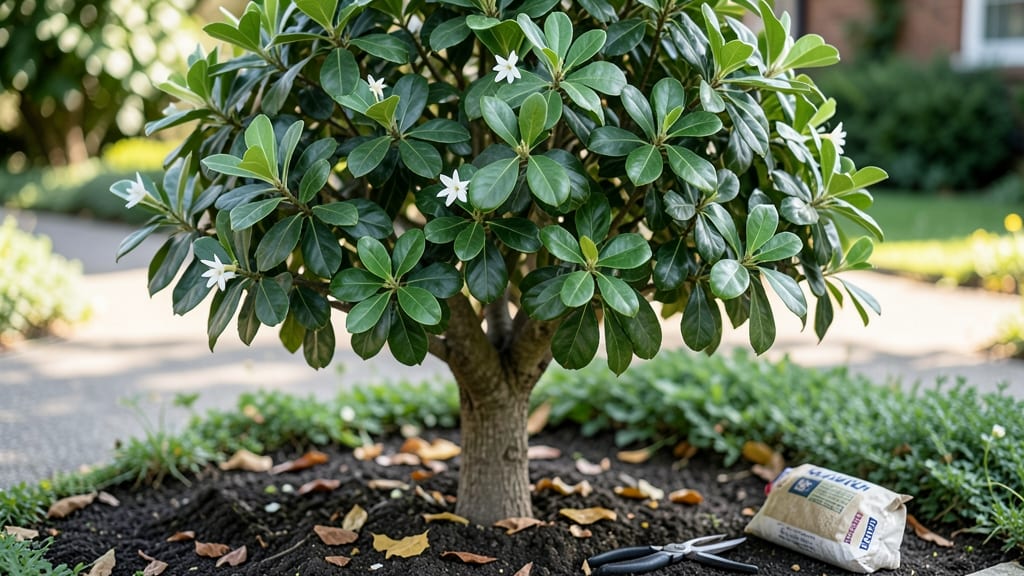
Loquat tree leaves aren’t just pretty—they’re packed with citrusy flavor and culinary potential. 🌿 I’ve used them in teas, pestos, and even stir-fries, and they transform dishes with their bright, slightly tart taste.
The key to great leaves is keeping them healthy, because stressed trees produce bitter, tough foliage that’s hard to work with.
Yellowing, spotted, or curling leaves usually signal trouble—whether it’s fungal infections, aphid infestations, or nutrient deficiencies. I’ve treated everything from bacterial spots with copper spray to mites by introducing ladybugs, and the results speak for themselves: vibrant green leaves that stay tender and flavorful.
The secret? Catching problems early and addressing them with targeted solutions.
Once your leaves are thriving, you’ll harvest them at their peak—just before flowering for the most delicate flavor. A handful of fresh leaves makes a fragrant garnish, while dried leaves steep into a zesty tea. The best part? You’re not just eating pretty—they’re packed with vitamins and antioxidants, too.
Whether you’re dealing with pests, diseases, or just curious about culinary uses, this guide covers the whole process—from diagnosis to harvest. Let’s get those leaves tasting their best!
📚 In This Guide
- What you need
- Instructions
- Tips and common mistakes
- Wrapping up and next steps
What you need
- ● Loquat tree leaves: Fresh, mature leaves (avoid yellowed or damaged ones). Aim for at least 1–2 cups per recipe.
- ● Pruning shears or sharp knife: For clean harvesting (sterilize with rubbing alcohol first!).
- ● Large bowl or basket: To collect leaves without crushing them.
- ● Water: For rinsing (filtered or rainwater is ideal).
- ● Paper towels or clean cloth: For drying leaves thoroughly.
- ● Cutting board: A sturdy one to chop leaves or stems.
- ● Chef’s knife or kitchen shears: For trimming stems or slicing leaves (if needed).
- ○ Blender or food processor: For making loquat leaf tea or pestos (optional but handy).
- ● Strainer or fine-mesh sieve: For straining leaf infusions or broths.
- ● Air-tight container: For storing dried leaves (glass jars work best).
- ● Rubbing alcohol (for sterilizing tools).
- ● Food dehydrator or oven (for drying leaves).
- ● Mortar and pestle (for traditional grinding).
- ● Citrus zest or herbs (like mint or basil, to pair with leaves).
Step-by-Step guide to harvesting and using loquat tree leaves
Here's how to gather and prepare these fragrant, versatile leaves for cooking.
🌿 Step 1: Identify and Select Mature Leaves
Loquat tree leaves reach their peak flavor when fully mature but still tender—look for leaves that are deep green, glossy, and about 4-6 inches long. Younger leaves are more delicate but less flavorful, while older ones can be tough and bitter. I always harvest from the outer branches first, as these get the most sunlight and develop the strongest aroma.
Check the undersides of leaves for pests like aphids or spider mites before harvesting. A quick spray with water from a hose often dislodges any unwanted visitors. If you notice yellowing or brown spots, avoid those leaves—they may contain tannins that can make dishes bitter.
✂️ Step 2: Harvest Leaves Properly
Use clean, sharp pruning shears to snip leaves just above a leaf node or small branch. This encourages new growth and keeps the tree healthy. I like to harvest in the early morning when the leaves are most fragrant and hydrated—this ensures the best flavor in your dishes.
Don't strip entire branches bare, as this can stress the tree. Instead, take no more than one-third of the leaves from any branch at a time. For a single harvest, aim for about 4-6 leaves per serving—they pack a bold citrusy flavor, so a little goes a long way.
💧 Step 3: Prepare Leaves for Cooking
Rinse the leaves under cool water to remove any dust or debris, then gently pat them dry with a clean towel. If you're using them fresh, you can chop them whole or finely—just remember that whole leaves infuse flavor more gently, while finely chopped leaves release their aroma quickly.
For storage, place the leaves in a paper towel-lined container and refrigerate for up to 5 days. To dry them, tie small bundles with twine and hang upside down in a well-ventilated, shaded area for 1-2 weeks. Once completely dry, store in an airtight container away from light—dried loquat leaves keep for up to a year and make a fantastic tea or seasoning.
🍳 Step 4: Use Leaves in Recipes
Loquat leaves shine in both savory and sweet dishes. For teas, steep 2-3 fresh leaves in 1 cup of hot water for 3-5 minutes—the result is a fragrant, slightly floral brew with hints of citrus. In cooking, add leaves to stir-fries, soups, or braised meats during the last 10-15 minutes of cooking to preserve their delicate flavor.
Here's the thing—don't overuse them. A single leaf can elevate a dish, but too many can overwhelm. I often add 1-2 leaves to a pot of rice or a handful to a marinade for a subtle, aromatic twist. For a bold flavor, try infusing olive oil or vinegar with a few leaves for 2-3 days—the result is a fragrant base for dressings or dipping sauces.
Tips & tricks for perfect loquat tree leaf harvesting
Real talk: These fragrant leaves transform dishes, but only if you handle them right. Here's how to get the most flavor and aroma from every harvest.
Selection Secret: In Step 1, focus on leaves that are deep green and glossy—these are the sweetest and most aromatic. The 4-6 inch size range is perfect because they're mature enough for bold flavor but still tender enough to cook with. I've learned the hard way that older, tougher leaves can make dishes bitter, so always check the underside for yellowing or spots before harvesting.
Harvesting Technique: When you're ready to harvest in Step 2, use clean pruning shears and cut just above a leaf node. This small detail keeps your tree healthy and encourages new growth. I always harvest in the early morning because the leaves are most fragrant then—this makes all the difference in flavor. And remember, never take more than one-third of leaves from any branch at once to avoid stressing the tree.
Storage Wisdom: For fresh leaves, store them in a paper towel-lined container in the fridge for up to 5 days—this keeps them crisp and flavorful. If you're drying leaves, the 1-2 week drying time is crucial. Hang them upside down in a well-ventilated area, away from direct sunlight. Properly dried leaves keep for up to a year and make an incredible tea or seasoning—just crush them lightly before use to release their aromatic oils.
Cooking Timing: In Step 4, when using leaves in recipes, add them during the last 10-15 minutes of cooking. This preserves their delicate flavor and prevents them from becoming bitter. For teas, steep 2-3 leaves in 1 cup of hot water for 3-5 minutes—any longer and you'll extract tannins that make the tea bitter. The key is balance: these leaves pack a punch, so you don't need many to make a difference.
Pro Tips for Loquat Tree Leaves
- Real talk: These fragrant leaves transform dishes, but only if you handle them right.
- Selection Secret: In Step 1, focus on leaves that are deep green and glossy—these are the sweetest and most aromatic.
- Harvesting Technique: When you're ready to harvest in Step 2, use clean pruning shears and cut just above a leaf node.
Frequently asked questions
Got questions about harvesting and using loquat tree leaves? You’re not alone! Here are some of the most common queries—and their answers—to help you get the most out of this versatile ingredient.
When is the best time to harvest loquat tree leaves?
The ideal time to harvest loquat leaves is before the tree blooms in early spring. Young, tender leaves (about 3–5 inches long) are most flavorful and tender. Avoid harvesting after fruit sets, as the leaves may become tougher and more bitter. Pro tip: Pick leaves on a dry morning for the best texture!
Can I use loquat tree leaves like bay leaves or other aromatic leaves?
Yes! Loquat leaves have a mild, slightly floral, and citrusy aroma—similar to bay leaves but more delicate. Use them whole in soups, stews, or braised dishes, then remove before serving. They’re also great in teas or as a garnish for seafood and rice dishes. Pro tip: Freeze dried leaves in ice cube trays for easy use later!
Are loquat tree leaves safe to eat raw?
While young, tender leaves can be eaten raw in salads (like spinach), older or tougher leaves may cause mild irritation. Always wash leaves thoroughly to remove dirt or pesticides. If you’re unsure, lightly cook them to soften texture and enhance flavor. Pro tip: Start with small amounts to test tolerance!
How do I store harvested loquat leaves?
Store fresh leaves in a sealed container in the fridge for up to 5–7 days. For longer storage, dry them in a dehydrator or oven (low heat, 2–3 hours), then store in an airtight container away from light. Dried leaves keep for 6–12 months. Pro tip: Label containers with the harvest date for freshness tracking!
What dishes pair best with loquat tree leaves?
Loquat leaves shine in:
- Asian-inspired dishes: Stir-fries, curries, or congee (rice porridge).
- Seafood: Steamed fish or shrimp with garlic and ginger.
- Teas or infusions: Brew with honey for a floral, citrusy tea.
- Preserved leaves: Pickle in vinegar for a tangy condiment.
Pro tip: Pair with lemongrass, lime, or chili for a bold flavor boost!
Wrapping up and next steps
Discovering the versatility of loquat tree leaves opens up a world of culinary creativity and natural beauty! From fragrant teas to flavorful dishes, these leaves offer a unique touch to your cooking and gardening adventures.
Whether you're a seasoned chef or a curious gardener, experimenting with loquat leaves can elevate your meals and projects in unexpected ways.
Ready to dive in? Start small—try infusing a batch of tea or adding a few leaves to your next stir-fry. Your kitchen (and taste buds) will thank you! 🌿✨