Pruning
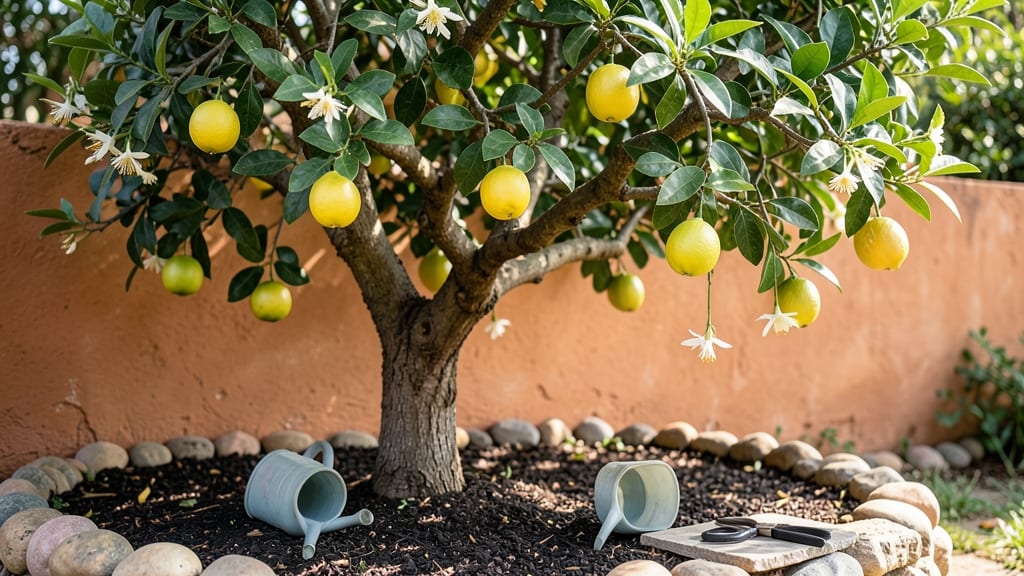
Growing a lemon tree in the Pacific Northwest isn’t just possible—it’s a rewarding challenge that pays off with fragrant blossoms and tangy fruit. 🌿 The key lies in understanding its climate needs: lemon trees thrive in Mediterranean-like conditions but can survive in cooler zones with the right adjustments, especially when protected from frost.
Your lemon tree will need warm summers (ideally between 70-85°F) and mild winters, avoiding temperatures below 25°F—that’s where frost-resistant pruning and container mobility become game-changers.
Humidity matters too: too much dampness invites fungal issues, while dry air can stress the tree. In the PNW’s rainy climate, proper drainage and airflow are non-negotiable.
With strategic pruning and seasonal care, you’ll see your tree produce fruit even in cooler climates. The first harvest might take 2-3 years, but the journey—from tender seedlings to lush, citrus-scented branches—is unforgettable. Let’s make it work for your space and climate.
Whether you’re growing in-ground or in containers, microclimates (like sunny south-facing walls) can extend the growing season. The pruning calendar will help you time cuts for maximum resilience, ensuring your tree stays healthy through PNW’s chillier months.
📚 In This Guide
- What you need
- Instructions
- Tips and common mistakes
- Wrapping up and next steps
What you need
- ● Pruning shears: Bypass pruners (sharp, clean, and sterilized with rubbing alcohol). 1 pair (for small branches).
- ● Loppers: Heavy-duty, 10-12 inch (for thicker branches up to 2 inches in diameter).
- ● Hand saw: Pruning saw with fine teeth (for branches >2 inches). 1 unit.
- ● Gloves: Heavy-duty gardening gloves (cut-resistant for safety). 1 pair.
- ● Disinfectant: 70% isopropyl alcohol or copper fungicide (to prevent disease spread).
- ○ Pruning sealant: Tree wound pruning paste (optional but recommended for large cuts).
- ● Frost cloth: Lightweight row cover (30g/m²) (for winter protection). 1-2 sheets (depending on tree size).
- ● Mulch: Organic mulch (straw, wood chips, or pine needles) (3-4 inches deep). 5-10 gallons.
- ○ Cold frame or mini greenhouse: Portable or permanent structure (optional but helpful for young trees).
- ● Citrus fertilizer: Slow-release, acid-loving plant fertilizer (10-10-10 or 8-3-9). 1-2 bags (5-10 lbs).
- ● pH test kit: To monitor soil acidity (ideal range: 6.0-7.0).
- ● Hose or sprinkler: For post-pruning hydration (especially after winter cuts).
- ● Tree ties or soft rope: To support young branches during windy PNW winters.
- ● Citrus-specific pruning guide: A printed or digital reference for PNW-adapted lemon varieties (e.g., 'Meyer' or 'Ponderosa').
- ● Soil amendments: Peat moss or sulfur (to maintain acidic soil if needed).
How to prune a lemon tree for Pacific Northwest frost resistance
Here's the seasonal approach I use to keep my lemon trees thriving through PNW winters.
⏰ Step 1: Late Winter Pruning (February)
This is the most critical time for frost-resistant shaping. Wait until after the last hard frost—typically mid-to-late February in the PNW—when daytime temperatures consistently stay above 40°F. You'll know it's time when your tree shows new growth buds along the branches.
Remove any branches that died back during winter—these will be brown and brittle rather than green and flexible. Cut just outside the branch collar (the swollen area where the branch meets the trunk) using clean, sharp pruning shears. I make all cuts at a 45-degree angle about ¼ inch above an outward-facing bud to encourage outward growth.
Here's the thing—PNW winters can be deceptive. Even if your tree looks healthy, thin out 20-30% of the canopy to improve air circulation. This prevents frost pockets from forming in dense foliage. Focus on removing crossing branches and those growing inward toward the center of the tree.
☀️ Step 2: Summer Light Management (June-August)
PNW summers bring intense afternoon sun that can scorch new growth. In June, I start monitoring for sunburned leaves—they'll appear as crispy, brown edges on young foliage. This is your cue to do a light summer prune to open up the canopy and prevent overheating.
Remove any water sprouts (fast-growing, vertical shoots) that appear after pruning. These compete with fruit production and are more vulnerable to frost damage. I also thin out some of the smaller interior branches to let sunlight penetrate to the center of the tree—this prevents frost pockets from forming during winter.
Real talk: Don't overdo it. You're not trying to radically reshape the tree in summer—just maintain airflow and prevent heat stress. A good rule is to remove no more than 10% of the canopy during summer pruning.
✂️ Step 3: Post-Harvest Cleanup (October-November)
After your final harvest—usually in late September or early October—it's time for a sanitary cleanup. Remove all dead or diseased branches first. These are easy to spot as they'll have blackened leaves or oozing sap. Cut these out completely to prevent fungal spores from overwintering.
Next, thin out any suckers (shoots growing from the base or roots) and shoots growing downward. These are energy drains that won't survive winter anyway. I also remove any fruit that didn't ripen—while it might look tempting to leave them, they'll rot on the tree and attract pests that could overwinter.
This is the moment that matters: Give your tree a light application of copper fungicide (if you're using it) after this cleanup. The open wounds from pruning are vulnerable to fungal infections during the damp PNW winters. A preventive treatment now saves headaches in spring.
🌱 Step 4: Winter Protection Prep (December)
While your tree is dormant, focus on preventing frost damage rather than pruning. In December, I wrap the trunk and major branches with tree wrap to protect against sun scald (which can occur even in winter when days get warmer).
For young trees or particularly cold winters, I install frost cloth around the base and over the canopy when temperatures drop below 25°F. The cloth creates a 3-5°F warmer microclimate around the tree. Make sure to secure it loosely so air can circulate—you're not trying to create a greenhouse, just a protective barrier.
I know it seems weird, but I also add a 2-3 inch layer of mulch around the base (keeping it 6 inches away from the trunk). This insulates the roots from freeze-thaw cycles that can heave the tree out of the ground. The mulch should be dry and weed-free—wet mulch can actually conduct cold into the soil.
Tips & tricks for perfect Pacific Northwest lemon tree pruning
These seasonal strategies will help you navigate the PNW's tricky climate and keep your lemon tree thriving year-round.
Timing is Everything: The February pruning window is your golden opportunity to shape the tree's frost resistance. I can't stress enough how important it is to wait for those 40°F daytime temperatures—this is when new growth buds signal the tree's readiness. If you prune too early, you risk exposing vulnerable new growth to late frosts. I've learned this the hard way after seeing tender shoots freeze in March!
Precision Cutting Technique: When making those 45-degree angle cuts about ¼ inch above outward-facing buds, use a sharp pair of pruning shears and make one clean cut rather than multiple snips. The angle helps water run off the cut, reducing the risk of fungal infections. I always sterilize my tools with rubbing alcohol between cuts—this simple step prevents spreading disease from one branch to another.
Summer Pruning Strategy: The 10% canopy rule during summer is non-negotiable in PNW summers. Too much pruning now stresses the tree when it's already battling intense afternoon sun. Focus on removing only the most problematic water sprouts and interior branches that block airflow. These small adjustments make all the difference in preventing winter frost pockets while keeping the tree healthy for fruit production.
Winter Protection Layering: The 3-5°F warmer microclimate created by frost cloth is your best defense against PNW's unpredictable cold snaps. I've found that securing the cloth loosely with stakes is crucial—tight wrapping can trap moisture and actually encourage fungal growth. For the mulch layer, I always use straw rather than wood chips because it stays dry better in our damp winters.
Pro Tips for Lemon Tree Climate
- These seasonal strategies will help you navigate the PNW's tricky climate and keep your lemon tree thriving year-round.
- Timing is Everything: The February pruning window is your golden opportunity to shape the tree's frost resistance.
- Precision Cutting Technique: When making those 45-degree angle cuts about ¼ inch above outward-facing buds, use a sharp pair of pruning shears and make one clean cut rather than multiple snips.
Frequently asked questions
Got questions about growing lemon trees in the Pacific Northwest’s unique climate? We’ve got answers!
From frost resistance to pruning timing, here are the most common concerns—plus expert tips to keep your citrus thriving year-round.
Can lemon trees survive winter in the Pacific Northwest?
Most standard lemon trees (Citrus × limon) are tender and won’t survive below 20°F (-6°C). However, frost-resistant varieties like ‘Meyer’ lemon or ‘Ponderosa’ lemon can tolerate brief dips to 15°F (-9°C) with proper care. In the PNW, grow them in containers for mobility or plant in microclimates (e.g., near south-facing walls). Mulch heavily and use frost cloths for extra protection.
When is the best time to prune lemon trees in the PNW?
Prune your lemon tree late winter or early spring (February–March), just before new growth begins. This timing helps avoid frost damage to fresh cuts and encourages vigorous spring growth. Avoid pruning in fall—it can stimulate tender new shoots that won’t survive winter. If you must prune in summer, do so after harvesting to reduce stress.
How do I prune for frost resistance?
Focus on open-center shaping to improve airflow and reduce frost pockets. Remove:
- Dead or diseased branches (cut at the base).
- Overcrowded growth to let sunlight warm the center.
- Suckers at the base (they drain energy).
What’s a good alternative if lemon trees won’t thrive in my yard?
If your PNW climate is too harsh for lemons, try these frost-hardy citrus alternatives:
- Yuzu (Citrus junos) – Tolerates 5°F (-15°C) and thrives in containers.
- Kumquat (Fortunella spp.) – Handles 15°F (-9°C) and is sweet when eaten peel-and-all.
- Calamondin orange – A dwarf, fragrant tree that survives 18°F (-8°C).
- Hardy citrus hybrids like ‘Improved Meyer’ lemon or ‘Trifoliate orange’ rootstock grafts.
Why are my lemon tree leaves turning yellow after frost?
Yellowing leaves post-frost are usually cold damage. If only the leaf edges brown, the tree may recover. If the entire leaf turns yellow and falls off, the branches are likely dead—prune them back to healthy green wood. Fertilize lightly in spring to help recovery, but avoid nitrogen-heavy feeds, which stress frost-damaged trees. Pro tip: Monitor for aphids or spider mites, which thrive on stressed plants!
Can I prune lemon trees in fall for winter prep?
It’s not recommended—fall pruning can stimulate new growth that won’t harden off before winter. However, if you must, lightly shape the tree in early fall (September) and stop by October to avoid encouraging tender shoots. Focus on removing only dead wood and avoid heavy cuts. Always prune after leaf drop** but before the first hard frost.
Wrapping up and next steps
Growing a thriving lemon tree in the Pacific Northwest’s unique climate is absolutely doable—especially when you leverage frost-resistant varieties and a smart pruning calendar! 🌿 By understanding your region’s microclimates, mastering the right tools, and timing cuts to encourage healthy growth, you’ll enjoy juicy, homegrown lemons year after year.
Ready to take the next step? Start by observing your tree’s growth patterns this season, then adjust your pruning schedule as needed. Your lemon tree’s success is just one snip away! 🍋✨