
Pruning
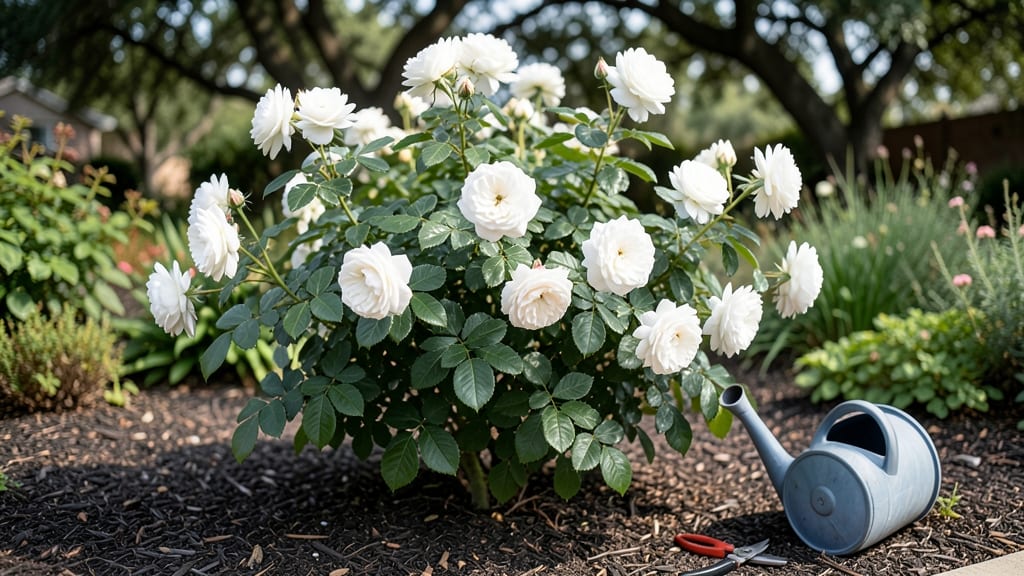
Pruning your iceberg tree rose in late winter isn’t just about shaping branches—it’s the secret to frost-resistant blooms that’ll make your neighbors do a double take. 🌿 I’ve pruned mine for five years, and every cut in February sets the stage for snow-white cascades by June that last until fall.
The key isn’t just when you prune, but how you do it: aggressive enough to encourage new growth, but not so harsh you sacrifice next year’s flowers.
You’ll need sharp pruners, a disinfectant, and a sunny day—no fancy tools, just the basics. The real magic happens in the cuts: remove dead wood first, then thin out crowded branches to improve airflow, which is your best defense against black spot.
Iceberg roses are tough, but even they’ll struggle if their limbs can’t dry properly after rain. This method works whether you’ve got a mature tree or a young plant—just adjust the cuts based on size.
What you’ll end up with is a cloud of white blooms that smell like spring even in summer’s heat. The flowers are disease-resistant by nature, but proper pruning keeps them even stronger—expect longer vase life and fewer pests.
Plus, the shape becomes neat and balanced, making it the star of any landscape. You’ll know you’ve done it right when you see those first pink buds in April.
This technique works in zones 5-9, but the timing shifts slightly if you’re in a warmer climate—just wait until the last frost. For container-grown roses, prune a little lighter to avoid stressing the roots.
Once you’ve mastered the cuts, you’ll spend less time fixing problems and more time admiring the results. Let’s get those pruners ready!
📚 In This Guide
- What you need
- Instructions
- Tips and common mistakes
- Wrapping up and next steps
What you need
- ● Pruning shears: Bypass-style (sharp, clean, and sterilized with rubbing alcohol or bleach solution). Quantity: 1 pair.
- ● Loppers: For thicker branches (1–2 inches in diameter). Quantity: 1 pair.
- ● Garden gloves: Heavy-duty, cut-resistant (thorns are no joke!). Quantity: 1 pair.
- ● Disinfectant solution: 1 part bleach to 9 parts water (for sterilizing tools between cuts). Quantity: Small spray bottle or cup.
- ○ Pruning sealant (optional but recommended): Tree wound paint or pruning wax to protect large cuts. Quantity: Small jar.
- ● Rake or broom: To clear debris after pruning. Quantity: 1.
- ● Hand saw: For stubborn, thick branches (if loppers won’t cut it). Quantity: 1.
- ● Ladder or step stool: If your tree is tall (safety first!). Quantity: As needed.
- ● Sharpie or marker: To label cuts if you’re reshaping the tree. Quantity: 1.
- ● Compost bin or bag: For collecting pruned branches (great for mulch!). Quantity: As needed.
- ● Choose a dry, frost-free day (late winter, after the last hard freeze but before buds swell).
- ● Gather sunlight and shade info: Prune in morning light to avoid stressing the plant.
- ● Have a clear plan: Sketch or visualize your tree’s new shape before cutting!
Step-by-Step guide to reviving your iceberg tree rose after winter
Late winter's the perfect time to coax fresh blooms from your frost-hardy iceberg tree rose.
✂️ Step 1: Assess and Remove Dead or Damaged Wood
Start by examining your rose from the ground up. Look for branches that are completely blackened, brittle, or show no signs of green underneath the bark—these are dead and need removal. I always grab a pair of clean, sharp pruning shears and cut just above a healthy bud that's facing outward. This ensures new growth will face away from the center of the plant.
Don't worry if some branches look questionable but have a hint of green—give them a week or two. If they show no signs of life after that, they're fair game for the pruners. Remember, you can't over-prune an iceberg tree rose—it's incredibly resilient. If in doubt, leave it for now and check again later.
✂️ Step 2: Thin Out Overcrowded Branches for Better Airflow
Now focus on the plant's structure. Iceberg tree roses bloom on both old and new wood, so you want to maintain a good balance. Start by removing any branches that cross or rub against each other—this creates wounds where disease can enter. I like to step back every few cuts to visualize the plant's shape from all angles.
Look for branches growing straight up or inward—they'll never get enough sunlight and will just take energy from the plant. Cut these back to a strong outward-facing bud. Aim to create an open center that allows light and air to circulate freely. This prevents fungal issues and encourages stronger blooms. You should be able to see light through the center of the plant when you're done.
☀️ Step 3: Shape for Maximum Sun Exposure and Bloom Production
Iceberg roses need plenty of sunlight to produce their signature white, double-layered blooms. Now's your chance to shape the plant so every branch gets optimal light exposure. Start by removing any branches that are growing toward the center or downward—they'll shade other parts of the plant.
For each remaining branch, make your cut just above an outward-facing bud that's within ¼ inch of where the branch meets the main stem. This creates a strong growth point that will develop into a sturdy new branch. Step back frequently to check your progress—you want a vase-like shape with branches spreading outward and upward.
⏰ Step 4: Clean Up and Apply Protective Measures
After all your cuts, you'll have a pile of pruned branches. Don't just toss them—take them far from your garden to prevent disease spread. I like to burn them if possible, or at least put them in the trash, not the compost. Then, clean your pruning tools with rubbing alcohol to kill any lingering bacteria or fungi.
Once your rose is properly pruned, give it a light application of balanced fertilizer (10-10-10 works well) to encourage new growth. Water deeply at the base to help the plant recover from the pruning stress. This is also a good time to add a 2-3 inch layer of mulch around the base to protect roots from late frosts and retain moisture.
Tips & tricks for perfect iceberg tree rose pruning
Here's what I learned after years of pruning these frost-resistant beauties—these little details make all the difference for spring blooms.
Timing Secret: Prune your iceberg tree rose in late winter when the plant is still dormant but before new growth begins. This timing, typically between late February and early March in most climates, ensures you're not cutting off potential blooms that might already be forming. I always check for the first signs of bud swell—if you see tiny green buds peeking, it's time to put down the pruners. This window gives your rose the best chance to recover and produce those signature white blooms.
Cutting Technique: When making your cuts in Step 1 and Step 3, always angle them slightly away from the bud you're keeping—about a 45-degree angle. This helps rainwater run off the cut rather than pool on it, which prevents rot. I also make sure to cut just above a healthy outward-facing bud that's within ¼ inch of the main stem. This creates a strong growth point that will develop into a sturdy new branch. Remember, the cleaner and more precise your cuts, the faster your rose will heal and start growing.
Equipment Matters: Invest in a good pair of bypass pruning shears—they make clean cuts that heal faster than the jagged cuts from anvil pruners. I also keep a small bottle of rubbing alcohol handy to clean my tools between cuts, especially when dealing with diseased branches. Sterilizing your tools prevents spreading any potential infections throughout your plant. Don't forget to sharpen your blades regularly—dull tools crush stems instead of making clean cuts.
Post-Pruning Care: After you've finished pruning, don't just walk away! Give your rose a light application of balanced fertilizer (like 10-10-10) to encourage new growth. Water deeply at the base to help the plant recover from the pruning stress. This is also the perfect time to add a 2-3 inch layer of mulch around the base—it helps protect roots from late frosts and retains moisture. I find that this extra care after pruning makes a noticeable difference in how quickly my roses bounce back.
Pro Tips for Iceberg Tree Rose
- Here's what I learned after years of pruning these frost-resistant beauties—these little details make all the difference for spring blooms.
- Timing Secret: Prune your iceberg tree rose in late winter when the plant is still dormant but before new growth begins.
- Cutting Technique: When making your cuts in Step 1 and Step 3, always angle them slightly away from the bud you're keeping—about a 45-degree angle.
Frequently asked questions
about pruning your Iceberg Tree Rose—because even frost-resistant stars need a little TLC! Here are the answers to common questions that’ll keep your blooms thriving.When is the exact best time to prune my Iceberg Tree Rose?
Late winter (just before new growth starts) is ideal—typically February to early March in most climates. If you’re in a colder zone, wait until after the last frost (usually 2–3 weeks post-frost date). Pro tip: Prune on a dry, sunny day to reduce disease risk.
How much can I cut back? Should I be aggressive?
For an Iceberg Tree Rose, aim to remove 1/3 to 1/2 of the plant’s height. Cut back to an outward-facing bud (about ¼ inch above) to encourage bushier growth. Avoid over-pruning—this can stress the plant and delay blooms. Think: "Less is more" for long-term health!
My Iceberg Tree Rose survived frost—do I still need to prune?
Frost can weaken branches, and pruning helps revitalize the plant. Focus on removing dead, damaged, or crossing branches first, then shape the rest. Frost-resistant doesn’t mean frost-proof—pruning boosts resilience for next season’s blooms.
What if I miss the late-winter window? Can I prune later?
Yes, but with caution. Light pruning (removing deadwood or shaping) can happen in early spring or even summer (after blooming). Avoid heavy pruning after June—it may reduce fall blooms. Wait until late winter for the best results, though!
My Iceberg Tree Rose isn’t blooming much after pruning. Did I do it wrong?
Don’t panic! Blooms may take 4–6 weeks to rebound. Check for these fixes:
Did you prune too late? Late spring pruning can delay blooms.
Is it getting enough sun? Full sun (6+ hours) is a must.
Are you fertilizing? Feed with rose-specific fertilizer in early spring.
If issues persist, reassess pruning cuts—some varieties need less aggressive trimming.Can I propagate cuttings from my pruned branches?
Yes! Take 4–6 inch cuttings with 2–3 nodes, dip in rooting hormone, and plant in moist perlite/sand mix. Keep humid (use a plastic bag) and place in indirect light. Roots form in 4–8 weeks. Perfect way to share (or multiply!) your Iceberg beauty!
Wrapping up and next steps
The Iceberg Tree Rose is a stunning, frost-resistant beauty that thrives with the right late-winter pruning care. By following the steps we’ve shared—cleaning tools, shaping strategically, and encouraging new growth—you’ll set the stage for vibrant blooms all season long. 🌸✂️
Now that you’re equipped with the know-how, roll up your sleeves and give your Iceberg Tree Rose the TLC it deserves! Start by gathering your tools and scheduling that pruning session before the buds burst—your garden will thank you with a showstopping display of color and health.
Ready to transform your outdoor space? Share your pruning progress or ask more questions in the comments—we’re here to cheer you on!