
Pruning
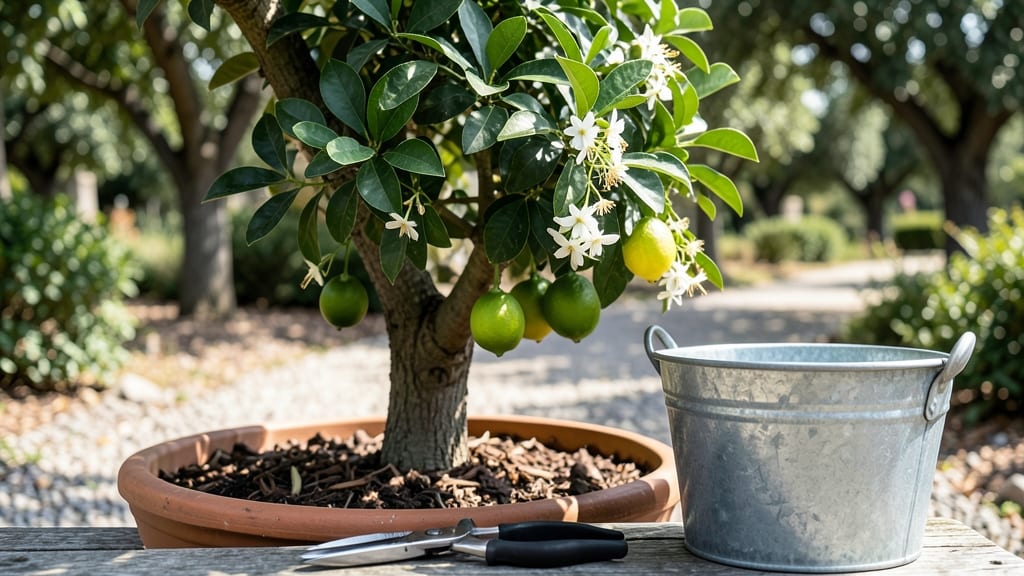
Pruning a small lemon tree isn’t just about shaping—it’s the secret to year-round fruit production and keeping your tree healthy for decades.
I’ve pruned mine every winter for five years, and the difference between my tree and my neighbor’s unpruned bush is like night and day: mine produces twice as many lemons and stays compact enough to harvest without a ladder.
The best time to prune is late winter or early spring, just as new growth begins. You’ll need sharp pruning shears, a sterilized saw for thicker branches, and rubbing alcohol to clean tools between cuts.
The key is to remove dead or crossing branches first, then thin out the canopy by about 20-25% to let sunlight reach the center—this is where most fruit forms. Every cut should be made at a 45-degree angle, just above a leaf node or outward-facing bud.
After pruning, your tree will reward you with bright green new shoots within weeks, and those shoots are where next year’s lemons will form. The first flush of fruit might be smaller, but the tree will rebound with bigger harvests in years two and three.
Just avoid pruning in fall—it stresses the tree before winter—and never remove more than 30% of the foliage at once, or you’ll shock the plant.
For beginners, the biggest mistake is over-pruning or cutting into old wood—lemons fruit on new growth, so always prune back to a bud or branch collar. If your tree looks sparse after pruning, don’t panic: it’s normal for lemon trees to take a season to fill back in.
The payoff? A tree that’s easier to harvest, produces more consistently, and lives longer than one left to grow wild.
📚 In This Guide
- What you need
- Instructions
- Tips and common mistakes
- Wrapping up and next steps
What you need
- ● Bypass pruning shears – Sharp, clean, and disinfected (70% isopropyl alcohol works). Size: 5-7 inches for small branches.
- ● Hand pruners or loppers – For thicker branches (up to ¾ inch in diameter). Quantity: 1 pair.
- ○ Disinfectant (optional but recommended) – 70% isopropyl alcohol or a copper-based fungicide to prevent disease spread.
- ● Garden gloves – Nitrile or leather (thick enough to protect against thorns). Quantity: 1 pair.
- ● Small trash bag or bucket – For collecting pruned branches.
- ● Rubbing alcohol or hydrogen peroxide – To clean tools before and after pruning.
- ● Pruning saw – For very thick branches (over ¾ inch). Quantity: 1.
- ● Tree wound dressing – Pruning sealant (controversial, but some gardeners swear by it for large cuts).
- ● Ladder or step stool – If your tree is taller than 6 feet.
- ● Sharpie or permanent marker – To mark branches you’re unsure about.
- ● Compost bin or mulch – To reuse small pruned branches as nutrient-rich compost.
- ● Choose a dry, sunny day (avoid pruning after rain or in extreme heat).
- ● Have your lemon tree’s growth chart or notes handy (if available) to track pruning history.
- ● Wear long sleeves and closed-toe shoes—lemon trees can be thorny!
Step-by-step guide to pruning a small lemon tree
Here's how I keep my lemon tree thriving—simple cuts that boost fruit production and shape.
Choose the Right Time and Tools
Prune your lemon tree in late winter or early spring, just before new growth begins. This timing ensures you don’t accidentally cut off potential fruit buds that form later in the season. Avoid pruning during hot months, as the tree is more vulnerable to stress and pests.
Gather clean, sharp pruning shears—dull blades tear wood and invite disease. A small pruning saw helps with thicker branches. Sterilize your tools with rubbing alcohol before and after use to prevent spreading fungal spores. I also keep a pair of gloves handy; lemon tree sap can irritate skin.
Remove Dead, Diseased, or Crossing Branches
Start by inspecting the tree for branches that are dead, broken, or diseased. Dead branches are brittle and snap easily when bent. Diseased branches may have dark spots, oozing sap, or unusual growths. Cut these out first—they’re a liability and can spread problems to healthy wood.
Next, look for branches that cross or rub against each other. These create wounds where pests and diseases can enter. Make your cuts just outside the branch collar—the swollen area where the branch meets the trunk. Avoid leaving stubs, as they can rot and attract pests. If a branch is too thick to cut cleanly, make a second cut slightly farther out to avoid tearing.
Thin Out Overcrowded Areas
Lemon trees produce fruit on both old and new wood, so avoid heavy pruning that removes too many branches at once. Focus on thinning out branches that grow inward or block sunlight from reaching the center of the tree. Aim for an open, vase-like shape that allows air to circulate freely.
Remove no more than 25% of the tree’s foliage in one session. Cut back to a lateral branch or bud, making sure the cut is at a 45-degree angle just above an outward-facing bud. This encourages new growth in the right direction. If you’re unsure which branch to keep, choose the one that grows outward and away from the center.
Shape the Tree for Balance and Airflow
Step back and assess the tree’s overall shape. Lemon trees respond well to light, structural pruning rather than drastic cuts. Trim back any branches that are growing too long or leggy, cutting just above a leaf node or bud. This encourages bushier growth and more fruit production.
Pay special attention to the top of the tree. If it’s too tall for your space, you can lightly prune the leader (the central stem) to encourage a fuller, more compact shape. Avoid cutting back more than one-third of the leader at a time, or you risk stunting the tree’s growth. After pruning, the tree should look balanced, with sunlight able to reach all branches.
Clean Up and Monitor Recovery
Once you’ve finished pruning, collect and dispose of all clippings. Burning them is ideal, but if that’s not possible, seal them in a plastic bag and throw them in the trash—never leave them on the ground, as they can harbor pests and diseases.
Water the tree deeply after pruning to help it recover. Keep an eye on the cuts over the next few weeks. If you notice any oozing sap or signs of infection, apply a thin layer of pruning sealant to protect the wound. Avoid overwatering, as fresh cuts are more susceptible to rot. Within a few weeks, you should see new growth emerging from the pruned areas.
Tips & tricks for pruning a small lemon tree
Here's what I've learned after years of shaping my own lemon tree—these little details make all the difference between a stressed plant and a thriving citrus producer.
Timing is Everything: Late winter or early spring is your ideal window because the tree is still dormant but about to burst with new growth. I always check for the first signs of bud swell—tiny green bumps along the branches—before I start cutting. This ensures I don't accidentally remove potential fruit buds that form later in the season. If you miss this window, avoid pruning until summer, but be extra gentle to minimize stress.
Tool Precision Matters: Your pruning shears should be sharper than your focus. I sterilize mine with rubbing alcohol before and after each use—this prevents spreading fungal spores that can turn your lemon tree into a disease magnet. For thicker branches, use a small pruning saw to make clean cuts without tearing the wood. And here's a pro move: Wipe down your tools with a damp cloth after each cut to remove sap, which can gum up blades and make them less effective.
Branch Angle Secrets: When you cut back to a lateral branch or bud, make sure your cut is at a 45-degree angle just above an outward-facing bud. This isn't just for looks—it directs new growth away from the center, creating that perfect open vase shape. I always test the angle by holding the shears at 45 degrees and visualizing where the new sprout will emerge. If you're unsure which branch to keep, choose the one growing outward and away from the center—this prevents future crowding.
Post-Prune Care: After you've finished shaping, don't just walk away. Water the tree deeply right after pruning to help it recover from the stress. I keep an eye on the cuts for the first two weeks, looking for any oozing sap or unusual discoloration. If you notice anything amiss, apply a thin layer of pruning sealant to protect the wound. And here's a tip nobody tells you: Avoid fertilizing immediately after pruning. The tree needs time to heal and establish new growth before it can handle extra nutrients.
Pro Tips for Prune A Small Lemon Tree
- Here's what I've learned after years of shaping my own lemon tree—these little details make all the difference between a stressed plant and a thriving citrus producer.
- Timing is Everything: Late winter or early spring is your ideal window because the tree is still dormant but about to burst with new growth.
- Tool Precision Matters: Your pruning shears should be sharper than your focus.
Frequently asked questions
Got questions about pruning your small lemon tree?
You’re not alone! Here are answers to the most common concerns—so you can prune with confidence and keep your citrus thriving.
When is the best time to prune a small lemon tree?
The ideal time is late winter to early spring (just before new growth starts) or right after harvest in fall. Avoid pruning during extreme heat or cold—your tree will heal faster in mild weather. For container-grown trees, prune lightly after flowering to encourage fruit production.
Can I prune a lemon tree too much? What are the signs?
Yes! Over-pruning stresses the tree, leading to fewer lemons, weak branches, or yellowing leaves. Never remove more than 25-30% of the foliage in one session. If you’ve already overdone it, reduce watering slightly and fertilize lightly to help recovery. Patience is key!
Will pruning my lemon tree reduce fruit production?
Not if done correctly! Pruning opens the canopy to sunlight and air, which actually boosts fruit quality and quantity in the long run. Focus on removing dead, crossing, or overcrowded branches—this redirects energy to healthy growth and more lemons next season.
How do I prune a lemon tree in hot or humid climates?
In warm climates, prune early morning or late afternoon to avoid stressing the tree. Use sterilized tools to prevent fungal infections (common in humidity), and avoid heavy pruning during summer—it can invite pests. Water deeply before and after pruning to help the tree recover faster.
What if my lemon tree doesn’t bloom after pruning?
Lemon trees need 6–8 hours of sunlight daily and consistent care to bloom. If pruning was too aggressive, wait a year and prune lightly. Also, check for nutrient deficiencies (like nitrogen or phosphorus)—a balanced citrus fertilizer can help. Patience pays off!
Pro Tip:
Label your pruned branches! Place small flags on major cuts to track growth patterns—this helps you prune more effectively next time and spot issues early.
Wrapping up and next steps
Pruning your small lemon tree doesn’t have to be intimidating—with the right tools, timing, and techniques, you’ll keep it thriving and productive! Remember, the key is patience (especially with young trees) and consistency (seasonal checks).
Now that you’re armed with knowledge, grab those shears and give your tree the care it deserves.
Ready for the next step? Monitor your tree’s growth after pruning and adjust as needed. Happy pruning—your future harvests will thank you! 🌿✨