Size
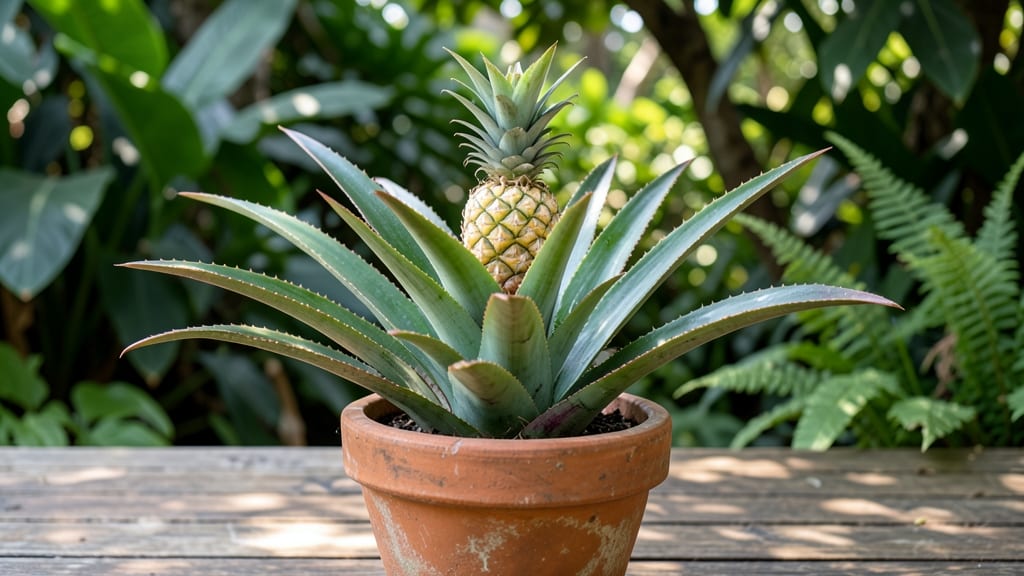
Growing a pineapple tree from a grocery store crown is easier than you think—and the sweet, tangy fruit you’ll harvest makes it worth every effort. 🌿 I’ve grown mine in containers on my balcony for three years now, and every time I slice into that golden fruit, I’m reminded why tropical plants are worth the extra care.
The key isn’t complicated: just the right mix of sunlight, warmth, and patience.
You’ll need a few simple supplies: a well-draining potting mix (think cactus or succulent blend), a container with drainage holes, and a warm spot that gets at least six hours of sunlight daily. Pineapple plants thrive in heat but hate soggy roots, so let the soil dry out between waterings.
If you live in a cooler climate, bring your plant indoors during winter—just keep it near a sunny window.
By year two, you’ll start seeing those signature spiky flower stalks, and with proper care, you could harvest fruit within three years. The first taste of homegrown pineapple—juicy, tropical, and impossible to find in stores—is the best reward.
Plus, the plant’s striking, sword-like leaves add drama to any space, indoors or out.
Whether you’re growing in a sunny patio or a bright kitchen nook, this method works for beginners. The biggest mistake? Overwatering or not enough light. Stick to the basics, and you’ll be enjoying fresh pineapple straight from your own plant before you know it.
📚 In This Guide
- What you need
- Instructions
- Tips and common mistakes
- Wrapping up and next steps
What you need
- ● Pineapple plant: A healthy pineapple top (with some leaf base) or a young pineapple plant from a nursery.
- ● Container: A pot with drainage holes, at least 12–18 inches in diameter and depth (for mature plants).
- ● Well-draining potting mix: A blend of cactus/succulent mix + perlite/vermiculite (50/50 ratio) to prevent root rot.
- ● Watering can with a narrow spout: For precise watering (avoid soggy soil!).
- ● Fertilizer: A balanced liquid fertilizer (10-10-10 or 20-20-20) or organic options like worm castings.
- ● Pruning shears or scissors: For trimming dead leaves or roots.
- ○ Grow lights (optional but helpful): LED grow bulbs if indoors with low natural light.
- ● Sunlight: Full sun (6+ hours daily)—outdoors or near a south-facing window.
- ● Temperature: Ideal range: 60–90°F (15–32°C). Avoid frost (below 32°F/0°C).
- ● Humidity: Moderate to high (pineapples love tropical air!). Use a humidity tray if indoors.
- ● Space: At least 2–3 feet of clearance for airflow around the plant.
- ● 💡 Skip the soil test—pineapples thrive in poor, fast-draining soil. Rich soil = root rot!
- ● 🎯 Use terracotta pots for extra breathability (clay wicks away moisture).
- ● 🔥 Rotate your container every few weeks for even sunlight exposure.
Step-by-Step instructions for growing a pineapple tree in containers
Here's how to turn that pineapple top into a thriving tropical plant—no greenhouse required.
🌱 Step 1: Prepare the Pineapple Top for Planting
Start by removing the leafy crown from a fresh pineapple. Let the base dry for 2-3 days until the cut surface hardens slightly. This prevents rot when you plant. I like to trim the leaves back to about 1-2 inches from the base—this focuses energy on root growth instead of maintaining a large leaf canopy.
Real talk: The base should look like a small stump with a rosette of leaves. If it feels mushy or smells sour, let it dry longer. Once it's firm to the touch, you're ready to plant. I always soak the trimmed base in water for 12 hours before planting to kickstart root growth.
🪴 Step 2: Choose the Right Container and Soil Mix
Use a 6-inch diameter pot with drainage holes—pineapples hate soggy roots. I fill the bottom third with a mix of perlite and coarse sand to ensure fast drainage. The top two-thirds should be a blend of cactus/succulent mix and peat moss (about 50/50). This lightweight mix mimics their natural, well-draining environment.
Don't skip the drainage layer. I've seen pineapple tops rot when planted in regular potting soil. The key is keeping the roots aerated while holding enough moisture to encourage growth. Press the soil lightly around the base—just enough to hold the plant upright without compacting.
☀️ Step 3: Position for Bright, Indirect Light
Pineapples crave bright light but no direct sun at first. A south-facing window with sheer curtains works perfectly. If your space gets harsh afternoon sun, move the pot back 2-3 feet from the window. You'll notice the leaves turning yellow or crispy if it's too intense.
Here's the thing—pineapples need 6-8 hours of light daily, but they'll scorch in direct midday sun. After 4-6 weeks, when the plant shows new growth, you can gradually introduce 1-2 hours of morning sun. Watch for leaves that perk up instead of wilt—that's your sign it's happy.
💧 Step 4: Water and Fertilize for Healthy Growth
Water only when the top 1-2 inches of soil feel dry. I use a spray bottle for the first 2 weeks to keep the soil evenly moist without drowning the roots. After that, water at the base until it drains from the bottom. Pineapples are drought-tolerant once established, but they won't thrive if left bone-dry.
Start fertilizing after 8 weeks with a balanced liquid fertilizer (10-10-10) diluted to half-strength. I feed every 4-6 weeks during spring and summer. Over-fertilizing burns the roots—always follow the "less is more" rule. You'll see stronger, darker leaves when it's working.
⏰ Step 5: Encourage Flowering and Fruit (If Patient!)
Pineapple trees grown from crowns take 2-3 years to flower and fruit. To speed things up, I move mine outside in warm weather (above 60°F) for 6+ hours of sunlight daily. The temperature shift triggers flowering in many tropical plants. Look for a small spike emerging from the center—this is your flower stalk!
Once the flower appears, keep the soil consistently moist but not soggy. The fruit will take 6-8 months to ripen, so patience is key. If your plant never flowers, it might need more light or a bigger pot. I've had mine reach 12-18 inches tall before finally producing a tiny pineapple—worth the wait!
Tips & tricks for growing a pineapple tree in containers
A few simple tricks can make all the difference when nurturing your pineapple crown into a thriving plant. These insights come from years of watching my own pineapple tops transform—and avoiding the mistakes that lead to disappointment.
Root Growth Boost: After the 12-hour water soak in Step 1, place your pineapple base in a shallow dish of water with just the bottom 1/4 inch submerged. This encourages faster root development while preventing rot. I’ve seen roots appear in as little as 3-4 weeks with this method, compared to 6-8 weeks without it. Once roots are 1-2 inches long, it’s time to plant in your prepared container.
Light Transition Strategy: The 6-8 hours of bright light in Step 3 is non-negotiable, but the gradual introduction of 1-2 hours of morning sun after 4-6 weeks is where many people go wrong. I recommend rotating your pot 1/4 turn daily to ensure even light exposure—pineapples grow toward the light, and uneven exposure can cause lopsided growth. Look for leaves that perk up when exposed to morning sun; that’s your cue it’s ready for more.
Soil Moisture Secret: The "water when top 1-2 inches feel dry" guideline in Step 4 is perfect, but here’s what nobody tells you—pineapple roots are sensitive to both overwatering and underwatering. I use a chopstick to check moisture: insert it 1-2 inches deep. If it comes out clean, water; if it’s damp, wait another day. Overwatering is the #1 reason pineapple tops rot, even with perfect drainage.
Pro Tips for Grow A Pineapple Tree
- A few simple tricks can make all the difference when nurturing your pineapple crown into a thriving plant. These insi...
- Root Growth Boost: After the 12-hour water soak in Step 1, place your pineapple base in a shallow dish of water with ...
- Light Transition Strategy: The 6-8 hours of bright light in Step 3 is non-negotiable, but the gradual introduction of...
Frequently asked questions
Got questions about growing your own pineapple tree? You’re not alone—this tropical fruit is full of surprises! Here are answers to the most common queries to help you succeed.
How long does it take for a pineapple plant to bear fruit?
A pineapple plant typically takes 18 to 30 months to produce fruit from the time you plant the crown or slips. Patience is key! If you’re growing in a container, ensure it’s large enough (at least 5 gallons) and provide full sun to speed up the process. Pro tip: Use a balanced fertilizer every 4-6 weeks to encourage faster growth.
Can pineapple plants survive cold weather?
Pineapple plants are tropical and thrive in USDA zones 10-12. If you live in a colder climate, grow them in containers and bring them indoors before temperatures drop below 50°F (10°C). A sunny windowsill or grow light works well. Warning: Frost will kill the plant, so plan ahead!
Can I grow a pineapple from a store-bought pineapple?
The crown (top) of a store-bought pineapple is perfect for propagation. Just remove the spiky leaves, let the base dry for a day, and plant it in well-draining soil. Bonus: You can also use the slips (offshoots) from the base of the pineapple for faster results.
Why isn’t my pineapple plant flowering?
Pineapple plants need specific conditions to flower: consistent warmth (75-85°F), bright light, and proper nutrition. If yours isn’t blooming, try these fixes:
- Age: Plants must be 2-3 years old before flowering.
- Temperature: Keep it warm—cold drafts can stall growth.
- Ethylene trick: Place an apple near the plant (ethylene gas can trigger blooming!).
What’s the best alternative if I can’t grow a pineapple tree?
If pineapples seem too tricky, try these easy tropical container plants:
- Guava: Fast-growing, edible fruit, and drought-tolerant.
- Papaya: Thrives in warm climates and produces fruit in 9-12 months.
- Banana: Ornamental and edible, though not cold-hardy.
Each offers a taste of the tropics with less fuss!
Wrapping up and next steps
Growing a pineapple tree is a rewarding adventure—whether you’re dreaming of sweet, homegrown fruit or simply love nurturing unique plants! 🌱 With the right container, sunlight, and patience, you’ll soon enjoy lush foliage and maybe even a tropical treat.
Start small, stay consistent, and don’t forget to share your progress with fellow plant enthusiasts.
Ready to take the next step? Snap a photo of your pineapple plant’s progress and tag #HomegrownPineapple—we’d love to see your tropical success! 🌟