
Pruning
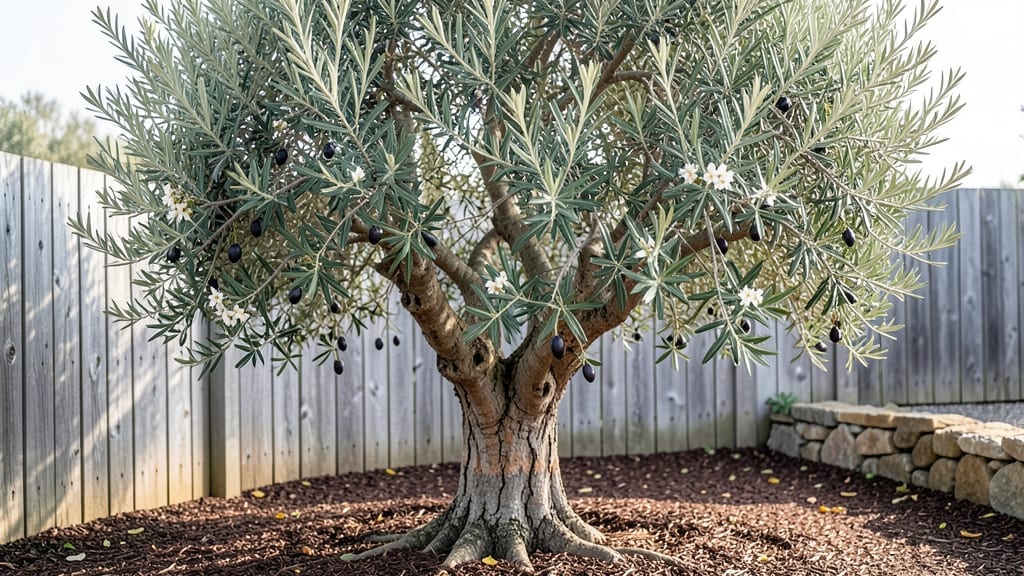
Pruning your hardy olive tree isn't just about shaping—it’s about survival in the Pacific Northwest’s chilly winters. 🌿 I’ve learned the hard way that skipping this step means brittle branches and stunted growth, but doing it right keeps your tree thriving year after year.
The key is timing, technique, and knowing which varieties handle frost best.
You’ll need sharp pruning shears, a ladder for taller trees, and a clear day to work—no soggy wood or frozen limbs. Start by removing dead or crossing branches first, then thin out the canopy to let light and air circulate.
Hardy varieties like ‘Arbequina’ or ‘Frantoio’ take pruning better than Mediterranean natives, so choose wisely if you’re in zones 7-9.
What you’ll end up with is a tree that looks stunning in spring and actually survives winter without damage. The branches will be stronger, the fruit production more reliable, and your tree will bounce back faster after storms.
Plus, you’ll avoid the heartbreak of seeing olive trees struggle when they don’t have to.
This method works for both young trees and mature ones, though older specimens need gentler pruning to avoid stress. Once you master the basics, you can experiment with shaping—just remember, less is often more with olives. Let’s get those branches looking sharp and your tree ready for another frost-free season.
📚 In This Guide
- What you need
- Instructions
- Tips and common mistakes
- Wrapping up and next steps
What you need
- ○ Pruning shears: Sharp, bypass-style shears (for clean cuts on small branches). Optional: Loppers (for thicker branches, ½"–1" diameter).
- ● Pruning saw: Curved-tooth saw for branches over 1" in diameter (e.g., Felco or Fiskars).
- ● Disinfectant (70% isopropyl alcohol or bleach solution): 1 part bleach to 9 parts water (to sterilize tools between cuts).
- ● Gloves: Heavy-duty, cut-resistant gloves (e.g., Mechanix or gardening-specific).
- ● Ladder or step stool: Sturdy, non-slip (extendable ladder recommended for tall trees).
- ● Tarp or drop cloth: Medium-sized (to catch debris and protect landscaping).
- ● Twine or zip ties: For temporary support if training young branches.
- ● Timing: Prune dormant olive trees in late winter/early spring (before new growth) or lightly after harvest (fall). Avoid pruning during frost warnings!
- ● Weather: Choose a dry, overcast day (humidity slows healing).
- ○ Safety gear: Optional but recommended: Safety glasses (for debris) and long sleeves/pants (to protect from thorns).
- ● Tree health check: Inspect for diseased or dead branches (remove these first to prevent spread).
Step-by-step guide to pruning hardy olive trees in cold climates
Here's how I keep my Pacific Northwest olives thriving through winter—with a few tricks to prevent frost damage.
✂️ Step 1: Time Your Pruning for Dormancy
Prune your hardy olive tree late winter or early spring, just as buds begin to swell but before new growth starts. In the Pacific Northwest, aim for February through March when nights are still cold but days are warming. This timing lets the tree heal before summer's heat arrives.
I always wait until after the worst frost warnings have passed. Pruning too early exposes fresh cuts to cold snaps, which can invite disease. Watch for the first yellow-green buds on branches—that's your cue to grab the shears. Never prune in fall or summer; olives hate fresh cuts during active growth.
✂️ Step 2: Remove Dead, Diseased, or Crossing Branches
Start by cutting out any dead wood—it's easy to spot as gray, brittle branches that snap when bent. Next, remove branches with disease signs like black spots or oozing sap. I use sterilized pruners to avoid spreading pathogens between cuts.
Look for branches growing toward the center of the tree or rubbing against others. These crossing branches compete for energy and create weak points. Cut them back to the nearest outward-facing bud. Make cuts at a 45-degree angle just above the bud to encourage proper healing. Never leave stubs—they rot and attract pests.
✂️ Step 3: Thin the Canopy for Airflow
Olives need good airflow to prevent fungal issues, especially in damp Pacific Northwest winters. Step back and visualize the tree's structure—aim to remove 20-30% of the smallest branches to open up the canopy. Focus on branches growing too close together or blocking sunlight from the center.
Use your hand as a guide: if a branch is thinner than your thumb, it's a candidate for removal. I always cut back to a strong lateral branch or bud. Avoid "lion's tailing" (cutting all leaves off a branch)—it stresses the tree. Instead, make clean cuts just above leaf nodes where new growth can emerge.
⏰ Step 4: Shape for Frost Resistance
Hardy olives handle cold better with an open, vase-like shape. Remove any low-hanging branches that touch the ground—these collect moisture and rot. Also, trim back the top slightly to create a broader, more stable silhouette that sheds snow better.
Pay special attention to the tree's scaffold branches (the main structural limbs). These should be spaced 6-12 inches apart along the trunk. If they're too close, select the strongest one and remove the weaker competitor. Never remove more than 25% of the tree's foliage in one season—olives are slow to recover from heavy pruning.
Tips & tricks for perfect hardy olive tree pruning
Pruning olive trees in our chilly Pacific Northwest climate takes some special know-how. Here's what I've learned after years of trial and error to keep my trees healthy and productive.
Timing is Everything: The February through March window is critical because it gives your tree time to heal before summer's heat arrives. I check the local frost warnings religiously—pruning too early when buds are still dormant can shock the tree. Look for those first yellow-green buds as your signal to start. If you miss this window, wait until early spring when buds are visibly swelling but haven't opened yet.
Tool Prep Matters: Sterilize your pruners between cuts using rubbing alcohol or a 10% bleach solution to prevent spreading disease. I also sharpen my blades before starting—dull tools crush branches instead of making clean cuts. For larger branches over 1 inch thick, use a pruning saw with a fine-toothed blade to avoid tearing the bark. Remember to disinfect your saw between trees if you're working with multiple olives.
Canopy Thinning Strategy: When removing 20-30% of the smallest branches, focus on creating an open vase shape that lets light penetrate to the center. I use the "hand test"—if a branch is thinner than my thumb, it's likely a candidate for removal. For thicker branches, cut back to a strong lateral branch or outward-facing bud. This technique prevents overcrowding while maintaining the tree's structural integrity for our wet winters.
Frost Protection Secret: After pruning, apply a thin layer of tree wound sealant to all cuts larger than 1/4 inch to prevent moisture loss and disease entry. For young trees, I wrap the trunk with burlap during our harshest winter months to protect against cold winds. This extra step has saved my trees from multiple winter dieback issues over the years.
Pro Tips for Hardy Olive Tree
- Pruning olive trees in our chilly Pacific Northwest climate takes some special know-how.
- Timing is Everything: The February through March window is critical because it gives your tree time to heal before summer's heat arrives.
- Tool Prep Matters: Sterilize your pruners between cuts using rubbing alcohol or a 10% bleach solution to prevent spreading disease.
Frequently asked questions
about pruning your hardy olive tree in the Pacific Northwest—because even resilient trees need a little TLC!When is the best time to prune a hardy olive tree in cold climates?
Prune your hardy olive tree late winter to early spring (February–March) before new growth starts. Avoid pruning in fall or winter, as cold snaps can stress the tree. If you must prune in late winter, do it before the first hard frost for optimal healing.
How much can I trim back a hardy olive tree without harming it?
You can safely remove up to 25-30% of the canopy per year without stressing the tree. Hardy olives are tough, but avoid over-pruning—focus on shaping, removing dead wood, and opening the center for airflow. Never remove more than 1/3 in a single season!
Can I prune a hardy olive tree in winter if it’s not frozen?
While hardy olive trees can tolerate light pruning in mild winters (above 20°F/-7°C), it’s still best to wait until late winter. Cold stress weakens the tree, making it more susceptible to disease. If you must prune in winter, do so on a warm, sunny day to minimize shock.
What should I do if my hardy olive tree’s branches die after pruning?
If branches die back after pruning, it may be due to over-pruning, frost damage, or disease. Trim the dead wood back to healthy growth, then apply a copper fungicide if fungal issues are suspected. Hardy olives often recover well—just avoid heavy cuts next time!
Are there alternatives to pruning if my hardy olive tree is small or young?
For young or small trees, focus on shaping rather than heavy pruning. Use selective trimming to encourage strong branching and avoid "topping" (cutting back to a stub). If the tree is still establishing roots, minimal pruning (just removing dead wood) is best. Let it grow naturally for the first few years!
Wrapping up and next steps
Pruning your hardy olive tree in the Pacific Northwest doesn’t have to be intimidating—it’s all about timing, technique, and a little patience! 🌿 With the right tools and knowledge, you’ll not only enhance its frost resistance but also promote lush, healthy growth.
Whether you’re a seasoned gardener or just starting out, these tips will help you master the art of pruning.
Ready to give your olive tree the care it deserves? Start small—pick one section to prune this season, and build your confidence as you go. Before you know it, you’ll have a thriving, resilient tree that’s the star of your garden! 🌟