Pruning
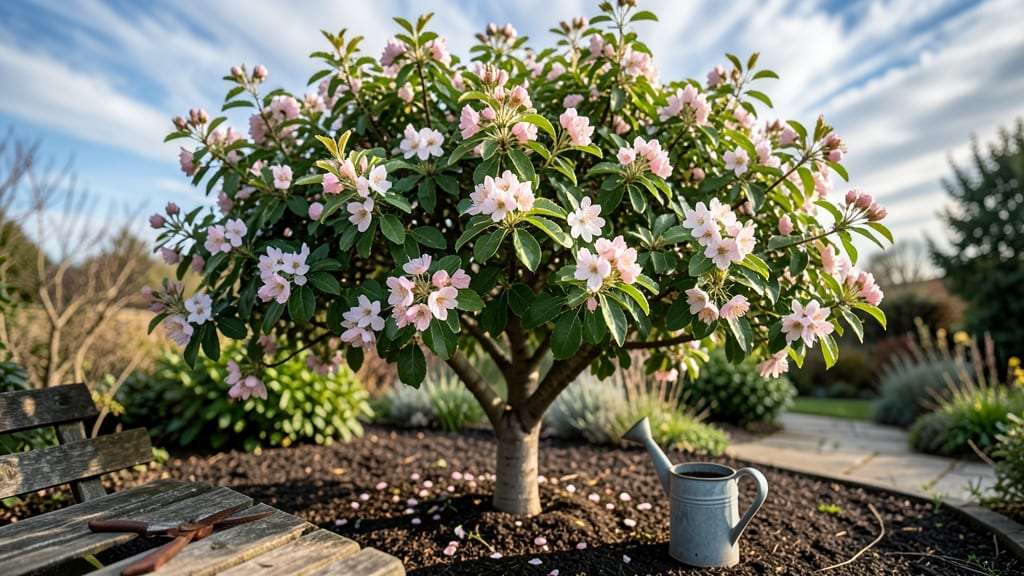
Planting a flowering crabapple tree in your Pacific Northwest yard means waking up to clouds of pink and white blossoms every spring. 🌸 I’ve watched mine transform from a bare-branched sapling to a showstopper that outshines every neighbor’s yard—because the secret isn’t just planting, it’s pruning right for our damp, chilly winters.
The first year, I nearly killed mine by pruning too late, but now I’ve got a system that keeps it thriving through frost and rain.
These trees love well-draining soil and full sun, but they’re tough enough to handle our region’s acidic, clay-heavy earth if you mix in some compost. Water deeply once a week after planting, then let nature take over—they’re drought-tolerant once established.
The real magic happens in late winter, when you prune out dead wood and shape the tree before buds swell. Just avoid cutting into old wood, or you’ll stunt next year’s blooms.
By summer, you’ll have a canopy of glossy green leaves and clusters of tiny apples (edible but tart—great for wildlife). The best part? Minimal pests and diseases if you keep the tree open for airflow.
I’ve had mine for five years now, and it’s become the centerpiece of my garden, drawing hummingbirds and bees all season long.
Whether you’re a beginner or a seasoned gardener, this tree delivers year after year with almost no fuss. The key is that first pruning—get it right, and you’ll have blooms for decades. Ready to add some old-school charm to your landscape?
📚 In This Guide
- What you need
- Instructions
- Tips and common mistakes
- Wrapping up and next steps
What you need
- ● Pruning shears (bypass type): Sharp, clean, and disinfected (70% isopropyl alcohol works great!). Size: 6–8" blades for small branches.
- ● Loppers: For thicker branches (up to 2" diameter). Quantity: 1 pair (ergonomic handles recommended!).
- ● Pruning saw: For branches thicker than 2". Type: Bow saw or curved blade for precision.
- ● Gloves: Heavy-duty, cut-resistant (e.g., Mechanix or Wells Lamont) to protect against thorns and splinters.
- ● Ladder or step stool: Sturdy, non-slip, and tall enough to reach the tree’s canopy safely.
- ○ Disinfectant (optional but recommended): 1 part bleach to 9 parts water (for sterilizing tools between cuts).
- ○ Pruning sealant (optional): Tree wound dressing (e.g., Tanglefoot Tree Wound Pruning Seal) for large cuts.
- ● Safety gear: Safety glasses and long sleeves/pants to avoid scratches or debris.
- ● Weather check: Prune on a dry, frost-free day (ideal temps: 40–60°F).
- ● Tree ID confirmation: Ensure it’s a flowering crabapple (not a fruit-bearing variety) to avoid accidental removal of blooms!
- ● Cleanup supplies: Trash bag (for debris) and rake (for collecting fallen branches).
- ○ Notebook & pen (optional): To sketch the tree’s structure before/after pruning.
Step-by-step guide to pruning your flowering crabapple tree
Here's how to keep your Pacific Northwest beauty thriving through winter and spring.
✂️ Step 1: Time Your Pruning for Frost Resilience
Prune your flowering crabapple tree late winter to early spring, just as buds begin to swell but before new growth starts. This timing ensures you remove dead wood while preserving next season's blossoms. I always aim for February to March in the Pacific Northwest, when frost is still possible but the tree has entered dormancy.
Here's the thing—if you prune too early, you risk exposing fresh cuts to harsh winter winds that can dry out the wood. Wait until your area's last frost date has passed but before leaves emerge. You'll know it's time when you see buds starting to plump up along the branches.
🌿 Step 2: Remove Dead, Diseased, and Crossing Branches
Start by cutting out any dead, broken, or diseased branches using clean, sharp pruners. These branches won't produce flowers and can harbor pests. Make your cuts just outside the branch collar—the swollen area where the branch meets the trunk. This ensures proper healing and prevents unsightly stubs.
Next, look for branches that cross or rub against each other. These often create wounds that invite disease. Remove the smaller of the two branches at its point of origin. You'll notice healthier branches have smooth bark and vibrant color—keep those and eliminate anything that looks weak or damaged.
☀️ Step 3: Thin the Canopy for Better Light Penetration
Step back and examine the tree's overall shape. Flowering crabapples need good airflow and sunlight to produce abundant blooms. Remove 10-20% of the tree's total branches, focusing on those growing inward or downward. These branches block light from reaching the center of the tree.
Use your hand as a guide—if you can't see light filtering through the canopy when standing 10 feet away, you need to thin more. Make your cuts just above an outward-facing bud to encourage new growth in the right direction. You'll see immediate improvement in next year's flowering when light reaches all parts of the tree.
⏰ Step 4: Shape for Structure and Future Blooms
Now focus on maintaining the tree's natural shape while promoting future flowering. Flowering crabapples bloom on both old and new wood, so avoid heavy pruning that removes too many mature branches. Instead, make small cuts to encourage a balanced, open structure.
For young trees, prune to establish a strong central leader and well-spaced scaffold branches. For mature trees, limit yourself to no more than 25% of the tree's canopy in any single pruning session. You'll know you've done well when the tree has an open, vase-like shape that lets sunlight reach all branches.
Tips & tricks for perfect flowering crabapple pruning
Here's what I've learned after years of pruning these stunning Pacific Northwest trees—details that make all the difference for your tree's health and beauty.
Timing is Everything: That February-to-March window is critical because it balances frost protection with new growth readiness. I check the local frost forecast and wait until buds visibly swell—usually when they're about the size of a pea. If you prune too early, you expose fresh cuts to winter damage, and if you wait too long, you risk removing next year's flower buds.
Tool Prep Prevents Problems: Clean, sharp pruners are non-negotiable—dull blades tear wood, creating larger wounds that heal poorly. I disinfect my tools with rubbing alcohol between cuts to prevent spreading disease from any infected branches you might encounter. For larger branches, use loppers or a pruning saw, always making clean cuts just outside the branch collar.
Visual Cues Over Guesswork: When thinning the canopy in Step 3, stand 10 feet back and hold up your hand. If you can't see light filtering through the gaps between your fingers, you need to remove more branches. Aim for an open, vase-like shape—this isn't about making the tree look like a topiary, but about letting sunlight reach all branches for maximum blooms next spring.
Mature Tree Strategy: For established trees, remember the 25% rule—never remove more than a quarter of the canopy in one session. I spread my pruning over 2-3 years if needed, focusing on different sections annually. This gradual approach prevents stress and maintains the tree's natural flowering cycle, which depends on both old and new wood.
Pro Tips for Flowering Crabapple Tree
- Here's what I've learned after years of pruning these stunning Pacific Northwest trees—details that make all the difference for your tree's health and beauty.
- Timing is Everything: That February-to-March window is critical because it balances frost protection with new growth readiness.
- Tool Prep Prevents Problems: Clean, sharp pruners are non-negotiable—dull blades tear wood, creating larger wounds that heal poorly.
Frequently asked questions
Got questions about your flowering crabapple tree? You’re not alone! Here are answers to the most common queries from Pacific Northwest gardeners—plus tips to keep your tree thriving year-round.
When is the best time to prune a flowering crabapple tree in the PNW?
Prune your tree late winter or early spring (February–March) when it’s still dormant but before buds break. This timing promotes strong growth and minimizes disease risk. Avoid pruning in fall—it can stimulate tender new growth that won’t survive winter frosts.
How much can I trim back a flowering crabapple tree?
Remove no more than 25% of the tree’s canopy in one season to avoid stress. Focus on:
- Dead, diseased, or crossing branches
- Suckers or water sprouts (vertical shoots)
- Overcrowded branches to improve airflow
Why are my crabapple leaves turning yellow or dropping?
Yellow leaves often signal nutrient deficiencies (like iron or nitrogen) or fire blight (a bacterial infection). Check for:
- Yellowing between veins: Likely iron chlorosis (common in alkaline soil). Amend soil with compost or chelated iron.
- Blackened, wilted branches: Fire blight. Prune infected branches 6 inches below the damage and sterilize tools with rubbing alcohol.
- General thinning: Normal in early spring before new growth starts.
Can I grow a flowering crabapple tree in a container?
While possible, they’re not ideal for containers due to their size (15–25 ft tall/mature). If you must, choose a dwarf variety (like ‘Adirondack’) and use a large pot (20+ gallons) with drainage holes. Repot every 2–3 years and prune aggressively to control growth.
Are crabapple fruits edible, or are they just for looks?
Crabapples are not sweet or juicy like eating apples—they’re tart and small (½–1 inch). However, they’re edible (raw or cooked) and loved by birds! Some varieties (like ‘Dolgo’) are bred for fruit, but most are grown for ornamental blooms and fall color. Avoid eating if sprayed with pesticides—wait 30+ days after treatment.
How do I protect my crabapple tree from PNW rain and wind?
Pacific Northwest weather can stress trees, but crabapples are naturally resilient. To help:
- Plant in well-draining soil (amend clay with compost).
- Stake young trees temporarily (1–2 years) to prevent wind rock.
- Apply a 2–3 inch mulch layer (keep it 6 inches from the trunk) to retain moisture.
- Choose wind-resistant varieties like ‘Snowdrift’ or ‘Royalty.’
Wrapping up and next steps
The flowering crabapple tree is a stunning, low-maintenance addition to any Pacific Northwest landscape—especially when pruned with care to thrive in frost-prone climates. 🌸 With the right tools, timing, and techniques, you’ll ensure vibrant blooms, strong structure, and long-term health. Ready to transform your yard into a seasonal showstopper?
Your next step? Roll up your sleeves and get pruning! Start small—even just shaping a few branches can make a difference. For extra confidence, revisit our FAQs or consult a local arborist. Happy gardening! 🌿