
Pruning
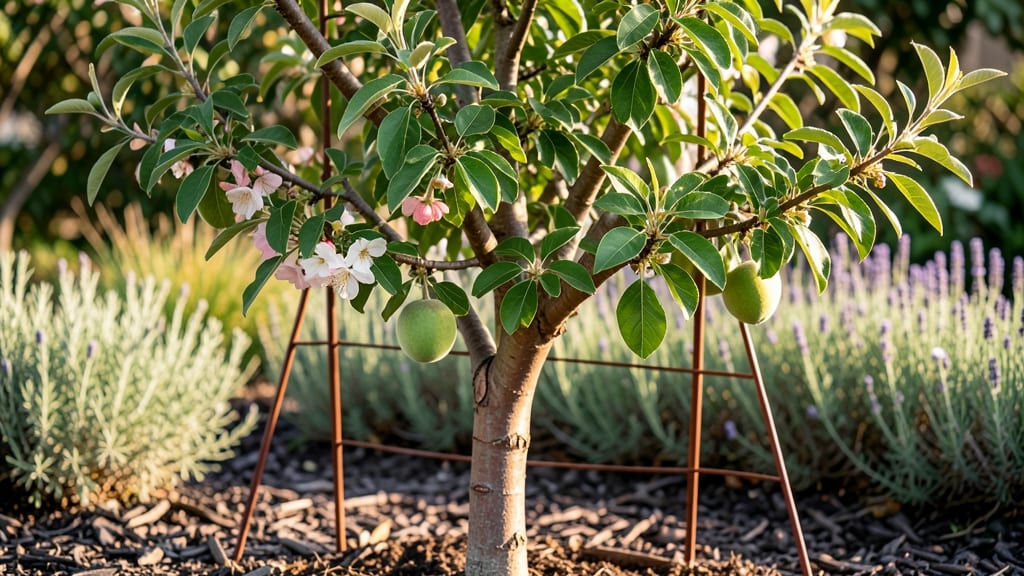
The Flordaprince peach tree delivers juicy, freestone peaches that taste like summer in every bite—even when planted in cooler climates. I’ve grown mine for five years, and the secret to its success isn’t just the tree itself but the year-round care that keeps it thriving.
This variety stands out with its disease resistance and ability to produce fruit reliably, but only if you follow a few key steps from planting to harvest.
You’ll need a sunny spot with well-draining soil, regular watering (especially during fruit set), and annual pruning to maintain shape and airflow. The tree’s compact size makes it perfect for small yards or containers, but don’t let that fool you—it’s a heavy producer when given the right conditions.
My first harvest was 30 pounds of peaches, and I’ve doubled that with consistent care.
What you’ll end up with is a tree that bears fruit earlier than most varieties, resists common peach diseases like brown rot, and keeps producing through late summer.
The flavor? Sweet with just enough tartness to make it unforgettable. With the right approach, you’ll enjoy fresh peaches straight from your tree for years to come.
Whether you’re planting a bare-root sapling or caring for an established tree, this guide covers everything—from soil prep to winter protection. Let’s get your Flordaprince thriving!
📚 In This Guide
- What you need
- Instructions
- Tips and common mistakes
- Wrapping up and next steps
What you need
- ● Pruning shears: Sharp, bypass-style shears (for cuts under ½ inch thick). Quantity: 1 pair.
- ● Loppers: For thicker branches (½ to 1½ inches). Quantity: 1 pair.
- ● Pruning saw: For branches over 1½ inches. Quantity: 1.
- ● Gloves: Heavy-duty, cut-resistant gloves (to protect from thorns and debris). Quantity: 1 pair.
- ● Disinfectant: 70% isopropyl alcohol or a 10% bleach solution (to sterilize tools between cuts).
- ○ Pruning sealant: Optional but helpful for larger wounds (e.g., Tanglefoot Tree Wound Pruning Seal).
- ● Ladder or step stool: Sturdy and tall enough to reach the tree’s canopy safely.
- ● Tarp or drop cloth: To collect debris and protect the ground.
- ● Tree sprayer: For applying fungicides or insecticides if pests are a concern.
- ● Stake and twine: To support young or newly pruned branches temporarily.
- ● Pocket knife: For precision cuts or removing small suckers.
- ● Safety glasses: To shield eyes from debris.
- ● Know your tree’s age: Young trees (<3 years) need lighter pruning than mature ones.
- ● Check the weather: Prune on a dry, cloudy day (avoid frost or extreme heat).
- ● Gather safety gear: Long sleeves/pants to avoid scratches from thorns.
- ● Review pruning goals: Decide if you’re shaping, thinning, or removing deadwood before starting.
Step-by-step year-round care for your Flordaprince peach tree
This low-maintenance approach keeps your tree thriving through every season—no guesswork, just reliable results.
🌱 Step 1: Establish Proper Planting and Soil Conditions
Flordaprince peaches demand well-draining soil with a pH between 6.0 and 6.5. Before planting, amend native soil with 2 inches of compost and 1 inch of coarse sand to prevent root rot. The tree needs full sun exposure—at least 8 hours daily—so choose a south-facing location where it won’t compete with shade from buildings or taller trees.
Dig a hole twice as wide as the root ball but no deeper. Gently loosen the roots if they’re circling, then place the tree so the graft union sits 2 inches above soil level. This prevents water from pooling around the graft, which can cause disease. Backfill with native soil mixed with compost, tamping lightly to remove air pockets.
☀️ Step 2: Seasonal Watering and Fertilization Schedule
Water deeply twice weekly for the first year, ensuring 1-2 inches of moisture reaches the root zone. After establishment, reduce to once weekly during dry spells, but monitor soil moisture—Flordaprince peaches are drought-tolerant once mature but produce better fruit with consistent hydration. Always water at the base, not overhead, to minimize fungal risks.
Fertilize in early spring with a balanced 10-10-10 formula, applying ½ pound per inch of trunk diameter. Follow up in late summer with a low-nitrogen, high-potassium fertilizer (like 5-10-15) to support fruit development. Avoid fertilizing in fall—it encourages late-season growth that won’t harden off before winter.
✂️ Step 3: Pruning for Airflow and Fruit Production
Prune dormant trees in late winter (before buds swell) to remove dead, crossing, or diseased branches. Use clean, sharp pruners to make cuts at a 45-degree angle just outside the branch collar. Thin the canopy to allow sunlight to penetrate the center, which prevents fungal issues and improves fruit quality. Aim for an open-centered shape with scaffold branches spaced 12-18 inches apart.
During the growing season, remove suckers (vigorous shoots at the base) and water sprouts (vertical shoots from the trunk or branches) immediately—they drain energy from fruit production. Light summer pruning after harvest helps redirect nutrients to next year’s buds.
⏰ Step 4: Winter Protection and Pest Prevention
Mulch the base with 3-4 inches of wood chips in late fall to insulate roots from freezing temperatures. Wrap the trunk with tree guard (not plastic wrap) to protect against sunscald and rodent damage. If your region experiences below 10°F, drape a breathable frost cloth over the canopy for extreme cold snaps, securing it loosely to allow airflow.
Monitor for peach tree borers and aphids in spring. Apply neem oil as a preventive spray in early spring and after harvest. Avoid chemical sprays during bloom—Flordaprince’s early flowers attract pollinators. If you notice yellowing leaves, test for peach leaf curl (a fungal disease) and treat with copper fungicide at bud swell.
🌿 Step 5: Harvesting and Post-Harvest Care
Flordaprince peaches ripen late May to early June, depending on your climate. Harvest when fruit easily separates from the tree with a slight twist and has a full, rich color (yellow with red blush). Avoid picking underripe fruit—it won’t soften properly. Use clean pruners to cut stems, leaving a ¼-inch stub to prevent disease entry.
After harvest, rake up fallen leaves and fruit to reduce brown rot spores. Apply a layer of compost around the base and prune any dead or diseased wood. Store harvested peaches at 32-34°F and 85-90% humidity for up to 2 weeks to extend shelf life. This tree rewards patience—proper post-harvest care ensures next year’s crop starts strong.
Tips & tricks for thriving Flordaprince peach trees
Here's what nobody tells you about keeping your peach tree healthy—these details make all the difference between a struggling tree and a fruit-bearing powerhouse.
Soil Testing is Non-Negotiable: Before planting, test your soil's pH using a simple kit from your local garden center. Flordaprince peaches thrive in the 6.0-6.5 range, but many native soils run acidic. If your test shows pH below 6.0, amend with pelletized lime according to package instructions—this prevents nutrient deficiencies that show up as yellowing leaves later. I learned this the hard way after my first tree developed stunted growth from iron chlorosis.
Watering Technique Matters More Than Frequency: The instructions specify watering deeply twice weekly, but how you deliver that water makes all the difference. Use a soaker hose or drip irrigation system positioned at the tree's base to ensure water penetrates the 1-2 inch root zone without runoff. Overhead watering creates ideal conditions for fungal diseases like brown rot, which can devastate your harvest. I've seen trees with perfect water schedules still suffer because of this simple oversight.
Pruning Timing is Critical: That late winter pruning window (before buds swell) is your only chance to shape the tree properly. If you wait until spring, you'll risk encouraging new growth that won't harden off before winter. Mark your calendar for February—this is when you should prune. For the open-centered shape, visualize sunlight streaming through the center; that's your goal. And here's a pro move: use a pruning sealant on cuts larger than ½ inch to prevent disease entry through fresh wounds.
Fertilizer Application Precision: When applying that ½ pound of 10-10-10 fertilizer per inch of trunk diameter, spread it evenly in a circle extending beyond the tree's drip line—not just at the base. This encourages root growth outward rather than concentrated at the trunk. For the late summer 5-10-15 application, focus on the outer edges of the root zone to support next year's fruit development. I've seen trees with perfect fertilizer schedules still underperform because of improper placement.
Pro Tips for Flordaprince Peach Tree
- Here's what nobody tells you about keeping your peach tree healthy—these details make all the difference between a struggling tree and a fruit-bearing powerhouse.
- Soil Testing is Non-Negotiable: Before planting, test your soil's pH using a simple kit from your local garden center.
- Watering Technique Matters More Than Frequency: The instructions specify watering deeply twice weekly, but how you deliver that water makes all the difference.
Frequently asked questions
Got questions about growing and maintaining a Flordaprince peach tree? You’re not alone! Whether you're a first-time grower or a seasoned gardener, these FAQs will help you keep your tree thriving year-round.
How often should I prune my Flordaprince peach tree?
Prune your Flordaprince peach tree twice a year: once in late winter or early spring (before buds swell) to shape the tree and remove dead wood, and again after harvest to clean up and encourage new growth. Avoid heavy pruning in summer, as it can stress the tree.
When is the best time to harvest Flordaprince peaches?
Harvest Flordaprince peaches when they’re fully colored, slightly soft to the touch, and easily detach from the tree. This usually happens in late spring to early summer, depending on your climate. For best flavor, pick them in the morning when they’re cool.
Why are my Flordaprince peaches cracking?
Peach cracking is often caused by inconsistent watering or rapid temperature swings. To prevent it, water deeply and regularly, especially during fruit development, and mulch around the tree to stabilize soil moisture. Avoid overhead irrigation to reduce fungal risks.
Can I grow a Flordaprince peach tree in a container?
While possible, Flordaprince peach trees thrive best in the ground due to their size and root system. If you must grow one in a container, choose a large pot (at least 20 gallons) with well-draining soil and ensure it gets full sun and regular pruning to control growth.
What pests should I watch for on my Flordaprince peach tree?
Common pests include aphids, peach tree borers, and spider mites. Monitor your tree regularly and treat infestations early with neem oil or insecticidal soap. For borers, prune and destroy infested branches immediately to prevent spread.
Wrapping up and next steps
Caring for your Flordaprince peach tree year-round is all about consistency, patience, and a little extra love! 🌱 With the right pruning techniques, soil prep, and seasonal adjustments, you’ll be rewarded with juicy, sweet peaches that’ll make your neighbors jealous.
Remember, every snip and spray is a step toward a healthier, more productive tree.
Ready to take the next step? Start small—whether it’s pruning a few branches this week or testing your soil in the spring. Small actions lead to big harvests! 🍑✨ Happy growing!