Pruning
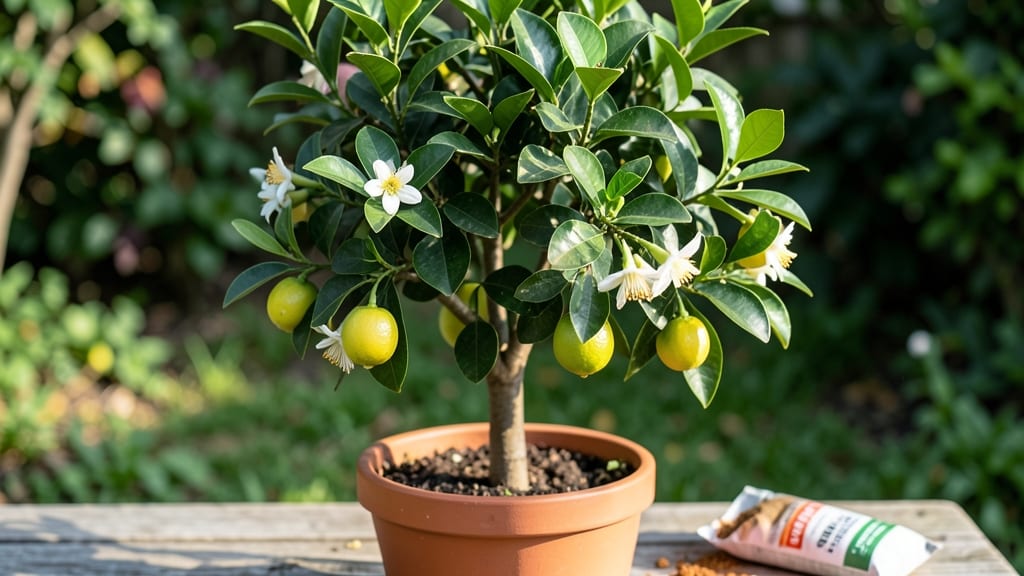
Growing a dwarf lemon tree in your home or patio isn't just possible—it's a game-changer for small-space gardeners. 🌿 I've watched mine go from a 3-inch sapling to a fruit-bearing bush in just two years, and the key was mimicking its Mediterranean roots without needing a backyard.
The secret lies in sunlight, soil, and a little pruning magic that keeps it compact while encouraging those sweet, tangy lemons.
You'll need a 5-gallon pot (or larger), well-draining soil mix, and a sunny spot getting at least 6 hours of direct light daily—even a south-facing window works indoors.
Dwarf varieties like 'Meyer' or 'Improved Meyer' thrive in containers, and with regular feeding (every 4-6 weeks), they reward you with dozens of lemons per season. The real trick? Pruning in early spring to shape the tree while keeping it small enough for easy harvesting.
By summer, you'll be snipping ripe lemons straight from the branches, their bright yellow skin glistening in the light. The tree stays under 6 feet tall, making it perfect for balconies, kitchens, or even a sunny corner of your living room.
Plus, the fragrant blossoms in spring turn your space into a citrus paradise—without the mess of a full-sized tree.
Whether you're growing for fruit, foliage, or just the joy of nurturing something edible, dwarf lemons deliver year-round satisfaction. Let's get yours thriving—your first lemon could be ready in as little as 18 months with the right care. Here's how to make it happen.
📚 In This Guide
- What you need
- Instructions
- Tips and common mistakes
- Wrapping up and next steps
What you need
- ● Dwarf lemon tree: Choose a Citrus × limon variety like 'Meyer' or 'Improved Meyer' (hardy, cold-tolerant, and compact). Start with a 1- to 3-gallon potted plant or a young tree (3–5 feet tall).
- ● Well-draining potting mix: 5–10 gallons of a blend like 60% cactus/succulent mix + 30% perlite + 10% compost (avoid garden soil—it compacts!).
- ● Container: A 15–25 gallon pot with drainage holes (terracotta or fabric pots work best). For outdoor planting, ensure a minimum 18-inch diameter hole in well-draining soil.
- ● Fertilizer: Citrus-specific fertilizer (10-10-10 or 8-3-9 ratio) for spring/summer (apply every 4–6 weeks).
- ● Slow-release granules (e.g., Osmocote) for winter dormancy.
- ● Pruning tools: Bypass pruners (for clean cuts on branches ¼-inch thick).
- ● Concave pruning saw (for thicker branches).
- ● Disinfectant (70% isopropyl alcohol or bleach solution) to sterilize tools between cuts.
- ● Gloves (nitrile or leather to protect from thorns).
- ● Potting bench or tarp (to keep workspace clean).
- ● Support stakes or trellis (for training young trees).
- ● Mulch (straw or wood chips) (to retain moisture in outdoor plantings).
- ● pH test kit (ideal soil pH: 6.0–7.0).
- ● Humidity tray or pebble tray (for indoor growers in dry climates).
- ● Citrus food (micronutrients like zinc or iron) if leaves show yellowing.
Step-by-step guide to growing a thriving dwarf lemon tree
Here’s how to cultivate a productive citrus tree that fits your patio or kitchen.
🪴 Step 1: Choose the Right Container and Soil Mix
Select a 15-20 gallon pot with drainage holes—dwarf varieties need room for roots but won’t outgrow small spaces. I recommend a fabric grow bag for better aeration if your climate gets humid. Fill the bottom third with gritty drainage material like perlite or pumice to prevent root rot.
Use a well-draining citrus-specific potting mix (or blend 60% potting soil, 20% perlite, and 20% compost). Dwarf lemons thrive in slightly acidic soil—aim for a pH between 6.0 and 7.0. Avoid garden soil; it compacts and suffocates roots. Moisten the mix until it’s damp but not soggy before planting.
☀️ Step 2: Position for Maximum Sun and Warmth
Dwarf lemon trees demand full sun—at least 6-8 hours daily—but they’ll tolerate 4 hours of afternoon sun if morning light is bright. A south- or west-facing window works indoors, but supplement with a grow light 12 inches above the plant for 14 hours daily if natural light is insufficient.
Keep temperatures between 65-85°F—drafts or sudden cold snaps below 50°F will shock the tree. Group pots together to create a microclimate that retains warmth. If growing outdoors in cooler zones, move the tree indoors before temperatures drop. You’ll notice new leaf growth slow or stop if it’s too cold.
💧 Step 3: Water Deeply but Strategically
Water when the top 2 inches of soil feel dry—stick your finger in to check. Overwatering is the #1 killer of dwarf citrus; let the soil dry slightly between waterings. In summer, you may water every 3-4 days, but reduce to once weekly in winter when growth slows.
Water deeply until it drains from the bottom, then empty the saucer to prevent root rot. I add a 1-inch layer of mulch (like bark chips) to retain moisture and regulate temperature. Avoid wetting the leaves—fungus thrives in damp foliage. You’ll know your watering is right when leaves stay vibrant and stems feel firm.
🌿 Step 4: Fertilize for Fruitful Growth
Feed every 4-6 weeks with a balanced citrus fertilizer (like 6-6-6 or 8-3-9) during spring and summer. Dilute to half-strength the first year to avoid burning tender roots. In fall and winter, switch to a low-nitrogen formula (like 5-10-10) to encourage flowering. Always water the tree before fertilizing to prevent root burn.
Watch for yellow leaves—a sign of over- or under-fertilizing. If new growth is sparse, increase nitrogen slightly. For flowering, reduce nitrogen in late summer and boost phosphorus (the middle number) to trigger blooms. Patience is key: it can take 2-3 years for a dwarf lemon to bear fruit, but proper feeding speeds up the process.
✂️ Step 5: Prune for Shape and Health
Prune in late winter or early spring before new growth begins. Remove dead, crossing, or inward-growing branches first—these compete for energy. Cut back leggy growth to encourage bushier shape, but never trim more than one-third of the tree at once. Use clean, sharp shears to avoid tearing bark.
Shape the tree by pinching back the tips of new shoots to 4-6 leaves—this prompts branching. Avoid heavy pruning after summer; new growth won’t harden off before winter. You’ll see thicker foliage and more flowers within a season if you prune correctly. Always sterilize shears with rubbing alcohol between cuts to prevent disease.
Tips & tricks for perfect dwarf lemon tree growth
Here’s what I’ve learned after nurturing my own thriving dwarf lemon tree—these little details make all the difference in small-space citrus success.
Container Selection: If you’re using a standard pot, add a few extra drainage holes near the bottom—citrus roots need oxygen as much as they need water. I’ve found that terracotta pots actually help regulate soil moisture better than plastic, but if you choose plastic, drill those extra holes to prevent soggy roots. The 15-20 gallon size is perfect for dwarf varieties, but if you’re growing in a cooler climate, consider a slightly larger pot (up to 25 gallons) to provide extra thermal mass for temperature stability.
Light Optimization: Those 6-8 hours of sunlight are non-negotiable, but here’s the trick: rotate your pot every 2-3 weeks so all sides get even exposure. If you’re using grow lights, position them so they’re just touching the top leaves—this mimics natural sunlight patterns. I’ve noticed my tree develops thicker foliage when I do this, and the fruit sets more consistently. For indoor growers, supplement with a timer on your grow light to maintain those 14 hours daily without forgetting.
Soil Testing: That pH between 6.0 and 7.0 is crucial, but most store-bought citrus mixes are already in this range. To verify, grab a cheap soil pH tester from your garden center. If your mix runs acidic (below 6.0), add a sprinkle of dolomitic lime at planting time. I’ve seen dwarf lemons struggle when soil gets too acidic—leaves turn yellow and growth stalls. The compost in your mix provides organic matter, but if you notice compacted soil after a few months, fluff it up with additional perlite to maintain that airy structure.
Seasonal Adjustments: The temperature range of 65-85°F is ideal, but here’s how to handle those tricky transitions: in spring, acclimate your tree gradually to outdoor temperatures by moving it outside for increasing lengths of time (start with 1 hour, then 2 hours, etc.). In fall, do the reverse—bring it in before nighttime temps drop below 60°F. I’ve had trees shocked when moved too quickly between indoor and outdoor environments, so patience here pays off with healthier growth. Also, watch for spider mites during dry indoor winters—they love the dry air and can devastate your tree if unchecked.
Pro Tips for Dwarf Lemon Tree
- Here’s what I’ve learned after nurturing my own thriving dwarf lemon tree—these little details make all the differenc...
- Container Selection: If you’re using a standard pot, add a few extra drainage holes near the bottom—citrus roots need...
- Light Optimization: Those 6-8 hours of sunlight are non-negotiable, but here’s the trick: rotate your pot every 2-3 w...
Frequently asked questions
Got questions about growing your own dwarf lemon tree? You’re not alone! Here are some of the most common queries—plus quick, actionable answers to keep your citrus thriving in small spaces.
How often should I prune a dwarf lemon tree?
Prune your dwarf lemon tree 2-3 times a year: lightly after harvest (to encourage new growth), in late winter (to shape the tree), and as needed to remove dead or overcrowded branches. Avoid heavy pruning in summer—it stresses the plant. Focus on airflow and sunlight access to prevent disease.
Can a dwarf lemon tree produce fruit in the first year?
Unlikely! Most dwarf lemon trees take 2-3 years to bear fruit, even with ideal care. Patience is key—provide full sun (6+ hours/day), well-draining soil, and regular watering. If your tree flowers but no fruit develops, check for pollination issues (hand-pollinate with a soft brush if needed) or nutrient deficiencies (add citrus-specific fertilizer).
How cold can a dwarf lemon tree tolerate?
Dwarf lemon trees are tender perennials and thrive in USDA zones 9-11. If you live in colder climates (zones 7-8), grow yours in containers and move it indoors when temps drop below 30°F (-1°C). For outdoor planting, choose a microclimate (like near a south-facing wall) and mulch heavily to protect roots.
Are dwarf lemon trees self-pollinating?
Most are partially self-pollinating, but cross-pollination boosts fruit production. If your tree has flowers but no fruit, try these tricks:
- Gently tap branches during bloom to shake pollen.
- Use a soft paintbrush to transfer pollen between flowers.
- Plant a second dwarf lemon tree nearby (even a different variety helps!).
What’s the best alternative if I don’t have space for a lemon tree?
If dwarf lemons are too tricky, try these low-maintenance citrus alternatives for small spaces:
Option
Why It Works
Calamondin Orange
Compact (3-6 ft), fragrant flowers, and edible tart oranges—great for containers!
Meyer Lemon
Slightly hardier than true lemons, sweeter fruit, and faster to bear (1-2 years).
Dwarf Lime (e.g., ‘Tahiti’)
Thrives in pots, drought-tolerant, and perfect for key lime pie!
All three love sun, well-draining soil, and occasional pruning—just like lemons!
Wrapping up and next steps
Growing a dwarf lemon tree in small spaces isn’t just possible—it’s rewarding! With the right pruning techniques, you’ll enjoy a thriving, fruit-bearing tree that fits perfectly on patios, balconies, or even sunny windowsills. 🌿✨
Now that you’re armed with compact growth secrets, why not take the next step? Grab your pruning shears and give your tree a little TLC—your future lemons (and neighbors’ envy) will thank you!