
Pruning
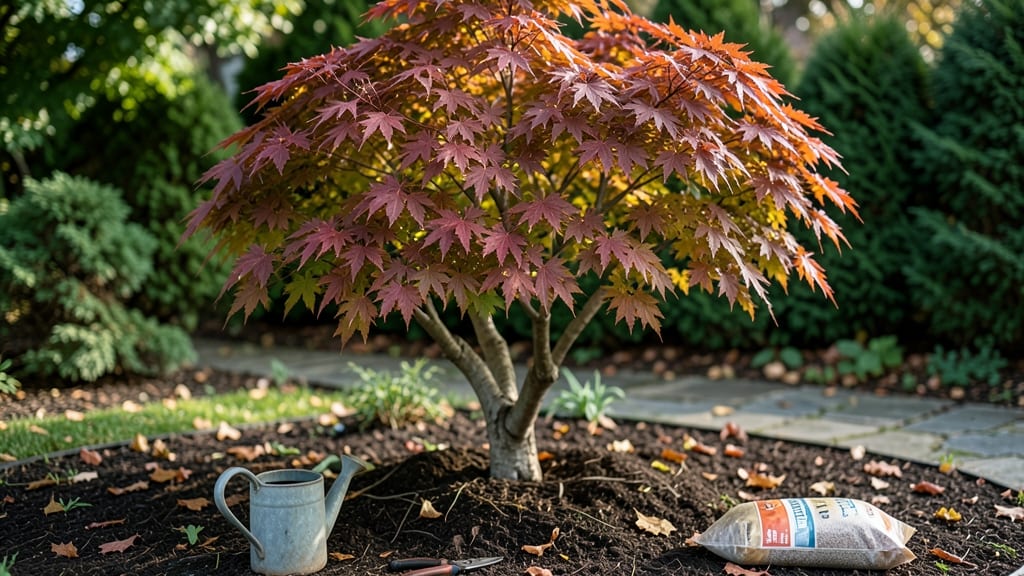
The cutleaf maple tree thrives in Pacific Northwest gardens with its delicate, fern-like foliage that dances in the breeze. I planted mine last spring, and now it’s the star of my shade garden—its vibrant green leaves turning fiery red in autumn.
This tree isn’t just pretty; it’s tough, handling rain, wind, and even urban pollution better than most.
Pacific Northwest’s mild, wet climate suits it perfectly, but it still needs the right spot: partial shade and well-draining soil. My tree sits near a cedar hedge where morning sun warms the leaves without scorching them.
The key is keeping the soil moist but not soggy—mulch helps retain moisture while protecting roots from winter chill.
With proper care, your cutleaf maple will reward you with year-round interest: spring’s fresh growth, summer’s lacy leaves, fall’s fiery hues, and even winter’s skeletal beauty. Prune lightly in late winter to shape it, and avoid heavy cuts—this tree’s charm lies in its natural elegance.
Perfect for small gardens, containers, or as a focal point in larger landscapes. Once established, it’s low-maintenance but high-impact—exactly the kind of tree that makes neighbors stop and admire your yard. Let’s get yours growing strong!
📚 In This Guide
- What you need
- Instructions
- Tips and common mistakes
- Wrapping up and next steps
What you need
- ● Pruning shears: Bypass pruners (for small branches, ¼”–1” diameter)
- ● Loppers: 1 pair (for medium branches, 1”–2” diameter)
- ● Pruning saw: 1 curved-tooth saw (for thick branches, 2”+ diameter)
- ● Extension pole: 1 (6–10 ft) with saw attachment (for high branches)
- ● Gloves: 1 pair of heavy-duty, cut-resistant gloves
- ● Safety glasses: 1 pair (to shield from debris)
- ● Disposable pruning bags: 2–3 (for collecting debris)
- ● Rubbing alcohol (70%+) or bleach solution: 1 bottle (for sterilizing tools)
- ○ Tree wound dressing: 1 tube (optional, for larger cuts 2”+ diameter)
- ● Weather check: Prune on a dry, cool day (avoid frost or extreme heat)
- ● Research: Know your tree’s growth habits and timing needs (e.g., late winter for cutleaf maples)
- ● Safety brief: Clear a 10-ft radius around the tree and wear sturdy footwear
- ● Local regulations: Check if your area requires permits for large tree work
- ● Ladder: 1 sturdy, extendable ladder (for taller trees, 20+ ft)
- ● Tree climbing gear: Harness + spikes (for very large trees, advanced users only!)
- ● Marking spray: 1 can (to tag branches for removal)
- ● First-aid kit: 1 (for minor cuts or scrapes)
- ● Camera: 1 (to document before/after pruning for future reference)
Step-by-step guide for planting and nurturing a cutleaf maple tree
Here's how to establish a thriving cutleaf maple in your Pacific Northwest landscape.
🌱 Step 1: Choose the Right Location and Prepare the Soil
Cutleaf maples thrive in well-draining soil with partial shade to full sun—ideal for the Pacific Northwest's mild climate. Pick a spot with at least 6 hours of sunlight daily, but avoid areas where afternoon sun would scorch tender new leaves. The tree's natural habitat includes moist, slightly acidic soil, so amend your planting site with 2-3 inches of compost mixed into the top 12 inches of native soil.
Dig a hole twice as wide as the tree's root ball but only as deep. The top of the root ball should sit 1-2 inches above ground level—this prevents waterlogging while allowing roots to spread naturally. If your soil drains poorly, add a 4-inch layer of gravel at the bottom of the hole before backfilling with amended soil. Tap the soil gently around the roots to remove air pockets, but don't compact it too firmly.
🪴 Step 2: Plant and Water for Initial Establishment
Carefully remove the tree from its container and loosen any circling roots with your fingers. Place the root ball into the hole, ensuring the trunk stays straight and centered. Fill the hole with the prepared soil, pressing lightly to eliminate gaps. Water deeply to settle the soil and eliminate air pockets—10-15 gallons should soak the root zone thoroughly.
Real talk: Don't bury the trunk too deeply. If the soil settles and covers the base of the trunk, the tree can suffocate or develop weak stems. Use a 2-inch layer of mulch (like wood chips) around the base, keeping it 6 inches away from the trunk to prevent rot. Mulch helps retain moisture and regulate soil temperature, which is especially helpful during the Pacific Northwest's cooler, wetter seasons.
☀️ Step 3: Provide Ongoing Care for Healthy Growth
Water your cutleaf maple deeply once a week during the first growing season, providing 15-20 gallons per watering to encourage deep root development. After the first year, the tree becomes more drought-tolerant, but consistent moisture keeps the foliage vibrant. You'll know it's getting enough water when the soil feels damp 4-6 inches below the surface—stick your finger in to check.
Fertilize lightly in early spring with a balanced, slow-release fertilizer (10-10-10 ratio) to support new growth. Avoid heavy applications—cutleaf maples are sensitive to over-fertilization, which can lead to weak stems or excessive leaf growth at the expense of structural strength. Prune in late winter or early spring to remove any dead, diseased, or crossing branches, shaping the tree as needed. Make cuts just outside the branch collar to promote healthy regrowth.
✂️ Step 4: Protect and Maintain Through Seasonal Changes
In the Pacific Northwest, cutleaf maples handle winter well, but young trees benefit from light winter protection. Wrap the trunk with tree guard or burlap if temperatures drop below 15°F to prevent sunscald. Avoid heavy mulch piles in winter—they can trap too much moisture and cause rot. Prune again in early spring to remove any winter damage or weak growth from the previous season.
Watch for signs of stress, like yellowing leaves or stunted growth. These often signal overwatering, poor drainage, or nutrient deficiencies. If you notice leaf scorch (brown edges), it’s usually a sign of underwatering or too much sun exposure. Adjust your care routine accordingly—cutleaf maples are forgiving once established, but they do best with consistent attention in their early years.
Tips & tricks for perfect cutleaf maple tree care
Here's what I've learned after nurturing several cutleaf maples through Pacific Northwest seasons—these little details make all the difference.
Soil Preparation Tip: When amending your soil with 2-3 inches of compost, mix in a handful of sulfur granules (about 1 teaspoon per square foot) to maintain that slightly acidic pH cutleaf maples prefer. The Pacific Northwest's alkaline soils often need this extra boost. Test your soil first—if it's already acidic (pH below 6.0), skip this step to avoid over-acidification.
Root Ball Handling: After removing your tree from the container, soak the root ball in water for 10-15 minutes before planting. This hydrates the roots and helps them establish more quickly in their new home. Gently tease apart any circling roots with your fingers—don't cut them, just loosen them so they can spread naturally into the surrounding soil.
Watering Wisdom: For that initial 10-15 gallon watering after planting, use a garden hose with a slow, gentle setting to avoid displacing soil around the roots. I like to water in two stages: first half to settle the soil, then the second half after the first has soaked in. This prevents water from running off and ensures even moisture distribution throughout the root zone.
Mulch Strategy: That 2-inch layer of mulch should extend out to the drip line of the tree's branches—not just around the trunk. This creates a cooler root environment and encourages roots to spread outward. But here's the key: refresh your mulch every spring—old mulch breaks down and can become compacted, blocking water and air from reaching the roots.
Pro Tips for Cutleaf Maple Tree
- Here's what I've learned after nurturing several cutleaf maples through Pacific Northwest seasons—these little details make all the difference.
- Soil Preparation Tip: When amending your soil with 2-3 inches of compost, mix in a handful of sulfur granules (about 1 teaspoon per square foot) to maintain that slightly acidic pH cutleaf maples prefer.
- Root Ball Handling: After removing your tree from the container, soak the root ball in water for 10-15 minutes before planting.
Frequently asked questions
Got questions about keeping your cutleaf maple (Acer negundo) thriving in the Pacific Northwest’s unique climate? Here are some of the most common queries—and their answers—to help you care for this stunning tree year-round:
When is the best time to prune a cutleaf maple?
The ideal time to prune is late winter or early spring (February–March), just before new growth begins. This timing minimizes stress and prevents disease entry points. Avoid pruning in fall, as wounds may not heal before winter’s chill. For light shaping, you can also prune in summer—but keep it minimal to avoid overstressing the tree.
How do I prune cutleaf maple branches safely without damaging the tree?
Use clean, sharp pruners or a saw to make cuts at a 45-degree angle just outside the branch collar (the swollen area where the branch meets the trunk). Avoid leaving stubs, which can trap moisture and invite rot. For larger branches, make a three-cut method to prevent bark tearing. Always sterilize tools with rubbing alcohol between cuts to prevent disease spread.
Can cutleaf maples handle the Pacific Northwest’s wet winters?
Yes! Cutleaf maples are naturally resilient to rain and mild winters, but proper drainage is key. If your tree is in a soggy spot, consider amending the soil with compost or planting it on a slight mound. Mulch around the base (but not touching the trunk) to insulate roots. Just avoid overwatering—these trees prefer well-draining soil and can suffer from root rot in waterlogged conditions.
What should I do if my cutleaf maple’s leaves turn yellow or brown?
Yellowing leaves often signal overwatering or nutrient deficiencies. Check the soil moisture—if it’s soggy, reduce watering. Brown edges may mean underwatering or salt buildup (common in urban areas). Test soil pH (ideal: 6.0–7.0) and fertilize lightly in early spring with a balanced, slow-release fertilizer. If spots or holes appear, fungal issues (like anthracnose) could be the culprit—prune affected branches and apply fungicide if needed.
Are there alternatives to cutleaf maple for shade and color in PNW gardens?
If you love the vibrant foliage and adaptability of cutleaf maple but want options, consider:
- Japanese maple (Acer palmatum) – Compact, colorful, but needs shelter from wind.
- Vine maple (Acer circinatum) – Native, drought-tolerant, and great for small spaces.
- Bigleaf maple (Acer macrophyllum) – Larger, shade-providing, and PNW-native.
- Red twig dogwood (Cornus sericea) – Stunning winter stems and wildlife-friendly.
Wrapping up and next steps
The cutleaf maple tree thrives in the Pacific Northwest’s unique climate—but its resilience depends on your care! From seasonal pruning to pest prevention, these steps ensure your tree stays vibrant year-round. With the right tools and knowledge, you’ll nurture a stunning, long-lived centerpiece for your landscape.
Ready to take action? Start by scheduling a quick inspection of your tree this season—whether it’s trimming overgrown branches or addressing early signs of stress. Your cutleaf maple will thank you with bold foliage and lasting beauty! 🌿✨