
Pruning
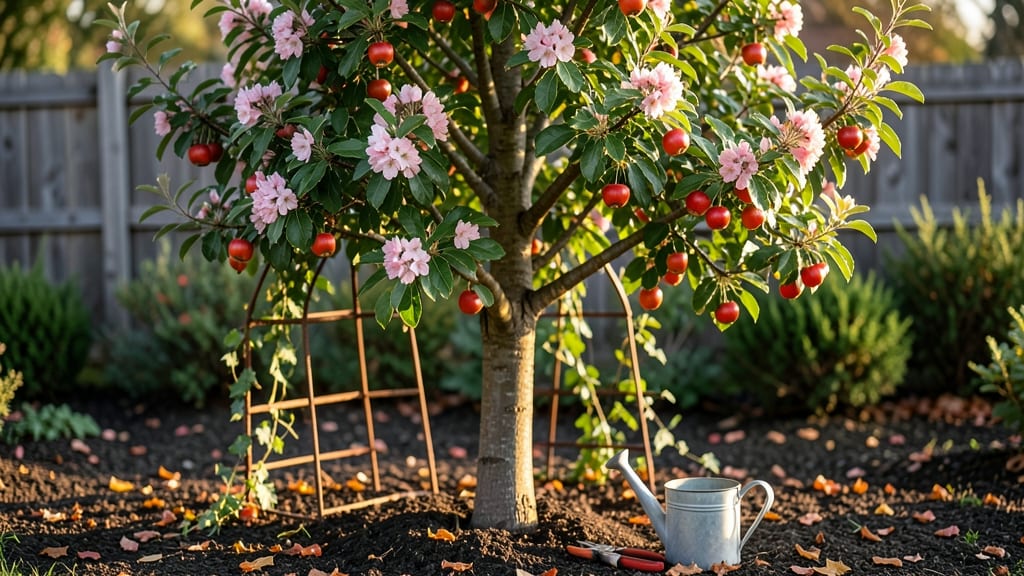
Planting a crabapple tree in Michigan is one of the smartest ways to add beauty and resilience to your yard—these trees thrive in our cold winters and still burst with color every spring. 🌳 I’ve watched my own crabapple grow from a sapling to a sturdy shade provider, its blossoms turning heads even when snow still clings to the branches.
The key? Choosing the right variety for Michigan’s climate and mastering frost-resistant pruning to keep it strong through our harsh winters.
Michigan’s best crabapple varieties—like ‘Dolgo’ or ‘Adams’—handle our zone 4-6 winters like champs, with thick bark and buds that resist frost damage. You’ll need basic tools: sharp pruners, a ladder (for higher branches), and a little patience.
The real magic happens in late winter when you prune before new growth starts—this keeps the tree healthy and encourages those showstopping blooms. Even in our short growing season, these trees reward you with months of interest, from spring flowers to fall fruit.
After pruning, you’ll notice new shoots emerging by early May, followed by fragrant blossoms that attract pollinators and brighten up gray days. The tree’s dense canopy provides shade in summer while letting sunlight filter through in winter, making it a year-round performer.
Plus, the fruit—though tart—adds a touch of rustic charm and feeds birds, turning your yard into a mini ecosystem. With the right care, your crabapple will outlive you and still look stunning.
Whether you’re dealing with Michigan’s wind, heavy snow, or sudden spring freezes, these trees adapt better than most. The secret is in the pruning: open the center for airflow, remove dead wood, and shape it to handle our unpredictable weather.
Once established, they’re low-maintenance and practically indestructible—just the kind of tree Michigan gardeners need. Ready to make yours the talk of the neighborhood?
📚 In This Guide
- What you need
- Instructions
- Tips and common mistakes
- Wrapping up and next steps
What you need
- ● Pruning shears: Bypass pruners (for clean cuts on branches up to ½ inch thick) – 1 pair (look for sharp, stainless steel blades).
- ● Loppers: Bypass or anvil type (for branches ½ to 1½ inches thick) – 1 pair (pivoting loppers make thick cuts easier).
- ● Pruning saw: Curved-tooth saw (for branches 1½+ inches thick) – 1 saw (avoid straight-tooth saws—they tear wood).
- ● Gloves: Heavy-duty, cut-resistant (to protect hands from thorns and rough bark) – 1 pair (gardening or pruning-specific gloves work best).
- ● Disinfectant: 70% isopropyl alcohol or pruning sealant (to sterilize tools between cuts and prevent disease spread) – small bottle.
- ● Ladder: Sturdy, extendable (if your tree is taller than 6–8 feet) – 1 ladder (ensure it’s rated for your weight and height needs).
- ○ Work boots: Steel-toe or sturdy hiking boots (for stability and protection) – 1 pair (optional but recommended).
- ● Tree wound dressing: (e.g., Tanglefoot Tree Wound Pruning Seal) – small tube (controversial but some gardeners swear by it for larger cuts).
- ● Marking twine or flags: (to tag branches for removal or special attention) – small roll.
- ● Safety goggles: (to shield eyes from debris) – 1 pair.
- ● Extension pole pruners: (for high branches without a ladder) – 1 pair (great for smaller trees or hard-to-reach spots).
- ● Wheelbarrow or bucket: (to collect pruned branches) – 1 container.
Step-by-step guide to pruning frost-resistant crabapple trees in Michigan
Michigan’s winters demand smart pruning—here’s my battle-tested method for keeping crabapple trees strong and healthy.
🌿 Step 1: Time Your Pruning for Michigan’s Climate
Prune your crabapple tree during late winter or early spring, ideally between February and March when the tree is still dormant but before buds begin to swell. This timing minimizes stress from cold snaps and prevents disease spread during wet spring conditions. Avoid pruning in fall—it leaves wounds exposed to winter pests and pathogens.
Look for dormant branches with no signs of budding. If you see even a hint of green, wait a few weeks. Michigan’s unpredictable spring can shift that window fast, so stay alert for bud break. I always mark the calendar with our last frost date—pruning too early risks exposing tender new growth to late freezes.
✂️ Step 2: Remove Dead, Diseased, or Damaged Wood First
Start by cutting out any dead, diseased, or crossing branches using clean, sharp pruning shears. Focus on branches that are brown, brittle, or oozing sap—these are clear signs of trouble. Remove any branches rubbing against others, as these wounds invite rot and pests.
Make your cuts just outside the branch collar (the swollen area where the branch meets the trunk). I angle my cuts slightly downward to prevent water from pooling on the wound. For larger branches over ½ inch thick, use loppers or a pruning saw—never prune with dull tools, or you’ll tear the bark and create bigger problems.
☀️ Step 3: Thin the Canopy for Better Airflow and Light
Step back and assess the tree’s shape. Aim to open up the canopy by removing 10-20% of the total branches, focusing on those growing inward or downward. This improves airflow, reducing humidity that fuels fungal diseases like apple scab—a common issue in Michigan’s damp climate.
Look for branches that cross or rub—these compete for sunlight and weaken the tree. I often remove suckers (shoots growing from the base or trunk) too, as they drain energy from the main structure. After thinning, the tree should have a balanced, vase-like shape with sunlight reaching all the way to the center.
⏰ Step 4: Shape for Frost Resistance and Future Growth
Now’s the time to refine the tree’s structure by pruning branches that grow too close together or upward. Focus on reducing branch density in the lower third of the tree—this helps snow shed more easily and prevents winter damage from heavy ice buildup.
For young crabapple trees, I prune to encourage a strong central leader (the main upward-growing branch). If the tree has multiple leaders, remove all but the strongest one to avoid a weak, multi-stemmed structure. After shaping, step back and imagine how snow and ice will interact with the branches—your goal is to create a tree that sheds weight naturally.
💧 Step 5: Clean Up and Protect the Tree
After pruning, sterilize your tools with rubbing alcohol or a 10% bleach solution to prevent spreading disease. Remove all pruned branches from the area—leaving them on the ground invites pests and pathogens back into the tree.
Apply a wound sealant (like pruning paint) only to cuts larger than ½ inch—smaller wounds seal naturally and benefit from air exposure. For Michigan’s harsh winters, I also recommend mulching the base with 2-3 inches of shredded bark to insulate roots. Water deeply if the soil is dry, but avoid overwatering—wet conditions encourage fungal growth.
Tips & tricks for pruning frost-resistant crabapple trees in Michigan
Michigan's climate makes pruning crabapple trees a true test of patience—and these tips help you avoid the most common mistakes.
Timing is Everything: The February-March window is non-negotiable for Michigan's frost-prone climate. I check the USDA Plant Hardiness Zone Map for my area (Zone 5-6) to confirm the exact dates. If you're unsure, use the "bud swell test"—when buds start swelling, it's time to stop pruning. This timing prevents winter damage from late freezes while avoiding spring diseases.
Tool Preparation Matters: Sterilize your pruning shears with rubbing alcohol before you even start—this prevents spreading disease between cuts. I keep a small spray bottle of 10% bleach solution handy to wipe tools between trees. For branches over ½ inch thick, I use my bypass pruners for clean cuts, never my anvil pruners which crush the bark. The cleaner the cut, the faster the tree heals.
Visual Cues for Healthy Branches: Healthy branches should have smooth bark and green tissue when you make a small cut. Brown, brittle branches with no green are dead and should be removed immediately. For diseased branches, look for cankers (sunken, discolored areas) or oozing sap—these are clear signs to cut out completely. The branch collar should always be visible when making your cut.
Snow Load Consideration: Michigan's heavy snowfall means you need to think like a structural engineer. Focus on removing branches in the lower third of the tree—these collect the most snow and ice. I imagine drawing a cone shape from the trunk outward when shaping my tree. This creates a natural snow-shedding pattern that prevents branch breakage during winter storms.
Pro Tips for Crabapple Tree Michigan
- Michigan's climate makes pruning crabapple trees a true test of patience—and these tips help you avoid the most common mistakes.
- Timing is Everything: The February-March window is non-negotiable for Michigan's frost-prone climate.
- Tool Preparation Matters: Sterilize your pruning shears with rubbing alcohol before you even start—this prevents spreading disease between cuts.
Frequently asked questions
Got questions about growing and maintaining crabapple trees in Michigan? Here are some of the most common ones—plus expert answers to keep your tree thriving year-round.
When is the best time to prune a crabapple tree in Michigan’s climate?
Prune your crabapple tree during late winter or early spring (February–March), before buds swell. This timing minimizes disease risk and encourages strong growth. Avoid pruning in fall, as wounds may not heal before winter’s harsh conditions. For heavy pruning, split it into two sessions: first in late winter and again in early summer.
How cold-hardy are Michigan crabapple trees, and do they need winter protection?
Most Michigan crabapple varieties (like ‘Adams’ or ‘Dolgo’) handle USDA Zone 3–6, surviving temps down to -40°F. Young trees or newly planted ones may benefit from a 3-inch layer of mulch around the base to insulate roots. Avoid wrapping the trunk—it can trap moisture and cause rot.
What pests or diseases should I watch for with crabapple trees in Michigan?
Common issues include:
- Apple scab: Fungal spots on leaves (treat with copper fungicide in spring).
- Cedar-apple rust: Orange galls on leaves (remove infected branches promptly).
- Borers: Look for sawdust-like frass (apply systemic insecticide early in the season).
- Fire blight: Blackened, wilted branches (prune 6–12 inches below infected areas).
Inspect your tree monthly during growing season for early signs.
Can I grow a crabapple tree in a small yard or container?
Yes! Dwarf varieties like ‘Sargent’ or ‘Centennial’ stay under 15–20 feet tall and work well in tight spaces. For containers, choose a 50-gallon pot with drainage holes and repot every 2–3 years. Ensure it gets 6+ hours of sunlight daily—crabapples thrive in full sun but tolerate partial shade.
How do I prune a crabapple tree to encourage more flowers/fruit?
Focus on open-center pruning to improve airflow and sunlight:
- Remove dead, crossing, or inward-growing branches first.
- Thin out 20–30% of the canopy to reduce density.
- Prune last year’s growth to stimulate new blooms (but avoid over-pruning—never remove >30% of the tree in one year).
Pro tip: Use clean, sharp tools and sterilize them with rubbing alcohol between cuts to prevent disease spread.
Wrapping up and next steps
Growing a crabapple tree in Michigan is a rewarding choice—especially when you embrace frost-resistant pruning to ensure hardy, vibrant growth. By following seasonal techniques, selecting the right tools, and addressing common challenges, you’ll cultivate a resilient tree that thrives in your climate.
With patience and care, your crabapple could become a stunning focal point in your landscape for years to come!
Next steps:
- 🌱 Mark your calendar for Michigan’s pruning seasons (dormant or post-bloom) to stay on track.
- 🛠️ Gather your tools and start small—even a single branch makes a difference!
- 📸 Share your progress with fellow gardeners for tips and encouragement!