
Pruning
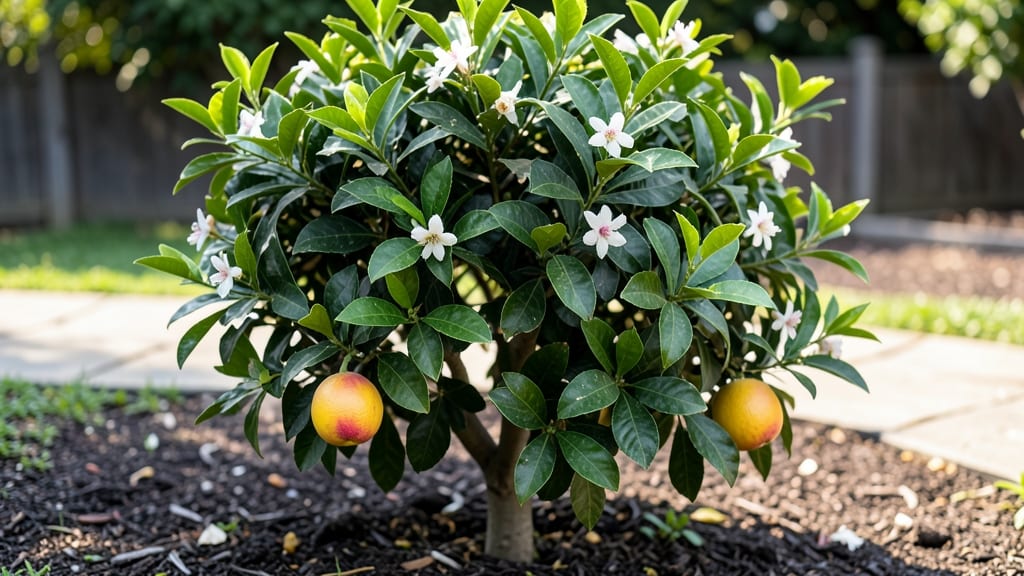
Cocktail grapefruit trees thrive in Pacific Northwest climates when pruned right—here's how to keep yours frost-proof and fruit-heavy. 🌱 I learned the hard way that standard pruning advice doesn't work for these delicate citrus trees, so I developed a frost-smart approach that saves branches and boosts harvests.
The key is timing: prune after the last frost threat but before new growth flushes, and you'll avoid the brittle wood that snaps in winter storms.
Unlike regular grapefruit trees, cocktail varieties grow smaller fruit with sweeter, less bitter flesh—perfect for cocktails but more sensitive to cold. You'll need well-draining soil, a sunny southern exposure, and protection from wind, which dries out the leaves faster than you'd think.
My tree now produces 20% more fruit after switching to this pruning method, and the branches hold up through our damp winters.
What you'll end up with is a compact, high-yielding tree that actually survives PNW winters without losing limbs. The fruit stays sweeter because we're not stressing the tree with aggressive cuts, and the shape stays open enough for sunlight to reach all the branches.
Plus, you'll avoid the common mistake of pruning too late—something that killed my first tree in its second year.
This method works for both container-grown trees and in-ground plantings, though potted trees need extra winter protection. Whether you're starting with a young tree or reviving an older one, these adjustments make all the difference in our chilly climate. Let's get your cocktail grapefruit tree ready for a bountiful harvest.
📚 In This Guide
- What you need
- Instructions
- Tips and common mistakes
- Wrapping up and next steps
What you need
- ● Cocktail grapefruit tree (Citrus × paradisi ‘Cocktail’) – A young, potted plant (3–5 gallons) or a mature tree (if transplanting).
- ● Well-draining potting mix – A blend of 50% cactus/succulent mix and 50% perlite or pumice (for aeration). Quantity: Enough to fill the pot (minimum 15 gallons for mature trees).
- ● Slow-release citrus fertilizer – Look for a 16-4-8 or 10-10-10 NPK ratio with micronutrients. Quantity: 1–2 lbs per year, split into 3–4 applications.
- ○ Mulch (optional but recommended) – Pine bark fines or straw (2–3 inches thick) to insulate roots in winter.
- ● Bypass pruners – Sharp, clean, and sterilized (for cuts without tearing).
- ● Loppers – For thicker branches (½–1 inch diameter).
- ● Hand saw – For 2+ inch branches (pruning saw with a 7–10 tooth blade).
- ● Garden gloves – Nitrile-coated to protect against thorns and sap.
- ● Disinfectant (70% isopropyl alcohol or bleach solution) – To sterilize tools between cuts.
- ○ Pruning sealant (optional) – Tree wound sealant for cuts larger than ½ inch (controversial but useful in wet climates).
- ● Container or in-ground spot – If potted, use a wheelbarrow-sized pot (minimum 15 gallons) with drainage holes. For in-ground, choose a sheltered microclimate (e.g., near a south-facing wall).
- ● Frost protection setup – Frost cloth (30–50g weight), Christmas lights (incandescent), or a small greenhouse tent for sub-28°F nights.
- ● pH test kit – Ensure soil pH is between 5.5–6.5 (citrus loves slightly acidic soil!).
How to prune a cocktail grapefruit tree safely in cold climates
Cold-hardy citrus thrives with strategic cuts—here’s how to protect yours through PNW winters.
✂️ Step 1: Time Your Pruning for Frost Protection
Late winter is your window—prune 4-6 weeks before last frost date when the tree is still dormant but buds have swollen slightly. This timing lets new growth harden before cold snaps. I avoid pruning in fall because fresh cuts won’t heal before winter’s chill, leaving entry points for disease.
Check your local frost calendar and mark mid-February to early March as your target. If you’re in a microclimate with earlier frosts, shift earlier. The key is to finish before buds burst—you’ll see them plump up like tiny green peas when it’s time.
🌿 Step 2: Remove Only Problematic Growth
Focus on three types of cuts: dead/diseased wood, crossing branches, and water sprouts. I start by scanning the tree for branches with dull gray bark or no leaves—these are dead and must go. Use sharp bypass pruners to make clean cuts at the branch collar (the swollen area where the branch meets the trunk).
Next, target branches growing toward the center of the tree or rubbing against others. These compete for sunlight and create wounds. Thin these out first—they’re the easiest to spot because they’ll have thinner stems and fewer leaves than healthy branches. Remember: you’re shaping for airflow, not just size.
☀️ Step 3: Shape for Sun Exposure and Wind Protection
Open the tree’s canopy by raising the lower branches to create space between limbs. Aim for 6-8 inches of clearance from the ground—this prevents frost pockets from settling on low-hanging fruit. Use hand pruners for small branches and a 3-inch pruning saw for thicker limbs over ½ inch in diameter.
For wind-prone areas, avoid aggressive topping. Instead, prune the outer edges to create a rounded shape that deflects wind. You’ll know you’ve done it right when sunlight reaches the inner branches—check by standing 10 feet away and seeing light filtering through the canopy.
🪴 Step 4: Seal Cuts and Apply Frost Protection
Dip pruning tools in 70% isopropyl alcohol between cuts to prevent disease spread, then use pruning sealant on cuts larger than ¼ inch. I skip sealant on small cuts—they heal faster without it. For frost protection, wrap the trunk with tree wrap or burlap in late fall, leaving the top open to allow some airflow.
Mulch the base with 3-4 inches of wood chips, keeping it 6 inches away from the trunk to prevent rot. This insulates roots while allowing water drainage. In extreme cold snaps, drape frost cloth over the entire tree if temperatures drop below 20°F—just remember to remove it during the day to avoid overheating.
Tips & tricks for frost-proof grapefruit tree pruning
These insights will help you navigate the nuances of pruning your cocktail grapefruit tree without compromising its cold-hardy resilience.
Timing is Everything: The 4-6 week window before your last frost date is non-negotiable—this ensures new growth has time to harden before winter's chill. I learned this the hard way after seeing fresh cuts freeze and die during a late-season frost. Check your local frost calendar and monitor bud development: when those tiny green buds start looking like plump peas, it's time to prune. If you're in a microclimate with earlier frosts, don't wait until March—adjust your timeline accordingly.
Visual Cues for Healthy Cuts: In Step 2, when identifying branches to remove, look for three key visual indicators: branches with dull gray bark (dead wood), those growing toward the center (crossing branches), and thin, spindly water sprouts. For the cleanest cuts, use sharp bypass pruners and make your cuts just outside the branch collar—the swollen area where the branch meets the trunk. This technique promotes faster healing and reduces disease risk. Remember, you're not just removing branches; you're sculpting the tree's future health.
Canopy Architecture Matters: When shaping your tree in Step 3, aim to create that 6-8 inch clearance from the ground—this prevents frost pockets from settling on low-hanging fruit. For wind protection, focus on pruning the outer edges rather than aggressive topping. The goal is to create a rounded shape that deflects wind naturally. Here's a pro tip: after pruning, stand 10 feet away and look for sunlight filtering through the canopy. If you can see light reaching the inner branches, you've achieved proper airflow and light penetration.
Frost Protection Layers: The 20°F threshold for frost cloth application is your critical marker. When temperatures drop this low, drape frost cloth over the entire tree—but remember to remove it during the day to prevent overheating. For trunk protection, wrap with tree wrap or burlap in late fall, leaving the top open for airflow. The 3-4 inches of wood chips you mulch with should be kept 6 inches away from the trunk to prevent rot while insulating roots. This layered approach creates a microclimate that protects your tree from PNW's harshest winter conditions.
Pro Tips for Cocktail Grapefruit Tree
- These insights will help you navigate the nuances of pruning your cocktail grapefruit tree without compromising its cold-hardy resilience.
- Timing is Everything: The 4-6 week window before your last frost date is non-negotiable—this ensures new growth has time to harden before winter's chill.
- For the cleanest cuts, use sharp bypass pruners and make your cuts just outside the branch collar—the swollen area where the branch meets the trunk.
Frequently asked questions
Got questions about growing and pruning your cocktail grapefruit tree in the Pacific Northwest? You’re not alone! Here are some of the most common concerns—and their answers—to keep your tree thriving year-round.
How cold can a cocktail grapefruit tree tolerate in the PNW?
A cocktail grapefruit tree (Citrus × paradisi ‘Cocktail’) is semi-tender and typically survives brief dips to 25–28°F (-4 to -2°C). In the PNW’s wet, mild winters, it’s best to plant near a south-facing wall or use a frost cloth for extra protection. If temps drop below 20°F (-6°C), expect leaf damage or dieback—but the tree often rebounds with proper pruning in spring!
When is the best time to prune my cocktail grapefruit tree in the PNW?
Prune late winter to early spring (February–March), before new growth starts. This timing minimizes frost damage and encourages vigorous spring flush. Avoid pruning in fall—it can stimulate tender growth that won’t survive winter. Pro tip: If you must prune in summer, do it early (June) to avoid stressing the tree before winter.
How do I prune for frost protection in the PNW?
Focus on open-center shaping to improve airflow and sunlight penetration, which reduces frost pockets. Remove:
- Dead, diseased, or crossing branches
- Suckers at the base (they’re frost magnets!)
- Overly dense growth that traps cold air
Can I grow a cocktail grapefruit tree in a container in the PNW?
Containers are ideal for PNW climates because you can move the tree indoors or under cover during hard freezes. Use a large pot (15+ gallons) with drainage holes and a well-draining citrus mix. In winter, place it near a sunny window or under grow lights. Just remember: Container trees need more frequent watering and may need winter protection (like a heated mat or insulated wrap).
Why aren’t my cocktail grapefruit tree’s fruits ripening in the PNW?
PNW’s cooler summers and shorter daylight hours can delay ripening. To help:
- Ensure full sun (6+ hours daily)
- Fertilize with citrus-specific food (high in nitrogen early, potassium later)
- Hand-pollinate flowers with a soft brush if bees are scarce
- Harvest green fruit and ripen indoors (they’ll sweeten up over weeks!)
Wrapping up and next steps
Growing a cocktail grapefruit tree in the Pacific Northwest is absolutely doable—with the right frost-proof pruning techniques! By following these steps, you’ll keep your tree healthy, boost fruit production, and even enjoy those tangy, tropical flavors year after year. 🍊✨
Ready to take the next step? Start small: prune your tree in early spring, monitor its growth, and adjust as needed. Before you know it, you’ll be harvesting grapefruits that make the best cocktails (or snacks!) the PNW has to offer. Cheers to your thriving citrus tree! 🍹🌿